Can Orchids Survive Cold Weather: Essential Tips to Protect Them
Are you an orchid enthusiast worried about the chilly months ahead? You’re not alone.
Many plant lovers find themselves asking, “Can orchids survive cold weather? ” These exotic beauties, known for their stunning flowers and intricate care needs, can seem delicate and fragile when temperatures drop. But before you start to panic about your beloved blooms, take a breath.
Understanding how cold affects orchids can be the key to helping them thrive, even when the weather turns frosty. Let’s dive into the secrets of keeping your orchids healthy and vibrant, no matter how low the thermometer goes. By the end of this article, you’ll have the confidence to protect and nurture your orchids through the coldest days. Keep reading to discover how you can become the orchid whisperer your plants need this winter.

Credit: www.epicgardening.com
Orchid Cold Tolerance
Orchids are popular plants that many people grow indoors or outdoors. Their ability to survive cold weather varies by species. Understanding their cold tolerance helps protect them in cooler climates.
Some orchids can handle lower temperatures, while others need warm conditions. Knowing the temperature limits can prevent damage and keep orchids healthy.
Temperature Limits For Orchids
Orchids have different temperature needs depending on their type. Most orchids prefer temperatures above 50°F (10°C). When temperatures drop below this, some species may suffer damage.
- Temperatures below 40°F (4°C) can harm many orchids.
- Some hardy orchids survive brief cold spells near 32°F (0°C).
- Freezing temperatures usually kill most orchid plants.
- Indoor orchids should stay away from drafts and cold windows.
- Use heaters or covers to protect orchids in cold weather.
Common Orchid Species And Their Climate Preferences
Different orchid species come from various climates. Some thrive in tropical heat, while others grow in cooler mountain regions. Knowing each species’ preference helps growers keep them healthy.
| Orchid Species | Preferred Temperature Range | Cold Tolerance |
|---|---|---|
| Phalaenopsis (Moth Orchid) | 65°F to 85°F (18°C to 29°C) | Low; avoid below 55°F (13°C) |
| Cymbidium | 50°F to 75°F (10°C to 24°C) | Moderate; can survive brief cold spells down to 40°F (4°C) |
| Dendrobium | 60°F to 85°F (16°C to 29°C) | Low to moderate; sensitive to frost |
| Cattleya | 60°F to 80°F (16°C to 27°C) | Low; keep above 50°F (10°C) |
| Paphiopedilum (Lady Slipper) | 55°F to 75°F (13°C to 24°C) | Moderate; avoid freezing temperatures |
Signs Of Cold Stress In Orchids
Orchids are tropical plants and do not like cold weather. Cold can hurt them in many ways. Knowing the signs of cold stress helps you save your orchids early.
Cold stress shows in different parts of the orchid. Leaves, roots, and stems can all get damaged. Watch these signs to protect your plants.
Leaf Discoloration And Damage
Leaves often show cold stress first. They may turn yellow, brown, or black. These color changes happen because cold stops the plant from working well.
Leaves may also look wilted or feel soft and mushy. Cold can cause frost damage, making leaves dry and crispy. Damaged leaves can fall off if the cold is strong.
- Yellow or pale leaves
- Brown or black spots
- Wilted, soft, or mushy texture
- Dry, crispy edges
- Leaves dropping off
Root And Stem Health Issues
Cold weather can hurt orchid roots and stems too. Roots may stop growing or turn dark and rotten. This stops the plant from taking water and food.
Stems can become soft or shriveled. Cold can cause black or dark patches on stems. If roots or stems get badly damaged, the orchid may die.
- Roots turning dark or mushy
- Roots stop growing
- Soft, shriveled stems
- Dark spots on stems
- Plant looks weak or droopy
Preparing Orchids For Cold Weather
Orchids are delicate plants that need care during cold weather. Preparing them properly helps them survive and stay healthy.
Cold temperatures can harm orchids if they are not protected. It is important to choose a good location and use covers to keep them warm.
Choosing The Right Location
Place orchids where they get enough light but stay safe from cold winds. A spot near a south-facing wall can provide warmth.
- Keep orchids away from drafty windows and doors
- Place them indoors if temperatures drop below 50°F (10°C)
- Use a bright room with indirect sunlight
- Avoid placing orchids near heaters that dry the air
Using Insulation And Protective Covers
Insulating your orchids helps keep their roots and leaves warm. Covers can protect them from frost and cold air.
| Material | Use | Benefit |
| Bubble wrap | Wrap pots | Keeps roots warm |
| Frost cloth | Cover plants | Protects leaves from frost |
| Plastic sheets | Make a mini greenhouse | Traps heat and moisture |
| Old blankets | Wrap plants at night | Prevents cold damage |

Credit: www.reddit.com
Indoor Care During Winter
Orchids need special care inside during cold weather. Winter brings low light and dry air. These changes can stress your plants.
Proper humidity, light, and temperature help orchids stay healthy. Keep their environment steady to avoid damage.
Optimal Humidity And Light Conditions
Orchids need about 40% to 60% humidity inside. Dry air can make leaves dry and buds drop. Light should be bright but indirect.
- Use a humidifier or place water trays near plants
- Keep orchids away from heaters and cold drafts
- Place orchids near east or west windows for soft light
- Avoid direct sunlight to prevent leaf burn
- Rotate plants weekly to ensure even light exposure
Temperature Control Tips
Orchids prefer daytime temperatures between 65°F and 75°F. Night temperatures can be cooler but not below 55°F. Sudden temperature drops can harm them.
| Time of Day | Ideal Temperature (°F) | Notes |
| Daytime | 65 – 75 | Keep away from heaters |
| Nighttime | 55 – 65 | Avoid cold drafts |
| Minimum | 55 | Do not let temperature drop below this |
Outdoor Orchid Protection Methods
Orchids can be sensitive to cold weather. Protecting them outdoors helps them survive frost and chilly nights. There are simple ways to keep orchids safe during cold spells.
Using special outdoor protection methods can create a better environment for orchids. These methods help keep the temperature stable and reduce stress on the plants.
Creating Microclimates
A microclimate is a small area with different weather than the surroundings. You can create one near your orchids to keep them warmer.
Place orchids near walls or fences that block cold winds. Rocks or bricks can store heat during the day and release it at night. Grouping plants close together also helps keep warmth.
- Use walls or fences as windbreaks
- Place rocks or bricks nearby to hold heat
- Group orchids close to share warmth
- Cover orchids with frost cloths for extra protection
Using Cold Frames And Greenhouses
Cold frames and greenhouses provide shelter from cold air and frost. They create warmer spaces for orchids to grow outdoors during winter.
Cold frames are simple boxes with transparent tops. They trap sunlight and keep heat inside. Greenhouses are larger and offer more space with controlled temperature and humidity.
- Cold frames keep orchids warm with sunlight
- Greenhouses protect against frost and wind
- Use heaters or heat mats if needed inside greenhouses
- Ventilate greenhouses on sunny days to prevent overheating
Watering And Fertilizing In Cold Weather
Orchids need special care in cold weather to stay healthy. Watering and fertilizing routines change during cold months.
Knowing how to adjust these tasks helps orchids survive and grow well despite the cold.
Adjusting Watering Frequency
Cold weather slows down orchid growth and reduces water use. Water less often to avoid root rot and other problems.
Check the potting mix before watering. Only water if it feels dry to the touch. Overwatering can harm your orchids in cold weather.
- Water orchids once every 10 to 14 days in cold months
- Use room temperature water to avoid shock
- Ensure good drainage to prevent standing water
Fertilizer Use During Dormancy
Orchids grow slower or stop growing in cold weather. Reduce or stop fertilizing during this dormancy period.
Using fertilizer too much can damage roots and cause salt build-up in the soil. Wait until orchids show new growth before fertilizing again.
- Stop fertilizing in late fall and winter
- Resume light feeding in early spring when growth starts
- Use balanced, diluted fertilizer for best results
Rescuing Orchids After Cold Exposure
Orchids are tropical plants that can suffer in cold weather. Cold exposure causes damage to their leaves and roots. Acting quickly helps save your orchids.
Knowing how to assess the damage and revive your orchids is key. This guide explains simple steps to help your plants recover.
Assessing Damage
Check your orchid carefully after cold exposure. Look for signs like black or brown spots on leaves. Soft or mushy roots also show damage.
- Leaves with dark spots or discoloration
- Wilted or drooping leaves
- Soft, brown, or black roots
- Dry or cracked stems
Reviving Techniques
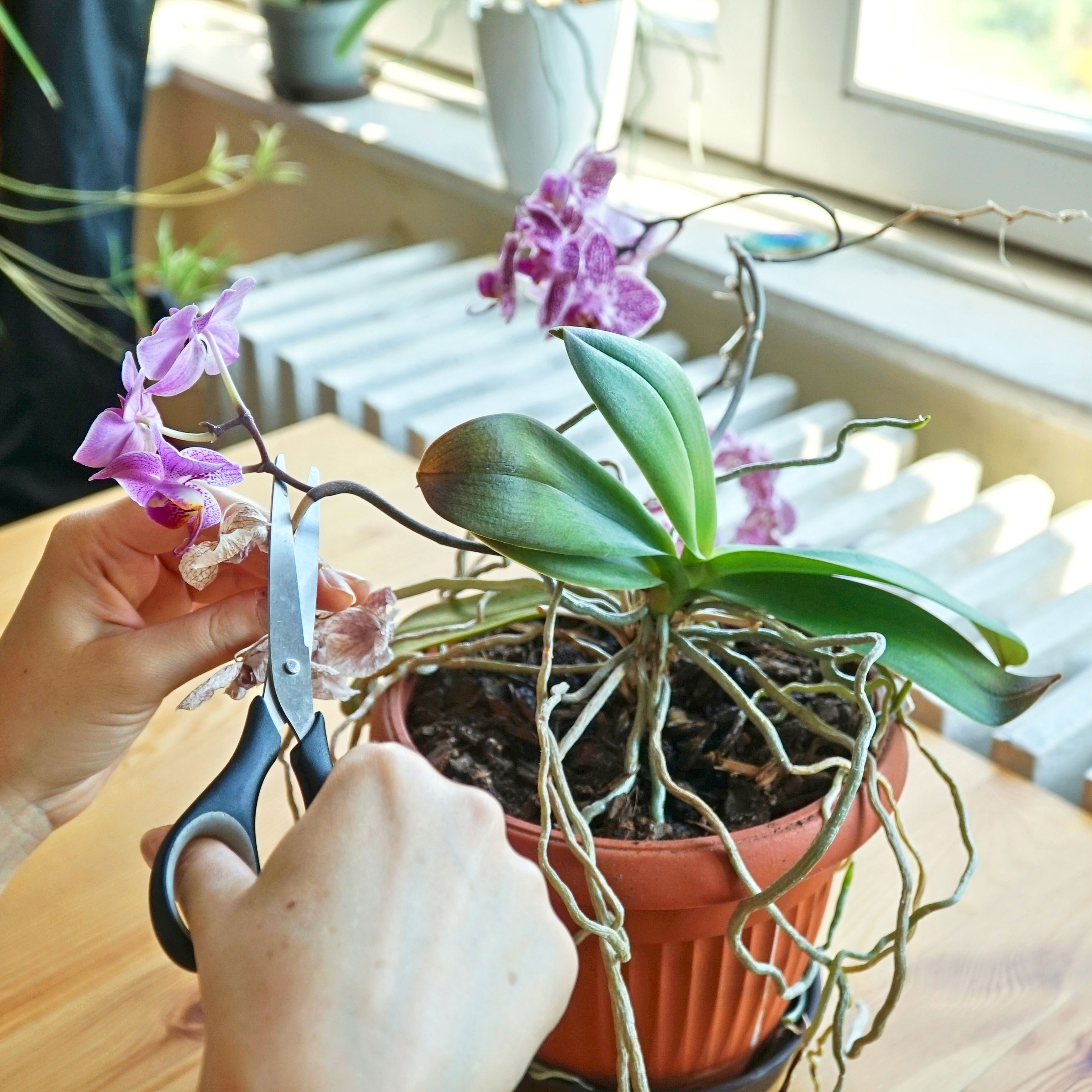
Use gentle care to help orchids recover. Remove damaged parts to stop rot. Keep the plant warm and avoid direct sunlight.
| Action | Description |
| Prune Damaged Leaves | Cut off black or soft leaves with clean scissors |
| Trim Roots | Remove mushy or dark roots carefully |
| Warm Location | Place orchid where temperature stays above 60°F (15°C) |
| Water Sparingly | Water only when the potting mix is dry to touch |
| Avoid Direct Sun | Keep orchid in bright, indirect light |
Credit: www.gardeningknowhow.com
Frequently Asked Questions
Can Orchids Tolerate Freezing Temperatures?
Orchids generally cannot survive freezing temperatures. Most species prefer temperatures above 50°F (10°C). Freezing can damage their cells and cause death. Protect orchids by moving them indoors or using frost covers in cold weather.
How To Protect Orchids From Cold Weather?
To protect orchids, bring them indoors before cold weather arrives. Use grow lights and maintain humidity. Avoid placing orchids near drafty windows or vents. Mulching the pot can also help retain warmth.
Which Orchid Types Survive Cold Weather Best?
Hardy orchid varieties like Cymbidium and Dendrobium tolerate cooler temperatures better. These orchids can handle brief cold spells down to 30-40°F (−1 to 4°C). Tropical orchids usually need warmer conditions and extra care in cold climates.
What Signs Indicate Cold Damage In Orchids?
Cold-damaged orchids show blackened or wilted leaves and stems. Roots may become mushy and brown. Flowers can drop prematurely. Early detection helps save the plant by improving warmth and humidity immediately.
Conclusion
Orchids need warmth to grow well. Cold weather can harm their leaves and roots. Protect them by bringing them indoors or using covers. Keep the temperature steady and avoid sudden chills. Water them less in cold months to prevent root rot.
With care, orchids can survive mild cold spells. Watch your plants closely for signs of stress. Small efforts help your orchids stay healthy and bloom again. Growing orchids in cold weather is possible with smart care. Your patience will bring beautiful flowers in time.