How Cold of Weather Can Truffles Survive: Ultimate Survival Guide
Imagine savoring the luxurious taste of truffles, those rare and aromatic fungi that can elevate any dish to a gourmet masterpiece. But have you ever wondered how these culinary treasures endure the cold?
How cold can it really get before truffles can no longer survive? As a truffle enthusiast or someone just curious about this fascinating delicacy, you deserve to know how these fungi thrive against the odds. Understanding their resilience could change the way you perceive and appreciate truffles.
Keep reading to uncover the secrets of their survival and discover what temperatures they can truly withstand.
Truffle Basics
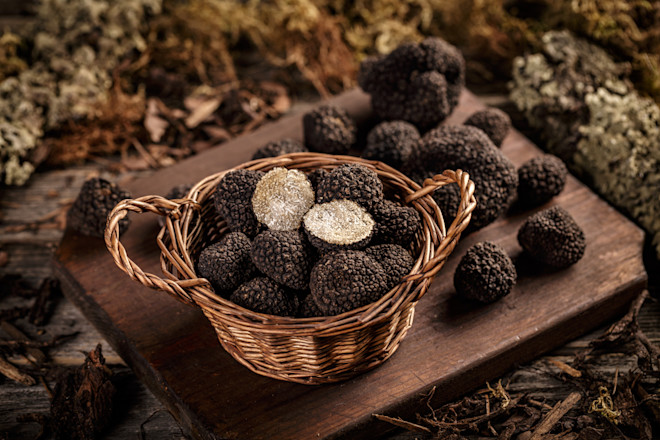
Truffles are a type of fungi that grow underground near tree roots. They are known for their strong aroma and unique taste.
People often use truffles in cooking to add a special flavor to dishes. Understanding truffles helps in growing and harvesting them.
What Are Truffles
Truffles are rare fungi that live underground. They form a close relationship with certain trees. This relationship helps both the fungi and the tree to get nutrients.
Truffles grow best in soil that is moist and has good airflow. They need the right temperature to survive and develop their flavor.
Types Of Truffles
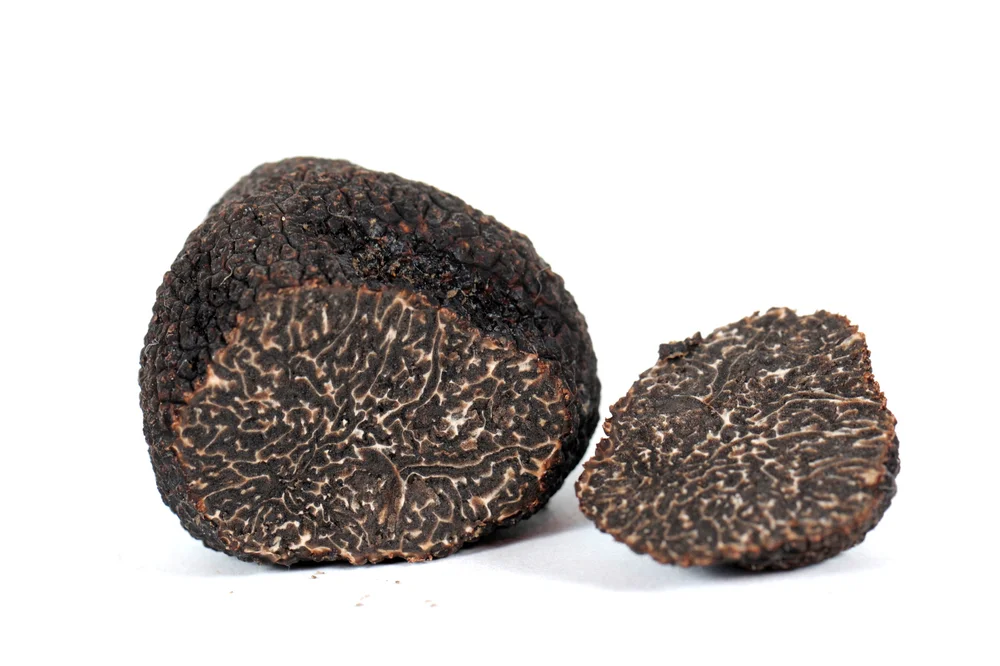
There are many types of truffles. Each type has a different taste, aroma, and color. Some are more valuable than others.
- Black Truffles: Known for their deep flavor, often used in fine dining.
- White Truffles: Rare and very aromatic, found mainly in Italy.
- Burgundy Truffles: Have a mild flavor and are easier to find.
- Summer Truffles: Less intense aroma, available in warmer months.
| Type | Color | Flavor | Common Region |
| Black Truffle | Dark brown to black | Strong and earthy | France |
| White Truffle | Light cream to white | Pungent and garlicky | Italy |
| Burgundy Truffle | Dark brown | Mild and nutty | Europe |
| Summer Truffle | Light brown | Light and fruity | Europe |
Cold Weather Impact
Truffles are a type of fungi that grow underground. Cold weather affects their growth and survival.
Understanding how cold temperatures impact truffles helps growers protect them better.
Temperature Thresholds
Truffles can survive cold temperatures but only to a certain limit. Most truffle species stop growing below 0°C (32°F). Some types can handle slight frost, but long exposure to freezing temperatures can harm them.
- Ideal soil temperature for truffle growth is between 5°C and 20°C (41°F to 68°F).
- Soil temperature below -2°C (28°F) can damage truffle mycelium.
- Extended cold below -5°C (23°F) may kill truffle fungi.
- Truffles survive better if soil is covered with leaves or mulch during cold.
Effects Of Frost And Freeze
| Condition | Effect on Truffles |
| Light Frost | May slow growth but usually no permanent damage |
| Hard Freeze | Can kill young mycelium and reduce truffle yield |
| Repeated Freeze-Thaw | Weakens truffle structure and mycelium health |
| Mulch Covering | Protects soil and truffles from extreme freezing |
Frost can cause water inside the truffle cells to freeze. This damages cell walls and stops growth.
Growers often use mulch to protect truffles. Mulch keeps the soil temperature stable and reduces freeze risk.
Truffle Survival Mechanisms
Truffles are a type of fungus that grow underground. They face many challenges in cold weather. Their survival depends on special ways to handle low temperatures.
This article explains how truffles survive cold weather. We focus on their adaptations and dormancy periods.
Adaptations To Cold
Truffles have thick outer layers that protect them from frost. This helps stop ice crystals from forming inside their cells. They also produce natural antifreeze chemicals.
These chemicals lower the freezing point of water inside truffle tissues. This reduces damage from ice and keeps cells healthy.
- Thick outer skin blocks cold air and moisture loss
- Production of antifreeze proteins and sugars
- Ability to grow deeper underground where it is warmer
Dormancy Periods
Truffles enter dormancy during cold seasons. This means they slow down their growth and metabolism. It helps them survive until warmer weather returns.
During dormancy, truffles stay underground and use stored nutrients. This resting phase protects them from freezing and drying out.
- Growth stops to save energy
- Metabolism slows to reduce nutrient use
- Stored nutrients keep truffle alive during winter
- Dormancy ends when soil warms in spring
Credit: www.ponderosa-mushrooms.com
Environmental Factors
Truffles are sensitive to cold weather. Their survival depends on several environmental factors.
These factors help truffles endure cold temperatures and grow properly in nature.
Soil Conditions
Soil type and quality affect how truffles survive cold weather. They grow best in well-drained, calcareous soils.
Soil with good air flow and proper nutrients helps truffles resist frost damage.
- Calcareous soil keeps pH balanced for truffles
- Well-drained soil prevents waterlogging and freezing
- Loose soil allows truffle roots to grow freely
Moisture And Snow Cover
Moisture is vital for truffle survival in cold weather. Too little water can dry them out.
Snow cover acts like a blanket. It keeps soil temperature steady and protects truffles from frost.
- Moist soil helps truffles stay healthy
- Snow insulates soil against extreme cold
- Frozen soil without snow can harm truffles
Protecting Truffles In Winter
Truffles are a type of fungus that grow underground. They need special care during cold weather. Winter can be tough for truffles if they freeze.
Keeping truffles safe in winter helps them grow strong. Knowing how cold they can survive is important. You can protect them with good techniques.
Insulation Techniques
Insulation stops the soil from freezing around truffles. It keeps the ground warmer and protects the roots. You can use natural or man-made materials.
- Use mulch like straw or leaves to cover the soil
- Apply a thick layer of compost around the plants
- Use burlap or frost cloth to shield the area
- Avoid heavy tilling that breaks soil insulation
These steps help keep the soil temperature steady. They prevent ice from forming near the truffles. Insulation helps truffles survive colder temperatures.
Site Selection For Planting
Choosing the right site is key for truffle survival. Some places stay warmer and dry in winter. This protects truffles from cold damage.
Look for spots with good drainage and sunlight. Avoid low areas where cold air collects. Planting in the right place reduces frost risks.
- Pick hills or slopes to avoid frost pockets
- Choose soil with good drainage to prevent water freezing
- Find areas with some sunlight in winter
- Avoid heavy clay soils that hold cold moisture
Credit: www.oregonlive.com
Monitoring And Care
Truffles can survive cold weather if cared for properly. Monitoring temperature and soil is important to keep them healthy. This guide helps you understand the care needed in cold conditions.
Knowing how cold your truffles can handle and what soil conditions they need helps you protect your crop. Regular checks prevent damage from frost and cold stress.
Temperature Monitoring
Truffles survive best in mild cold, but extreme low temperatures can harm them. It is important to watch the weather and soil temperature closely during winter.
- Use a soil thermometer to check temperature daily.
- Record temperature changes to spot dangerous drops.
- Apply mulch to insulate soil and keep warmth.
- Cover soil with leaves or straw during frost warnings.
- Remove covers during sunny days to avoid overheating.
Soil Maintenance
Healthy soil helps truffles survive cold weather. Keep the soil loose and well-drained to avoid water freezing around roots.
| Soil Care Task | Why It Matters |
| Keep soil moist but not wet | Prevents freezing and root damage |
| Remove compacted layers | Allows air to reach roots |
| Add organic matter | Improves soil warmth and nutrients |
| Check soil pH regularly | Ensures truffle-friendly environment |
| Clear debris in cold season | Reduces mold and pests |
Cold-resistant Truffle Varieties
Truffles are fungi that grow underground near tree roots. Some truffle species survive cold weather better than others. Understanding cold-resistant varieties helps growers choose the right truffles for colder climates.
Cold tolerance is important for truffle survival during winter. It affects where truffles can grow and how well they develop. Let’s look at species with higher tolerance and breeding efforts to improve cold hardiness.
Species With Higher Tolerance
Some truffle species naturally withstand cold temperatures better. These species grow in regions with harsh winters. Their ability to survive cold helps them thrive in northern climates.
- Tuber melanosporum– Known as the black Périgord truffle, it can survive mild frosts.
- Tuber brumale– This winter truffle tolerates colder weather and late frosts.
- Tuber magnatum– The white truffle survives in cooler zones but needs some protection.
- Tuber aestivum– The summer truffle can handle a range of temperatures, including cool climates.
Breeding For Cold Hardiness
Scientists and growers work to breed truffles that resist cold better. They select parent truffles with strong cold tolerance. This helps create new strains that grow in colder places.
| Breeding Method | Goal | Result |
| Crossbreeding | Combine traits from two species | Improved cold tolerance and growth speed |
| Selection | Choose best cold-resistant offspring | Stronger truffle strains for cold climates |
| Genetic Study | Identify genes for cold resistance | Better understanding of cold hardiness |

Credit: foragerchef.com
Frequently Asked Questions
How Cold Can Truffles Survive In Winter?
Truffles can survive temperatures as low as -5°C (23°F). They thrive underground, insulated by soil and leaf litter. Extreme cold below this may damage their growth and flavor development.
Do Truffles Freeze During Cold Weather?
Truffles generally do not freeze due to soil insulation. Snow cover further protects them from frost. However, prolonged freezing can reduce their quality and affect harvest yield.
What Temperature Range Supports Healthy Truffle Growth?
Ideal truffle growth occurs between 10°C to 20°C (50°F to 68°F). Temperatures below 0°C can slow growth but not always kill the fungus. Consistent mild climates encourage better truffle development.
Can Frost Damage Truffle Mycelium Underground?
Frost rarely harms truffle mycelium if soil is deep and moist. Shallow soil or dry conditions increase frost risk. Proper soil management helps maintain truffle health during cold spells.
Conclusion
Truffles can survive cold weather, but only to a certain point. Extreme cold may harm their growth and quality. They need a balanced climate with mild winters. Protecting truffle habitats helps them thrive through cold spells. Understanding their limits supports better farming and harvesting.
Cold weather affects truffles but does not stop their cycle. Careful attention keeps truffles healthy even in colder months. This knowledge benefits growers and enthusiasts alike.