Does Corona Virus Survive Cold Weather: Myth or Reality Revealed?
Have you ever wondered if cold weather might be a safe haven from the coronavirus? As temperatures drop, it’s natural to question how this change in weather affects the virus’s survival.
You’re not alone in seeking answers to this pressing concern. Understanding how the coronavirus interacts with cold weather is crucial for your health and safety. What if the chill in the air could impact the virus’s ability to spread? By diving into this topic, you’ll uncover essential insights that could influence how you protect yourself and your loved ones this season.
Keep reading to discover what science has to say about the coronavirus’s resilience in the cold and how it might affect your daily life.
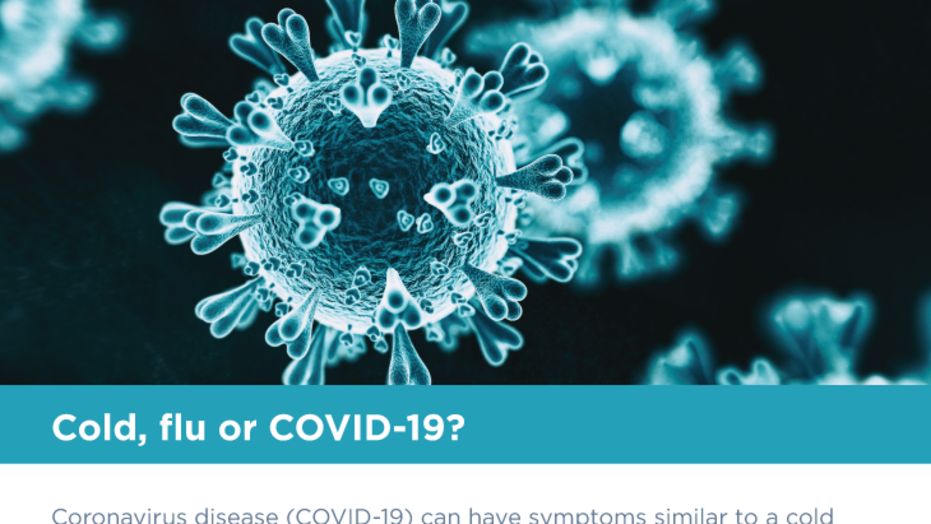
Credit: www.sharp.com
Virus Behavior In Cold
Viruses react differently to cold weather. Some viruses survive longer in low temperatures. This can affect how they spread among people.
Understanding how cold affects the coronavirus helps us prepare better for outbreaks in winter or cold regions.
Survival Rate At Low Temperatures
The coronavirus can survive longer on surfaces when temperatures drop. Cold slows down the virus’s breakdown.
- At 4°C (39°F), the virus can remain active for days.
- At room temperature, the virus survives for hours to a day.
- High temperatures reduce the virus survival time.
Impact Of Humidity And Cold
Humidity works with temperature to affect virus survival. Dry air combined with cold weather helps the virus stay infectious longer.
| Condition | Virus Survival Time |
|---|---|
| Low humidity + Cold (5°C) | Up to 7 days |
| High humidity + Cold (5°C) | 2-3 days |
| Room temperature + High humidity | Less than 1 day |
Comparison With Other Viruses
The coronavirus behaves like some other cold viruses but different from flu viruses. This affects how we control its spread.
- Common cold viruses also survive longer in cold, dry air.
- Flu viruses need cold but not very dry air to survive well.
- Coronavirus can last longer on surfaces than some flu viruses.
Transmission Factors
The coronavirus spreads mainly through close contact and droplets from coughs or sneezes. Weather can affect how the virus moves between people.
Cold weather may change how long the virus stays alive and how people behave indoors. These factors influence virus transmission.
Effect Of Cold On Virus Spread
Low temperatures can help the coronavirus survive longer on surfaces. Cold air also lowers humidity, which may help droplets stay in the air.
These conditions can increase the chance of catching the virus from the environment. But cold alone does not cause more infections.
- Virus lives longer on cold surfaces
- Dry air helps virus droplets float
- Cold air may weaken the nose’s defense
Role Of Indoor Gatherings
People spend more time indoors during cold weather. Indoor spaces have less fresh air, making virus spread easier.
Close contact in homes, offices, and public places increases the risk of catching COVID-19. Masks and ventilation help reduce spread indoors.
- More time spent inside increases contact
- Poor ventilation traps virus particles
- Close proximity raises infection chances
Seasonal Patterns And Covid-19
COVID-19 cases may rise in colder months but also depend on human behavior and immunity levels. The virus spreads year-round.
Seasonal flu patterns give some clues, but COVID-19 is new and can infect in any season. Vaccines and safety measures remain important.
- Cold seasons often see more respiratory illnesses
- COVID-19 spreads in all seasons globally
- Behavior and immunity affect seasonal waves
Scientific Studies
Scientists have studied if the coronavirus lives longer in cold weather. This topic helps us understand how the virus spreads during winter.
Research includes lab tests, data from real cases, and expert views. Each type of study gives us different information.
Lab Research On Virus Stability
Lab tests show the virus can last longer on surfaces in cold temperatures. The virus stays active longer when it is cool and dry.
Scientists use special chambers to test how temperature affects the virus. The virus breaks down faster in warm and humid air.
- Cold slows virus decay on surfaces
- Dry air helps the virus stay infectious
- Warm and moist air reduces virus survival
Epidemiological Data Analysis
Data from different countries shows more virus cases in cold months. This pattern appears in places with low temperatures and less sunlight.
Some studies link cold weather to indoor crowding. People spend more time inside, which helps the virus spread.
- Higher virus spread during winter months
- Indoor activities increase in cold weather
- Less sunlight may reduce immunity
Expert Opinions And Consensus
Experts agree cold weather may help the virus survive longer. They say cold alone does not cause outbreaks.
Experts stress the importance of masks and distancing. These measures work in all weather conditions.
- Cold weather supports virus survival
- Human behavior affects virus spread most
- Safety rules remain important year-round
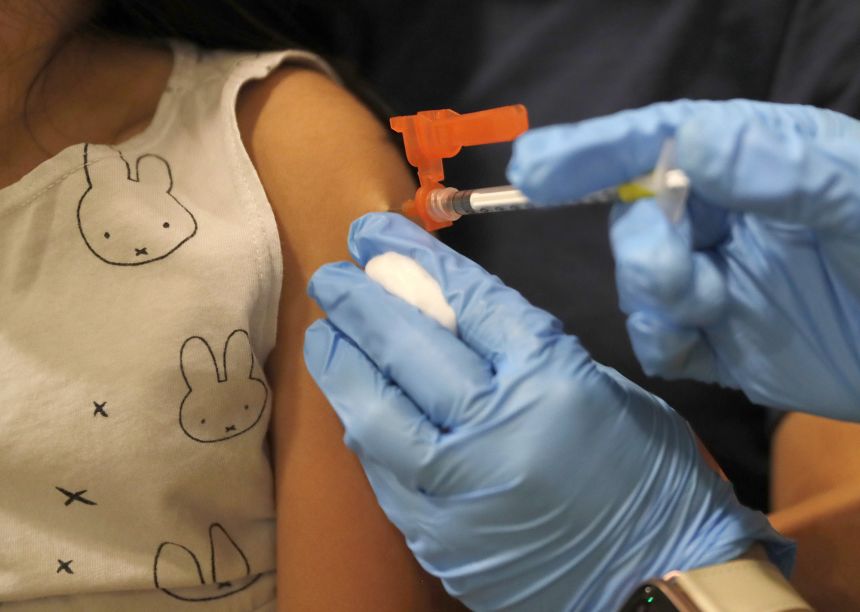
Credit: www.cnn.com
Common Misconceptions
Many people believe cold weather helps stop the coronavirus. This is not true. The virus can spread anytime, no matter the temperature.
This article clears up some common myths about cold weather and COVID-19. Knowing the facts helps you stay safe.
Myths About Cold Weather Protection
Some think cold weather kills the virus or protects them. Cold weather does not stop the virus from spreading. The virus can survive in cold and warm climates.
- Cold air alone does not kill the virus.
- Wearing warm clothes does not prevent infection.
- Using heaters does not stop virus spread.
- Hand washing and masks work in all weather.
Confusing Cold Flu With Covid-19
People often mix up cold or flu symptoms with COVID-19. Both can cause fever, cough, and tiredness. But COVID-19 can be more serious and spread faster.
| Symptom | Cold/Flu | COVID-19 |
| Fever | Sometimes | Often |
| Cough | Common | Common |
| Loss of taste or smell | Rare | Common |
| Fatigue | Sometimes | Often |
False Security In Winter Months
Some feel safer during winter, thinking cold weather stops COVID-19. This is wrong. The virus spreads in all seasons.
- Keep social distance indoors and outdoors.
- Wash hands often with soap and water.
- Wear masks in crowded places.
- Avoid touching face with unwashed hands.
- Get vaccinated when possible.
Preventive Measures
Cold weather does not stop the coronavirus from spreading. It can live on surfaces and in the air in low temperatures. Taking steps to protect yourself is important to stay safe.
Understanding how to prevent infection helps reduce risks. Simple actions at home and outside can keep you and others healthy.
Effective Protection In Cold Weather
Wear warm clothes and cover your mouth and nose. The virus spreads through tiny droplets, so keeping your face covered helps.
- Use scarves or masks to cover nose and mouth
- Avoid close contact with people who are sick
- Keep rooms ventilated to allow fresh air
- Wash hands often with soap and water
Role Of Vaccination And Masks
Vaccines help your body fight the virus. Masks reduce the chance of breathing in or spreading germs, especially in cold weather.
| Preventive Tool | Purpose |
| Vaccination | Strengthens immune defense |
| Mask Wearing | Blocks virus in air droplets |
| Hand Hygiene | Removes germs from skin |
Maintaining Hygiene Indoors
Keep your home clean and wash hands often. The virus can stay on surfaces, so cleaning stops its spread.
- Disinfect doorknobs, light switches, and tables daily
- Use hand sanitizer if soap is not available
- Clean phones, keyboards, and remote controls regularly
- Open windows to let in fresh air when possible

Credit: www.npr.org
Frequently Asked Questions
Does Cold Weather Increase Coronavirus Survival Time?
Cold weather can help the coronavirus survive longer on surfaces. Low temperatures slow virus degradation, allowing it to remain infectious for more hours or days compared to warm conditions.
Can Coronavirus Spread Faster In Winter Months?
Yes, coronavirus may spread faster in winter. People stay indoors more, increasing close contact. Dry air also weakens respiratory defenses, aiding virus transmission.
Does Freezing Temperatures Kill The Coronavirus?
Freezing temperatures do not kill coronavirus. The virus can remain stable and infectious at freezing temperatures, which helps it survive on frozen foods and surfaces.
How Does Humidity Affect Coronavirus Survival In Cold Weather?
Low humidity in cold weather helps coronavirus survive longer. Dry air reduces moisture on surfaces, which preserves the virus and increases the risk of airborne spread.
Conclusion
Cold weather does not stop the coronavirus from spreading. The virus can live on surfaces even when it is cold. People still need to wear masks and keep distance. Washing hands often helps a lot. Staying safe is important, no matter the season.
Keep your home clean and avoid crowded places. Remember, the virus spreads through close contact. Protect yourself and others by following health advice. Stay alert and healthy every day.