How Do Birds Survive in Cold Weather: Amazing Adaptations Revealed
Have you ever wondered how birds manage to thrive even when the temperature drops and the world turns icy cold? Imagine stepping outside without a jacket on a freezing winter day.
It’s hard to fathom how these delicate creatures survive. Yet, they do, and in the most fascinating ways. You’ll discover the secrets behind their survival strategies. From their incredible ability to find food in barren landscapes to the surprising warmth of their feathers, each detail will captivate your curiosity.
So, if you’ve ever watched a tiny bird flit through a snowstorm and marveled at its resilience, keep reading. You’re about to uncover the astonishing methods birds use to not just survive, but to flourish in the cold.
Credit: boropulse.com
Feathers And Insulation
Birds survive cold weather using their feathers as natural insulation. Feathers trap air close to their bodies. This keeps the bird warm even in freezing temperatures.
The structure of feathers and how birds use them help protect against the cold. Birds adjust their feathers to keep heat inside and cold out.
Types Of Feathers
Birds have different types of feathers that help with insulation. Each type plays a special role in keeping birds warm.
- Contour feathers:Cover the body and give shape.
- Down feathers:Soft and fluffy, trap heat.
- Semiplume feathers:Sit under contour feathers for extra warmth.
Down feathers are the best insulators. They keep warm air close to the skin.
Fluffing For Warmth
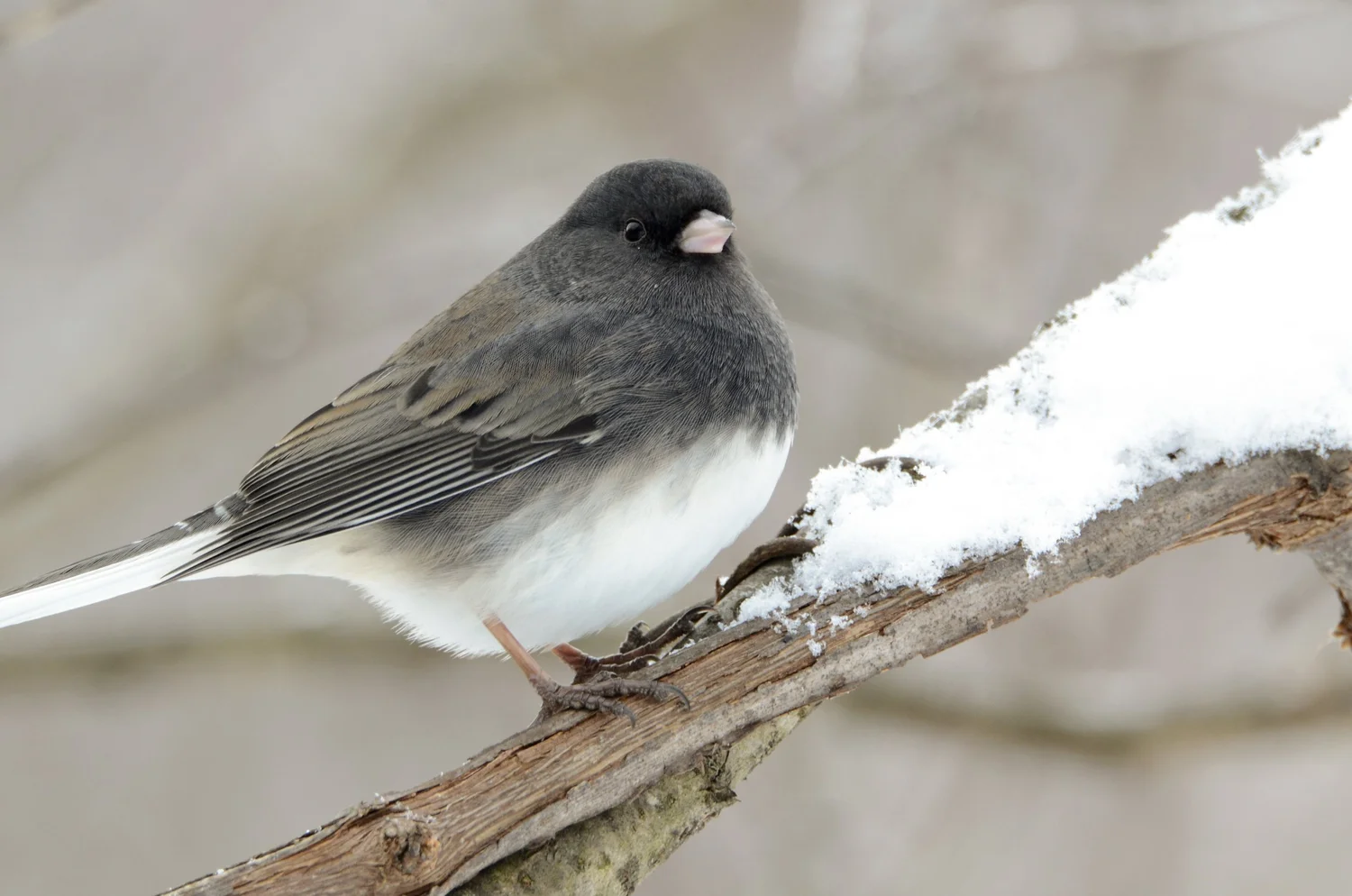
Birds fluff their feathers to increase insulation. Fluffing creates air pockets that trap heat near the body.
When birds fluff up, they look bigger but stay warmer. This helps them survive very cold days and nights.
Waterproof Coating
Many birds have a waterproof coating on their feathers. This coating comes from oil they spread during preening.
The waterproof layer stops feathers from getting wet. Wet feathers lose their insulating power and make the bird cold.

Credit: www.youtube.com
Body Heat Regulation
Birds need to keep their body warm in cold weather to survive. Their bodies have special ways to control heat.
They use different methods to make heat and stop it from escaping. These methods help birds stay alive in the cold.
Shivering And Heat Production
Birds shiver to create heat when they feel cold. Shivering moves their muscles fast and makes warmth inside their body.
This heat helps keep their body temperature stable. Shivering is a quick way for birds to warm up.
Counter-current Heat Exchange
Birds have a system in their legs called counter-current heat exchange. Warm blood flows close to cold blood.
This system moves heat from warm blood to cold blood before it leaves the body. It saves heat and stops frostbite.
- Warm blood travels down arteries
- Cold blood returns through veins
- Heat moves from arteries to veins
- Blood returns warmer to the body
Reducing Heat Loss
Birds reduce heat loss by fluffing up their feathers. This traps warm air close to their skin.
They also tuck their beak and feet into their feathers. This keeps those parts from getting too cold.
- Fluff feathers to trap warm air
- Tuck beak and feet into feathers
- Stand on one leg to keep warm
- Find shelter from cold wind
Behavioral Adaptations
Birds have many ways to survive cold weather. They use behavior to keep warm.
These actions help birds save energy and stay safe during winter.
Seeking Shelter
Birds look for places that block wind and cold. They hide in thick bushes, tree holes, or under leaves.
Some birds use buildings or birdhouses to stay warm at night.
Huddling In Groups
Birds often gather in groups to share body heat. This helps many birds stay warm at once.
- They sit close to each other on tree branches.
- They fluff their feathers to trap warm air.
- They take turns sitting inside the group’s warm center.
Changing Activity Patterns
| Activity | Purpose |
|---|---|
| Foraging at sunrise | Find food before cold sets in |
| Resting during coldest hours | Save energy |
| Reducing flight time | Limit heat loss |
Birds change when and how they move. They avoid flying in the coldest times.
Metabolic Adjustments
Birds face cold weather with special body changes. Their metabolism adjusts to keep them warm.
These changes help birds survive by managing energy and heat in harsh conditions.
Increased Food Intake
Birds eat more food in cold weather. Extra food gives them energy to stay warm.
They look for high-energy foods like seeds and insects to fuel their bodies.
Fat Storage
Birds store fat to use as energy during cold times. Fat acts like a heat shield.
This fat keeps their bodies warm and gives energy when food is scarce.
- Fat helps maintain body heat
- Stored fat provides energy at night
- Birds build fat before winter
Energy Conservation
Birds save energy by resting more and moving less during cold days.
They fluff their feathers to trap heat and reduce heat loss.
- Fluffed feathers create warm air pockets
- Less movement means less energy used
- Birds find sheltered spots to stay warm
Physical Changes
Birds face cold weather by changing their bodies. These physical changes help them keep warm.
They grow thicker feathers and adjust their body shapes. These changes keep their heat inside.
Seasonal Plumage
Birds grow a thicker and fluffier coat of feathers in winter. This is called seasonal plumage.
The extra feathers trap warm air close to their bodies. It acts like a natural blanket.
- Fluffier feathers increase insulation
- Some birds change feather color to blend with snow
- Old feathers molt before new, warmer ones grow
Body Size And Shape
Birds often grow a rounder body shape in cold months. This helps save body heat.
Larger body size means less surface area to lose heat. It keeps birds warmer in winter.
- Rounder bodies hold heat better
- Shorter tails and wings reduce heat loss
- Some birds store more fat for extra warmth
Leg And Foot Adaptations
Birds have special changes in their legs and feet to survive cold weather. Their feet lose less heat.
They have fewer blood vessels near their skin in cold months. This reduces heat loss through legs and feet.
- Thicker scales on feet protect from cold
- Counter-current blood flow keeps feet warm
- Birds tuck their feet under feathers to stay warm

Credit: www.aquascapeinc.com
Frequently Asked Questions
How Do Birds Keep Warm In Winter?
Birds fluff their feathers to trap heat and create insulation. They also huddle together to share body warmth and reduce heat loss.
What Adaptations Help Birds Survive Cold Weather?
Birds have dense feathers, a high metabolism, and the ability to lower their body temperature at night to conserve energy.
Do Birds Migrate To Avoid Cold Weather?
Many bird species migrate to warmer regions during winter to find food and avoid harsh cold conditions.
How Do Birds Find Food In Freezing Temperatures?
Birds forage for seeds, berries, and insects hidden under snow or bark. They also visit bird feeders for extra nourishment.
Conclusion
Birds stay warm in cold weather in many smart ways. They fluff up their feathers to trap heat. Some huddle close to share body warmth. Finding food becomes harder, but they keep searching. Their bodies adjust to use energy well.
These survival skills help birds live through winter. Watching birds in cold shows nature’s cleverness. They remind us to adapt and stay strong. Nature’s small fighters, ready for chilly days ahead.