How to Survive a Hurricane Racc: Essential Tips for Safety
When a hurricane hits, everything can change in an instant. Your safety, your home, and your peace of mind depend on how prepared you are.
Knowing exactly what to do before, during, and after a hurricane can make all the difference between danger and survival. This guide will walk you through simple, clear steps to protect yourself and your loved ones. Keep reading—your safety is worth every second.
Preparing Before A Hurricane
Hurricanes can cause serious damage and danger. Preparing early helps protect you and your family.
Knowing what to do before a storm can save lives. Start by organizing supplies and making a plan.
Creating An Emergency Kit
An emergency kit should have everything you need if you lose power or must leave home quickly.
- Water – at least one gallon per person per day for three days
- Non-perishable food for three days
- Battery-powered or hand crank radio
- Flashlight and extra batteries
- First aid kit
- Medications and medical supplies
- Personal hygiene items
- Important documents in a waterproof container
- Cash in small bills
- Clothing and blankets
Securing Your Home
Protect your home from strong winds and flooding before the hurricane arrives.
| Task | Action |
| Windows | Install storm shutters or board up with plywood |
| Doors | Reinforce and secure all exterior doors |
| Roof | Check and repair loose shingles or tiles |
| Yard | Bring inside or tie down outdoor furniture and objects |
| Drainage | Clear gutters and downspouts |
Planning Evacuation Routes
Know the safest routes to leave your area. Plan where to go if you must evacuate.
- Find official evacuation routes from local authorities
- Choose several destinations such as a friend’s house or shelter
- Plan how to get there by car or on foot
- Prepare your vehicle with fuel and emergency supplies
- Share your plan with family and friends

Credit: www.atlasarmor.com
During The Hurricane
Hurricanes can be very dangerous. It is important to stay safe during the storm. Follow these tips to protect yourself and your family.
Stay calm and focus on the steps you can take while the hurricane is happening. Your safety depends on your actions.
Staying Indoors Safely
Stay inside your home or shelter until the hurricane passes. Avoid windows and glass doors. Find a small, windowless room on the lowest floor to stay in.
- Keep a battery-powered radio to listen for updates.
- Have emergency supplies like water, food, and flashlights nearby.
- Keep away from doors and windows to avoid flying debris.
- Do not go outside until officials say it is safe.
Handling Power Outages
Power outages often happen during hurricanes. Prepare to stay without electricity for a while. Use your supplies wisely.
| Tips | Details |
| Use flashlights | Avoid candles to prevent fires. |
| Keep refrigerator closed | Food stays fresh longer without opening the door. |
| Turn off appliances | Prevent damage from power surges when power returns. |
| Charge devices | Keep phones and batteries charged before outage. |
Avoiding Floodwaters
Floodwaters are dangerous and can hide sharp objects or strong currents. Never walk or drive through floodwater.
Follow these safety rules:
- Stay on high ground and away from water.
- Do not try to swim or wade through floodwater.
- If water rises inside your home, move to the highest safe level.
- Watch for electrical hazards near water.
After The Hurricane
After a hurricane, your safety and health remain top priorities. The storm may have passed, but dangers still exist. It is important to know what to do next to protect yourself and your family.
Checking your surroundings and staying updated can help you avoid risks. This guide covers key steps to take after the hurricane ends.
Assessing Damage
Before entering your home or property, look for hazards. Floodwaters can hide dangerous debris or electrical problems. Take photos of any damage for insurance claims.
- Check for gas leaks and broken wires
- Wear sturdy shoes and gloves
- Do not use open flames near damaged areas
- Keep children and pets away from unsafe spots
- Contact emergency services if you find serious damage
Staying Informed
Power outages may block regular communication. Use a battery-powered radio or your phone to get updates. Listen for warnings about floods, road closures, and health alerts.
| Information Source | How to Access |
| Local News | Battery radio, TV, or internet |
| Emergency Services | Phone or official websites |
| Weather Updates | Weather apps or radio |
Preventing Health Risks
Floodwaters may carry germs and chemicals. Clean any cuts right away and avoid drinking tap water unless it is safe. Throw away food that got wet or spoiled.
- Wash hands often with soap and clean water
- Use bottled water for drinking and cooking
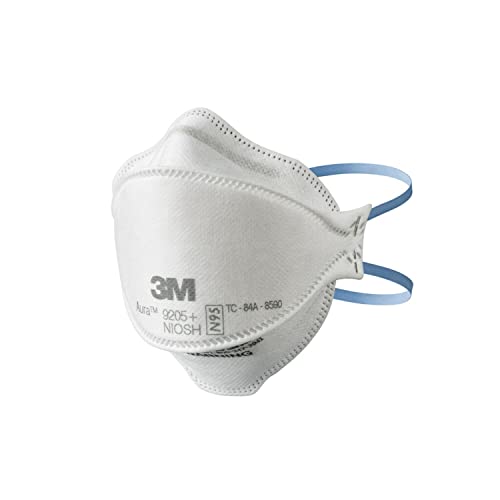
- Wear masks if cleaning moldy areas
- Dispose of garbage and debris safely
- Watch for symptoms like fever or rash and seek help
Special Considerations
Surviving a hurricane requires more than just supplies and shelter. Some people and pets need extra help. Emotional stress also affects how we cope. This section covers important tips to handle these special needs.
Understanding these considerations can keep everyone safer and calmer during the storm and after.
Helping Vulnerable Individuals
People with disabilities, the elderly, and young children need extra care during a hurricane. Make sure they have what they need to stay safe and comfortable.
- Keep a list of medications and medical devices ready.
- Arrange transportation if they cannot drive.
- Inform neighbors or local services about their needs.
- Prepare a communication plan in case phones stop working.
- Ensure emergency contacts know their location.
Protecting Pets
Pets can get scared and confused during hurricanes. Plan ahead to keep them safe and calm.
| Pet Item | Purpose |
| Food and water | At least a 3-day supply |
| Carrier or leash | Safe transport and control |
| Vaccination records | Proof of health for shelters |
| Medication | Any daily treatments |
| Comfort items | Toys or blankets to reduce stress |
Dealing With Emotional Stress
Hurricanes cause fear and anxiety. It is normal to feel stressed. Taking care of your mind is important for staying strong.
- Talk to family and friends about your feelings.
- Take deep breaths and practice relaxation.
- Limit news and social media to avoid overload.
- Keep a routine to bring normalcy.
- Ask for help if feelings become too strong.
Useful Tools And Resources
Surviving a hurricane requires preparation and the right tools. Knowing where to find accurate information helps you stay safe.
This guide covers important tools and resources to use before and during a hurricane.
Weather Apps And Alerts
Weather apps give real-time updates about storms and warnings. They help you know when to take action.
Alerts notify you about changes in the hurricane’s path or severity. Use apps that send push notifications.
- National Weather Service app
- FEMA app for disaster alerts
- Local news station apps
- Weather radar apps
Emergency Contacts
Keep a list of emergency contacts in your phone and on paper. This list helps you reach help quickly.
Include local emergency services, family members, and neighbors. Share your contact list with your household.
- Local police and fire department numbers
- Nearby hospitals and urgent care centers
- Family and close friends
- Local emergency shelters
Community Support Networks
Community groups provide help during and after hurricanes. Join local support networks before a storm hits.
Neighbors often share resources and information. These networks improve safety and recovery efforts.
- Neighborhood watch groups
- Local Red Cross chapters
- Faith-based organizations
- Community centers

Credit: www.aol.com
Credit: www.generac.com
Frequently Asked Questions
What Is Hurricane Racc?
Hurricane Racc is a severe tropical storm with strong winds and heavy rain. It can cause significant damage to infrastructure and natural landscapes. Understanding its patterns and behavior is crucial for effective preparation and survival.
How Can I Prepare For Hurricane Racc?
To prepare for Hurricane Racc, secure your home, gather emergency supplies, and create an evacuation plan. Stay informed through reliable news sources and government alerts. Early preparation can significantly reduce risks during the hurricane.
What Should I Include In My Emergency Kit?
Your emergency kit should include water, non-perishable food, flashlight, batteries, first aid supplies, and personal documents. Ensure you have enough supplies for at least 72 hours. Regularly update and check your kit for expired items.
How Do I Stay Informed During Hurricane Racc?
Stay informed by monitoring local news, weather channels, and official government updates. Use reliable apps and social media for real-time information. Consistent updates can guide your actions and ensure your safety during the hurricane.
Conclusion
Surviving a hurricane requires careful planning and quick action. Prepare your home and gather supplies early. Stay informed through trusted weather updates. Keep calm and follow safety steps during the storm. After the hurricane, check for damage and seek help if needed.
Remember, safety is the top priority at all times. Being ready can protect you and your loved ones. Stay safe and take every warning seriously.