
Can Budgies Survive Cold Weather: Essential Care Tips Revealed
Are you worried about your budgie facing the chilly winds of winter? As a caring pet owner, it’s natural to be concerned about how your feathered friend will handle the cold.
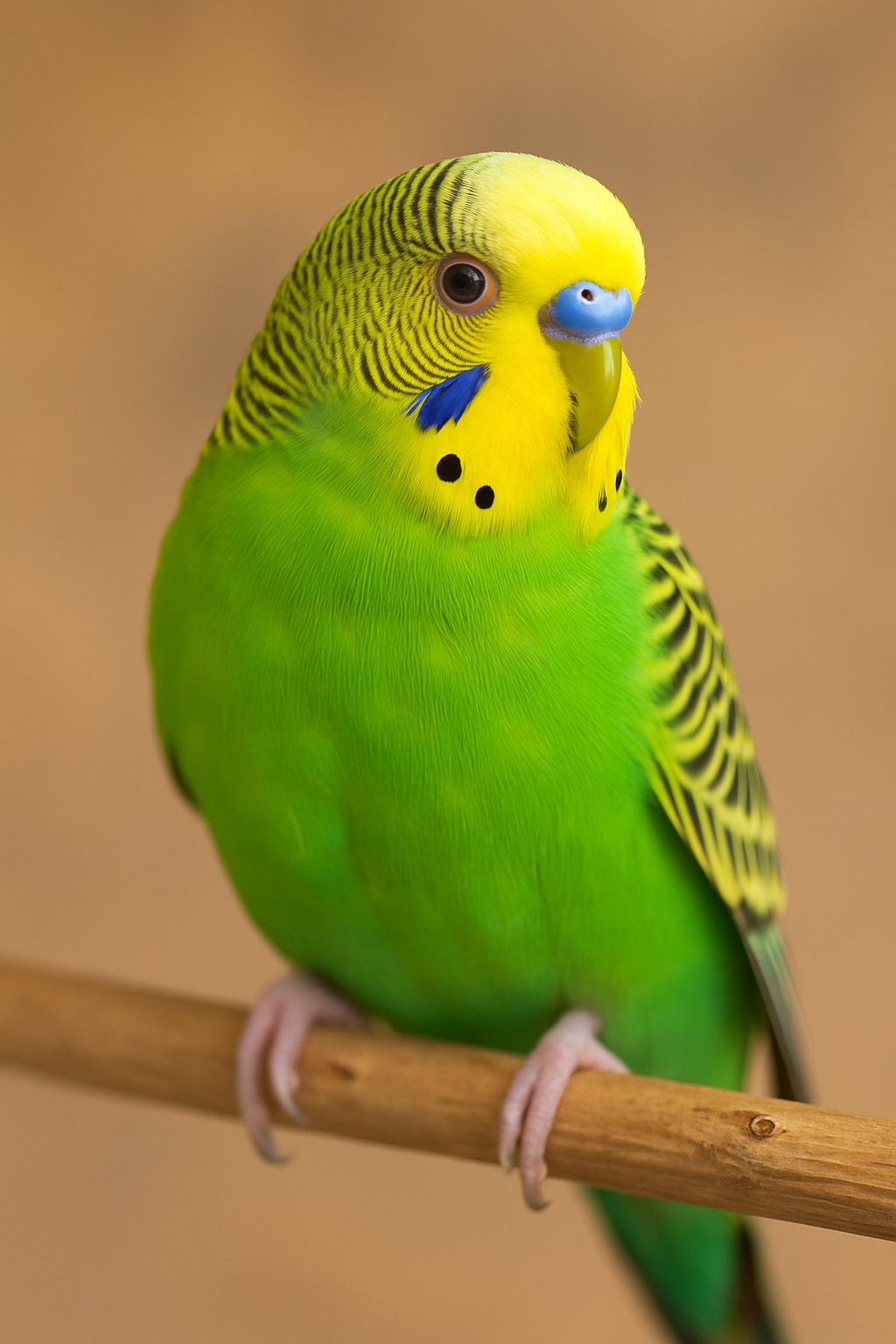
Budgies, with their vibrant colors and playful nature, are a joy to have around, but can they really handle the drop in temperature? You might be surprised at how resilient these little birds can be. We’ll unravel the truth about whether budgies can survive cold weather and what you can do to keep them safe and comfortable.
Stay with us to discover essential tips that will ensure your budgie stays warm and healthy through the colder months.
Budgie Cold Weather Limits
Budgies are small birds that come from warm places. They can feel cold easily if the weather changes.
It is important to know how cold they can get before they feel sick or weak.
Natural Habitat Temperatures
Budgies live in Australia where the weather is mostly warm. Their natural homes have mild winters.
In the wild, temperatures usually stay above 40°F (5°C). Budgies are not used to freezing cold.
- Typical temperature range: 60°F to 90°F (15°C to 32°C)
- Rarely below 40°F (5°C) at night
- Budgies stay active in mild heat and cool weather
Signs Of Cold Stress
Budgies show certain signs when they get too cold. These signs help you know when they need help.
Watch your budgie carefully for changes in behavior or appearance.
- Fluffed-up feathers to keep warm
- Shivering or trembling
- Less active or sleepy
- Eating less food
- Huddling in corners or at the bottom of the cage

Credit: www.birdexoticsvet.com
Creating A Warm Environment
Budgies are small birds that need a warm place to stay safe in cold weather. Keeping them warm helps avoid sickness and stress. This guide explains how to create a cozy space for your budgie.
We will cover three important topics: the right indoor temperature, how to use heat safely, and where to place their cage for warmth.
Ideal Indoor Temperature
Budgies do best in rooms that stay between 65 and 75 degrees Fahrenheit. Too cold or too hot can harm them. Watch for signs like shivering or puffed feathers to know if they are cold.
Keep the temperature steady and avoid sudden changes. Use a thermometer to check the room often. If you need to lower the temperature, add warm bedding or cover part of the cage.
Using Heat Sources Safely
Heat sources can help but must be used with care. Avoid direct heat on the cage to stop burns. Use safe heaters and keep them away from water and flammable items.
- Use ceramic heat emitters or infrared lamps
- Place heaters at a safe distance from the cage
- Do not use heat rocks or heating pads inside the cage
- Check heaters daily for safety and proper function
- Never leave heaters on overnight without supervision
Cage Placement Tips
| Placement Tip | Reason |
|---|---|
| Away from doors and windows | Prevents cold drafts |
| Near an interior wall | Walls keep warmth better |
| Off the floor | Cold air is lower; raises warmth |
| Avoid direct sunlight | Prevents overheating |
| Quiet location | Reduces stress |
Diet Adjustments For Cold Days
Budgies need special care during cold weather. Their diet plays a big role in keeping them warm.
Changing what they eat helps them stay healthy and strong when it is chilly outside.
Nutrient-rich Foods
Give budgies foods with more energy and vitamins in cold weather. These foods help keep their body heat steady.
- Seeds high in fat like sunflower and safflower
- Fresh vegetables such as carrots and broccoli for vitamins
- Fruits like apples and pears for extra energy
- Cooked eggs for protein and warmth
- Sprouted seeds for better digestion and nutrients
Hydration Importance
Budgies need water even on cold days. Water keeps them healthy and helps their body work well.
| Tip | Details |
| Check water daily | Make sure water is clean and not frozen |
| Use warm water | Warm water helps prevent freezing and encourages drinking |
| Provide fresh fruits | Fruits add extra moisture to their diet |
| Offer watery veggies | Vegetables like cucumber add hydration |
Supplements To Consider
Sometimes supplements help budgies get extra nutrients. These are useful on cold days when food may lack some vitamins.
- Vitamin A for a strong immune system
- Calcium to keep bones and feathers healthy
- Omega-3 fatty acids to support skin and feathers
- Probiotics to aid digestion and nutrient absorption
Credit: thetutorbridge.com
Exercise And Activity Needs
Budgies need daily exercise to stay healthy and happy. Cold weather makes it hard for them to fly outside. You can help them stay active indoors or safely outside.
Regular movement prevents boredom and keeps their muscles strong. Let’s look at ways to encourage budgies to move during cold days.
Encouraging Movement Indoors
Budgies can exercise inside their cage or in a safe room. Give them toys and space to fly short distances. Change toys often to keep their interest.
- Provide swings, ladders, and perches at different heights
- Offer foraging toys to encourage natural behaviors
- Allow supervised free flight in a bird-safe room
- Play soft music to stimulate activity
- Spend time interacting to encourage movement
Safe Outdoor Exposure
Budgies can enjoy fresh air outside if it is safe and warm enough. Limit outdoor time to short periods. Watch for signs of cold stress like fluffed feathers or shivering.
| Condition | Recommended Action |
| Temperature above 50°F (10°C) | Allow 10-15 minutes outside |
| Windy or rainy | Keep budgies indoors |
| Cold below 50°F (10°C) | Use a heated outdoor cage or skip outdoor time |
| Signs of stress | Bring budgies inside immediately |
Health Monitoring In Cold Weather
Budgies are small birds that need extra care in cold weather. Watching their health closely is very important.
Cold weather can cause health problems for budgies. Regular checks help catch issues early.
Common Cold-related Illnesses
Budgies can get colds and other illnesses when it is cold. These can make them weak and sick.
Some common cold-related illnesses include respiratory infections and chill blains. These need quick attention.
- Respiratory infections cause sneezing and difficulty breathing
- Chill blains affect the feet and legs, causing swelling
- Fluffed feathers and lethargy show the bird is cold or sick
When To Seek Veterinary Care
Watch your budgie for signs of serious illness. Quick care can save its life.
Take your budgie to the vet if it shows these symptoms. Do not wait to get help.
- Persistent sneezing or coughing
- Labored or noisy breathing
- Loss of appetite or weight
- Swollen or discolored feet
- Unusual lethargy or weakness
Preventing Drafts And Moisture
Budgies are small birds sensitive to cold and damp conditions. Keeping their cage free from drafts and moisture helps them stay warm and healthy.
Proper care includes protecting the cage area and controlling moisture around their living space. This guide helps you create a safe environment.
Draft-proofing The Cage Area
Drafts can cause sudden chills that harm budgies. Use these tips to keep cold air away from their cage:
- Place the cage away from windows and doors.
- Use heavy curtains or blinds to block outside wind.
- Cover the cage with a breathable cloth during cold nights.
- Seal gaps around the cage stand or wall with weather stripping.
- Keep the cage in a room with steady, warm air flow.
Maintaining Dryness
Moisture makes the cage cold and unhealthy for budgies. Remove wet bedding and keep the area dry to prevent illness.
| Action | Reason |
| Change cage lining daily | Prevents dampness and bacteria |
| Use absorbent bedding | Keeps cage floor dry |
| Check for water spills | Stops wet spots inside the cage |
| Ventilate room carefully | Reduces humidity without causing drafts |
| Clean food and water containers often | Prevents mold growth |

Credit: www.cbc.ca
Frequently Asked Questions
Can Budgies Survive In Cold Weather Conditions?
Budgies can survive mild cold but are sensitive to temperatures below 50°F. They need warmth and shelter to stay healthy during cold spells. Prolonged exposure to cold can cause illness or death.
How To Keep Budgies Warm During Winter?
Provide a heated indoor environment or a well-insulated cage. Use soft bedding and avoid drafts. Ensure their food and water are fresh and not frozen.
What Temperature Is Too Cold For Budgies?
Temperatures below 50°F (10°C) are too cold for budgies. They thrive best between 65-75°F (18-24°C). Cold stress can weaken their immune system.
Do Budgies Need Extra Food In Winter?
Yes, budgies require more calories in cold weather to maintain body heat. Offer high-energy foods like seeds, fruits, and vegetables to support their metabolism.
Conclusion
Budgies can survive cold weather with proper care and warmth. They need shelter from wind and cold drafts. Keep their cage inside or in a warm spot. Provide fresh food and water daily to stay healthy. Watch for signs of cold stress like shivering or fluffing feathers.
Small steps can help your budgie stay safe in winter. Cold weather is tough but manageable for these birds. Taking care means they can live happily year-round.