How Many Airports Survived the Hurricane in the Bahamas: Shocking Facts Revealed
Imagine planning your dream vacation to the Bahamas, only to find yourself worrying about the aftermath of a hurricane. You might wonder if your travel plans are still possible or if your chosen destination is accessible.
Understanding how many airports survived the hurricane in the Bahamas is crucial for any traveler like you. We know how important it is to feel confident in your travel plans and how frustrating it can be when unpredictable weather throws a wrench in them.
We’ll dive into the resilience of Bahamian airports after the storm, providing you with the insights you need to plan your trip with peace of mind. Stay with us to discover which airports are ready to welcome you and ensure your journey is as seamless as possible.
Bahamas Airport Network
The Bahamas has many airports spread across its islands. These airports help people travel and bring goods to the islands.
After the recent hurricane, many airports were tested for how well they survived. This is important for the country’s recovery.
Key Airports In The Region
Several airports serve as main travel points in the Bahamas. Some airports faced damage, but many stayed open to help recovery efforts.
- Lynden Pindling International Airport (Nassau)
- Grand Bahama International Airport (Freeport)
- Marsh Harbour Airport (Abaco)
- North Eleuthera Airport (Eleuthera)
- Exuma International Airport (Exuma)
Role In Transportation And Economy
Airports in the Bahamas connect islands and support trade. They are key for tourism, which is a major part of the economy.
| Airport | Status After Hurricane | Economic Role |
| Lynden Pindling International | Operational | Main international gateway |
| Grand Bahama International | Partially damaged | Supports tourism and cargo |
| Marsh Harbour Airport | Damaged | Local travel and aid deliveries |
| North Eleuthera Airport | Operational | Tourism and island access |
| Exuma International Airport | Operational | Tourism hub |

Credit: globalnews.ca
Impact Of The Hurricane
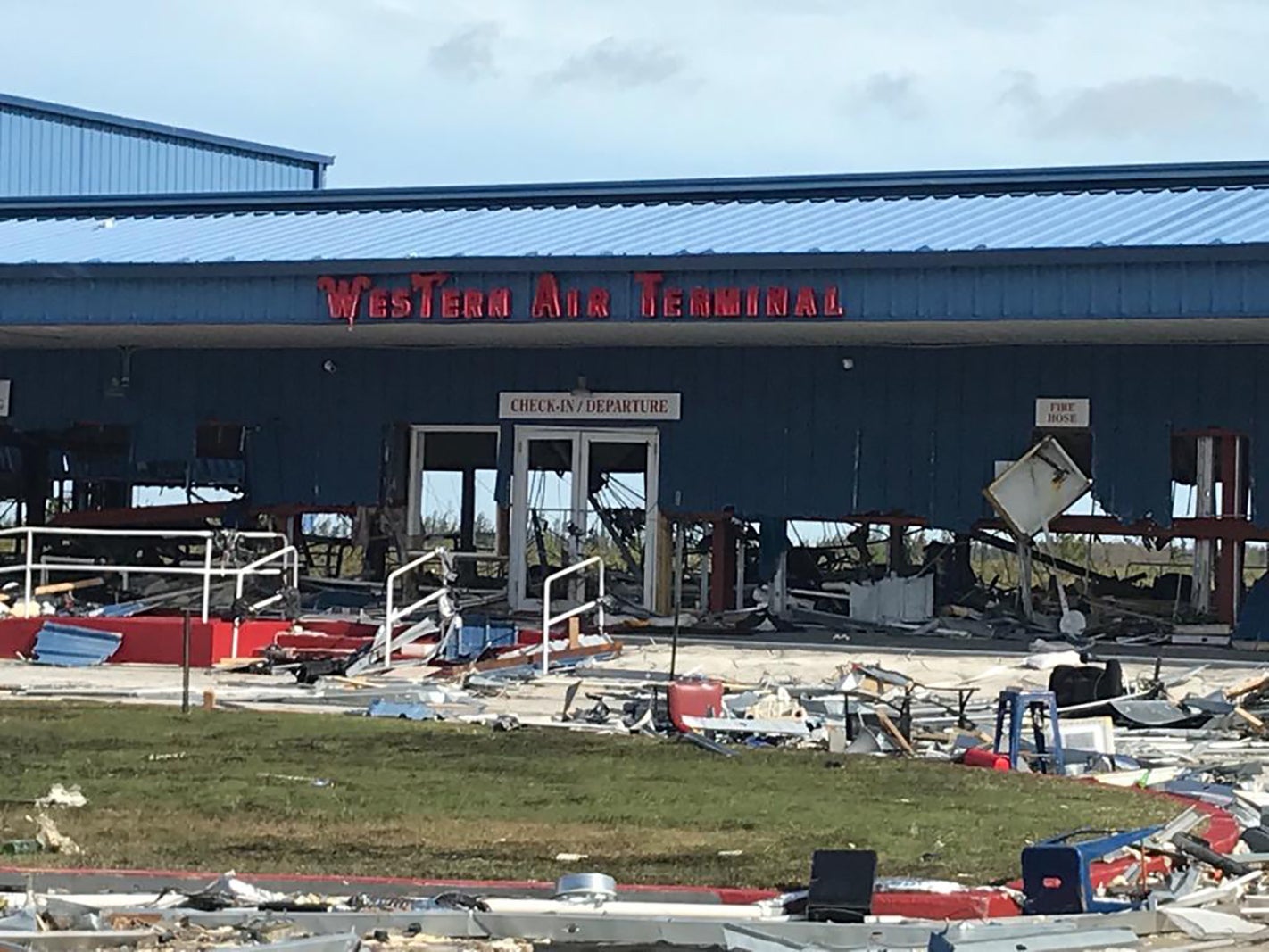
The hurricane caused serious damage to many airports in the Bahamas. It affected runways, terminals, and support buildings.
Airports are key for travel and supplies. Understanding the damage helps plan recovery and aid delivery.
Extent Of Damage To Infrastructure
Many airports suffered from flooding, roof damage, and broken equipment. Some runways were cracked or covered with debris.
- Terminals had broken windows and water damage.
- Control towers lost power or were damaged.
- Fuel storage tanks were at risk of spills.
- Communication lines were down in several locations.
Immediate Effects On Airport Operations
Airport services stopped right after the hurricane. Flights were canceled and staff could not work safely.
| Airport | Status | Operations Resumed |
| Grand Bahama Intl | Severe damage | Two weeks later |
| Lynden Pindling Intl | Moderate damage | One week later |
| Marsh Harbour | Severe flooding | Three weeks later |
| Exuma Intl | Minor damage | Three days later |
Surviving Airports
The Bahamas faced a strong hurricane that caused damage across the islands. Many airports were affected by the storm’s power.
Some airports stayed open and functional after the hurricane. These surviving airports helped with rescue and aid efforts.
Airports That Withstood The Storm
Several airports in the Bahamas remained operational after the hurricane. Their runways and terminals had little or no damage.
- Lynden Pindling International Airport in Nassau
- Grand Bahama International Airport
- Marsh Harbour Airport on Abaco Island
These airports handled emergency flights and helped bring supplies to affected areas. Their survival was key for relief work.
Factors Contributing To Their Resilience
Strong building designs helped airports survive the storm. Structures were made to resist high winds and flooding.
Good location also played a role. Airports built on higher ground faced less flood damage.
- Modern construction materials used in buildings
- Elevated runways and terminals
- Regular maintenance before storm season
- Effective drainage systems to prevent flooding
The combination of these factors made the airports strong. They kept working despite the hurricane’s force.
Airports That Faced Severe Damage
The recent hurricane caused serious harm to several airports in the Bahamas. Many facilities were damaged by strong winds and flooding. This affected airport operations and travel plans for many people.
Understanding which airports were hit hard helps us see the scale of the disaster. It also shows the challenges faced in fixing the damage.
Airports That Were Closely Affected
Several airports suffered major damage. These airports faced roof collapses, flooded runways, and power outages. The damage forced some airports to close for days or weeks.
- Grand Bahama International Airport had runway flooding and terminal damage.
- Marsh Harbour Airport lost power and had broken windows.
- Exuma International Airport faced roof damage and flooding in the control tower.
- North Eleuthera Airport experienced runway cracks and water damage.
- Andros Town Airport had severe damage to its passenger terminal.
Challenges Faced In Recovery
Recovering from the hurricane was not easy. Airports had to deal with many problems before reopening. These included clearing debris and fixing electrical systems.
| Challenge | Description |
| Debris Removal | Clearing fallen trees and damaged structures from runways and terminals |
| Power Restoration | Fixing damaged electrical lines and backup generators |
| Structural Repairs | Replacing roofs, windows, and walls damaged by wind and rain |
| Communication Systems | Restoring radios and internet for air traffic control |
| Safety Checks | Inspecting runways and equipment for safe use |
Recovery And Rebuilding Efforts
The hurricanes that hit the Bahamas caused serious damage to many airports. Recovery took a lot of work and time. The government and other groups worked hard to fix the airports and help the islands return to normal.
Rebuilding airports is important for travel, trade, and emergency aid. Many efforts focused on clearing debris, repairing runways, and restoring services quickly.
Government And International Aid
The Bahamas government teamed up with international groups to repair airports. They got funds, equipment, and expert help. This support sped up the recovery process.
- The government secured emergency funds for airport repairs.
- International organizations sent engineers and supplies.
- Neighboring countries offered technical and financial aid.
- Local workers were trained to rebuild and maintain facilities.
- Safety checks were done to meet global standards.
Timeline For Restoration
Airport restoration followed a clear timeline. Some airports reopened in weeks. Others took months to fully recover. The progress depended on damage and aid availability.
| Airport | Initial Damage | Reopened To Flights | Full Restoration |
| Grand Bahama International | Severe | 8 weeks | 6 months |
| Lynden Pindling International | Moderate | 4 weeks | 4 months |
| Marsh Harbour Airport | Severe | 10 weeks | 7 months |
| North Eleuthera Airport | Minor | 2 weeks | 2 months |
Lessons Learned
The recent hurricane in the Bahamas tested airport safety and strength. Some airports survived while others faced damage.
We can learn from what happened to prepare better for future storms. Airports play a key role in disaster response and recovery.
Improving Airport Infrastructure
Strong buildings and runways help airports survive hurricanes. Using better materials can reduce damage.
Raising electrical systems above flood levels keeps airports operational during storms.
- Use storm-resistant building materials
- Elevate electrical and communication equipment
- Strengthen windows and doors to resist wind
- Improve drainage around runways and terminals
Preparing For Future Storms
Planning and training are key to airport safety in storms. Staff must know how to act before, during, and after hurricanes.
Airports need clear emergency plans and regular drills to reduce risks.
- Create detailed hurricane response plans
- Train staff for emergency procedures
- Keep emergency supplies ready
- Work with local authorities for quick help
Impact On Travel And Economy
The recent hurricane in the Bahamas caused severe damage to many airports. Only a few airports remained operational after the storm. This situation greatly affected travel and the economy in the region.
Airports are essential for bringing tourists and goods to the islands. Damage to these facilities stops flights and hurts local businesses.
Effect On Tourism
Tourism is a major part of the Bahamas’ economy. Closed airports mean fewer visitors can arrive. This reduces hotel bookings and tour activities.
Many tourists canceled trips because of travel issues. The lack of airport services slowed down the recovery of the tourism sector.
- Flight cancellations caused fewer tourists
- Hotels lost customers due to travel problems
- Local tours and activities saw less business
- Airport damage delayed tourism growth
Long-term Economic Implications
Airport damage has lasting effects on the Bahamas’ economy. Repairing airports requires time and money. This slows down trade and travel for months.
Local jobs linked to tourism and transport are at risk. Reduced income for businesses means the whole economy feels the impact.
- Costly airport repairs delay economic recovery
- Less trade lowers income for local businesses
- Job losses affect families and communities
- Slow travel reduces new investment in the region

Credit: ca.news.yahoo.com

Credit: globalnews.ca
Frequently Asked Questions
How Many Airports Survived The Hurricane In The Bahamas?
Several airports in the Bahamas remained operational after the hurricane. Major airports like Lynden Pindling International Airport survived with minimal damage. Others sustained varying degrees of impact but quickly resumed services to support relief efforts.
Which Bahamas Airports Were Most Affected By The Hurricane?
Smaller regional airports experienced more severe damage. Airports on less protected islands had runway and terminal damages. Recovery efforts focused on restoring these critical points for aid and transportation.
How Did The Airports Manage Hurricane Aftermath In The Bahamas?
Airports implemented emergency protocols before the hurricane hit. Post-storm, they prioritized runway clearance and infrastructure repair. Coordination with government and aid agencies ensured swift resumption of flights and humanitarian support.
Are Bahamas Airports Fully Operational After The Hurricane?
Most major airports in the Bahamas are now fully operational. Some smaller airports are still undergoing repairs but expect reopening soon. Continuous monitoring ensures safety and efficiency in airport operations post-hurricane.
Conclusion
The Bahamas faced strong hurricane winds this season. Some airports stayed open and ready for flights. Others needed repairs before they could welcome travelers again. Airports play a key role in bringing help and supplies quickly. Knowing which airports survived helps plan future trips safely.
The recovery shows the strength and resilience of the islands. Travelers and locals can feel hopeful as services return. Staying informed about airport status keeps everyone prepared and safe. The Bahamas will rise again, stronger and more connected.