Can a Hummingbird Survive in Cold Weather: Stunning Survival Secrets
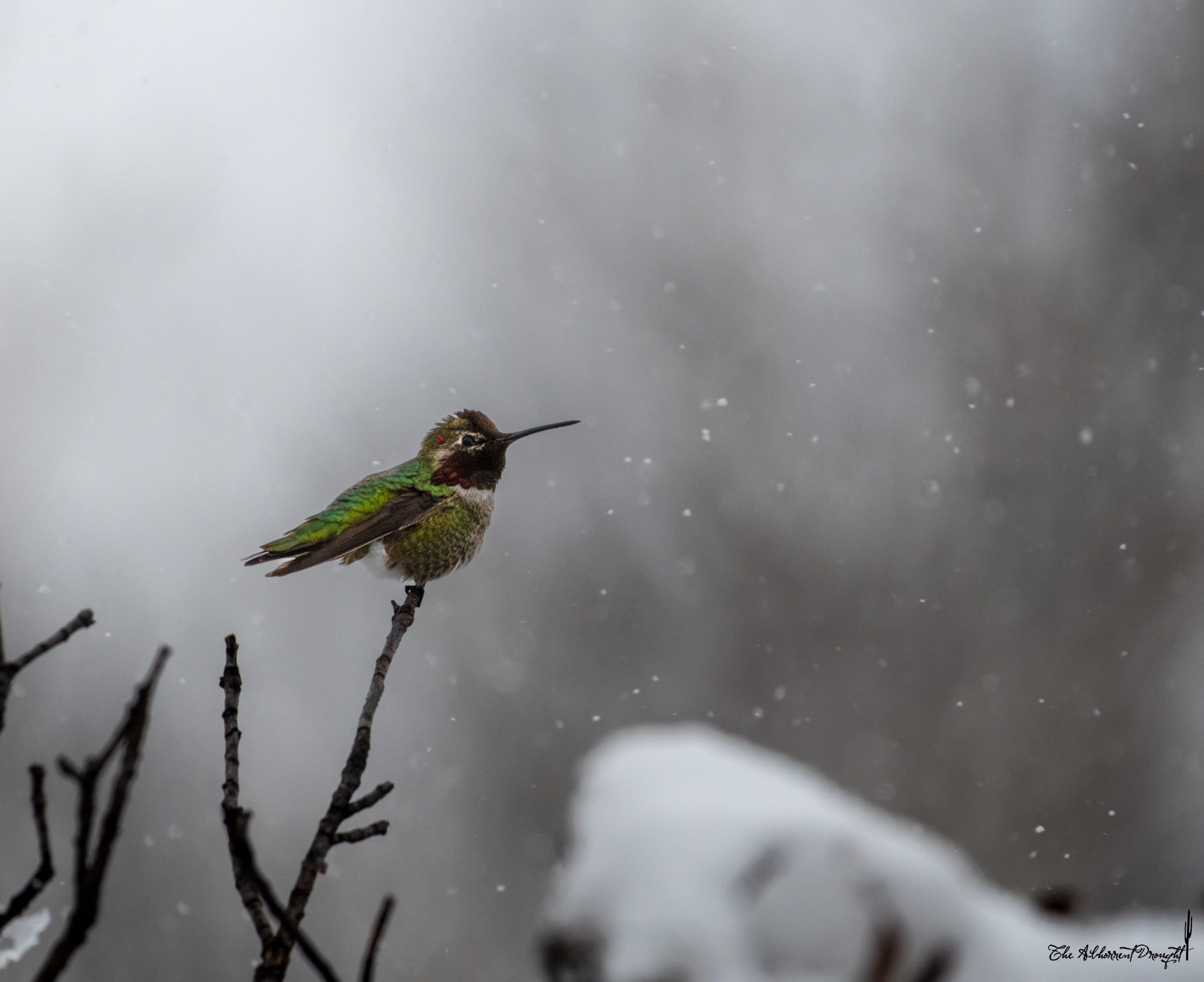
Imagine spotting a tiny hummingbird flitting around your garden, its vibrant colors a blur of activity. You might wonder, with their delicate nature, can these little creatures really survive when temperatures drop?
As winter approaches, you may find yourself asking if hummingbirds can withstand cold weather. This question is more than just a curiosity; it’s a glimpse into the resilience and adaptability of nature’s marvels. Understanding how these birds navigate chilly climates can help you appreciate their incredible survival skills and ensure that your backyard remains a haven for them all year round.
Dive into this article to uncover the surprising secrets of how hummingbirds brave the cold, and discover what you can do to support their journey.
Hummingbird Habitats And Climate
Hummingbirds live in many places across the Americas. Their habitats range from warm tropical areas to cooler mountain regions. Understanding how climate affects them helps us learn if they can survive cold weather.
Cold weather can be hard on small birds like hummingbirds. Their tiny bodies lose heat fast. This makes their homes and climate very important for their survival.
Typical Temperature Ranges
Hummingbirds usually live where temperatures stay mild. Most species prefer areas where the temperature ranges from 50°F to 85°F (10°C to 29°C). Some can tolerate cooler climates near mountains.
| Habitat Type | Typical Temperature Range |
| Tropical Forests | 70°F to 85°F (21°C to 29°C) |
| Mountain Regions | 40°F to 70°F (4°C to 21°C) |
| Deserts | 50°F to 90°F (10°C to 32°C) |
| Urban Areas | 55°F to 80°F (13°C to 27°C) |
Migration Patterns And Cold Avoidance
Hummingbirds avoid cold by migrating. They fly south to warmer places in winter. This helps them find food and survive low temperatures.
- Most North American hummingbirds migrate to Mexico or Central America.
- They time migration with the availability of flowers and insects.
- Some species enter a state called torpor to save energy during cold nights.
- Torpor allows them to lower their body temperature temporarily.

Credit: medium.com
Physical Adaptations To Cold
Hummingbirds face tough challenges in cold weather. Their small bodies lose heat quickly. They have special features to survive the cold.
These physical adaptations help hummingbirds keep warm. They protect the birds from freezing temperatures.
Feather Insulation
Hummingbirds have dense feathers that trap heat. The feathers create a warm layer around their bodies. This stops cold air from reaching their skin.
They fluff up their feathers to add extra insulation. This makes a thick air pocket that keeps them warm. Feather insulation is very important in cold weather.
Body Size And Heat Retention
Hummingbirds are very small, which makes heat loss faster. To save heat, they reduce their body activity at night. This helps them keep more warmth.
They use a special state called torpor. In torpor, their body temperature drops, and they use less energy. This helps them survive cold nights with little food.
Torpor: The Survival Mechanism
Hummingbirds face cold weather challenges because they are small and use a lot of energy. To survive cold nights, they enter a state called torpor.
Torpor helps hummingbirds lower their body temperature and slow down their metabolism. This saves energy and helps them survive when food is scarce.
How Torpor Works
During torpor, a hummingbird’s body temperature drops significantly. Its heartbeat and breathing slow down too. This state is like a deep rest.
The bird’s muscles relax, and it stays very still. This helps it use much less energy than when it is awake and active.
Energy Conservation Benefits
Torpor lets hummingbirds save energy during cold nights. They use up to 95% less energy than normal. This is important because food is hard to find in cold weather.
By saving energy, they can survive until warmer days return. Without torpor, hummingbirds would need to eat constantly to stay alive.
Triggers For Entering Torpor
Hummingbirds enter torpor when the temperature drops or food is scarce. They may also use torpor if they feel tired or stressed.
- Cold night temperatures
- Low availability of nectar
- Exhaustion from flying
- Stress or illness

Credit: medium.com
Behavioral Strategies In Cold Weather
Hummingbirds face challenges in cold weather. They use special behaviors to survive the cold.
These behaviors help them save energy and stay warm during chilly times.
Seeking Shelter
Hummingbirds find safe places to rest when it is cold. They hide in thick bushes or trees.
They also use natural shelters like tree cavities or leaves. These places protect them from wind and rain.
- Use dense shrubs or evergreens for cover
- Rest inside tree holes or under large leaves
- Avoid open areas to reduce heat loss
Adjusting Feeding Habits
Hummingbirds eat more before cold nights. They gather extra food to build fat stores.
They also visit flowers early in the day. This helps them get energy to stay warm.
- Feed heavily during warm daylight hours
- Visit flowers and feeders often
- Store energy to survive cold nights
Challenges Of Cold Weather For Hummingbirds
Hummingbirds face many problems when the weather turns cold. Their small size and high energy needs make winter hard.
Cold weather means less food and danger from low temperatures. These birds must find ways to survive the harsh conditions.
Food Scarcity
Hummingbirds eat nectar and small insects to get energy. Cold weather causes flowers to stop blooming.
Without flowers, food becomes very hard to find. This lack of food can make hummingbirds weak and tired.
- Fewer flowers mean less nectar
- Insects become less active in cold
- Energy shortage can reduce survival chances
Risk Of Hypothermia
Hummingbirds have fast metabolisms to keep warm. Cold weather can lower their body temperature quickly.
When they get too cold, hummingbirds can suffer hypothermia. This condition can slow them down and cause death.
- Low temperatures drain energy fast
- Hummingbirds enter torpor to save energy
- Torpor helps but also makes them vulnerable
Impact On Reproduction
Cold weather affects hummingbird breeding cycles. Less food and colder nights reduce their ability to reproduce.
Birds may delay nesting or have fewer young. This lowers the chance of population growth during cold seasons.
- Shorter breeding seasons in cold areas
- Lower food supply affects egg laying
- Young birds need warmth and food to survive
Human Influence And Protection Efforts
Hummingbirds face tough challenges in cold weather. People can help them survive by changing their habits.
This article explains how humans provide food and safe places for hummingbirds during cold times.
Providing Food Sources
Hummingbirds need energy to keep warm. People can offer food to support them in cold weather.
- Plant native flowers that bloom late in the season
- Use sugar water feeders with fresh nectar
- Keep feeders clean to prevent disease
- Place feeders in sheltered areas to protect from wind
- Refill feeders regularly during cold spells
Creating Safe Habitats
Hummingbirds need shelter to stay safe from cold and predators. People can help by creating good habitats.
| Habitat Feature | Benefit for Hummingbirds |
| Dense shrubs | Protect from wind and cold |
| Evergreen trees | Provide year-round shelter |
| Natural nesting sites | Safe place for raising young |
| Minimized pesticide use | Healthier environment |
Credit: www.nationalgeographic.com
Frequently Asked Questions
Can Hummingbirds Survive Freezing Temperatures?
Hummingbirds survive cold by entering torpor, a deep sleep state that lowers metabolism. This conserves energy and body heat during freezing nights.
How Do Hummingbirds Stay Warm In Winter?
Hummingbirds fluff their feathers to trap heat and seek sheltered spots. They also eat high-energy nectar to maintain body warmth.
Do Hummingbirds Migrate To Avoid Cold Weather?
Yes, most hummingbirds migrate to warmer areas during winter. Migration helps them find food and avoid harsh cold conditions.
What Happens If Hummingbirds Face Sudden Cold Spells?
Sudden cold can be fatal if hummingbirds can’t enter torpor or find shelter. They rely heavily on weather patterns for survival.
Conclusion
Hummingbirds face many challenges in cold weather. They use special ways to stay warm and save energy. Some can survive by slowing their heartbeat and resting deeply. Yet, very cold temperatures can be dangerous for them. Many hummingbirds migrate to warmer places during winter.
Nature has given them tools to survive, but not all can handle the cold. Watching these tiny birds shows how strong and smart they are. Their survival depends on weather and food availability. Protecting their habitats helps hummingbirds live through tough seasons.