Do Gnats Survive in Cold Weather: Shocking Truth Revealed
As the temperature drops and you start pulling out your cozy sweaters, you might wonder what happens to those pesky gnats that buzzed around all summer long. Do gnats survive in cold weather, or do they vanish with the first frost?
If you’re curious about the fate of these tiny insects when winter arrives, you’re in the right place. Understanding their survival tactics not only satisfies your curiosity but can also help you manage these pests in your home or garden.
So grab a warm drink, settle in, and let’s uncover the intriguing survival secrets of gnats in cold weather. You might be surprised by what you learn!

Credit: extension.colostate.edu
Gnat Biology And Lifecycle
Gnats are tiny flying insects found in many places. They often live near water and damp areas. Understanding their biology helps us know how they survive cold weather.
Gnats go through several life stages. Each stage has different needs and behaviors. Learning about these stages shows how they adapt to their environment.
Basic Anatomy Of Gnats
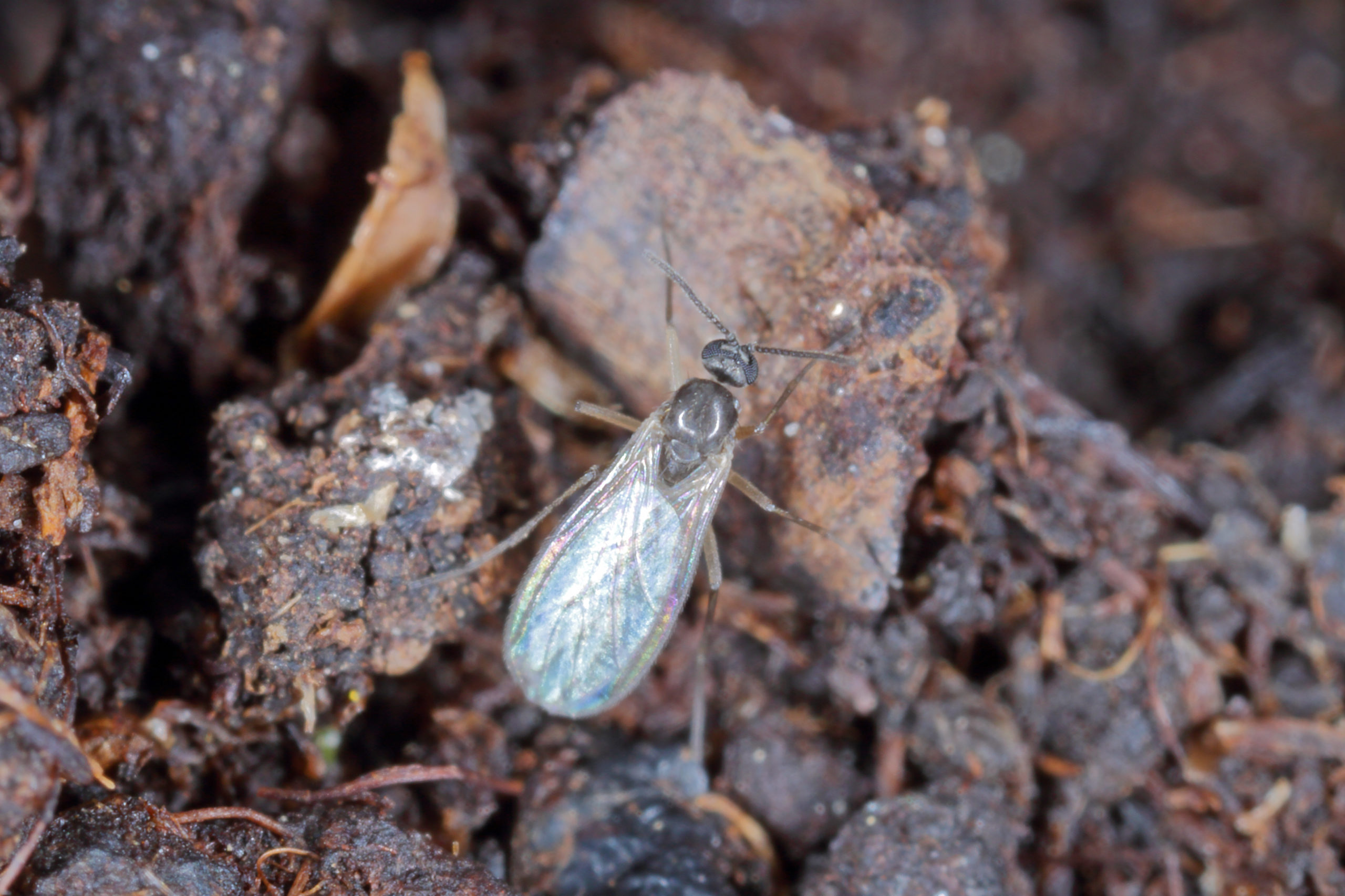
Gnats have small, thin bodies that help them fly easily. Their bodies have three main parts: head, thorax, and abdomen. They have two wings and six legs.
Their heads have antennae that sense smells and help them find food. Their eyes are large for their size, giving them good vision. Their mouthparts help them feed on plants or other insects.
- Head: antennae, eyes, mouthparts
- Thorax: wings and legs attach here
- Abdomen: holds digestive and reproductive organs
Stages Of Gnat Development
Gnats pass through four main stages in their life cycle. These are egg, larva, pupa, and adult. Each stage lasts different amounts of time.
Eggs hatch into larvae, which live in moist places. Larvae eat organic material to grow. Then, they become pupae before turning into flying adults.
- Egg: laid near water or damp soil
- Larva: worm-like, feeds on organic matter
- Pupa: inactive stage, transforms inside
- Adult: small flying insect, ready to reproduce
Reproduction Patterns
Adult gnats mate soon after they emerge. Females lay many eggs to increase survival chances. They usually choose wet and warm spots for laying eggs.
Gnats can reproduce quickly. This rapid reproduction helps them survive in changing conditions. Cold weather slows their activity and egg laying.
- Adults mate shortly after hatching
- Females lay eggs in moist areas
- Many eggs increase survival chances
- Cold weather reduces reproduction rates
Credit: greenpestservices.net
Effects Of Cold On Gnats
Gnats are small flying insects that live in many places. Cold weather affects their ability to survive and behave.
Understanding how cold changes gnats helps control their population and prevent bites.
Temperature Thresholds For Survival
Gnats survive best in warm temperatures. When the temperature drops below a certain point, they struggle to live.
Most gnats cannot survive if the temperature falls below 32°F (0°C) for long. Some species may resist cold a bit more.
- Above 50°F (10°C): Gnats thrive and reproduce quickly
- 32°F to 50°F (0°C to 10°C): Gnats become less active
- Below 32°F (0°C): Most gnats die or go dormant
Behavioral Changes In Cold
When temperatures drop, gnats change how they act. They move less to save energy during cold times.
Gnats often hide in warm places like soil, plants, or inside buildings to survive cold weather.
- Gnats stop flying and stay still
- They seek shelter in protected areas
- Reproduction slows or stops
Cold-induced Mortality Rates
Cold weather increases death rates in gnats. Many cannot survive long freezes or very cold nights.
Some gnats die quickly, while others survive by entering a dormant state until it warms up again.
- Short cold spells cause moderate deaths
- Long freezes kill most of the population
- Dormant gnats survive better but stop growing
Gnat Adaptations To Winter
Gnats face cold weather challenges like freezing temperatures and less food. They have special ways to survive the winter season. These adaptations help them live through harsh conditions.
This article explains how gnats use hibernation, find safe places, and adjust their body functions to survive cold weather.
Hibernation And Dormancy
Gnats enter a state of dormancy to save energy during winter. They slow down their activity and stop growing. This helps them avoid freezing and lack of food.
During hibernation, gnats hide in safe spots and wait for warmer days. This resting period is vital for their survival.
Microhabitats For Protection
Gnats find small, sheltered places to stay safe from cold winds and frost. These microhabitats include leaf litter, soil cracks, and tree bark.
- Underneath fallen leaves
- Inside rotting wood
- Within dense moss or grass
- In cracks of rocks or soil
These spots keep gnats warm and shielded from harsh weather.
Physiological Adjustments
Gnats change their body chemistry to survive cold. They produce special proteins and sugars that act like antifreeze.
| Adjustment | Function |
| Antifreeze proteins | Prevent ice crystals in cells |
| Glycerol production | Lower freezing point of body fluids |
| Reduced metabolism | Save energy during scarce food supply |
These changes help gnats avoid damage and stay alive until spring.
Impact Of Climate On Gnat Populations
Gnats are small flying insects that often appear in large numbers. Their survival and population size depend on the climate around them. Cold weather can influence how many gnats live and breed in an area.
Understanding how climate affects gnats helps us learn when they are most active. It also shows how changes in weather patterns can change their numbers.
Seasonal Population Fluctuations
Gnat populations change with the seasons. They usually grow in warm months and drop in cold months. Cold temperatures slow down their life cycle and reduce their numbers.
- Spring and summer bring more gnats due to warm weather.
- Fall sees a decrease as temperatures drop.
- Winter often causes gnat numbers to fall sharply.
Climate Change Effects
Climate change changes temperatures and weather patterns. This affects where gnats can live and how many there are. Warmer winters can let gnats survive longer than before.
| Climate Change Factor | Effect on Gnats |
|---|---|
| Warmer Winters | More gnats survive through winter |
| Longer Summers | Extended breeding periods |
| Increased Rainfall | More breeding sites available |
| Drier Conditions | Fewer breeding areas, lower populations |
Regional Variations In Survival
Gnats survive differently in various regions. Cold regions see fewer gnats in winter. Warm regions may have gnats year-round. Local climate and environment shape these differences.
- In northern areas, gnats mostly appear in summer.
- In southern areas, gnats can be active all year.
- Mountain regions may have fewer gnats due to cold.
- Wetlands support large gnat populations.
Preventing Gnat Infestations Year-round
Gnats can be a nuisance inside and outside your home. They can survive cold weather by hiding in warm places.
To stop gnats all year, you need to control them indoors and outdoors. Using natural predators can also help.
Indoor Control Techniques
Keep your home clean and dry to avoid attracting gnats. Remove standing water and fix leaks quickly.
Use screens on windows and doors to stop gnats from entering. Clean drains and garbage areas often.
- Remove overripe fruit and food scraps
- Use vinegar traps to catch flying gnats
- Keep houseplants healthy and avoid overwatering
- Seal cracks and gaps in walls and windows
Outdoor Habitat Management
Gnats breed in moist soil and decaying plants outside. Keep your yard clean and dry to reduce them.
Clear away leaves, grass clippings, and other organic waste. Avoid overwatering your lawn and garden.
- Remove standing water from pots and gutters
- Keep compost bins covered and turned regularly
- Trim tall grass and weeds near your home
- Fill holes or damp spots where water collects
Use Of Natural Predators
Some animals eat gnats and help control their numbers naturally. Introducing these predators can lower infestations.
Birds, bats, and certain insects are common gnat eaters. You can attract them by providing shelter and food.
- Install birdhouses to attract insect-eating birds
- Plant flowers that attract ladybugs and dragonflies
- Encourage bats by adding bat boxes outside

Credit: extension.colostate.edu
Frequently Asked Questions
Do Gnats Die In Cold Weather?
Gnats generally do not survive freezing temperatures. Cold weather halts their activity and often kills adult gnats. However, some gnats survive as larvae in protected areas until warmer weather returns.
How Do Gnats Survive Winter Cold?
Gnats survive winter by laying eggs or as larvae in soil and organic matter. These stages can endure cold conditions. Adults rarely survive freezing temperatures but larvae resume development when temperatures rise.
Can Cold Weather Reduce Gnat Populations?
Yes, cold weather can significantly reduce gnat populations. Freezing temperatures kill many adult gnats and delay larval growth. This natural reduction helps control gnat numbers during colder months.
Do Gnats Come Back After Winter?
Gnats often return after winter when temperatures warm up. Surviving larvae mature into adults, restarting the gnat life cycle. Warm, moist environments promote their resurgence in spring and summer.
Conclusion
Gnats have some ways to survive cold weather. They hide in warm places or lay eggs that wait for spring. Cold does slow them down but does not always kill them. Understanding their habits helps control them better. Keep your home clean and dry to stop gnats from staying.
Remember, cold weather is not a full solution but part of managing these pests. Stay aware and act early to keep gnats away year-round.