How Does New York City Survive Hurricanes: Inside Its Resilient Defense
Picture this: You’re in the heart of New York City, surrounded by the hustle and bustle of one of the world’s most vibrant cities. But then, the skies darken, the wind picks up, and the unmistakable signs of an approaching hurricane emerge.
How does a city so full of life, energy, and towering skyscrapers stand firm against such powerful forces of nature? It’s a question that might have crossed your mind if you’ve ever thought about the resilience of this iconic metropolis.
We’ll uncover the fascinating strategies and measures New York City employs to weather the storm and ensure safety and continuity. You’ll discover the behind-the-scenes efforts that keep the city running, even when Mother Nature throws her worst at it. If you’re curious about how this urban giant manages to survive and thrive despite the odds, you’re in the right place. Let’s dive into the captivating world of NYC’s hurricane resilience.

Credit: www.foodengineeringmag.com
Hurricane Risks In New York City
New York City faces serious risks from hurricanes. These storms can bring strong winds, heavy rain, and flooding.
Understanding how hurricanes affect the city helps residents stay safe and prepare better.
Historical Hurricane Impacts
Several hurricanes have hit New York City in the past. They caused damage to homes, roads, and power lines.
- Hurricane Sandy in 2012 flooded large areas and cut power for days.
- Hurricane Irene in 2011 caused heavy rain and some flooding.
- Older storms also brought strong winds and coastal flooding.
Vulnerable Neighborhoods
Low-lying areas near water face the highest risk from hurricanes. Flooding can damage homes and block roads.
| Neighborhood | Risk Type | Notes |
| Lower Manhattan | Flooding | Near rivers and coastline |
| Staten Island | Storm surge | Coastal area with low elevation |
| Queens Waterfront | Flooding | Close to East River |
| Brooklyn Shoreline | Storm surge | Exposed to Atlantic Ocean |
Climate Change Effects
Climate change makes hurricanes stronger and more frequent. Sea levels rise, increasing flood risks.
Here are some climate change effects on hurricanes in New York City:
- Warmer ocean water fuels stronger storms.
- Higher sea levels push water further inland.
- More heavy rain leads to flash flooding.
- Longer hurricane seasons increase risk times.
Citywide Preparedness Plans
New York City has strong plans to face hurricanes. The city works to keep everyone safe. These plans cover many steps before, during, and after storms.
Citywide preparedness involves clear strategies, safe evacuation routes, and public information. These help reduce damage and protect people.
Emergency Response Strategies
The city has teams ready to act when a hurricane hits. Emergency workers include police, firefighters, and medical staff. They coordinate to help people fast.
- Set up command centers to manage the storm
- Monitor weather and issue alerts
- Clear debris and open roads quickly
- Provide medical care to those in need
- Restore power and essential services
Evacuation Routes And Shelters
New York City plans safe paths to move people away from danger. The city has many shelters with food, water, and beds.
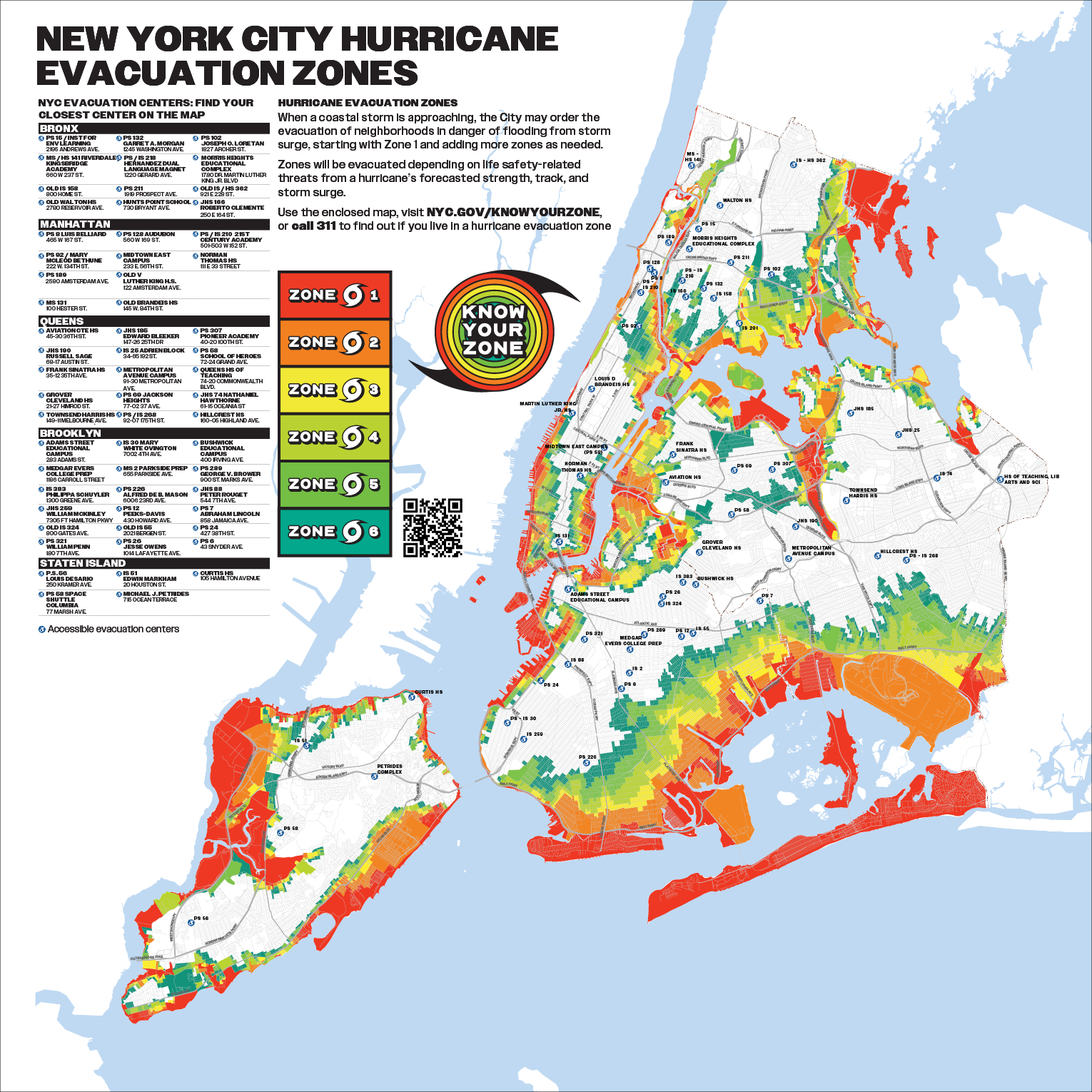
| Zone | Primary Evacuation Route | Shelter Location |
| Zone A | FDR Drive | PS 89 School |
| Zone B | West Side Highway | Community Center 12 |
| Zone C | Grand Central Parkway | High School 101 |
Public Awareness Campaigns
The city shares important safety tips before hurricanes. Campaigns use TV, radio, and social media to reach people. They teach how to prepare and where to go.
Key Messages in Campaigns:
- Check emergency kits at home
- Know your evacuation zone
- Sign up for city alerts
- Keep important documents safe
- Follow official instructions
Infrastructure Upgrades
New York City has made many changes to its infrastructure. These upgrades help the city handle hurricanes better.
Strong buildings and smart systems protect people and property from storm damage.
Flood Barriers And Sea Walls
The city builds flood barriers and sea walls to block rising water from storms. These structures stop water from flooding streets and homes.
Many barriers are movable. They stay open for ships but close when a storm comes.
Stormwater Management Systems
Stormwater systems help drain rain and floodwater quickly. They reduce water buildup and lower flood risk in neighborhoods.
- Large underground tunnels carry water away fast
- Pumps remove water from low areas
- Green spaces soak up rainwater naturally
- Improved sewer lines handle heavy storms
Power Grid Reinforcements
The power grid is stronger now. It can keep the lights on during storms.
| Upgrade Type | Purpose |
| Underground power lines | Protect wires from wind and water |
| Backup generators | Provide power if main grid fails |
| Smart grid technology | Fix outages faster and improve safety |
| Tree trimming near lines | Prevent outages from falling branches |
Role Of Technology And Innovation
New York City uses technology to stay safe during hurricanes. Innovation helps the city prepare and respond quickly.
Technology gives officials data to make smart decisions. It also helps warn and protect people in the city.
Early Warning Systems
Early warning systems send alerts before a hurricane hits. These alerts help people get ready and stay safe.
The city uses weather satellites and computer models. These tools predict storms and their paths well in advance.
- Weather satellites track storm formation
- Computer models estimate hurricane paths
- Emergency alerts sent by phone and media
Real-time Monitoring Tools
Real-time monitoring tools track storms as they approach. They give up-to-date information on wind, rain, and flooding.
These tools include sensors and cameras placed around the city. They help emergency teams respond quickly to changes.
- Flood sensors measure water levels
- Cameras monitor key streets and areas
- Wind sensors track storm strength
Smart City Solutions
Smart city solutions use technology to manage resources during hurricanes. They improve communication and reduce damage.
Examples include smart traffic lights and emergency apps. These tools help people move safely and get timely help.
- Smart traffic lights clear evacuation routes
- Emergency apps provide updates and tips
- Energy grids adjust to prevent power outages
Community Engagement And Support
New York City relies on strong community ties to face hurricanes. People come together to help each other during these tough times.
Community groups and volunteers play a key role in keeping the city safe and helping it recover after storms.
Local Volunteer Networks
Many local volunteer groups organize before and during hurricanes. They help spread information and assist vulnerable neighbors.
- Neighborhood watch teams check on elderly residents.
- Volunteer groups help set up emergency shelters.
- Local churches and clubs provide support and supplies.
Resource Distribution
After a hurricane, distributing food, water, and supplies is critical. The city and volunteers work together to reach all areas.
| Resource | Distribution Point | Who Helps |
| Bottled Water | Community Centers | Local Volunteers |
| Non-Perishable Food | Emergency Shelters | Red Cross and Volunteers |
| Blankets and Clothing | Relief Stations | Charities and Volunteers |
Post-storm Recovery Efforts
Recovery after a hurricane takes time and teamwork. Community members help clean up and rebuild homes.
- Clear debris from streets and yards.
- Check on neighbors and offer help.
- Support local businesses in reopening.
- Attend community meetings to plan next steps.

Credit: www.nyc.gov
Lessons From Past Storms
New York City faces many hurricanes and storms. Each storm teaches the city how to prepare better. Learning from past storms helps save lives and property.
Storms show the city’s strengths and weaknesses. Officials and residents use these lessons to improve safety and response plans.
Sandy’s Impact And Recovery
Hurricane Sandy hit New York City hard in 2012. It caused flooding, power outages, and damage to homes and roads. Many people lost their homes or had to leave.
After Sandy, the city worked fast to rebuild. They fixed damaged buildings and improved emergency services. Recovery took years but made the city stronger.
- Flood barriers were built to protect low areas
- Power systems were upgraded to avoid outages
- Evacuation plans were improved for faster response
Improvements Since Previous Hurricanes
New York City learned from storms before Sandy. The city improved its flood maps and built stronger seawalls. They also created better warning systems for residents.
Emergency crews practice drills often. Schools and hospitals now have plans to keep people safe during storms. These actions help reduce damage and save lives.
- Stronger building codes to resist wind and water
- Better public communication during emergencies
- More green spaces to absorb rainwater
Ongoing Challenges
Despite improvements, New York City still faces risks from hurricanes. Rising sea levels make flooding worse. Some neighborhoods remain vulnerable to storms.
The city needs to keep upgrading its defenses. More funding and planning are needed to protect all residents. Climate change makes storms stronger and more frequent.
- Protecting low-lying and poor neighborhoods
- Updating infrastructure to handle stronger storms
- Educating residents about storm risks and safety

Credit: www.nyc.gov
Frequently Asked Questions
How Does New York City Prepare For Hurricanes?
New York City prepares through early warnings, emergency drills, and public awareness campaigns. Authorities reinforce infrastructure and coordinate evacuation plans to protect residents and property.
What Infrastructure Protects Nyc From Hurricane Flooding?
NYC uses seawalls, storm surge barriers, and upgraded drainage systems. These structures reduce flood risks and minimize damage during hurricanes and heavy storms.
How Does Nyc’s Emergency Response Work During Hurricanes?
The city’s emergency response includes coordinated rescue teams, shelters, and real-time communication. Officials prioritize safety and quick recovery through well-organized disaster management.
Why Is Evacuation Important In New York City Hurricanes?
Evacuation ensures residents leave high-risk zones before flooding or wind damage. It reduces casualties and allows emergency services to focus on critical areas.
Conclusion
New York City stays strong during hurricanes by planning well ahead. The city uses smart designs and strong buildings to protect people. Emergency teams act fast to keep everyone safe. Warning systems help residents prepare and respond quickly. Flood barriers and pumps reduce water damage.
Everyone works together to face the storms. This teamwork and preparation help the city recover fast. New York shows how cities can stay safe in tough weather.