Can German Shepherds Survive in Cold Weather? Essential Tips
Are you a proud owner of a German Shepherd or considering bringing one into your home? If so, you might be wondering how well these intelligent and loyal dogs handle cold weather.
Understanding how your furry friend responds to chilly climates is crucial, especially if you live in an area with harsh winters. After all, ensuring their comfort and health is a top priority for any pet owner. You’ll discover the surprising resilience of German Shepherds to cold weather and learn practical tips to keep them safe and happy during the colder months.
By the end, you’ll feel confident in your ability to provide the best care for your German Shepherd, no matter how low the temperatures drop. Keep reading to uncover the secrets to keeping your canine companion cozy all winter long.
Cold Weather Traits
German Shepherds are known for their strength and intelligence. Their ability to live in cold weather depends on special traits. These traits help keep them warm and safe.
Understanding these cold weather traits can help owners care for their dogs better during winter months. Two key areas are their natural coat advantages and body adaptations.
Natural Coat Advantages
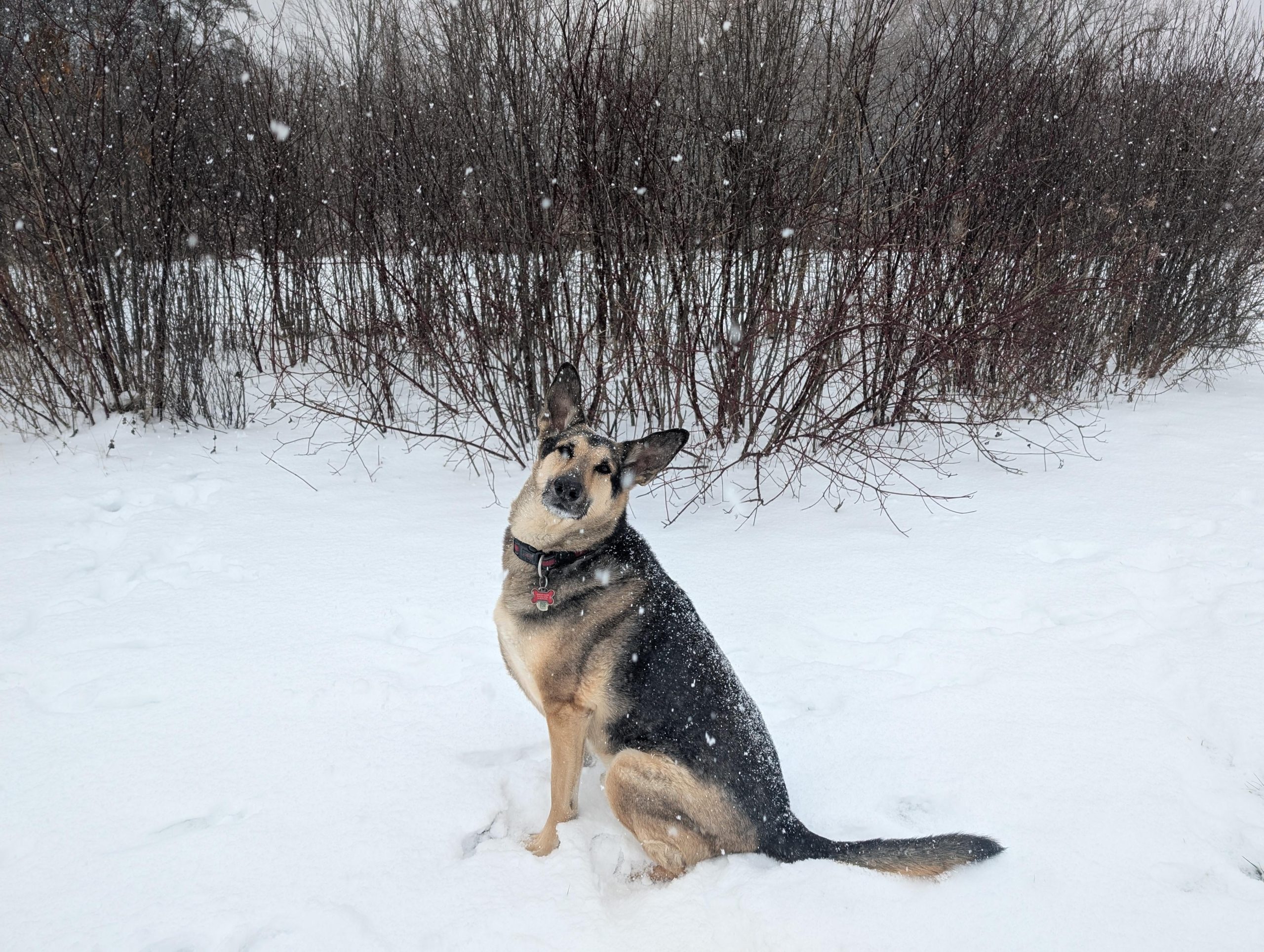
German Shepherds have a thick double coat. The outer layer is dense and water-resistant. The undercoat is soft and traps heat close to the body. This coat design protects them from cold and wet weather.
- The outer coat sheds water and snow.
- The undercoat keeps warmth near the skin.
- Coat thickness changes with seasons to adjust to temperature.
- Regular shedding removes old fur and makes room for new growth.
Body Adaptations
German Shepherds also have body features that help in cold climates. Their strong muscles generate heat. Their paws have thick pads and fur between toes to protect from ice and cold ground.
| Adaptation | Benefit |
| Muscle Mass | Generates body heat |
| Paw Pads | Protects from ice and rough surfaces |
| Fur Between Toes | Insulates and prevents frostbite |
| Compact Body Shape | Reduces heat loss |

Credit: www.reddit.com
Signs Of Cold Stress
German Shepherds are strong dogs but cold weather can still affect them. Cold stress happens when they cannot keep warm.
Recognizing signs of cold stress helps you protect your dog from harm. Watch for changes in behavior and body.
Behavioral Changes
When a German Shepherd feels cold, its behavior can change. It may try to find warm places or shiver more.
Cold dogs often become less active and may seem tired or unhappy. They might also bark less or hide.
- Seeking shelter or warmth
- Shivering or trembling
- Decreased activity or slow movement
- Hiding or avoiding people
- Less barking or playing
Physical Symptoms
Cold stress shows in your dog’s body too. Their skin and paws may look pale or feel very cold.
You might see frostbite signs or notice your dog’s breathing is slow or shallow. Their muscles can get stiff.
- Cold, pale skin or paw pads
- Frostbite on ears, tail, or paws
- Slow or shallow breathing
- Stiff or weak muscles
- Loss of coordination or limping
Safe Outdoor Time
German Shepherds are strong dogs that can handle cold weather well. Still, their time outside should be safe and comfortable.
Knowing the right temperature and how long to stay outside helps keep them healthy.
Ideal Temperature Ranges
German Shepherds have thick fur that protects them from cold. They usually do well in temperatures above 20°F (-6°C).
Below 20°F, their risk of frostbite and hypothermia rises. Watch for shivering or discomfort.
- Above 45°F (7°C): Safe for long outdoor play
- 20°F to 45°F (-6°C to 7°C): Limit time and watch closely
- Below 20°F (-6°C): Very short outdoor visits only
Duration Limits
Outdoor time should be shorter in colder weather. German Shepherds get cold faster in freezing temperatures.
Limit playtime based on temperature to keep your dog safe and warm.
- Above 45°F (7°C): Up to 2 hours
- 20°F to 45°F (-6°C to 7°C): 30 minutes to 1 hour
- Below 20°F (-6°C): 10 to 15 minutes only
Winter Care Tips
German Shepherds can live in cold weather but need special care. Their thick coat helps but does not stop cold completely.
Taking good care during winter keeps your dog healthy and safe. Here are some tips to help your German Shepherd in cold weather.
Proper Shelter Setup
Provide a warm and dry shelter for your dog during winter. Keep the shelter off the cold ground to avoid heat loss.
Use straw or blankets inside the shelter for extra warmth. Make sure the shelter blocks wind and rain effectively.
- Place shelter in a sheltered spot away from wind
- Elevate the shelter slightly from the ground
- Use insulated bedding like straw or thick blankets
- Check shelter regularly for moisture or damage
Clothing And Protection
German Shepherds have a double coat, but extra protection helps in very cold weather. Dog sweaters or jackets keep them warm during walks.
Protect their paws with dog boots to stop ice and salt injuries. Clean their paws after walks to remove harmful substances.
- Use dog sweaters or jackets in freezing temperatures
- Apply dog boots to protect paws from ice and salt
- Wipe paws after outdoor time to remove salt or chemicals
- Trim hair around paws to prevent ice build-up
Diet And Hydration
Cold weather makes dogs burn more energy to stay warm. Feed your German Shepherd slightly more food to match this energy need.
Keep fresh water available at all times. Check water often to make sure it is not frozen during cold days.
- Increase food portions slightly in winter
- Choose high-quality food with good nutrients
- Provide fresh water and check for ice
- Encourage drinking to prevent dehydration
Exercise In Cold
German Shepherds can enjoy exercise even in cold weather. Their thick coat helps protect them from the cold. Still, owners must watch for signs of discomfort.
Cold weather exercise keeps your dog healthy and happy. It also helps burn extra energy and maintain muscle strength.
Best Activities
Choosing the right activities keeps your German Shepherd safe in cold weather. Short walks and gentle play work well. Avoid long runs on icy surfaces.
Snow adds fun but can hide dangers like ice or sharp objects. Use toys to encourage movement without overexertion.
- Short walks on cleared paths
- Fetch with bright toys
- Hide and seek indoors or outdoors
- Light running on safe ground
Warming Up And Cooling Down
Warming up helps your dog avoid injuries in cold weather. Start with slow walking to get muscles ready. Stretching is not usually needed but gentle movement helps.
Cooling down after exercise lowers the risk of stiffness. End with slow walking and offer water. Dry your dog’s paws and coat if wet.
- Begin with 5 minutes of slow walking
- End with 5 minutes of easy walking
- Check paws for ice or salt
- Dry your dog to prevent chills

Credit: germanshepherdshop.com
Health Risks
German Shepherds can handle cold weather better than some dogs. Their thick coat helps keep them warm. Still, cold can cause health risks for them.
Owners must watch for signs of cold-related problems. Two serious issues are frostbite and hypothermia. Knowing these helps keep dogs safe.
Frostbite Warning
Frostbite happens when skin and tissue freeze. It often affects ears, paws, and tail tips. Cold, wet, and windy weather raises this risk.
Look for pale, hard, or cold areas on your dog’s skin. These spots may turn red or black later. Frostbite can cause pain and damage.
- Check ears, paws, and tail regularly
- Keep your dog dry in snow or rain
- Limit time outside in very cold weather
- Use protective gear like booties or coats
Hypothermia Signs
Hypothermia happens when a dog’s body gets too cold. It slows down the heart and breathing. This can be life-threatening if not treated.
Signs include shivering, weakness, and slow movement. Your dog may seem confused or tired. The gums might look pale or blue.
- Shivering or trembling
- Low energy or sluggishness
- Confusion or disorientation
- Pale or blue gums
- Slow breathing or heartbeat
When To Seek Help
German Shepherds are tough dogs, but cold weather can be dangerous. Knowing when to get help keeps your dog safe.
Watch your dog carefully for signs of trouble. Early action can prevent serious harm.
Emergency Situations
Cold weather can cause emergencies like hypothermia or frostbite. Look for these signs:
- Shivering or trembling
- Weakness or slow movements
- Pale or blue gums
- Stiff or frozen limbs
- Unusual lethargy or collapse
If your dog shows any of these, bring them inside immediately and warm them slowly.
Veterinary Care
Some cold-related problems need a vet’s care. Use this table to decide when to call the vet.
| Symptom | Action |
| Severe shivering | Call the vet immediately |
| Swollen or blackened skin | Seek urgent veterinary care |
| Difficulty breathing | Take your dog to the vet |
| Refusing to eat or drink | Contact your vet for advice |
| Continuous vomiting or diarrhea | Visit the vet quickly |

Credit: www.reddit.com
Frequently Asked Questions
Can German Shepherds Tolerate Freezing Temperatures?
Yes, German Shepherds have a thick double coat that helps insulate them. They can tolerate cold but should not be exposed to freezing temperatures for long periods without shelter.
How To Keep German Shepherds Warm In Winter?
Provide insulated dog houses or indoor shelter. Use dog sweaters or coats when outside for long. Regular exercise also helps maintain their body heat.
Are German Shepherds More Cold-resistant Than Other Breeds?
German Shepherds are moderately cold-resistant due to their dense fur. However, breeds with thicker coats like Huskies tolerate cold better. Proper care is still essential for German Shepherds in winter.
Should German Shepherds Be Bathed Less In Cold Weather?
Yes, bathing should be less frequent in cold weather to preserve natural oils. Overbathing can dry their coat and reduce its insulating properties.
Conclusion
German Shepherds have thick fur that helps them stay warm. They can live in cold weather if cared for well. Providing shelter and keeping them dry is very important. Watch for signs of cold stress or discomfort. Give them enough food to keep energy high.
Regular exercise helps keep their body heat strong. With proper care, German Shepherds enjoy cold days safely. Remember, their health depends on your attention and care. Cold weather is not a problem when you prepare right.