How to Palm Trees Survive Hurricanes: Secrets to Their Resilience
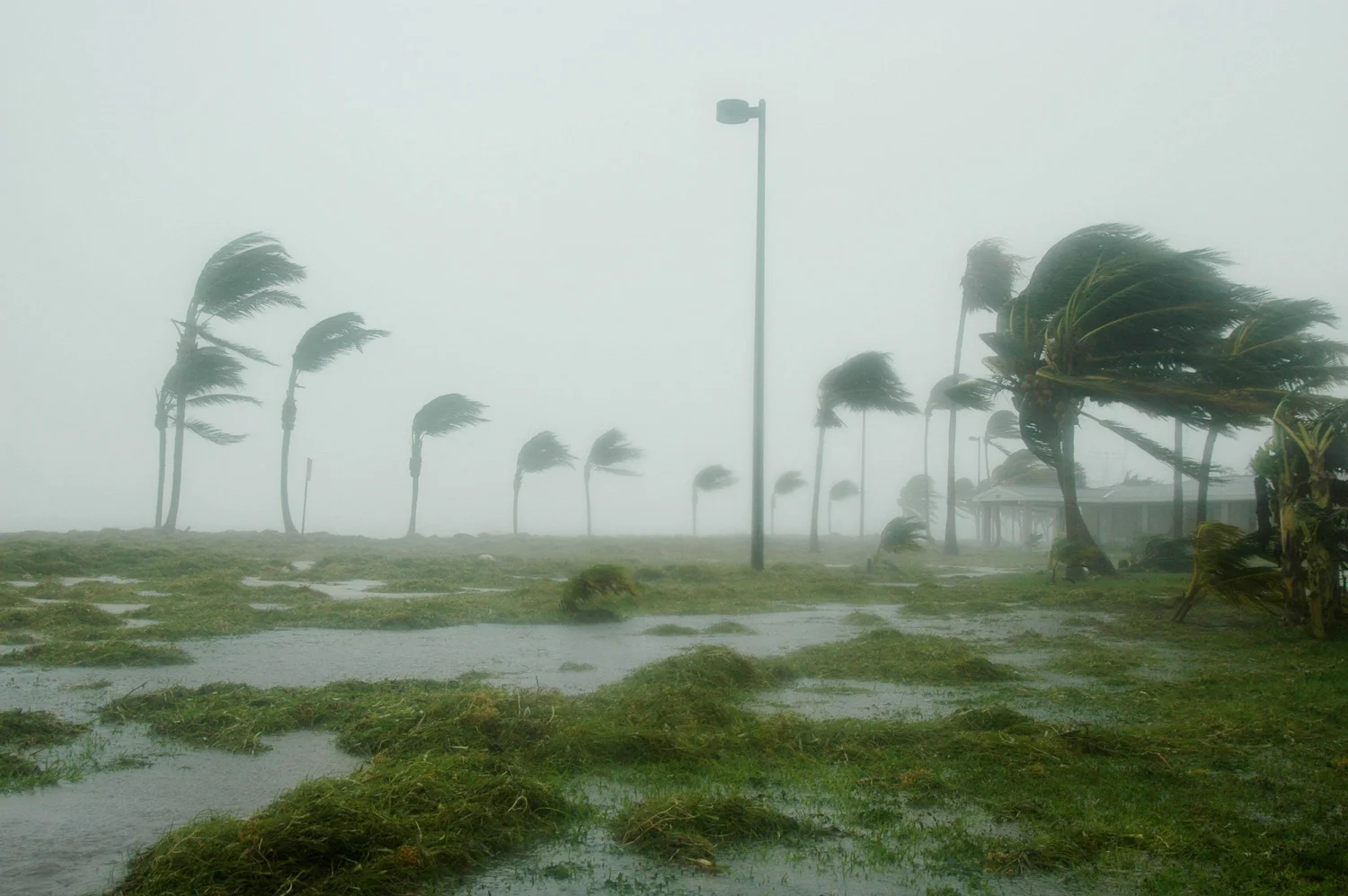
Have you ever wondered how palm trees manage to survive the fury of hurricanes while other trees around them are uprooted or snapped like twigs? It almost seems like these tropical giants possess a secret resilience, a hidden strength that allows them to withstand the storm’s wrath.
As you delve into the fascinating world of palm trees, you’ll discover the remarkable features and mechanisms that make them both unique and incredibly tough. This knowledge might just change the way you see these iconic symbols of tropical paradise.
Stick around to find out what makes palm trees the ultimate survivors in the face of nature’s most powerful forces.
Palm Tree Structure
Palm trees survive hurricanes due to their unique structure. Their design helps them bend and stay strong against strong winds.
Understanding their flexible trunks, root system, and leaf shape shows why they resist storm damage better than many trees.
Flexible Trunks
Palm trees have trunks that bend without breaking. This flexibility helps them sway during hurricanes. The trunk is made of many strong fibers arranged in a spiral.
The fibers act like ropes, allowing the tree to move with the wind. This reduces the chance of snapping or falling over.
Root System Design
Palm trees have a wide and dense root system. The roots spread out close to the surface instead of going deep. This helps the tree stay anchored during strong winds.
- Roots grow horizontally and cover a large area
- They form a strong network holding the tree in place
- Roots absorb water quickly after storms to help recovery
Leaf Shape And Arrangement
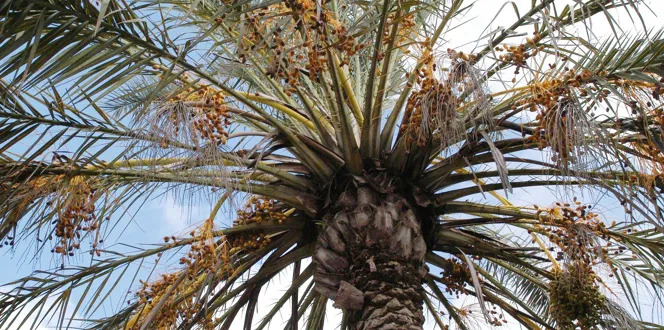
Palm leaves are long and narrow, shaped to reduce wind resistance. Their arrangement allows wind to pass through easily, lowering stress on the tree.
| Leaf Feature | Benefit in Hurricanes |
| Long and narrow shape | Less wind pressure |
| Fan or feather arrangement | Wind flows through leaves |
| Flexible leaf stems | Leaves bend, avoiding breakage |
Credit: blog.davey.com
Wind Resistance Mechanisms
Palm trees survive hurricanes due to special wind resistance features. These features help them bend and move with strong winds.
Their design reduces damage and allows them to stand tall during storms. Understanding these mechanisms shows why palms are so tough.
Trunk Flexibility And Bending
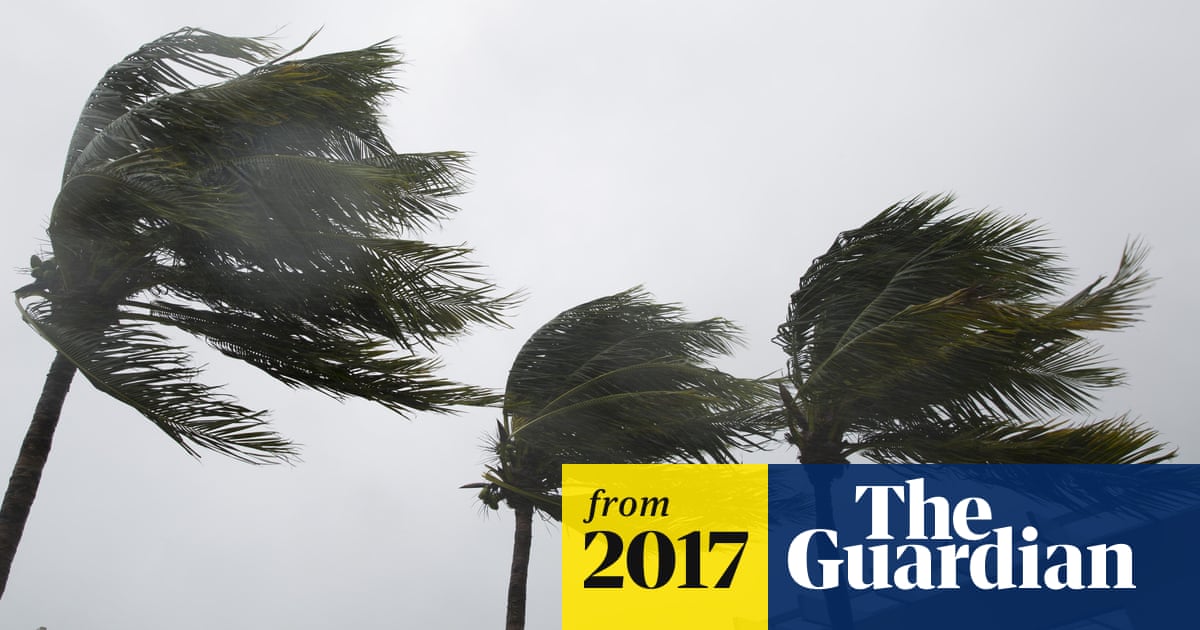
Palm tree trunks are flexible and can bend without breaking. This flexibility helps them sway with hurricane winds instead of snapping.
The trunk is made of strong yet bendable fibers. These fibers allow the tree to absorb wind pressure and move safely.
- Fibrous structure lets trunks bend easily
- Bending reduces the chance of trunk breakage
- Flexible trunks act like shock absorbers
Leaf Movement And Wind Flow
Palm leaves are long and narrow, which helps them move with the wind. They can twist and fold to reduce wind force on the tree.
This leaf movement lets air flow through the tree. It lowers the wind pressure on both the leaves and trunk.
- Leaves twist to avoid wind damage
- Air flows smoothly between leaves
- Leaf movement lowers wind stress
Reducing Wind Drag
Palms reduce wind drag by their shape and structure. Their slim trunks and spaced leaves let wind pass through easily.
This design lowers the force wind applies to the tree. Less wind drag means the palm can stand firm during strong storms.
- Slim trunk limits surface area for wind
- Spaced leaves let wind flow through
- Less wind drag means less damage risk
Adaptations To Storm Conditions
Palm trees live in places where strong storms happen often. They have special ways to handle these tough weather events. These adaptations help them survive hurricanes and keep growing.
These trees can handle saltwater, recover fast after damage, and store nutrients for tough times. These features make palms strong against storms.
Saltwater Tolerance
Palm trees can survive floods with saltwater. Their roots block salt from entering the tree. This stops damage to their cells and helps keep them healthy.
Leaves also have a waxy coating. This coating protects them from salt spray during storms. It helps palms stay green and strong.
Rapid Recovery After Damage
Palm trees heal quickly after strong winds break or bend their fronds. New leaves grow fast to replace lost ones. This helps palms keep making food and water.
The flexible trunks bend without breaking. This reduces damage during hurricanes. The tree can stand back up after the storm passes.
- Fast leaf growth restores energy
- Flexible trunks resist strong winds
- Quick healing prevents infections
Nutrient Storage And Use
Palm trees store food and nutrients in their trunks and roots. This storage helps them survive when leaves are damaged. They use these reserves to grow new leaves.
These nutrients give palms energy to rebuild after a storm. This ability helps them live in places where hurricanes happen often.
Credit: medium.com
Environmental Factors Supporting Survival
Palm trees survive hurricanes because of many environmental factors. These factors help palms stay strong during storms.
Understanding these factors shows why palms thrive where other trees fail.
Coastal Habitat Benefits
Palms often grow near coasts where the land and sea meet. This area gives palms special advantages.
Coastal winds shape palms to bend without breaking. Salt spray also helps them resist pests.
- Strong winds train palms to be flexible
- Salt from the ocean limits harmful insects
- Open spaces reduce damage from falling branches
Soil And Moisture Conditions
Palms grow in sandy, well-drained soils that drain water fast. This stops roots from sitting in water.
Good soil and moisture keep palms healthy and able to recover after storms.
- Sandy soil prevents root rot
- Moist but not waterlogged ground supports growth
- Soil nutrients help palms repair damage
Symbiotic Relationships
Palms rely on helpful fungi and bacteria in the soil. These partners boost palm health and strength.
These relationships improve nutrient uptake and protect palms from some diseases.
- Mycorrhizal fungi increase nutrient absorption
- Bacteria help palms fight harmful microbes
- Healthy roots grow faster and stronger
Human Influence And Protection
Palm trees can survive strong hurricanes with help from people. Humans protect palms by using smart techniques. These methods help palms stay healthy during storms.
This article explains how people help palm trees. It covers landscaping, storm prep, and conservation efforts.
Landscaping Techniques
Good landscaping keeps palm trees safe from hurricane damage. People plant palms where wind damage is less. They also keep palms trimmed to reduce wind resistance.
- Plant palms away from buildings and power lines
- Trim dead or weak fronds regularly
- Use mulch to keep soil moist and roots strong
- Choose palm species that resist strong winds
Storm Preparation Tips
Before a storm, people take steps to protect palms. Preparing palms lowers the chance they will fall or lose leaves during a hurricane.
- Water palms deeply to keep roots strong
- Remove loose debris near palms
- Secure young palms with stakes
- Check for signs of disease or damage
- Clear gutters to prevent water buildup around roots
Conservation Efforts
Conservation helps palm trees recover after hurricanes. People plant new palms and protect natural habitats. These actions support palm tree survival for the future.
| Conservation Activity | Purpose |
| Replanting palms | Restore damaged areas |
| Protecting wetlands | Maintain natural wind barriers |
| Educating communities | Promote care and awareness |
Credit: www.theguardian.com
Frequently Asked Questions
How Do Palm Trees Withstand Hurricane-force Winds?
Palm trees have flexible trunks and fronds that bend without breaking. Their root systems are strong and deep, anchoring them firmly during storms. This flexibility and stability reduce damage from high winds, allowing palms to survive hurricanes better than many other tree types.
Why Are Palm Trees More Hurricane-resistant Than Other Trees?
Palm trees have a unique structure with no rigid branches. Their fronds can fold and reduce wind resistance. The trunk’s ability to sway and the deep root system help palms absorb and dissipate hurricane forces, making them more resilient in extreme weather.
Can Palm Trees Recover After Hurricane Damage?
Yes, palm trees can often recover after hurricanes. Damaged fronds usually regrow within months. If the trunk remains intact, palms can survive and regrow new leaves. Proper post-storm care helps speed recovery and maintain the tree’s health.
What Role Do Palm Tree Roots Play In Hurricane Survival?
Palm tree roots form a dense, fibrous network that spreads wide and deep. This strong root system anchors the tree firmly in the soil. It helps palms resist uprooting during hurricane winds and flooding, enhancing their overall stability and survival chances.
Conclusion
Palm trees have special traits that help them survive storms. Their flexible trunks bend instead of break. Deep roots hold them firm in strong winds. Leaves are shaped to let wind pass through. These features work together to keep palms standing tall.
Understanding this helps us appreciate nature’s design. Next time a storm comes, remember how palms endure. They show strength and grace in tough weather.