Can My House Survive a Category 4 Hurricane? Essential Tips
Picture this: the sky turns a dark, ominous shade, the winds start howling, and the weather alerts on your phone won’t stop buzzing. A Category 4 hurricane is on its way, and you can’t help but wonder, “Can my house really withstand such a ferocious force of nature?”
It’s a question that sends a shiver down your spine. Understanding the resilience of your home isn’t just about bricks and mortar—it’s about your family’s safety and peace of mind. As you prepare for the storm, you need clarity, not just hope.
You’ll discover practical insights and essential tips to help you determine if your house is ready to face the fury of a Category 4 hurricane. Stay with us as we unravel what it takes to protect what matters most.
Category 4 Hurricane Basics
Category 4 hurricanes are very strong storms. They bring dangerous winds and heavy rain.
Knowing about these storms helps you prepare your home better.
Wind Speeds And Damage Potential
Category 4 hurricanes have wind speeds between 130 and 156 miles per hour. These high winds can cause major damage.
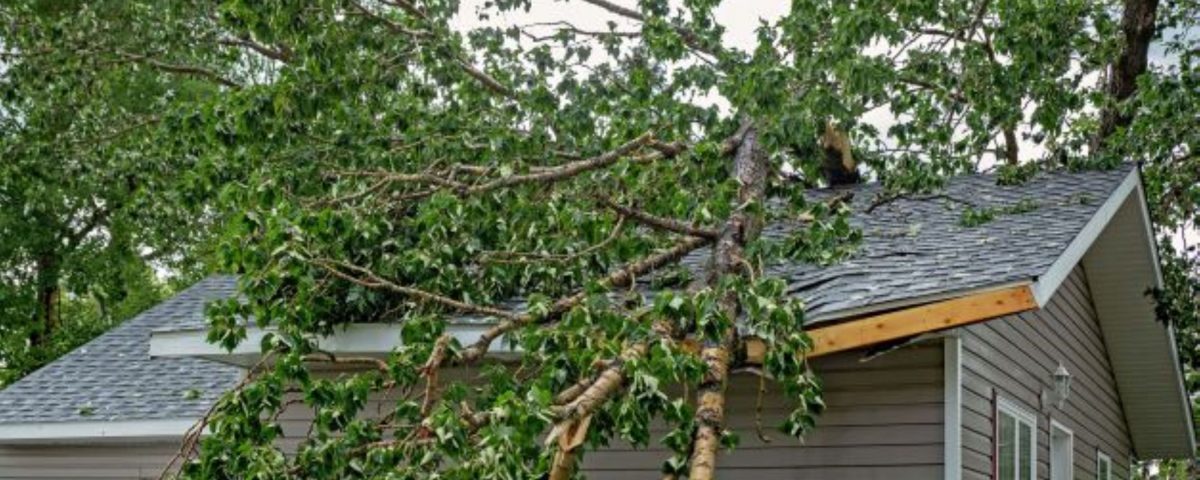
Strong winds can tear off roofs and break windows. Flying debris can also hit your house and cause harm.
- Winds can snap large tree branches and uproot trees
- Power lines may fall, causing outages
- Outdoor items can become dangerous projectiles
Common Impact On Homes
Homes often face severe damage from Category 4 hurricanes. Roofs and walls can be badly damaged or destroyed.
Flooding and water damage are common. Strong winds and rain may cause leaks inside the house.
- Roof shingles and tiles often blow away
- Windows may break from wind or debris
- Doors can be forced open or damaged
- Floodwaters can weaken the foundation
Credit: hurricanedamage.com
Assessing Your Home’s Vulnerability
Knowing how your home will hold up in a Category 4 hurricane is important. This helps you prepare and protect your family better.
We will look at key parts of your house to see where it may be weak. This includes its age, roof, windows, and foundation.
Age And Construction Materials
Older homes may have weaker materials. Newer homes often use stronger, hurricane-resistant materials. Knowing your home’s age helps assess risk.
- Wood frame houses may be less sturdy than concrete ones.
- Homes built before modern hurricane codes might be more vulnerable.
- Brick and stone can resist wind but need strong mortar.
- Metal roofs usually handle high winds better than shingle roofs.
Roof And Window Strength
The roof and windows face the strongest hurricane forces. Their quality matters a lot for survival.
| Feature | Strong | Weak |
| Roof | Concrete, metal, hurricane clips | Old shingles, loose tiles |
| Windows | Impact-resistant glass, shutters | Single-pane, no protection |
Foundation And Structural Integrity
A strong foundation keeps your home stable. Check for cracks or signs of wear. The structure should be tight and well-connected.
Here are key points to check in your foundation and structure:
- Look for cracks in walls and floors.
- Ensure beams and columns are not damaged.
- Check if the house is anchored to the foundation.
- Inspect for water damage or mold.
Strengthening Your Home
Preparing your home for a Category 4 hurricane is important. Strong winds and heavy rain can damage your house easily.
Taking steps to strengthen your home can help protect your family and belongings during the storm.
Reinforcing Roofs And Walls
Your roof and walls are the first line of defense. They must hold up against strong winds and flying debris.
Use hurricane straps and clips to fasten the roof to the walls. This keeps the roof from lifting off.
- Check for loose shingles or tiles and repair them
- Add plywood or reinforced panels to walls
- Seal gaps to prevent water leaks
- Trim tree branches near the house
Installing Impact-resistant Windows
Windows are vulnerable during hurricanes. Broken windows let wind and rain inside, causing more damage.
Install impact-resistant windows that can withstand strong winds and flying debris. They protect your home better than shutters.
- Look for windows with a high impact rating
- Consider laminated glass or reinforced frames
- Keep windows clean and check seals regularly
- Have professional installation for best results
Securing Doors And Garage Openings
Doors and garage openings face strong pressure during hurricanes. They must be secure to protect the home.
Use heavy-duty locks and reinforce door frames. Garage doors should be braced or replaced with wind-rated models.
- Install deadbolt locks on all doors
- Add metal or wood bracing to garage doors
- Check weather stripping and seals
- Keep doors closed and locked during storms
Preparing For Flood Risks
Flooding is a major threat during a Category 4 hurricane. It can cause serious damage to your house. Preparing your home helps reduce the risk of flood damage.
Taking steps to protect your home from floodwaters is important. Focus on areas that can stop or reduce water damage.
Elevating Electrical Systems
Raising electrical outlets and panels above flood levels keeps them safe. This reduces the risk of electrical fires and power loss. Elevate your circuit breakers, switches, and wiring.
Keep all electrical systems at least 12 inches above the highest expected flood level. This simple step protects your home and your family.
Installing Flood Barriers
Flood barriers block water from entering your home. You can use sandbags or permanent flood shields on doors and windows. These barriers help keep floodwaters outside.
- Use sandbags to create temporary walls
- Install removable flood panels for doors and windows
- Seal gaps around doors and windows with waterproof materials
Landscaping To Redirect Water
Proper landscaping guides water away from your home. Use slopes, swales, and rain gardens to control water flow. This reduces flooding near your foundation.
Planting trees and shrubs helps absorb water. Avoid flat areas that let water pool close to the house.
- Create gentle slopes away from the house
- Build swales to channel water safely
- Use plants that soak up excess water
Emergency Supplies And Safety Measures
Preparing your home for a Category 4 hurricane means having the right supplies and safety plans. These steps help protect your family and property.
Knowing what to stock, how to evacuate, and where to keep important documents can make a big difference in an emergency.
Stocking Essential Supplies
Keep enough supplies to last at least three days. Choose items that meet your family’s needs and help you stay safe indoors.
- Bottled water (one gallon per person per day)
- Non-perishable food like canned goods and dried snacks
- Battery-powered or hand-crank radio
- Flashlights and extra batteries
- First aid kit with medicines
- Personal hygiene products
- Tools like a wrench and multi-tool
- Charged power banks for phones
- Blankets and clothing
Creating An Evacuation Plan
Plan your route and know where to go if you must leave your home. Make sure everyone in your family understands the plan.
- Identify local shelters or safe places
- Choose several evacuation routes
- Decide how you will leave (car, bus, on foot)
- Prepare a “go bag” with essentials
- Set a meeting spot if separated
- Keep your vehicle fueled and ready
Protecting Important Documents
Keep important papers safe and easy to find during a hurricane. Use waterproof and fireproof storage options.
| Document | Protection Method |
| Birth certificates | Waterproof folder or plastic sleeves |
| Insurance policies | Fireproof safe or digital copies |
| Medical records | Sealed plastic bag or digital backup |
| Property deeds | Fireproof safe |
| Passports and IDs | Waterproof envelope |

Credit: thespun.com
Insurance And Financial Protection
Preparing your home for a Category 4 hurricane means thinking about money and insurance. You need to protect your house from damage costs and losses.
Insurance and financial plans help you recover faster after a storm. Knowing what coverage you have is very important.
Reviewing Home Insurance Policies
Check your home insurance policy carefully before hurricane season. Make sure it covers wind and storm damage from strong hurricanes.
Look for any limits or exclusions. Some policies do not cover flood or roof damage. You may need extra coverage for full protection.
- Verify windstorm coverage in your policy
- Check deductibles and how claims are paid
- Ask about coverage for temporary living costs
- Know what is excluded from your policy
Understanding Flood Insurance
Flood damage is not usually covered by standard home insurance. You need a separate flood insurance policy to protect your home.
Flood insurance helps pay for repairs if water enters your house during a hurricane. It is important if you live in a flood-prone area.
- Flood insurance covers water damage to your home and belongings
- There is a waiting period before coverage starts
- Check the flood risk in your neighborhood
- Buy flood insurance early, before a storm approaches
Documenting Your Property
Keep a detailed record of your home and possessions. Photos and videos help prove the value of your items if you file a claim.
Store these records safely outside your home if possible. This makes it easier to get money for repairs or replacements after the hurricane.
- Take pictures of all rooms and valuables
- Write down serial numbers and purchase dates
- Keep copies of receipts for expensive items
- Save insurance policies and contact info in one place
Post-hurricane Recovery Tips
After a Category 4 hurricane, your home may face serious damage. Taking quick action helps protect your property and family.
Follow safe and clear steps to inspect, repair, and prevent further problems in your house.
Inspecting For Damage Safely
Do not enter your home until authorities say it is safe. Watch for broken glass, sharp objects, and unstable walls.
- Wear sturdy boots and gloves to protect yourself
- Turn off electricity and gas before entering
- Use a flashlight to check dark areas
- Look for roof leaks and water damage
- Note any cracks or shifts in the foundation
Handling Repairs And Claims
Take pictures of all damage before repairs. This helps with insurance claims and repair plans.
| Repair Task | Tips | Priority |
| Roof Fixing | Cover holes with tarp to stop water | High |
| Window Replacement | Board broken windows securely | Medium |
| Electrical Check | Hire a licensed electrician | High |
| Water Damage Cleanup | Dry areas quickly to avoid mold | High |
Contact your insurance company early. Keep all receipts and documents for your claims.
Preventing Mold And Further Damage
Moisture and humidity cause mold growth. Act fast to keep your home dry and safe.
- Remove wet carpets, furniture, and drywall
- Use fans and dehumidifiers to dry rooms
- Clean surfaces with mold-killing solutions
- Fix leaks and improve ventilation
- Check hidden spots for mold regularly

Credit: www.scrippsnews.com
Frequently Asked Questions
Can A Category 4 Hurricane Destroy Any House?
Yes, Category 4 hurricanes have winds of 130-156 mph. They can severely damage or destroy houses without strong construction or proper protection.
How To Protect My House From Category 4 Hurricanes?
Reinforce roofs, install impact-resistant windows, and secure doors. Use hurricane straps and elevate utilities to reduce flood damage risks.
Is Insurance Enough For Hurricane Damage Protection?
Insurance helps cover repair costs but doesn’t prevent damage. Combining insurance with strong home preparation offers the best protection.
What Building Materials Withstand Category 4 Hurricanes Best?
Concrete, reinforced masonry, and steel frames are most hurricane-resistant. Wood structures need extra reinforcement to survive high winds and flying debris.
Conclusion
A Category 4 hurricane brings strong winds and heavy rain. Your house needs solid walls and a strong roof. Windows and doors must be secure and tight. Trees and loose items can cause damage. Preparing your home reduces the risk of major harm.
Regular checks and repairs keep it safe. Stay informed and act early to protect your family. Safety starts with good planning and smart choices. Can your house survive? It depends on how well you prepare.