Do High-Rise Condos Survive Hurricanes: Safety Myths Busted
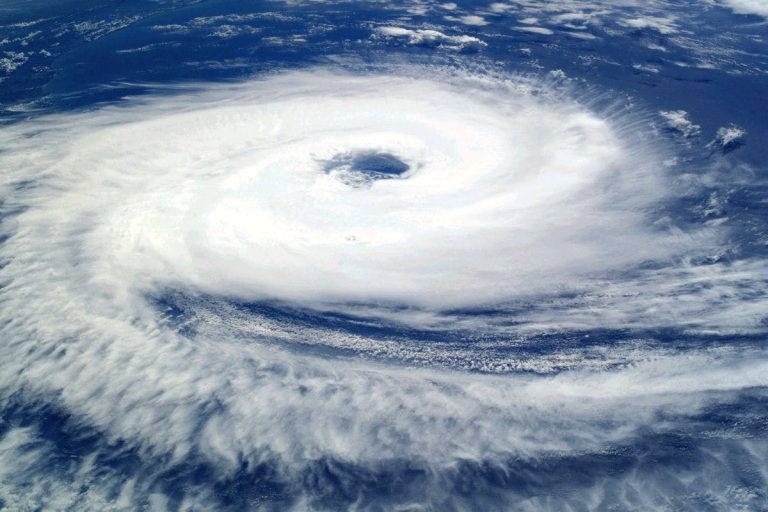
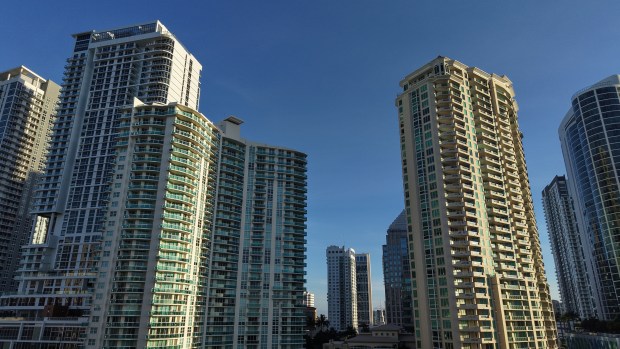
When a hurricane is on the horizon, your thoughts might race to the safety and stability of your high-rise condo. You’ve invested in a home that touches the sky, but now you wonder if it can withstand the wrath of nature’s fiercest storms.
Are you and your loved ones truly safe during a hurricane in a towering structure? This is a question many condo owners like you grapple with, especially during hurricane season. Imagine the peace of mind you’ll have knowing the facts about your building’s resilience.
We delve into the intriguing world of high-rise condos and their ability to survive hurricanes. We’ll explore the engineering marvels and safety measures that ensure your towering home stands strong. Read on to discover how your condo has been designed to protect you, and learn what steps you can take to enhance your safety during hurricane season. Your sense of security is within reach—let’s uncover the truth together.

Credit: egsinternationalllc.com
Hurricane Risks For High-rise Condos
High-rise condos face many risks during hurricanes. These tall buildings must resist strong winds and heavy rain.
Understanding these risks helps owners and builders prepare better for storms.
Wind Forces On Tall Buildings
Hurricanes bring very strong winds that push hard against tall buildings. The higher the building, the stronger the wind forces.
These forces can cause swaying and stress on windows, walls, and the roof. Buildings must be designed to handle these pressures safely.
- Wind speed increases with height
- Pressure on windows and walls is very high
- Flexible design helps reduce damage
- Strong materials prevent breakage
Flooding And Storm Surge Threats
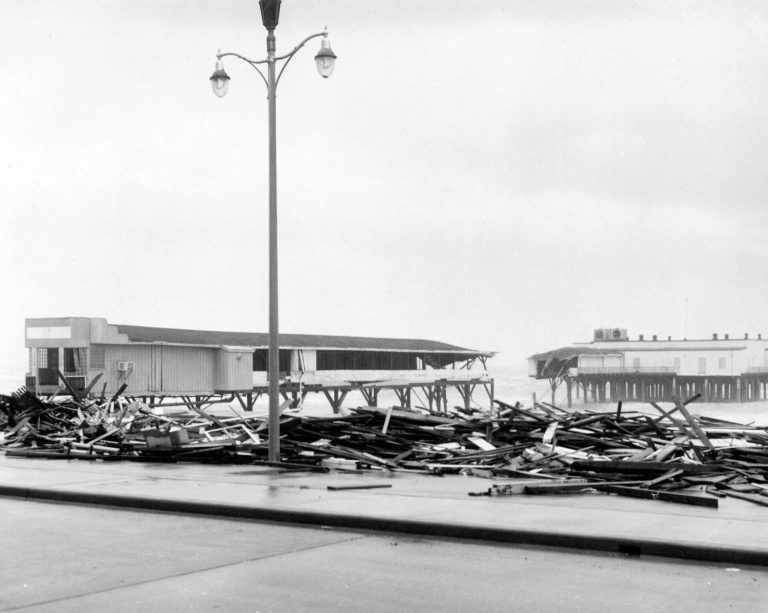
Flooding is a major danger for condos near the coast. Storm surge can raise water levels quickly, flooding lower floors.
Floodwater can damage electrical systems and weaken building foundations. Proper barriers and drainage systems reduce this risk.
- Storm surge can flood parking and lobby areas
- Water damage affects safety and comfort
- Flood barriers protect entrances and ground floors
- Drainage systems help remove water fast
Impact Of Debris And Projectiles
Flying debris during hurricanes can break windows and damage walls. Tall buildings face risks from nearby objects picked up by strong winds.
Shattered glass and loose materials create hazards for residents and the building structure.
- Debris can break glass windows
- Projectiles damage exterior walls
- Impact-resistant windows improve safety
- Regular maintenance reduces loose debris risks

Credit: www.sun-sentinel.com
Common Safety Myths About High-rises
Many people believe high-rise buildings are completely safe during hurricanes. This is not always true. Understanding the facts helps residents prepare better.
This article clears up common myths about high-rise safety in storms. Knowing what is true can save lives and reduce risks.
Myth: High-rises Are Completely Safe
People think tall buildings will protect them fully during hurricanes. High-rises are built strong but not invincible. Wind pressure and flying debris can cause damage.
Safety depends on the building design, location, and maintenance. Residents should follow evacuation orders and safety plans.
Myth: Glass Windows Can Withstand All Winds
Many believe that glass windows in high-rises will hold up in any storm. In reality, glass can break from strong winds or debris hitting it. Broken windows cause air pressure changes inside and allow water in.
- Tempered glass offers more strength than regular glass.
- Storm shutters or impact-resistant windows add protection.
- Replacing broken glass quickly reduces further damage.
Myth: Elevators Remain Operational During Storms
Some think elevators keep working during hurricanes. Elevators often shut down to prevent accidents when power fails. Using stairs is safer in emergencies.
| Elevator Status | Reason |
| Usually shut down | Power outages and safety protocols |
| May restart later | Once power and systems are checked |
| Stair use recommended | For safe evacuation |
Building Codes And Construction Standards
High-rise condos face many challenges during hurricanes. Strong winds and heavy rain can cause damage. Building codes and construction standards help these buildings stay safe.
These rules guide how condos are designed and built. They focus on strength, safety, and durability. This keeps residents safer during storms.
Hurricane-resistant Design Features
Design features help high-rise condos resist hurricane forces. Buildings use shapes and layouts that reduce wind pressure. Roofs and windows are designed to handle strong winds.
Many condos have impact-resistant windows and reinforced doors. Balconies and facades are built to prevent debris damage. These features keep the building intact during storms.
- Sloped or reinforced roofs to reduce wind damage
- Impact-resistant windows and doors
- Strong balcony railings and supports
- Wind-resistant building shapes
Materials Used For Enhanced Durability
Strong materials improve a condo’s ability to survive hurricanes. Concrete and steel are common because they resist wind and water. These materials hold up better than wood in storms.
Special coatings protect against water damage. Builders use corrosion-resistant metals for longer life. Durable materials help prevent cracks and leaks during hurricanes.
- Reinforced concrete for walls and floors
- Steel frames for strength
- Waterproof coatings to prevent leaks
- Corrosion-resistant metals for fixtures
Role Of Local Regulations And Compliance
Local laws set the minimum standards for hurricane safety. Builders must follow these rules to get permits. Inspections ensure condos meet all safety codes.
Regulations differ by region based on hurricane risk. Areas with frequent storms have stricter codes. Compliance reduces damage and protects lives during hurricanes.
- Building permits require code compliance
- Regular inspections check for safety
- Stricter codes in high-risk hurricane zones
- Penalties for failing to meet standards
Emergency Preparedness For Residents
Living in a high-rise condo during a hurricane means being ready. Planning ahead helps keep you safe and calm. This guide covers key actions to take before and during a storm.
Knowing what to do can protect you and your neighbors. Focus on evacuation, power, and communication to stay prepared.
Evacuation Plans And Protocols
High-rise residents must know the building’s evacuation rules. Follow these tips to stay safe:
- Learn all exit routes and emergency stairwells.
- Keep a small emergency kit ready to grab quickly.
- Check if the building has a shelter-in-place option.
- Know where to meet family or friends after evacuation.
- Follow instructions from building managers and local officials.
Backup Power And Supplies
Power outages often happen during hurricanes. Having backup power and supplies is crucial. Here is a table of items to prepare:
| Item | Purpose | Notes |
| Flashlights | Light source | Keep extra batteries |
| Battery-powered radio | Weather updates | Test regularly |
| Portable phone charger | Charge phones | Charge before storm |
| Non-perishable food | Nutrition | Enough for 3 days |
| Bottled water | Hydration | One gallon per person daily |
Communication During Hurricanes
Staying in touch is hard in a hurricane. Use these tips to keep communication open:
- Save emergency contacts on your phone and on paper.
- Use text messages instead of calls to save battery.
- Follow local news on social media or radio.
- Inform your building manager if you need help.
- Set a check-in schedule with family and friends.
Case Studies Of High-rises In Recent Hurricanes
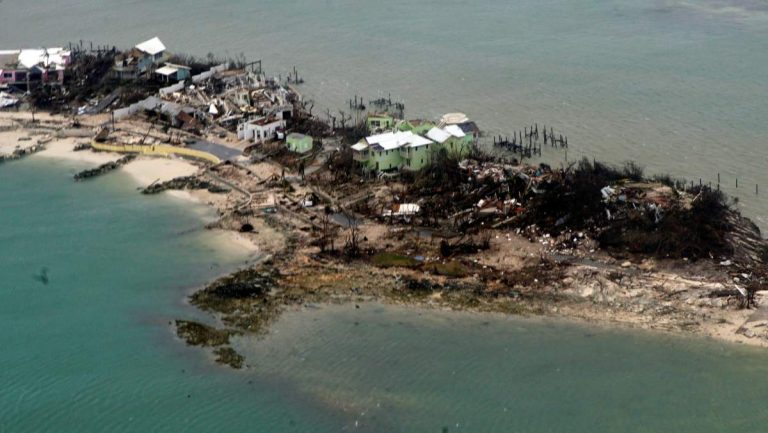
High-rise condos face strong challenges during hurricanes. Winds and water can cause serious damage. Studying past storms helps us see what works and what does not.
This article looks at real examples of high-rises that survived or failed in recent hurricanes. We also share lessons learned to improve future building safety.
Survivors And Structural Failures
Some high-rises stayed strong despite fierce winds and flooding. Others had structural failures that put residents at risk. Below is a table showing key buildings from recent hurricanes.
| Building | Hurricane | Outcome | Damage Type |
| Ocean Tower | Hurricane Irma (2017) | Survived | Minor window damage |
| Bayview Residences | Hurricane Harvey (2017) | Partial Failure | Flooded basement, facade cracks |
| Harbor Point | Hurricane Maria (2017) | Survived | No major damage |
| Skyline Suites | Hurricane Michael (2018) | Failure | Roof collapse, broken windows |
Lessons Learned From Past Storms
Studying these cases shows clear lessons. Builders and planners can use these lessons to make safer high-rises. Here are key takeaways from the recent storms.
- Use impact-resistant windows to stop wind damage.
- Seal basements and ground floors to avoid flooding.
- Reinforce roofs to withstand high winds.
- Maintain regular inspections for structural weak points.
- Design buildings to allow safe evacuation during storms.
Improving Safety Measures Going Forward
High-rise condos face many challenges during hurricanes. Builders and officials work to make these buildings safer. New ideas and rules help protect people and property.
Safety improvements focus on strong construction and smart planning. These steps reduce damage and keep residents safe during storms.
Innovations In Construction Technology
Builders use new materials that resist wind and water better. Concrete mixes and steel frames get stronger. Windows and doors now have better seals and impact resistance.
Design changes also help. Buildings get shapes that reduce wind pressure. Roofs and balconies are made to stay secure. Engineers use computer models to test how buildings respond to hurricanes.
- Stronger concrete and steel frameworks
- Impact-resistant windows and doors
- Improved roof and balcony designs
- Wind flow computer simulations
Community And Government Initiatives
Local governments create building codes that require safer designs. These rules help builders follow the best safety practices. Communities prepare emergency plans and educate residents.
Funding is available to support upgrades and repairs. Officials work with condo boards to improve evacuation routes and shelter options. Public awareness campaigns teach how to stay safe before and after hurricanes.
- Stricter building codes and inspections
- Emergency preparedness programs
- Financial support for safety upgrades
- Education on evacuation and shelter

Credit: www.discovermagazine.com
Frequently Asked Questions
How Do High-rise Condos Withstand Hurricane Winds?
High-rise condos are built with reinforced materials and aerodynamic designs. They use impact-resistant windows and strong structural frameworks to resist high winds and debris impact during hurricanes.
Are High-rise Condos Safer Than Low-rise Buildings In Hurricanes?
Yes, high-rise condos often have better engineering standards. Their height and construction materials offer enhanced protection compared to many low-rise buildings during hurricanes.
What Hurricane Damages Are Common In High-rise Condos?
Window breakage, water intrusion, and minor structural damage are common. However, overall structural failure is rare due to strict building codes.
How Can Residents Prepare High-rise Condos For Hurricanes?
Residents should secure windows with shutters, clear balconies, and follow evacuation orders. Proper maintenance and emergency planning improve safety during hurricanes.
Conclusion
High-rise condos often stand strong during hurricanes. Their design focuses on wind resistance and safety. Still, damage can occur depending on storm strength. Residents should prepare and follow safety rules closely. Choosing a building with good construction matters a lot.
Staying informed helps protect lives and property. These towers offer shelter but need respect for nature’s power. Safety depends on both the structure and the people inside. Hurricanes test buildings and communities every time. Awareness and readiness make a real difference during storms.