How Did People Survive Hurricane Carla: Untold Stories of Resilience
Imagine facing one of the most powerful hurricanes in history, with winds reaching up to 175 miles per hour. Hurricane Carla, which struck in 1961, left a lasting mark on the Gulf Coast, but its story is not just about destruction.
It’s also about resilience, courage, and survival. How did people manage to live through such a catastrophic event? What strategies did they use to protect themselves and their families? As you dive into this gripping account, you’ll discover the incredible ways individuals and communities came together, defying the odds.
This isn’t just a history lesson—it’s a testament to human strength and ingenuity. Ready to uncover the secrets of survival against nature’s fury? Keep reading to learn more about the astonishing stories of those who weathered Hurricane Carla.

Credit: www.threads.com
Hurricane Carla: The Storm’s Impact
Hurricane Carla was one of the most powerful storms to hit the United States. It caused major damage and affected many lives.
People had to act fast to survive the strong winds and heavy rains. This article explains how the storm moved, which areas were hit, and what happened after.
Path And Strength Of The Hurricane
Hurricane Carla formed in the Gulf of Mexico in September 1961. It quickly grew into a powerful storm with winds reaching 145 miles per hour.
The storm moved northwest, making landfall near Port Lavaca, Texas. It was a Category 4 hurricane at landfall, one of the strongest to hit the Texas coast.
- Formed in the Gulf of Mexico
- Reached Category 4 with 145 mph winds
- Made landfall near Port Lavaca, Texas
- Caused heavy rain and strong winds along its path
Affected Regions And Communities
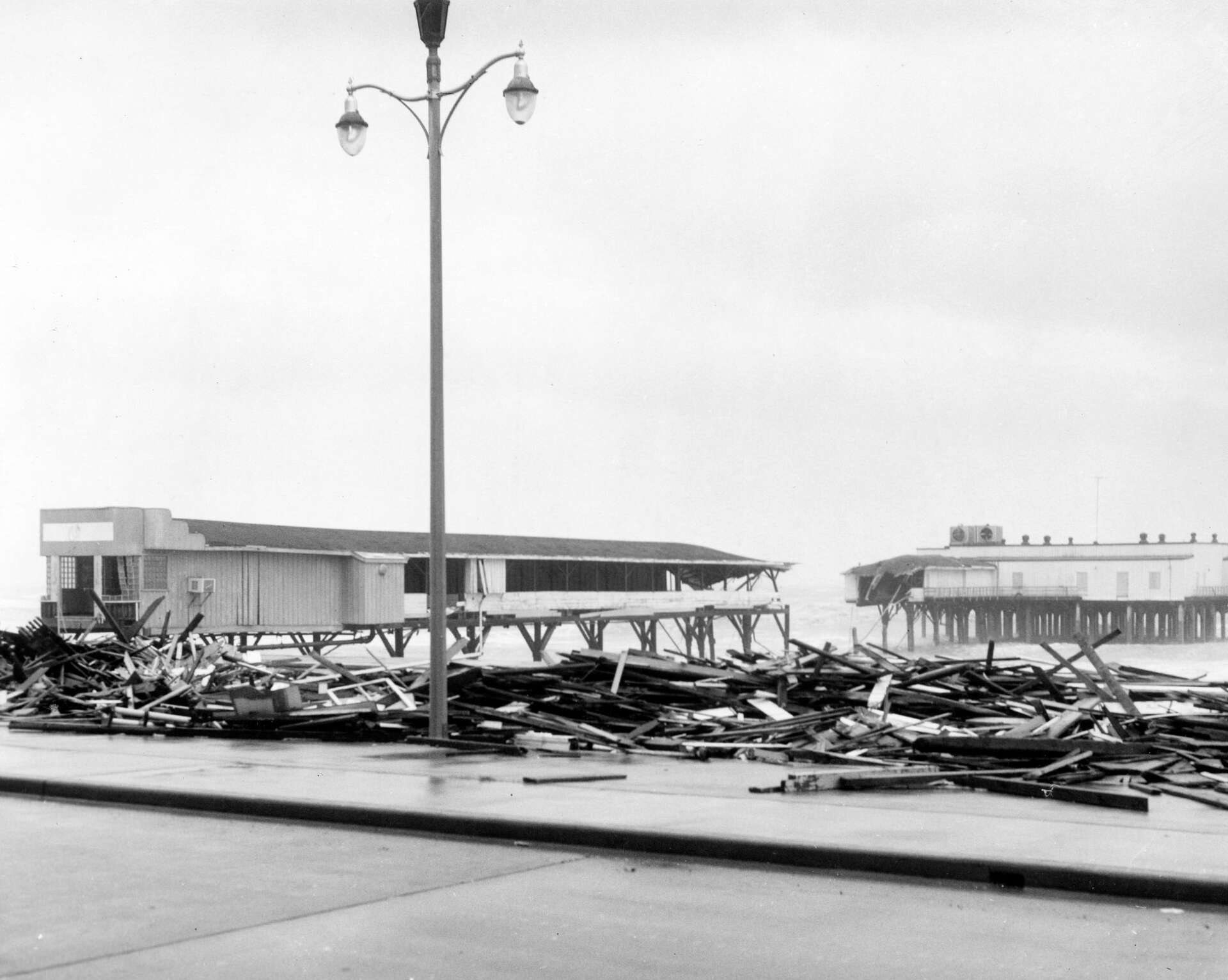
Hurricane Carla hit many towns and cities in Texas and Louisiana. Coastal communities faced the worst damage from wind and flooding.
Thousands of people had to leave their homes. Farms, homes, and businesses were damaged or destroyed. The storm affected both large cities and small towns.
- Port Lavaca and Victoria, Texas suffered heavy damage
- Houston and Galveston experienced strong winds
- Rural areas faced flooding and power outages
- Many families evacuated before the storm arrived
Immediate Aftermath
After Hurricane Carla passed, communities worked quickly to recover. Rescue teams helped people trapped by floodwaters.
Power and water services were restored over time. Emergency shelters provided food and safety for displaced families.
- Rescue operations saved many lives
- Emergency shelters housed thousands of people
- Cleanup began to remove debris and repair homes
- Government aid helped rebuild affected areas

Credit: wgrd.com
Preparing For The Worst
Hurricane Carla was one of the strongest storms to hit the Texas coast in 1961. People had to act fast to stay safe. Preparing ahead helped many survive the storm.
Getting ready meant knowing the risks and making plans. Communities and individuals worked hard to face the hurricane’s power.
Evacuation Efforts And Challenges
Evacuating people from the coast was very important. Officials ordered many to leave their homes before the storm arrived. Roads were crowded, and some people had no cars.
Many families used buses or boats to escape. Some people stayed behind because they had nowhere to go or did not believe the storm was dangerous.
- Traffic jams slowed evacuations
- Limited transportation options
- People unsure about leaving home
- Officials set up emergency shelters
Community Warnings And Responses
Local leaders warned people about the hurricane using radios and loudspeakers. Weather reports were shared often to keep everyone informed. This helped many prepare in time.
Neighbors helped each other by sharing information and supplies. Churches and schools became places for shelter and support during the storm.
- Frequent weather updates on radios
- Loudspeakers warned the public
- Community meetings to plan safety
- Shared resources and shelter locations
Personal Preparations And Supplies
People gathered food, water, and first aid kits before the hurricane. They secured windows and doors to protect their homes. Many also made plans for pets and family members.
Having extra clothes, flashlights, and batteries was important. These supplies helped families stay safe during power outages and flooding.
- Non-perishable food and drinking water
- First aid kits and medicines
- Strong tape and plywood for windows
- Flashlights and extra batteries
- Important documents in waterproof bags
Stories Of Survival
Hurricane Carla struck with great force in 1961. Many people faced danger and destruction. Their stories show how they survived against the odds.
These stories tell about bravery, support from family and neighbors, and how people escaped life-threatening moments.
Acts Of Bravery And Heroism
Many individuals risked their lives to save others during Hurricane Carla. Rescuers helped trapped families and cared for the injured. Their courage gave hope to many.
- A man saved children from a flooded school.
- Volunteers carried food and water to stranded homes.
- Firefighters braved strong winds to put out fires.
- Neighbors helped each other evacuate safely.
Family And Community Support
Families and communities worked together to survive. They shared resources and comforted each other. This support made recovery easier after the storm passed.
| Type of Support | Example |
| Food Sharing | Neighbors cooked meals for those without power |
| Temporary Shelter | Families opened homes to those who lost theirs |
| Emotional Support | Community gatherings helped people cope with loss |
| Cleanup Efforts | Volunteers cleared debris from streets and homes |
Overcoming Life-threatening Situations
Many faced dangerous moments during the hurricane. Some were trapped in their homes or surrounded by floodwaters. Quick thinking and calm actions saved lives.
- People moved to higher ground to avoid rising water.
- Families tied themselves together to stay connected.
- Some used boats to escape flooded areas.
- Residents followed warnings and evacuated early.
Resilience In Recovery
Hurricane Carla was one of the strongest storms to hit the Texas coast. Many homes and communities faced severe damage. People showed great strength and hope in the days after the storm.
Survivors worked together to rebuild their homes and lives. They also found ways to heal emotionally. Aid from both local groups and the government helped speed recovery.
Rebuilding Homes And Lives
After Hurricane Carla passed, many families had to start over. Houses were damaged or destroyed. Rebuilding took time and effort, but people stayed determined.
- Neighbors helped each other clear debris.
- Local builders offered affordable repairs.
- Families saved money to buy new supplies.
- Communities organized clean-up events.
- Schools and businesses reopened as soon as possible.
Emotional And Psychological Strength
The storm caused fear and loss. Many people needed emotional support. Families and friends comforted each other to stay strong.
| Type of Support | How It Helped |
|---|---|
| Community Gatherings | Offered a chance to share feelings and stories |
| Religious Services | Provided hope and prayer |
| Counseling Services | Helped people manage stress and trauma |
Role Of Local And National Aid
Help arrived from many places. Local groups gave food and shelter. The government sent money and workers to rebuild roads and homes.
- Red Cross set up emergency shelters.
- Federal agencies provided financial aid.
- Volunteers helped with repairs and clean-up.
- Local leaders coordinated relief efforts.
- Donations from across the country supported families.
Lessons From Hurricane Carla
Hurricane Carla hit Texas in 1961. It was one of the strongest storms in US history. People faced huge dangers from the storm’s wind and flooding.
Survivors and officials learned many lessons. These lessons helped improve how communities prepare for hurricanes and respond to disasters.
Improvements In Disaster Preparedness
After Hurricane Carla, emergency plans became clearer. Communities started to focus on early warnings and quick evacuations. Officials worked on better ways to alert people about storms.
- Developed stronger communication systems
- Created detailed evacuation routes
- Prepared shelters with supplies and safety measures
- Trained emergency workers for faster response
Impact On Future Hurricane Responses
Hurricane Carla showed the need for teamwork during disasters. Government agencies and local groups began to work closer together. This made rescue and recovery faster and safer.
| Year | Change Made | Result |
| 1961 | Improved weather tracking | Earlier storm warnings |
| 1965 | Established emergency operation centers | Better coordination |
| 1970 | Introduced hurricane drills | Public more prepared |
Legacy Of Resilience
People who lived through Hurricane Carla showed strong courage. Their experience built a spirit of resilience in the community. This spirit helps people stay calm and ready during future storms.
Key lessons for resilience include:
- Stay informed and listen to alerts
- Help neighbors and work as a team
- Keep emergency kits ready
- Practice evacuation plans regularly

Credit: wgrd.com
Frequently Asked Questions
How Did People Prepare For Hurricane Carla?
People prepared by evacuating early, securing homes, and stocking supplies. Authorities issued warnings, helping communities take safety measures promptly.
What Shelters Were Used During Hurricane Carla?
Residents used designated public shelters, schools, and community centers. These structures offered protection against strong winds and flooding.
How Did Communication Help During Hurricane Carla?
Radio broadcasts and emergency alerts informed people about storm progress. Clear communication enabled timely evacuations and reduced casualties.
What Role Did Emergency Services Play In Survival?
Emergency services coordinated rescues, provided medical aid, and maintained order. Their swift response was crucial in saving lives.
Conclusion
People survived Hurricane Carla by staying calm and prepared. They followed warnings and evacuated early when needed. Many found shelter in strong buildings or community centers. Neighbors helped each other through the storm. Afterward, they worked together to clean up and rebuild.
Their courage and teamwork saved many lives. This story shows the power of planning and helping others during disasters. Remember, being ready can make all the difference in tough times.