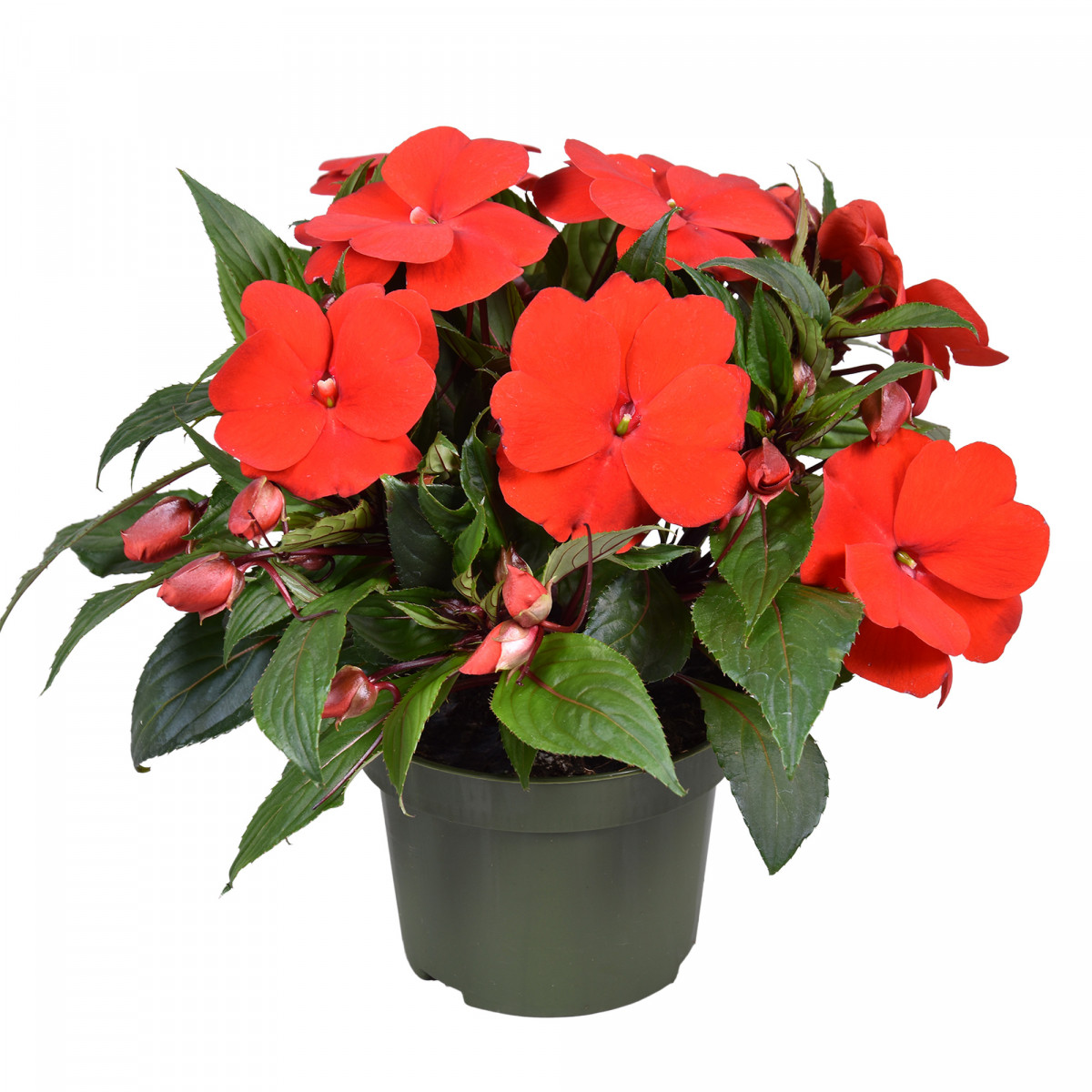
Will New Guinea Impatients Survive Cold Weather? Essential Tips
Are you wondering if your vibrant New Guinea Impatiens can brave the chill of the cold weather? You’re not alone.
Many gardeners face the challenge of keeping their beloved blooms alive as temperatures drop. There’s something heart-wrenching about seeing your carefully nurtured plants struggle against the cold. But fear not! You’ll discover simple strategies to help your New Guinea Impatiens not just survive, but thrive when the weather turns frosty.
By the end, you’ll have the confidence to protect your plants and keep your garden a burst of color, even in the cold. Stay with us, and unlock the secrets to maintaining your garden’s beauty year-round.
New Guinea Impatiens Basics
New Guinea Impatiens are bright and colorful flowering plants. They are popular for gardens and shaded areas.
These plants need warm temperatures and do not like cold weather. Knowing their needs helps gardeners keep them healthy.
Native Climate And Habitat
New Guinea Impatiens grow naturally in tropical areas. They come from the island of New Guinea.
- Their native climate is warm and humid.
- They grow well in shaded forests.
- Rainfall is frequent in their habitat.
- Temperatures usually stay above 60°F (15°C).
- They do not survive frost or freezing temperatures.
Plant Characteristics
These plants have thick, waxy leaves that hold moisture. Their flowers come in many colors like red, pink, white, and purple.
| Feature | Description |
| Leaf Texture | Thick and waxy |
| Flower Colors | Red, pink, white, purple |
| Growth Height | 12 to 24 inches |
| Temperature Tolerance | Above 60°F (15°C) |
| Light Preference | Partial to full shade |

Credit: m.youtube.com
Cold Weather Effects
New Guinea Impatiens are tropical plants that prefer warm and humid conditions.
Cold weather can harm these plants in many ways, affecting their growth and survival.
Temperature Sensitivity
New Guinea Impatiens do not tolerate cold temperatures well. They start to suffer damage below 50°F (10°C).
- Leaves may wilt or turn brown when cold.
- Growth slows down or stops in low temperatures.
- Frost can kill the plant quickly.
- Cold stress weakens the plant’s immune system.
Signs Of Cold Damage
| Sign | Description |
| Leaf discoloration | Leaves turn yellow or brown at edges |
| Wilting | Leaves and stems droop and lose firmness |
| Black spots | Dark patches appear on leaves or stems |
| Stem collapse | Stems become soft and fall over |
| Slow growth | New leaves and flowers grow very slowly or stop |
Protecting Plants From Cold
New Guinea Impatiens are tropical plants that do not like cold weather. Cold can harm or kill these plants quickly. Protecting them from cold is very important for their survival.
There are ways to keep New Guinea Impatiens safe both indoors and outdoors. Understanding these methods helps you care for your plants better during cold days.
Ideal Indoor Conditions
New Guinea Impatiens grow well inside when temperatures stay above 60°F (15°C). They need bright, indirect light and good air circulation. Avoid placing them near cold windows or drafts.
Keep the soil moist but not wet. Use a pot with good drainage to stop water from sitting at the roots. Indoor humidity should be moderate to keep leaves healthy.
- Temperature: 65-75°F (18-24°C)
- Light: Bright, indirect sunlight
- Water: Keep soil moist, not soggy
- Humidity: Moderate, avoid dry air
- Avoid cold drafts and windows
Outdoor Protection Methods
When kept outside, New Guinea Impatiens need protection from frost and cold winds. Cover plants with frost cloths or garden blankets during cold nights. This helps keep the heat close to the plant.
Move pots to sheltered spots like patios or near walls. Mulching around the base can protect roots from freezing. Avoid watering late in the day to reduce frost damage risk.
- Cover plants with frost cloth or blankets
- Move pots to sheltered or sunny areas
- Use mulch to protect roots
- Do not water late in the day
- Remove covers in the morning to avoid overheating

Credit: www.pennlive.com
Watering And Soil Tips
New Guinea Impatiens are tropical plants. They may struggle in cold weather. Proper watering and soil care help them survive cold seasons.
These tips focus on adjusting water needs and using the best soil mix. This will keep your plants healthy during cooler months.
Adjusting Water Needs
Cold weather slows down plant growth. New Guinea Impatiens need less water in this time. Overwatering can cause root rot.
Check the soil before watering. Water only if the top inch feels dry. Water early in the day to avoid cold, wet nights.
- Reduce watering frequency in cold weather
- Keep soil slightly moist, not wet
- Avoid watering late in the day
- Use room temperature water to avoid shock
Best Soil Mix For Cold Seasons
Well-draining soil is key for New Guinea Impatiens in cold weather. Good soil prevents water from sitting around roots.
Mix soil with ingredients that keep it light and airy. This helps roots get oxygen and avoid freezing damage.
- Use equal parts potting soil and peat moss
- Add perlite or sand for drainage
- Avoid heavy clay soils that hold water
- Keep soil slightly acidic to neutral (pH 6.0-7.0)
Fertilizing In Cold Weather
New Guinea Impatiens are tropical plants that prefer warm weather. Cold weather can slow their growth and affect nutrient uptake.
Fertilizing during cold weather needs special care. The timing and type of fertilizer can help plants survive better.
Fertilizer Timing
Apply fertilizer when the soil temperature is above 50°F (10°C). Cold soil slows nutrient absorption.
Feed your New Guinea Impatiens every two to four weeks during the growing season. Avoid fertilizing when plants are dormant.
- Check soil temperature before fertilizing
- Fertilize less often in cold months
- Stop feeding if plants show no growth
Nutrient Choices
Use balanced fertilizers with equal parts nitrogen, phosphorus, and potassium. This supports healthy leaves and roots.
Choose slow-release fertilizers to avoid nutrient burn. Liquid feeds can help if the plant needs a quick boost.
- Balanced N-P-K fertilizers (like 10-10-10)
- Slow-release forms reduce risk in cold soil
- Liquid fertilizers for quick nutrient supply

Credit: www.yahoo.com
Common Problems In Cold
New Guinea Impatiens can struggle in cold weather. Cold causes many problems that affect their growth.
It is important to know what issues appear when temperatures drop. This helps keep plants healthy.
Pests And Diseases
Cold weather can make New Guinea Impatiens weaker. This invites pests and diseases to attack.
Common pests include spider mites and aphids. These insects suck plant juices and cause damage.
- Spider mites cause yellow spots on leaves
- Aphids make leaves curl and wilt
- Fungal diseases like powdery mildew grow faster in cold, damp places
Stress Symptoms
Cold stress shows in many ways on New Guinea Impatiens. Plants slow their growth and look unhealthy.
Leaves may turn yellow or brown. Wilting and leaf drop can happen too. These signs show the plant is struggling.
- Yellow or brown leaves
- Wilting stems and leaves
- Slow or stopped growth
- Leaves falling off
Reviving Cold-damaged Plants
New Guinea Impatiens are tropical plants. Cold weather can harm their leaves and stems.
It is important to care for them after cold damage. This helps the plants recover and grow again.
Pruning Strategies
Remove damaged parts of the plant carefully. Cut off dead leaves and stems to help new growth.
Use clean, sharp scissors or pruning shears. This prevents infection and helps the plant heal faster.
- Cut back brown or black leaves
- Trim stems that feel soft or mushy
- Leave healthy green parts intact
- Make clean cuts just above a leaf node
Recovery Techniques
Keep plants in a warm, bright place but out of direct sunlight. This helps them regain strength without stress.
Water the plants lightly and avoid overwatering. Too much water can cause root problems in cold-damaged plants.
- Use a balanced fertilizer after pruning
- Maintain humidity with misting or a humidity tray
- Check regularly for new growth or signs of stress
- Avoid moving plants too much during recovery
Frequently Asked Questions
Can New Guinea Impatiens Tolerate Cold Weather?
New Guinea Impatiens prefer warm temperatures above 60°F. They cannot tolerate frost or prolonged cold. Cold weather may cause wilting and damage.
How To Protect New Guinea Impatiens In Winter?
Bring plants indoors or use frost cloths to shield them. Keep them in bright, indirect light and avoid cold drafts.
What Temperature Range Is Ideal For New Guinea Impatiens?
Ideal temperatures range between 65°F and 75°F. Temperatures below 50°F can stress the plants and slow growth.
Will New Guinea Impatiens Survive Frost Exposure?
No, frost exposure usually kills New Guinea Impatiens. It is essential to avoid frost to keep them healthy.
Conclusion
New Guinea Impatiens face challenges in cold weather. They prefer warm, humid conditions to grow well. Sudden cold can damage their leaves and stems. Protecting them with covers or bringing them indoors helps survival. Choosing the right planting spot matters a lot.
With care, these plants can survive mild chills. Extreme cold, though, will likely harm them. Watch the weather and act quickly. Healthy plants recover better from cold stress. Growing New Guinea Impatiens is rewarding with proper care.