What Temperature Can Cannabis Plants Survive Cold?
Are you worried about how cold weather might affect your cannabis plants? Understanding the temperature limits your plants can handle is key to keeping them healthy and thriving.
If you’ve ever wondered, “What temperature can a cannabis plant survive cold weather? ” you’re in the right place. This article will give you clear answers and practical tips to protect your plants from the chill. Keep reading to learn how to safeguard your cannabis garden when temperatures drop.
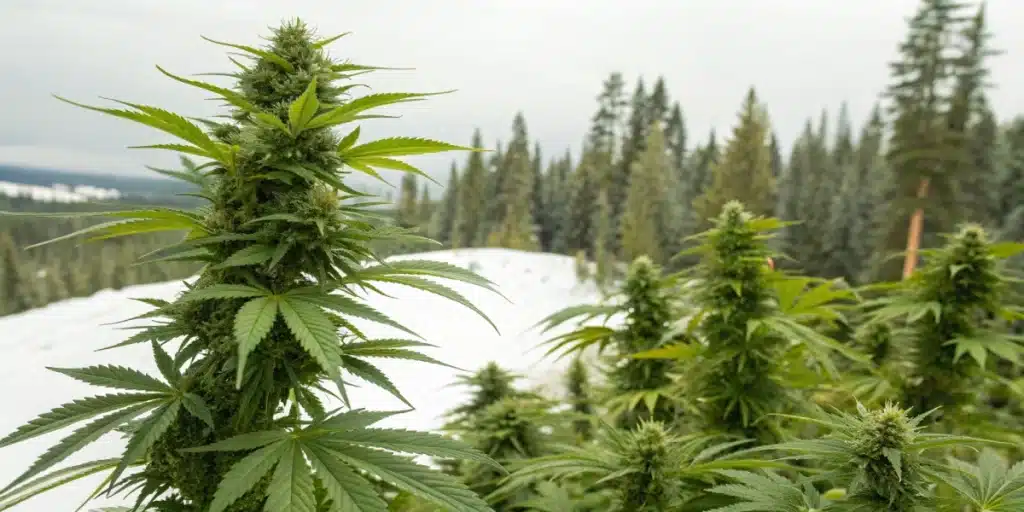
Credit: blimburnseeds.com
Ideal Temperature Range
Cannabis plants need the right temperature to grow well. Cold weather can harm them. Knowing the ideal temperature range helps keep plants healthy.
Both daytime and nighttime temperatures affect the plant’s survival. Let’s look at what temperature ranges cannabis plants prefer during these times.
Daytime Temperature Needs
During the day, cannabis plants thrive between 70°F and 85°F (21°C to 29°C). Temperatures below 60°F (15°C) slow growth. Above 85°F, the plants may get stressed.
- Ideal range: 70°F to 85°F (21°C to 29°C)
- Growth slows below 60°F (15°C)
- Stress happens above 85°F (29°C)
- Keep plants in warm, well-lit areas
Nighttime Temperature Limits
Nighttime temperatures should be cooler but not too cold. Cannabis can survive down to about 50°F (10°C) at night. Temperatures below this can cause damage.
| Temperature | Effect on Cannabis Plants |
| Above 60°F (16°C) | Good for night recovery |
| 50°F to 60°F (10°C to 16°C) | Safe but slow growth |
| Below 50°F (10°C) | Risk of cold damage |
| Below 32°F (0°C) | Plants cannot survive |

Credit: www.greenavengerseeds.com
Effects Of Cold Stress
Cannabis plants are sensitive to cold temperatures. Cold stress can harm their growth and health. Understanding the effects helps growers protect their plants.
When temperatures drop too low, cannabis plants show signs of damage. These signs include slower growth, leaf problems, and root issues. Let’s explore these effects.
Growth Slowdown
Cold weather slows down cannabis plant growth. The plant’s metabolism drops. This means it uses less energy to grow. The result is smaller plants and slower development.
Low temperatures reduce the plant’s ability to make food through photosynthesis. This causes the plant to save energy and slow its growth cycle.
Leaf Damage
Cold stress causes leaf damage in cannabis plants. Leaves can turn yellow or brown. They may also curl or develop spots. These changes reduce the plant’s ability to absorb sunlight.
- Yellowing of leaf edges
- Brown spots on leaf surfaces
- Leaf curling and wilting
- Frost damage in extreme cold
Root System Impact
Cold temperatures harm the cannabis root system. Roots grow slower and can become damaged. Damaged roots take in less water and nutrients. This weakens the whole plant.
| Root Damage Type | Effect on Plant |
|---|---|
| Slow root growth | Limits nutrient uptake |
| Root rot from cold moisture | Causes plant stress and death |
| Reduced root activity | Decreases water absorption |
Critical Temperature Thresholds
Cannabis plants are sensitive to cold weather. Knowing their critical temperature limits helps protect them.
This guide explains the minimum survival temperature, frost sensitivity, and freezing point risks for cannabis.
Minimum Survival Temperature
Cannabis plants can survive cold, but only to a certain low temperature. Below this, they may die.
The minimum survival temperature is usually around 40°F (4°C). Plants become stressed below this point.
- Temperatures above 50°F (10°C) are safe for growth.
- 40°F (4°C) is the critical survival limit.
- Below 40°F, plant damage starts.
Frost Sensitivity
Cannabis plants are very sensitive to frost. Even light frost can harm leaves and stems.
Frost forms when temperatures drop near freezing at night. This can cause damage quickly.
- Frost occurs at 32°F (0°C) or below.
- Leaves may turn brown or black after frost.
- Frost weakens plant health and growth.
Freezing Point Risks
Freezing temperatures are very dangerous for cannabis. Ice crystals inside cells can cause death.
Once freezing occurs, plant tissues often suffer irreparable damage and the plant may not recover.
- Freezing point is 32°F (0°C) or lower.
- Ice damages plant cell walls.
- Freezing can kill the entire plant.
Cold Protection Techniques
Cannabis plants can survive cold weather if you protect them well. Cold stress can slow growth and damage plants. Using the right techniques helps keep them healthy.
This guide covers indoor climate control, outdoor insulation methods, and the use of heat mats and covers. These methods help maintain the right temperature for your plants.
Indoor Climate Control
Growing cannabis indoors allows better control of temperature and humidity. Use heaters and fans to keep the air warm and moving. A thermostat helps keep the temperature steady.
- Set heater to keep temperature above 50°F (10°C)
- Use fans to avoid cold spots and improve air circulation
- Monitor humidity to prevent mold and stress
- Use grow lights that produce some heat
Outdoor Insulation Methods
Outdoor cannabis plants need extra protection in cold weather. Use materials that trap heat and block cold winds. Mulching around the base keeps roots warmer.
| Insulation Method | Description | Benefit |
| Mulch | Layer of straw or leaves around roots | Keeps soil temperature stable |
| Frost Cloth | Light fabric cover over plants | Blocks frost and cold air |
| Windbreaks | Barriers like fences or shrubs | Reduces wind chill |
| Cold Frame | Transparent box or cover over plants | Traps sunlight and heat |
Use Of Heat Mats And Covers
Heat mats and covers provide direct warmth to cannabis plants. They are especially useful for seedlings and clones. Place heat mats under pots to warm the roots.
- Use heat mats rated for plant growth
- Cover plants with plastic or fabric to trap heat
- Check temperature regularly to avoid overheating
- Remove covers during the day for ventilation
Cold Tolerant Cannabis Strains
Cannabis plants can survive cold weather if the temperature does not drop too low. Some strains have better resistance to cold than others. Growing cold tolerant strains helps farmers in cooler climates protect their plants.
Understanding the genetics and types of hardy strains can help you choose the best plants for cold weather. These strains have special traits that allow them to survive frost and low temperatures.
Genetic Adaptations
Cold tolerant cannabis strains have genes that help protect them from frost and cold stress. These genes control how the plant manages water and sugar inside its cells. This helps prevent ice crystals from forming and damaging the plant.
Some strains have thicker leaves and stronger cell walls. These features reduce water loss and keep the plant warm. The plant’s natural ability to slow down growth in cold weather also protects it.
- Genes that increase frost resistance
- Thicker leaves and cell walls
- Ability to reduce growth in cold
- Improved water and sugar management
Popular Hardy Strains
Some cannabis strains are known for their ability to grow well in cold climates. These strains can handle temperatures close to freezing without damage. They are often used by growers in northern regions.
- Durban Poison – a strong outdoor strain from South Africa
- White Widow – famous for its thick resin and cold tolerance
- Early Skunk – matures quickly and resists cold weather
- Frisian Dew – bred specifically for northern European climates
- Blueberry – handles cold and produces sweet flavors
Signs Of Cold Damage
Cannabis plants show clear signs when exposed to cold weather. Cold stress slows growth and harms leaves.
Recognizing these signs early helps you protect your plants better.
Wilting And Discoloration
Cold temperatures cause leaves to wilt and lose their color. Leaves may turn dark green, purple, or brown.
- Leaves droop and curl
- Leaf tips and edges turn yellow or brown
- Plants look weak and limp
- Some leaves may fall off
Bud Development Issues
Cold weather affects how buds grow and mature. Buds may become small or fail to develop fully.
| Cold Damage Effect | Description |
| Slow Growth | Buds take longer to form and mature |
| Bud Rot Risk | Cold and damp conditions increase mold chances |
| Reduced Resin | Resin production drops, lowering potency |
| Misshapen Buds | Buds may look uneven or shriveled |
Recovery From Cold Exposure
Cannabis plants can survive some cold, but low temperatures cause stress. Recovery needs care and attention.
Knowing how to help plants bounce back is key after cold weather damage.
Reviving Stressed Plants
After cold exposure, look for signs like drooping leaves or discoloration. Act fast to help plants heal.
- Move plants to a warmer spot with stable temperature.
- Reduce watering to avoid root rot but keep soil slightly moist.
- Trim damaged leaves to help energy focus on new growth.
- Use gentle airflow to prevent mold and strengthen stems.
- Apply mild nutrients to support recovery but avoid overfeeding.
Preventing Future Damage
Protect plants from future cold with simple strategies. Prevention saves time and keeps growth steady.
| Method | Description |
| Temperature Control | Keep environment above 50°F (10°C) for outdoor plants. |
| Covering Plants | Use frost cloths or plastic covers at night. |
| Proper Watering | Water in the morning to avoid frozen roots. |
| Location Choice | Plant in spots with good sun and wind protection. |
| Use Heaters or Lights | Provide extra warmth during cold snaps indoors. |

Credit: www.kannabia.com
Frequently Asked Questions
What Temperature Can Cannabis Plants Survive In Cold Weather?
Cannabis plants can survive temperatures as low as 32°F (0°C). Prolonged exposure below this can cause damage or death. Protect plants during frost to ensure survival.
How Does Cold Weather Affect Cannabis Plant Growth?
Cold weather slows cannabis growth by reducing photosynthesis. It can cause nutrient uptake issues and stress plants. This results in weaker, smaller yields if not managed.
Can Cannabis Plants Recover After Exposure To Frost?
Yes, cannabis plants can recover if frost damage is minimal. Promptly warming and protecting plants helps. Severe frost damage may be irreversible, leading to plant death.
What Are The Best Methods To Protect Cannabis From Cold?
Use insulating covers, heaters, or move plants indoors. Mulching soil helps retain warmth. These methods prevent frost damage and maintain healthy growth during cold spells.
Conclusion
Cannabis plants can survive cold weather, but only to a limit. Temperatures below 50°F can slow growth and harm the plant. Frost and freezing temperatures often cause serious damage or death. Protecting plants with covers or moving them indoors helps.
Knowing the right temperature helps keep your plants healthy. Watch the weather closely during colder months. Taking simple steps can improve your cannabis plants’ survival chances. Cold weather doesn’t have to end your growing season. Keep your plants warm and they can thrive.