Can Mourning Doves Survive Cold Weather? Essential Survival Facts
Imagine waking up to the soft cooing of mourning doves outside your window. These gentle birds bring a sense of peace and warmth to any morning.
But as the temperatures drop, you might wonder, can mourning doves survive the cold weather? This question might tug at your heartstrings, especially if you’ve come to cherish their presence in your garden or neighborhood. You care about these birds, and you want to ensure they’re safe and thriving, even when winter’s chill sets in.
Understanding how mourning doves cope with cold weather is not just fascinating but also empowering. It gives you the knowledge to support them during tough times, perhaps even playing a part in their survival. Stay with us as we explore the resilience of these beautiful creatures and uncover practical ways you can help. Your curiosity and compassion can make a real difference. Let’s dive in to find out more.
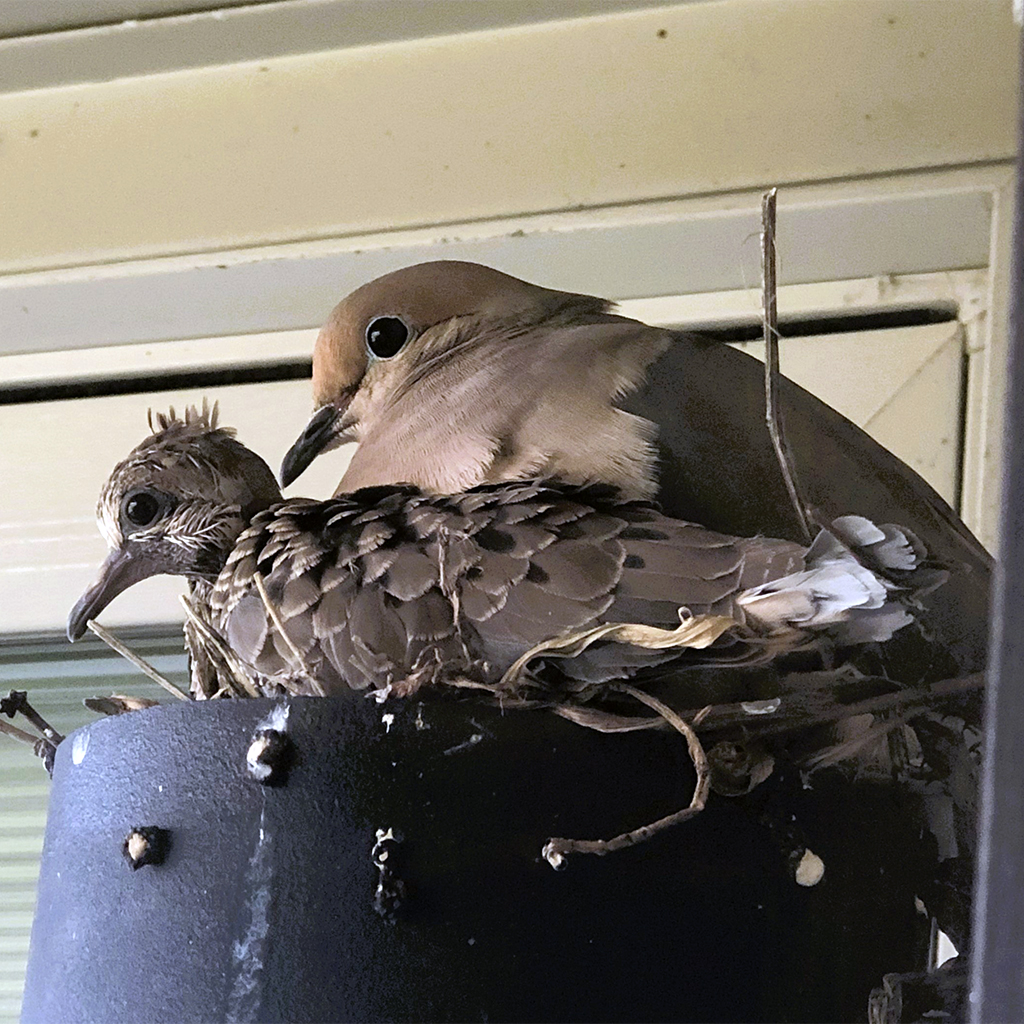
Credit: www.cambridgeday.com
Mourning Doves And Cold Climates
Mourning doves are common birds found across North America. People often wonder if they can survive cold winter weather.
This article explains how mourning doves handle cold climates and what helps them survive winter conditions.
Physical Adaptations For Cold Weather
Mourning doves have feathers that keep them warm in cold weather. Their feathers trap air close to the body, providing insulation.
They also fluff up their feathers to create more air pockets. This helps reduce heat loss during cold days and nights.
Mourning doves change their behavior to stay warm. They often roost together in groups to share body heat.
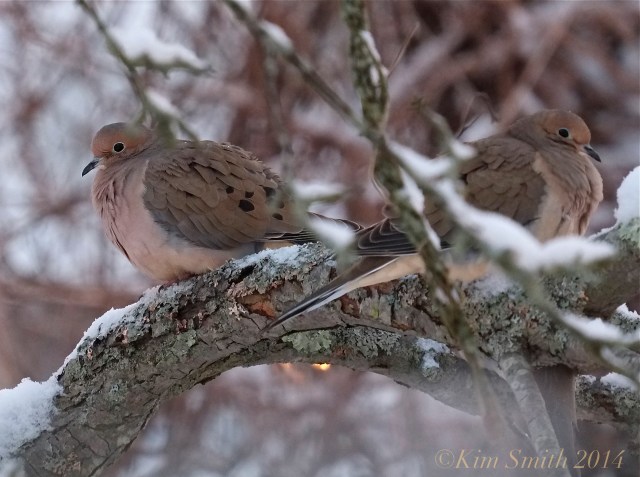
These birds look for sheltered places like thick bushes or tree branches to protect themselves from wind and snow.
- Roosting in groups
- Choosing sheltered spots
- Reducing activity to save energy
Diet Changes During Cold Seasons
Mourning doves eat mostly seeds. In cold weather, they seek high-energy foods to keep warm.
They may spend more time feeding and look for food in bird feeders or open areas where seeds are available.
- Eating more seeds with high fat content
- Visiting bird feeders often
- Foraging during warmer parts of the day
Challenges Mourning Doves Face In Cold Weather
Cold weather can be hard for mourning doves. Snow and ice can cover food sources and make feeding difficult.
Extreme cold can also cause hypothermia, especially if birds cannot find shelter or enough food.
- Food shortage during heavy snow
- Exposure to freezing temperatures
- Predators more active near shelters
Physical Adaptations To Cold
Mourning doves face cold weather with special body features. These help them keep warm and survive low temperatures.
Understanding their physical adaptations shows how they stay safe during winter months.
Feather Insulation
Mourning doves have thick feathers that trap warm air close to their skin. This creates a natural barrier against the cold.
- Their feathers fluff up to increase insulation.
- Down feathers provide extra warmth under the outer layer.
- Feathers also protect against wind and moisture.
Body Fat Reserves
These birds store body fat before cold seasons. Fat acts as an energy reserve and helps keep their bodies warm.
| Type of Fat | Purpose |
| Subcutaneous Fat | Insulates under the skin |
| Visceral Fat | Provides energy during scarce food supply |
Behavioral Strategies In Winter
Mourning doves face cold weather by changing their behavior. These changes help them stay warm and survive. They use simple but effective ways to handle winter challenges.
Understanding these behaviors shows how birds adapt to cold. It also helps bird watchers know what to expect during winter.
Seeking Shelter
Mourning doves look for safe places to stay warm. They hide in thick bushes or trees that block cold winds. Sheltering reduces heat loss and protects them from harsh weather.
Sometimes, doves gather in groups inside shelters. This sharing of body heat helps them survive cold nights better than being alone.
Fluffing Feathers
Fluffing feathers traps warm air close to the body. Mourning doves puff up their feathers to create an insulating layer. This small change keeps their body heat inside and cold air out.
- Fluffed feathers look bigger and rounder
- Warm air stays trapped near the skin
- Birds can adjust fluffing all day long
Sunbathing Habits
Mourning doves enjoy sunbathing on cold days. They sit in sunny spots to warm their bodies. The sun’s heat helps raise their body temperature without using energy.
Sunbathing also helps dry feathers if they get wet. This keeps doves healthy and ready to face the cold weather again.
Diet Changes During Winter
Mourning doves face cold weather by changing their diet. They eat different foods than in warm seasons.
Winter makes some food sources hard to find. These birds adapt to survive the cold months.
Food Sources Availability
Seeds are the main food for mourning doves in winter. Many plants stop producing seeds in cold weather.
Doves look for seeds from leftover crops and wild plants. They also eat grains from farms and bird feeders.
- Wild grass seeds
- Weed seeds
- Farm grains like corn and wheat
- Seeds from bird feeders
Foraging Techniques
Mourning doves change how they search for food in winter. They spend more time on the ground looking for seeds.
They also visit bird feeders near homes. This helps them find steady food when wild seeds are scarce.
- Searching open fields for seeds
- Visiting farms for leftover grains
- Using bird feeders for extra food
- Foraging in small groups for safety
Migration Patterns Related To Cold
Mourning doves face challenges during cold weather. Their survival often depends on how they move in response to winter. Understanding their migration helps explain how they cope with harsh climates.
Not all mourning doves migrate the same way. Some move far south, while others stay closer to home. This variation is called partial migration.
Partial Migration
Partial migration means only some birds leave an area during cold months. Some mourning doves stay in northern regions, while others travel south.
- Birds in milder climates often remain year-round.
- Those in colder zones tend to migrate to warmer areas.
- Migration distance can vary from short to long trips.
This strategy helps balance energy use and food access. Staying put saves travel energy. Moving south avoids freezing conditions.
Factors Influencing Movement
| Factor | Effect on Movement |
| Temperature | Lower temperatures push birds south for warmth. |
| Food Availability | Scarce food causes doves to seek better feeding grounds. |
| Day Length | Shorter days signal time to migrate. |
| Age and Health | Younger or weaker birds may migrate less or more. |
These factors combine to guide where and when mourning doves move during cold weather. Their migration patterns show a flexible response to winter challenges.

Credit: www.cambridgeday.com
Challenges Mourning Doves Face In Winter
Mourning doves are common birds that live in many places. Cold weather brings many problems for these birds. They must find food, water, and stay safe from danger.
Winter is tough because food is scarce and temperatures are low. Mourning doves need to work hard to survive the cold months.
Predation Risks
Cold weather makes mourning doves slower and less alert. This increases their chances of being caught by predators. Hawks and owls hunt more in winter because food is harder to find.
Snow and ice cover the ground, making it hard for doves to hide. They must stay extra careful and find safe places to rest.
Energy Conservation
Mourning doves need energy to keep warm in winter. Their bodies use more calories to stay warm. Finding enough food is a big challenge because seeds and grains are hidden or covered by snow.
To save energy, doves reduce their activity. They stay still and fluff their feathers to trap heat. This helps them survive the cold nights.
Water Scarcity
Water is hard to find in winter because lakes and ponds freeze. Mourning doves need water to stay healthy and digest food. Without fresh water, they can get dehydrated quickly.
Doves search for open water or eat snow to stay hydrated. This takes extra energy and can be risky if predators are nearby.
Human Impact On Winter Survival
Mourning doves face many challenges in cold weather. Humans affect how these birds survive the winter. Our actions can help or harm their chances of survival.
People change the environment and food supply. These changes make a big difference for mourning doves during cold months.
Feeding Stations
Feeding stations provide food when natural sources are scarce. Many people put out seeds for mourning doves in winter. This helps birds get enough energy to stay warm.
Regular feeding can increase dove survival rates. But feeding stations need to be clean to avoid spreading diseases. Feeding should also be consistent, so birds do not go hungry.
- Offer seeds like millet and cracked corn
- Keep feeders clean to stop illness
- Feed daily during very cold weather
- Place feeders in safe, quiet areas
Habitat Changes
Humans change dove habitats by cutting trees and building structures. These changes reduce places for shelter and nesting. Without good habitat, doves find it hard to survive winter cold.
Protecting natural areas helps mourning doves. Planting shrubs and trees can give them cover. Avoiding large clearings keeps the temperature more stable for birds.
- Preserve trees and bushes for shelter
- Limit land clearing near dove habitats
- Plant native plants to support food supply
- Create safe spaces away from predators

Credit: www.yahoo.com
Frequently Asked Questions
Can Mourning Doves Survive Freezing Temperatures?
Yes, mourning doves can survive freezing temperatures by fluffing their feathers for insulation. They also find shelter in dense vegetation or cavities to stay warm during cold weather.
How Do Mourning Doves Stay Warm In Winter?
Mourning doves conserve heat by roosting closely together and fluffing their feathers. They seek sheltered spots away from wind and use their body heat to endure cold conditions.
Do Mourning Doves Migrate Because Of Cold Weather?
Some mourning doves migrate south to avoid extreme cold. However, many adapt by staying in their habitat and using natural shelters to survive winter.
What Food Helps Mourning Doves Survive Cold Weather?
Mourning doves eat seeds high in fat and energy during winter. Providing sunflower seeds or millet can help them maintain energy and body heat in cold weather.
Conclusion
Mourning doves show great strength in cold weather. They fluff their feathers to keep warm. These birds also find shelter in trees and bushes. Food is harder to find, but they adapt well. Their survival depends on finding enough seeds and water.
Watching them in winter reveals their tough nature. They remind us that nature finds a way. Keep feeding birds during cold months to help them. They survive best when we provide extra care. Nature’s resilience shines through these gentle doves.