How One Neighborhood Survived Extreme Conditions After Hurricane Katrina: Inspiring Resilience and Hope
Imagine waking up to find your neighborhood in ruins. Homes are flooded, streets are unrecognizable, and the very fabric of your daily life is shredded by a force of nature.
That’s what residents faced in the aftermath of Hurricane Katrina. But amidst the chaos, one neighborhood stood out. It not only survived but found strength in adversity. You’ll discover how determination, community spirit, and innovative thinking can rebuild lives and homes.
As you read on, you’ll uncover the secrets to their resilience and perhaps find a blueprint for overcoming your own challenges. Ready to be inspired by their incredible story?
Neighborhood Before Katrina
This neighborhood had a strong spirit and close community ties. People knew each other and shared many traditions.
Life was shaped by the culture and the local economy. Families lived here for generations, making it a special place.
Community Life And Culture
The neighborhood had many events that brought people together. Music, food, and celebrations were part of daily life.
- Weekly community gatherings
- Local music festivals
- Neighborhood potlucks
- Church and school activities
Economic And Social Landscape
The economy depended on small businesses and local jobs. People worked in shops, schools, and nearby industries.
| Sector | Type of Jobs | Community Role |
|---|---|---|
| Retail | Shop owners, clerks | Daily needs and social spot |
| Education | Teachers, staff | Learning and youth support |
| Manufacturing | Factory workers | Steady income source |
Impact Of Hurricane Katrina
Hurricane Katrina struck in August 2005. It caused great damage and changed many lives. One neighborhood showed strong courage to survive the hard times.
This article tells how the storm hit and what the people faced right after the disaster.
Damage And Devastation
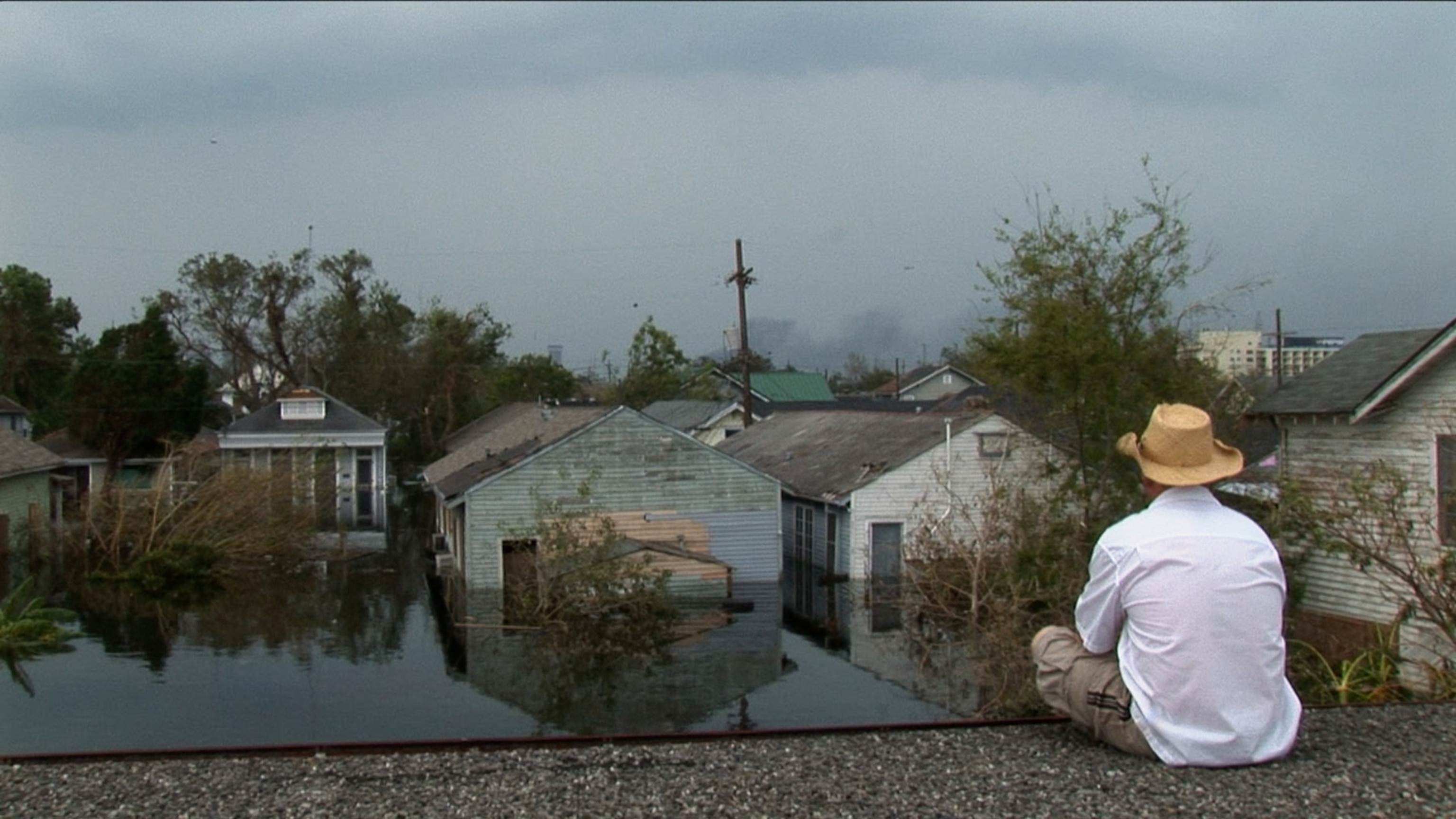
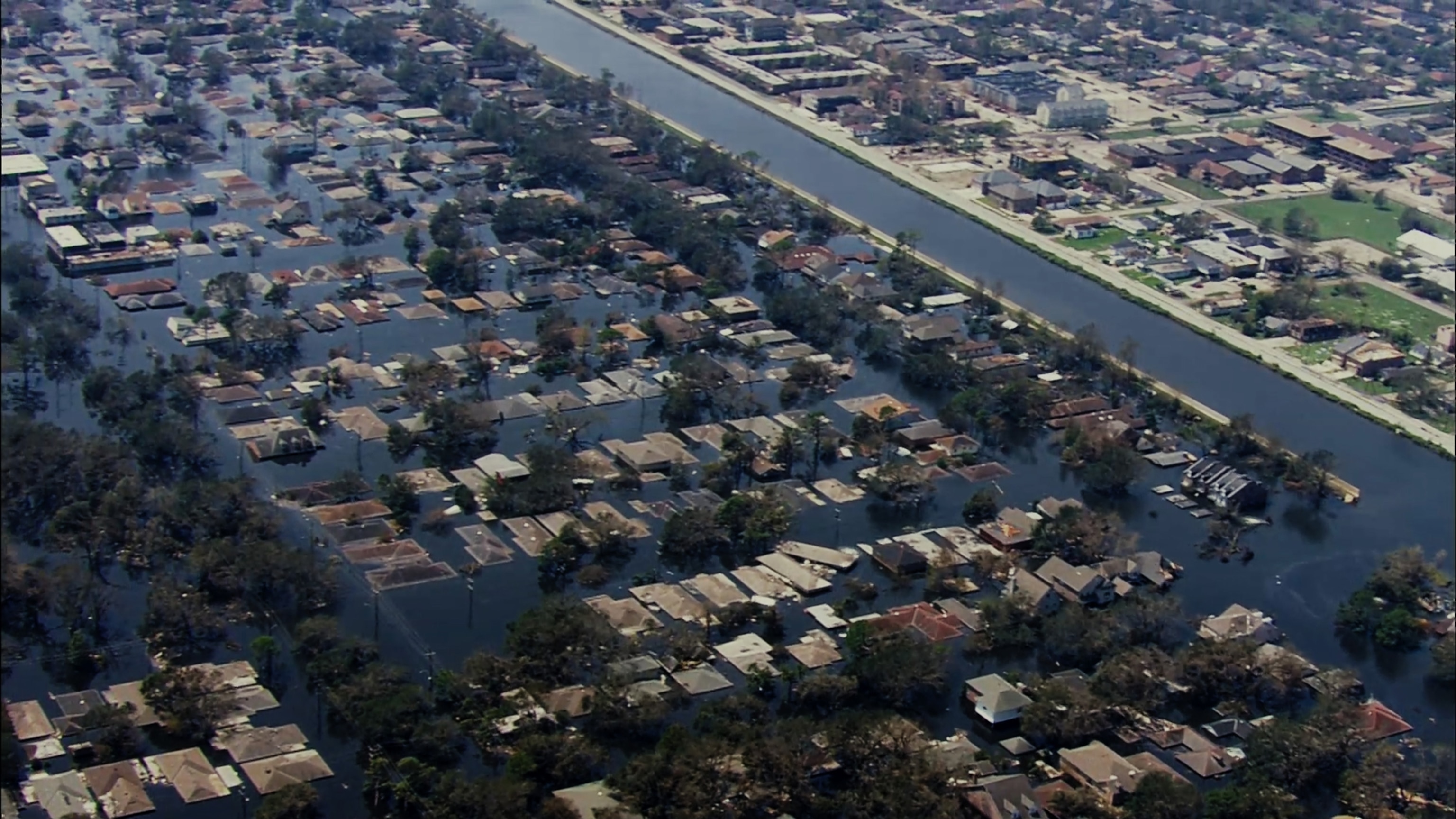
The hurricane brought heavy winds and huge floods. Homes, roads, and power lines were destroyed. Many families lost their belongings and places to live.
- Floodwaters reached several feet high
- Electricity was cut off for weeks
- Many buildings were left unsafe
- Local stores and services closed down
- Cars and boats were damaged or lost
Immediate Challenges Faced
After the storm, people had to deal with many problems at once. They needed food, clean water, and shelter. Roads were blocked, and communication was hard.
| Challenge | Effect on Neighborhood |
| Flooding | Homes and streets underwater |
| Power Outage | No lights or refrigeration |
| Food Shortage | Limited access to groceries |
| Transportation Blocked | Emergency help delayed |
| Health Risks | Spread of diseases |
Community Response
After Hurricane Katrina, one neighborhood faced extreme challenges. The community showed strong unity and care for each other. Their response helped them survive tough times.
Residents worked together to rebuild homes and support families. Their actions gave hope and strength to everyone around.
Local Leadership And Initiative
Local leaders stepped up quickly after the storm. They organized cleanups and shared resources with neighbors. Their clear plans helped the community stay safe.
Community centers became hubs for information and supplies. Leaders made sure everyone knew where to get help and how to stay healthy.
- Set up emergency shelters
- Coordinate food and water distribution
- Inform residents about safety measures
- Work with outside aid groups
Neighbor-to-neighbor Support
Neighbors helped each other by sharing food and tools. They checked on elderly and sick residents daily. This care made the neighborhood stronger.
People volunteered to repair homes and clear debris. Their kindness created a sense of hope and trust. Everyone knew they were not alone.
- Sharing meals and water
- Helping with home repairs
- Watching over children and elders
- Offering emotional support
Rebuilding Efforts
After Hurricane Katrina, one neighborhood faced great challenges. The storm damaged homes and streets badly. People needed to rebuild their community from the ground up.
The rebuilding process took time and hard work. Many came together to restore homes and fix infrastructure. Their efforts show how strong a community can be.
Restoring Homes And Infrastructure
Many houses were flooded or destroyed. Builders started by clearing debris and drying buildings. They fixed roofs, walls, and windows first.
Roads and bridges were also damaged. Repair crews worked to restore power lines and water pipes. This helped bring the neighborhood back to life.
- Clearing debris from streets and yards
- Fixing broken roofs and walls
- Restoring electricity and water services
- Repairing roads and bridges
Role Of Volunteers And Organizations
Volunteers came from near and far to help. They cleaned homes, built new houses, and gave supplies. Their work made rebuilding faster and easier.
Organizations provided money and tools. They also trained local workers. Together, volunteers and groups built a stronger neighborhood.
- Volunteers cleaned and repaired homes
- Organizations supplied funds and materials
- Training programs helped local workers
- Community events kept spirits high
Resilience In Daily Life
After Hurricane Katrina, one neighborhood showed strength through tough times. People worked together and kept hope alive every day.
Their resilience helped them face challenges and rebuild their community step by step.
Coping Mechanisms And Adaptation
Residents found ways to adjust to new living conditions. They shared resources and helped each other stay safe.
- Neighbors exchanged food and water
- Families repaired homes together
- Community groups created local support networks
- Children attended makeshift schools to keep learning
- People stayed informed through word of mouth and radios
Preserving Traditions And Spirit
The neighborhood kept its culture alive by holding small gatherings. Music, food, and stories helped keep spirits high.
| Tradition | How It Helped |
| Community Cookouts | Built bonds and shared meals |
| Local Music | Lifted moods and kept culture alive |
| Storytelling | Passed down history and hope |
| Religious Services | Offered comfort and strength |
Credit: www.nationalgeographic.com
Lessons Learned
The neighborhood’s survival after Hurricane Katrina offers valuable lessons. These lessons focus on preparing for disasters and building strong community ties.
Understanding these lessons can help other communities face future challenges with more strength and unity.
Preparedness For Future Disasters
Preparation is key to surviving extreme weather events. The community learned to plan ahead and act quickly.
- Create emergency kits with food, water, and medicine
- Develop clear evacuation routes and plans
- Train residents in first aid and safety skills
- Keep communication tools ready for power outages
- Store important documents in safe, waterproof places
Strengthening Community Bonds
Strong community bonds helped neighbors support each other during the crisis. Trust and teamwork made recovery faster and easier.
| Community Action | Benefit |
| Neighborhood meetings | Share information and plan together |
| Shared resources | Access to food, water, and tools |
| Volunteer groups | Help with rescue and rebuilding |
| Support networks | Emotional and practical help |
Inspiring Stories
After Hurricane Katrina, one neighborhood faced extreme floods and destruction. The residents showed great strength and hope. Their stories teach us about survival and community spirit.
These tales are about people who did not give up. They helped each other through hard times. Their courage and kindness saved many lives.
Personal Accounts Of Survival
Many families stayed in their homes despite the floods. They found ways to stay safe on rooftops or attics. Some used boats to move through water and find help.
One man shared how he kept his family together by staying calm. They shared food and water with neighbors. This helped everyone stay alive until rescue teams arrived.
Acts Of Courage And Kindness
People in the neighborhood showed bravery every day. Some risked their lives to save others trapped by the flood. They used small boats and ropes to reach those in danger.
Neighbors shared food, water, and blankets. They cared for children and the elderly. Their kindness created a strong bond that helped everyone survive.
- Volunteers rescued stranded families
- Neighbors shared limited supplies
- People comforted each other during fear
- Community leaders organized safe spots

Credit: www.theroot.com
Credit: www.nationalgeographic.com
Frequently Asked Questions
How Did The Neighborhood Prepare Before Hurricane Katrina Struck?
The neighborhood developed strong community plans and stockpiled essential supplies. Residents stayed informed through local alerts and supported each other to stay safe during the storm.
What Survival Strategies Helped The Neighborhood After Katrina?
They relied on teamwork, shared resources, and made use of local shelters. Communication and quick decision-making were key to overcoming post-storm challenges.
How Did The Community Rebuild After Extreme Hurricane Damage?
Residents worked together to repair homes and restore utilities. Local organizations and volunteers provided aid, ensuring faster recovery and stronger resilience for the future.
What Role Did Local Leadership Play In Survival Efforts?
Community leaders coordinated relief efforts, distributed resources, and maintained morale. Their guidance helped organize rescue operations and rebuild trust after the disaster.
Conclusion
This neighborhood showed true strength after Hurricane Katrina. Residents worked together and never gave up hope. They rebuilt homes and restored their community step by step. Support from neighbors and volunteers made a big difference. Their story teaches us about courage and unity.
Challenges were many, but their spirit stayed strong. This example inspires other communities facing hard times. Survival is possible with teamwork and determination. The neighborhood now stands as a symbol of hope. Their journey reminds us that people can overcome great disasters.