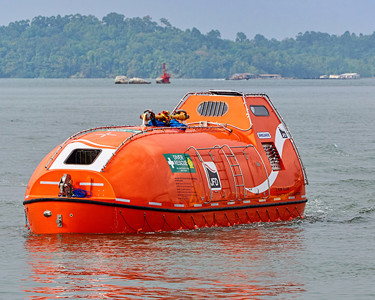
What Lifeboat Can Survive a Hurricane: Ultimate Safety Guide
Imagine you’re out at sea, the sky is darkening, and the wind is picking up. A hurricane is on the horizon, and the only thing standing between you and the fury of nature is your lifeboat.
It’s a scenario that can make your heart race. But what if you had the peace of mind knowing your lifeboat was designed to withstand such a storm? You’ll discover the crucial features that make a lifeboat hurricane-proof and how these innovations can ensure your safety when the weather takes a turn for the worse.
Whether you’re a seasoned sailor or just curious about maritime safety, understanding which lifeboats can survive a hurricane could one day be your lifesaver. Stick around, because this knowledge might just be the anchor you need in rough seas.
Hurricane Impact On Lifeboats
Lifeboats help save lives during sea emergencies. Hurricanes cause strong winds and big waves. These dangers test lifeboats’ strength and safety.
Understanding how hurricanes affect lifeboats helps improve their design. It also ensures they work well in bad weather.
Challenges Faced During Hurricanes
Hurricanes bring heavy rain, high winds, and large waves. These conditions make it hard for lifeboats to stay safe and stable. Crew members may find it difficult to board and operate lifeboats.
Strong waves can toss lifeboats around. Wind can push lifeboats off course. Visibility is low, making navigation tough.
- High waves can damage or capsize lifeboats
- Strong winds affect steering control
- Heavy rain reduces visibility
- Boarding lifeboats can be dangerous in rough seas
- Communication with rescue teams may fail
Common Lifeboat Failures
Lifeboats can fail due to poor design or damage from storms. Some lifeboats may leak or take on water. Others may lose power or steering ability.
Failure to stay sealed and afloat is a major risk. The lifeboat’s structure must resist waves and wind pressure. Equipment like engines and radios can break during hurricanes.
- Hull cracks or leaks
- Engine or motor failure
- Steering system breakdown
- Communication device malfunction
- Failure of safety harnesses or securing systems
Key Safety Requirements
Lifeboats must meet strict safety rules to survive hurricanes. They need strong hulls, watertight seals, and reliable engines. Lifeboats also require easy boarding and exit points.
Safety equipment like life jackets, emergency radios, and lights are essential. Lifeboats must be tested in rough sea conditions to ensure performance.
- Strong, impact-resistant hull design
- Watertight and self-bailing features
- Reliable engines with backup power
- Clear boarding and exit paths
- Emergency communication systems
- Proper safety gear for all passengers
- Regular maintenance and testing
Credit: rnli.org
Types Of Lifeboats For Extreme Weather
Lifeboats are vital for safety during storms at sea. They must survive strong winds and huge waves.
Different lifeboat types offer various protections in hurricanes and extreme weather.
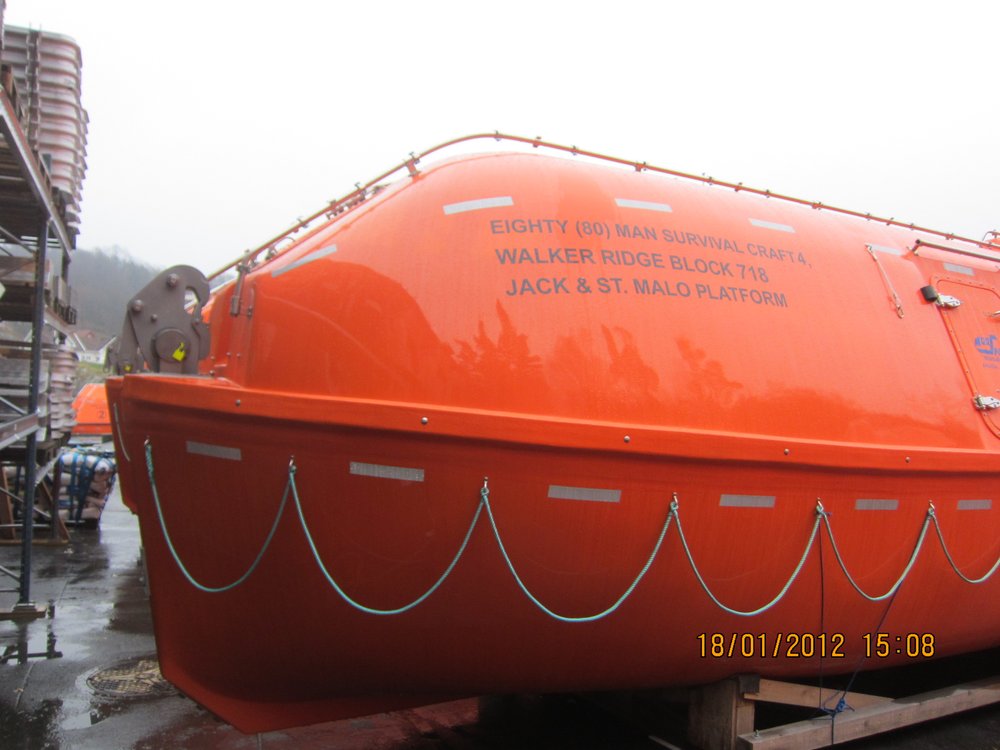
Free-fall Lifeboats
Free-fall lifeboats drop quickly from ships into the water. This helps avoid damage from high waves.
They are fully enclosed to protect people inside from harsh weather and rough seas.
- Strong hull resists wave impact
- Self-righting design ensures it stays upright
- Fast deployment saves lives in emergencies
Totally Enclosed Lifeboats
These lifeboats fully cover passengers to block wind, rain, and waves. They keep people dry and safe.
They have strong construction to survive strong storms and rough seas.
- Protects against fire and chemicals
- Equipped with emergency supplies
- Designed to float even if damaged
Inflatable Liferafts
Inflatable liferafts are lightweight and easy to store on ships. They inflate quickly during emergencies.
They offer some protection but are less strong than rigid lifeboats in hurricanes.
- Covered canopy shields passengers from rain
- Can hold many people in one raft
- Often equipped with survival kits
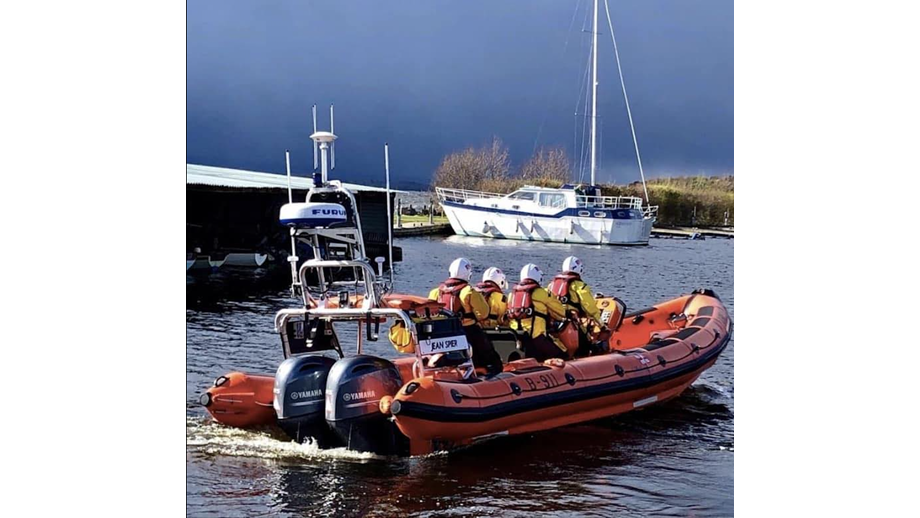
Rigid Inflatable Boats (ribs)
RIBs combine a hard hull with inflatable sides. This makes them stable and tough in rough water.
They handle waves well but may not fully protect passengers in extreme storms.
- High stability with lightweight design
- Good for quick rescue operations
- Can be launched quickly from ships
Design Features For Hurricane Survival
Lifeboats must be strong to survive hurricane conditions. They face strong winds, heavy waves, and rain.
Good design helps lifeboats keep people safe during these storms. Four key features make them ready.
Structural Strength And Materials
Lifeboats use strong materials like fiberglass and reinforced plastics. These materials resist cracks and breaks.
Frames and joints are built to handle pressure from waves and impacts. This keeps the boat intact.
Stability And Buoyancy
Stability stops the boat from tipping over in rough seas. Buoyancy keeps it floating even with heavy loads.
- Wide hulls lower the center of gravity
- Special shapes reduce rolling motion
- Air chambers provide extra float support
- Weight is balanced evenly across the boat
Waterproofing And Sealing
Strong seals prevent water from entering the lifeboat. Doors and hatches have tight gaskets.
| Component | Waterproof Feature |
| Hatches | Rubber gaskets and locking clamps |
| Windows | Laminated glass with sealed frames |
| Seams | Sealed with marine-grade adhesives |
| Drainage | Automatic pumps for water removal |
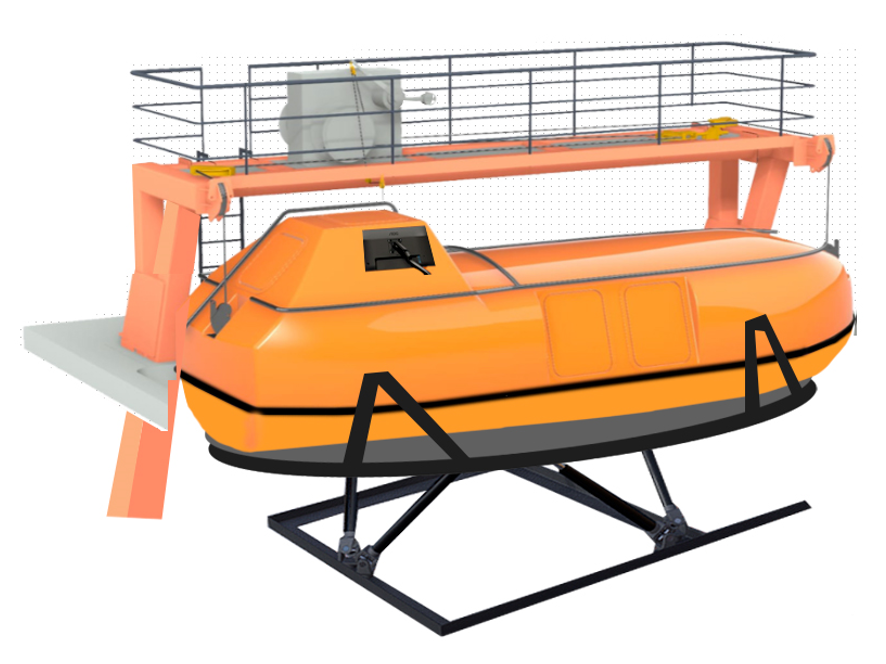
Self-righting Capabilities
Self-righting helps the lifeboat flip back if it capsizes. This works through weight placement and design.
Key elements include:
- Heavy keel or ballast low in the hull
- Curved cabin top to guide rolling back
- Symmetrical design for balance
Credit: stormsimulators.com
Essential Equipment And Safety Gear
Choosing the right equipment is vital for a lifeboat to survive a hurricane. Safety gear and tools help keep passengers safe and guide rescuers to the boat.
This guide covers key items every lifeboat must have to face a storm safely.
Communication Devices
Reliable communication tools let you call for help and share your location during a hurricane.
- VHF marine radio for short-range contact
- Satellite phone for long-distance calls
- Emergency Position Indicating Radio Beacon (EPIRB)
- Signal flares and whistles for visual and sound alerts
Emergency Supplies
Stocking emergency supplies ensures survival if rescue is delayed or conditions worsen.
| Item | Purpose |
| Fresh water | Hydration for all passengers |
| Non-perishable food | Energy and nutrition |
| First aid kit | Treat injuries and illness |
| Thermal blankets | Keep warm in cold weather |
| Waterproof matches | Start fire for warmth or signaling |
Navigation Tools
Navigation tools help steer the lifeboat away from danger and toward safety.
- Compass to find direction
- GPS device for accurate location tracking
- Marine charts showing coastal features and hazards
- Backup battery or solar charger for electronic devices
Personal Protective Equipment
Protective gear reduces injury risks and improves chances of survival in rough seas.
- Life jackets for every person on board
- Waterproof clothing to stay dry and warm
- Safety harnesses to prevent falling overboard
- Non-slip boots for secure footing
Testing And Certification Standards
Lifeboats must survive strong storms like hurricanes. They need to pass tough tests. These tests make sure the lifeboats keep people safe during bad weather.
Certification shows that a lifeboat meets safety rules. It helps sailors trust the boat in emergencies.
International Safety Regulations
Many countries follow global rules for lifeboats. These rules set minimum safety standards. They cover design, strength, and equipment.
The International Maritime Organization (IMO) creates key regulations. The SOLAS Convention is one important rule. It guides lifeboat safety worldwide.
- Ensures lifeboats float and stay stable in rough seas
- Requires lifeboats to resist damage from waves and wind
- Mandates emergency equipment like radios and lights
Performance Testing Criteria
Lifeboats face many tests to prove they can survive hurricanes. Tests check strength, floatation, and stability. They also test how well lifeboats handle waves and wind.
Tests include impact resistance, self-righting ability, and free-fall drops. Lifeboats must stay watertight and keep occupants safe during these tests.
- Impact tests simulate rough landings in water
- Free-fall tests drop lifeboats from heights to check structure
- Stability tests ensure lifeboats do not capsize easily
- Watertight tests prevent water from entering the boat
Certification Bodies
Independent groups certify lifeboats meet safety standards. They run tests and inspect designs. They give approval if lifeboats pass all rules.
Common certification bodies include:
- American Bureau of Shipping (ABS)
- Det Norske Veritas Germanischer Lloyd (DNV GL)
- Lloyd’s Register (LR)
- Marine Equipment Directive (MED)
These groups help ensure lifeboats are strong enough for hurricanes. Their approval shows a lifeboat is safe and reliable.
Credit: www.scanpacificmarine.com
Maintenance And Inspection Practices
Proper maintenance and inspection keep lifeboats ready for hurricanes. Regular checks help find problems early.
Following simple routines protects the lifeboat’s strength and safety during storms.
Routine Checks
Inspect lifeboats weekly to ensure all parts work well. Check the hull, engine, and safety gear.
- Look for cracks or damage on the hull
- Test the engine and fuel systems
- Check the condition of life jackets and emergency kits
- Verify that the launch system operates smoothly
Pre-storm Preparations
Before a hurricane, prepare the lifeboat carefully. This step ensures it can survive strong winds and waves.
| Preparation Task | Details |
| Secure the lifeboat | Anchor or fasten the boat to a strong point |
| Check fuel levels | Fill tanks completely to avoid running out |
| Test communication devices | Ensure radios and signals work properly |
| Store emergency supplies | Keep food, water, and medical kits ready |
Post-use Inspections
After using the lifeboat in a storm, inspect it closely for damage and wear. Repairs help keep it ready for next use.
- Check for dents, cracks, or water leaks
- Clean the hull and remove debris
- Test the engine and electrical systems
- Replace any used or expired safety equipment
Real-life Lifeboat Survival Stories
Lifeboats are vital during hurricanes. Many stories show how they save lives at sea. These stories teach us which lifeboats can survive strong storms.
We will look at case studies from past hurricanes, lessons learned, and best practices that help improve lifeboat safety.
Case Studies From Past Hurricanes
During Hurricane Katrina, several lifeboats faced rough waves and strong winds. One story tells of a self-righting lifeboat that saved a crew of 12. It stayed stable despite capsizing once.
In Hurricane Irma, a rigid inflatable lifeboat helped rescue people from flooded areas. Its speed and durability made it effective in harsh conditions.
Lessons Learned
- Lifeboats must be self-righting to avoid sinking if flipped.
- Strong materials resist damage from debris and waves.
- Easy-to-use controls help crews act fast in emergencies.
- Regular maintenance prevents failures during storms.
- Training crews on lifeboat use improves survival chances.
Best Practices Adopted
| Practice | Reason |
|---|---|
| Use of self-righting lifeboats | Ensures lifeboat can recover after capsizing |
| Reinforced hull construction | Protects against impact from waves and debris |
| Bright colors and lights | Improves visibility for rescue teams |
| Routine crew drills | Prepares crew for quick and safe evacuation |
| Equipping lifeboats with communication devices | Allows contact with rescuers during storms |
Frequently Asked Questions
What Type Of Lifeboat Can Survive A Hurricane?
Self-righting lifeboats with enclosed cabins are best for hurricanes. They offer stability, protection, and can handle rough seas effectively.
How Do Lifeboats Stay Stable In Hurricane Conditions?
Lifeboats use a low center of gravity and self-righting design. These features help them resist capsizing in extreme weather.
Are All Lifeboats Designed For Hurricane Survival?
No, only specialized lifeboats are built to endure hurricanes. Standard lifeboats may not withstand intense winds and waves.
What Materials Make Lifeboats Hurricane-resistant?
Strong fiberglass or steel hulls with watertight seals enhance durability. These materials resist damage from debris and harsh marine conditions.
Conclusion
Strong lifeboats with sturdy design survive hurricanes best. They resist high waves and fierce winds effectively. Materials like reinforced fiberglass or aluminum improve durability. Proper sealing keeps water out during storms. Lifeboats with self-righting ability reduce capsizing risks. Always choose lifeboats tested for extreme weather conditions.
Safety depends on quality, not just size or speed. Remember, preparation and maintenance increase survival chances greatly. Stay informed and pick lifeboats built for harsh seas. Survival is possible with the right lifeboat choice.