Can Baby Chicks Survive Cold Weather? Essential Tips Revealed
Are you worried about your baby chicks braving the cold? You’re not alone.
As temperatures drop, many new chicken owners find themselves asking, “Can baby chicks survive cold weather? ” It’s a crucial question because the health and survival of your chicks depend heavily on their environment. Understanding how to keep them safe and warm is essential for any chicken parent.
You’re about to discover simple yet effective ways to ensure your little ones thrive even when the chill sets in. Stay with us to uncover tips and strategies that will give you peace of mind and keep your chicks chirping happily through the cold.
Cold Weather Challenges
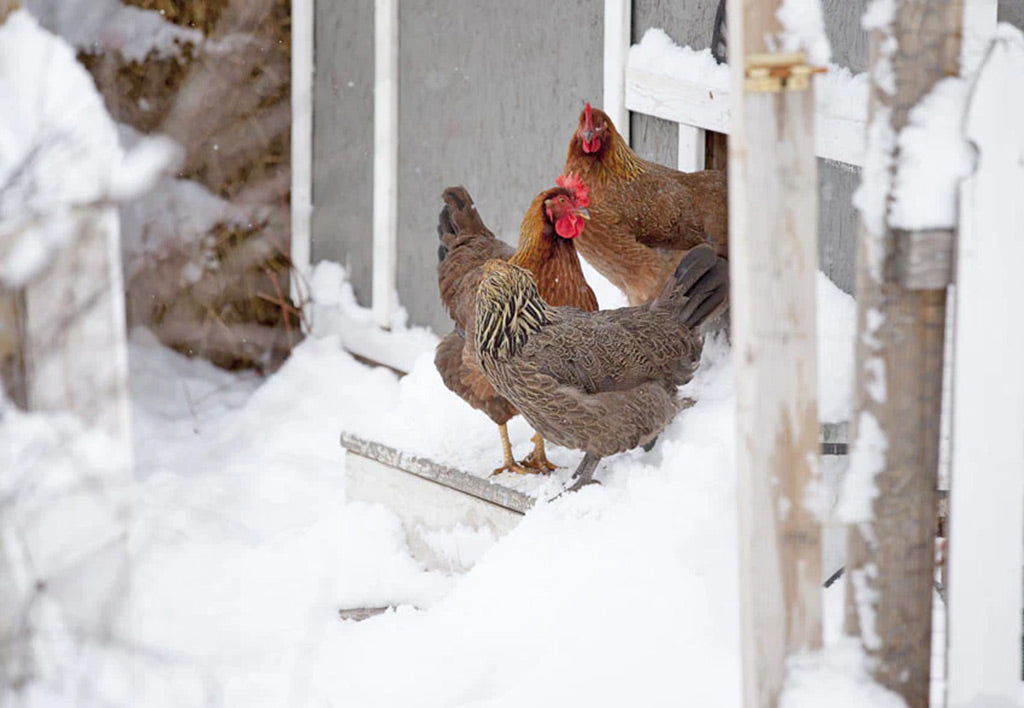
Baby chicks face many problems in cold weather. Their small size makes it hard to keep warm.
Cold weather can affect their health and growth. Understanding these challenges helps protect them.
Effects On Baby Chicks
Cold can slow down baby chicks’ growth. They use more energy to stay warm. This leaves less energy for eating and growing.
- Lower body temperature can cause illness
- Weak immune system makes infections more likely
- Reduced appetite slows development
- Chicks may huddle together to share warmth
Signs Of Cold Stress
| Sign | Description |
| Shivering | Chicks shake to create heat |
| Huddling | Group tightly to keep warm |
| Fluffed Feathers | Feathers puff up to trap heat |
| Reduced Activity | Chicks move less to save energy |
| Weakness | Chicks appear tired or slow |

Credit: www.reddit.com
Ideal Temperature Range
Baby chicks need the right temperature to grow healthy. Too cold or too hot can harm them. Keeping the temperature steady helps chicks stay warm and safe.
Understanding how much heat chicks need at different ages is important. This guide explains the ideal temperature and how to adjust heat in the brooder.
Temperature Needs By Age
Newborn chicks need the warmest environment. The temperature should be about 95°F (35°C) in their first week. Each week, lower the temperature by 5°F (about 3°C) until it reaches room temperature. This helps chicks grow strong and healthy without stress from the cold.
| Age of Chick | Ideal Temperature |
| 1 week | 95°F (35°C) |
| 2 weeks | 90°F (32°C) |
| 3 weeks | 85°F (29°C) |
| 4 weeks | 80°F (27°C) |
| 5 weeks and older | Room temperature (70-75°F / 21-24°C) |
Adjusting Brooder Heat
Adjusting heat in the brooder is key to chick comfort. Use a heat lamp or heating pad to control temperature. Watch the chicks’ behavior to know if they are too hot or cold.
- If chicks huddle under the heat source, they are cold.
- If chicks move far from the heat or pant, they are too hot.
- Keep fresh water and dry bedding in the brooder at all times.
- Lower the heat slowly as chicks grow older.
Housing And Shelter Tips
Baby chicks need warm and safe places to live during cold weather. Proper housing helps keep them healthy and strong.
Good shelter protects chicks from cold air and wet conditions. It also keeps them safe from predators.
Insulating The Brooder
Insulation keeps the brooder warm and stops heat from escaping. Use materials that hold heat well and do not get wet easily.
- Line the brooder walls with foam boards or straw bales
- Use a heat lamp or heating pad safely to add warmth
- Place thick bedding like pine shavings on the floor
- Check insulation daily to keep it dry and intact
Protecting From Drafts
Drafts can cause chills and illness in baby chicks. Cover openings and cracks to block cold air flow.
| Draft Source | Protection Method |
| Open windows | Close windows or cover with plastic sheeting |
| Door gaps | Seal gaps with weather stripping or towels |
| Vent holes | Cover with breathable mesh to allow air without drafts |
| Floor cracks | Place rugs or mats to block cold air |
Feeding For Warmth
Baby chicks need extra care to stay warm in cold weather. Feeding them properly helps keep their bodies warm and healthy.
Choosing the right food and giving plenty of water supports their growth and warmth during cold days.
High-energy Diets
Chicks burn more energy to keep warm in cold weather. They need food with higher calories to stay active and strong.
- Provide feed rich in carbohydrates and fats
- Include grains like cracked corn and oats
- Add small amounts of protein like mealworms or scrambled eggs
- Avoid sudden diet changes to prevent digestive problems
- Feed small amounts more often to keep energy levels steady
Hydration Importance
Water helps chicks digest food and regulate body temperature. They need clean, fresh water at all times.
| Hydration Tip | Reason |
| Keep water bowls clean | Prevents bacteria build-up |
| Use warm water in cold weather | Encourages drinking and avoids chilling |
| Check water supply regularly | Ensures constant access |
| Add electrolytes if needed | Supports hydration and health |
Monitoring And Care
Baby chicks are fragile in cold weather. They need careful watching to stay healthy. Proper care helps them grow strong.
Knowing when chicks are cold or sick is key. You must watch their behavior closely every day.
Behavioral Signs To Watch
Chicks show signs when they are too cold. Watch how they act to know if they need help.
- Huddling tightly together under the heat source
- Fluffing up their feathers to keep warm
- Shivering or trembling often
- Less active or moving very slowly
- Soft, weak chirping instead of loud peeping
When To Intervene
Intervene if chicks show signs of stress or illness. Acting early can save their lives.
- If chicks stop eating or drinking
- If they stay away from the heat source for too long
- If they seem very weak or cannot stand
- If there is constant loud crying or distress
- If feathers are wet or dirty, causing chill
Make sure their brooder is warm and dry. Use a heat lamp and fresh bedding. Check temperature often.

Credit: www.reddit.com
Common Mistakes To Avoid
Baby chicks are fragile in cold weather. Proper care helps them survive and grow strong.
Some mistakes can harm chicks or make them sick. Avoid these to keep your chicks safe.
Overheating Risks
Too much heat can hurt baby chicks. It causes stress and health problems.
Chicks pant and spread wings when hot. This shows they need cooler air.
- Do not use heat lamps too close to chicks.
- Check the temperature often with a thermometer.
- Provide space for chicks to move away from heat.
- Remove extra bedding that traps heat.
Ignoring Ventilation
Good air flow is important in cold weather. It stops moisture and harmful gases.
Poor ventilation causes dampness. This can lead to illness and respiratory problems.
- Keep fresh air coming without drafts on chicks.
- Check that vents are not blocked by bedding or dirt.
- Use adjustable vents to control airflow as needed.
- Watch for signs of poor air like smell or wet bedding.

Credit: chooks.co.nz
Frequently Asked Questions
Can Baby Chicks Survive In Cold Weather?
Yes, baby chicks can survive cold weather if properly cared for. They need warmth, dry bedding, and shelter from drafts. Heat lamps or brooder heaters help maintain ideal temperatures. Proper nutrition and hydration are essential to keep them healthy and strong in cold conditions.
What Temperature Is Safe For Baby Chicks?
Baby chicks require temperatures around 90-95°F (32-35°C) during their first week. The temperature should be gradually reduced by 5°F each week. Maintaining this warmth helps prevent chilling and illness. Using a heat source and monitoring temperature ensures chicks stay comfortable and healthy.
How Do I Keep Baby Chicks Warm In Winter?
Use a heat lamp or brooder heater to provide consistent warmth. Insulate the brooder with straw or blankets to block drafts. Ensure bedding stays dry to prevent chilling. Regularly check temperatures and adjust heat sources as chicks grow. Warm, dry conditions are crucial for chick survival.
Can Baby Chicks Get Frostbite?
Yes, baby chicks can get frostbite if exposed to extreme cold or damp conditions. Frostbite affects their combs, feet, and wattles. Keeping chicks warm, dry, and protected from drafts helps prevent frostbite. Immediate care is needed if frostbite symptoms appear to avoid permanent damage.
Conclusion
Baby chicks can survive cold weather with proper care and warmth. Keep their living space dry and draft-free. Use heat lamps or warm bedding to protect them. Watch their behavior closely for signs of cold stress. Feeding them well helps maintain their body heat.
Cold weather is tough, but chicks can thrive. Stay attentive and provide steady warmth. Healthy chicks grow strong, even in chilly times. Small efforts make a big difference in their survival. Caring for chicks in cold weather is rewarding and possible.