What House Survived the Galveston Hurricane: Untold Resilience Stories
Imagine standing on the shores of Galveston, Texas, staring at the vast expanse of the Gulf of Mexico. Over a century ago, this serene view transformed into a scene of utter devastation.
In 1900, the deadliest natural disaster in U. S. History struck Galveston—a hurricane so fierce that it wiped out thousands of lives and homes. But amidst the rubble and despair, one house stood against the odds. You’re probably wondering, what house survived the Galveston Hurricane, and how did it manage to withstand such fury?
As you read on, you’ll uncover not just the story of a resilient structure but also lessons in strength and survival that remain relevant today. Prepare to be captivated by a tale of endurance that defied nature’s wrath.
Galveston Hurricane Impact
The Galveston Hurricane was one of the deadliest storms in U.S. history. It struck the city of Galveston, Texas, in 1900. The storm caused severe damage and loss of life.
This article looks at the storm’s impact through three main areas. These are the storm overview, citywide damage, and casualty figures.
Storm Overview
The hurricane hit Galveston on September 8, 1900. It brought strong winds and a huge storm surge. The surge flooded much of the island city.
The storm’s wind speed reached over 135 miles per hour. It lasted for several hours, causing buildings to collapse and trees to fall.
Citywide Damage
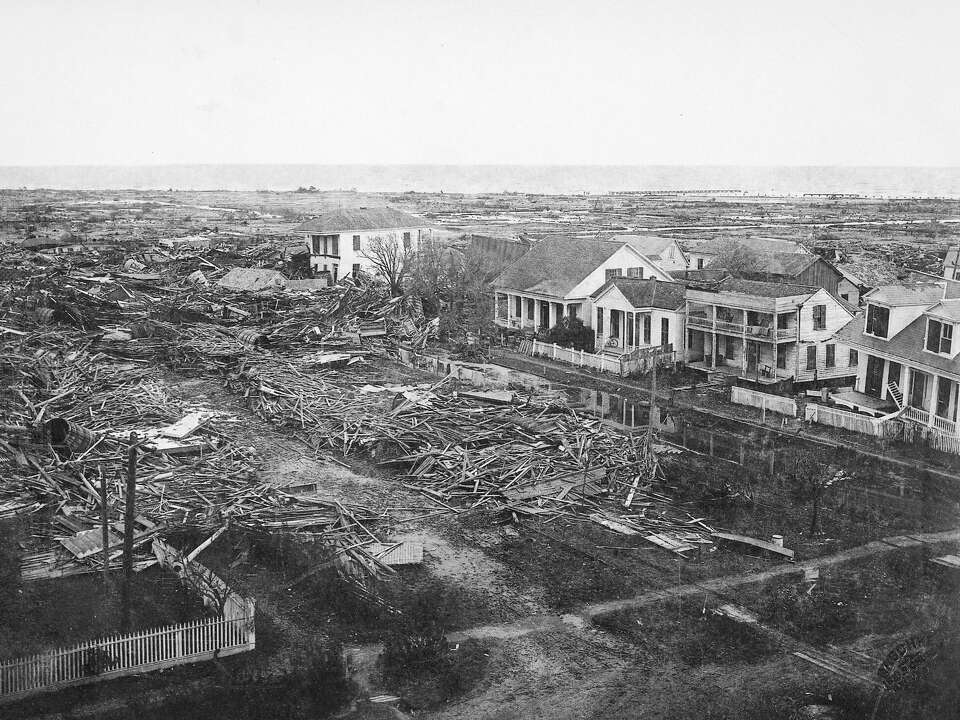
The hurricane destroyed many homes and businesses. Most wooden houses were swept away or badly damaged.
- More than 3,600 buildings were damaged or destroyed.
- The seawall was built after the storm to protect the city.
- Only a few brick and concrete buildings survived the storm.
- Many houses near the shore were completely washed away.
One house, known as the “Ball House,” stood firm. It was made of strong concrete and survived the floodwaters and winds.
Casualty Figures
The hurricane caused a great loss of life. Official counts say over 6,000 people died. Some estimates go as high as 12,000.
| Type | Number |
| Confirmed Deaths | 6,000+ |
| Estimated Deaths | Up to 12,000 |
| Injured | Thousands |
| Homeless | Over 10,000 |
Surviving Homes
The Galveston Hurricane was one of the deadliest storms in U.S. history. It destroyed many buildings in 1900. Some houses, though, survived the powerful winds and flooding.
Understanding which homes stood strong helps us learn about better building techniques. It also shows how nature tests human creations.
Construction Styles That Endured
Homes built with strong foundations and simple shapes survived better. Raised houses on stilts stayed above floodwaters. Roofs with steep angles helped wind flow over buildings.
Houses with fewer windows and doors resisted wind damage. Solid walls without many openings kept the structure intact during the storm.
- Raised foundations to avoid flood damage
- Steep, sloped roofs to reduce wind pressure
- Simple, box-like shapes for stability
- Minimal windows and doors to prevent breakage
Locations With Least Damage
Some areas of Galveston had less damage than others. Higher ground helped homes avoid floodwaters. Places further from the coast faced less wind force.
Neighborhoods with natural barriers like trees or dunes saw fewer broken buildings. These features lowered the storm’s impact on homes.
- Higher elevation areas escaped most flooding
- Inland locations had weaker wind effects
- Natural barriers reduced damage to homes
Materials That Withstood The Storm
Strong materials made a big difference during the hurricane. Brick and stone walls resisted wind and water better than wood. Metal roofs stayed on houses longer.
Wood framing failed in many places, but thick beams held up well. Using durable materials helped some houses remain standing after the storm.
- Brick and stone walls for strength
- Metal roofing to resist wind uplift
- Thick wooden beams for solid framing
- Minimal use of fragile glass windows
Notable Resilient Houses
The Galveston Hurricane of 1900 was one of the deadliest storms in U.S. history. Many buildings were destroyed, but some houses showed remarkable strength.
This article highlights a few notable houses that survived the hurricane. These homes stand as a testament to strong architecture and history.
The Ashton Villa
Ashton Villa is one of the oldest homes in Galveston. It was built in 1859 with strong bricks and a deep foundation.
During the hurricane, the house lost some windows but kept its structure intact. Its survival helped many people find shelter.
The Bishop’s Palace
The Bishop’s Palace is a grand Victorian home made with thick limestone walls. It is known for its ornate design and solid build.
- Built with limestone and bricks
- Thick walls resisted strong winds
- Windows protected by heavy frames
- Raised foundation kept water out
This house survived the hurricane with only minor damage. It remains a symbol of resilience and history in Galveston.
Other Historic Survivors
| House Name | Year Built | Key Feature | Damage Level |
|---|---|---|---|
| Menard House | 1890 | Raised foundation | Minor |
| Moody Mansion | 1895 | Thick wooden beams | Moderate |
| Jasper House | 1880 | Brick walls | Minor |
These houses also withstood the hurricane. Their strong building methods saved them from severe damage.
Credit: www.chron.com
Stories From Survivors
The Galveston Hurricane was a deadly storm that changed many lives. Some houses stood strong and saved their families. Survivors tell stories of courage and hope.
These stories help us remember the past. They show how people faced great danger and worked to rebuild their lives.
Firsthand Accounts
Many survivors shared their memories of the hurricane night. Some said their houses stayed standing even as the wind howled. They described the fear and how they stayed safe inside.
One survivor told how their home had strong walls and held firm against the flood. Others spoke about helping neighbors to find shelter quickly.
- “The water rose fast, but our house did not fall.”
- “We huddled in the attic until the storm passed.”
- “Neighbors helped each other climb to safety.”
Community Efforts To Rebuild
After the storm, the community came together to fix homes and streets. They shared tools and food. Everyone worked hard to bring life back.
Groups formed to clear debris and repair houses that survived. People also built new homes stronger than before to protect against future storms.
- Neighbors helped each other rebuild quickly.
- Local workers repaired damaged houses.
- New building rules made homes stronger.
Lessons Passed Down
Survivors taught their children how to prepare for storms. They shared tips on where to go and what to do during a hurricane.
Stories about the houses that survived remind people to build strong and stay ready. These lessons keep the community safe today.
- Build homes with strong walls and roofs.
- Have a safe place to stay during storms.
- Help neighbors and stay calm in danger.
Legacy Of Resilience
The Galveston Hurricane was one of the deadliest storms in history. Few houses survived its fierce winds and floodwaters. These homes show strength and smart building choices.
The story of the surviving houses teaches us about resilience. These buildings helped shape safer designs and inspire people today.
Influence On Modern Building Codes
The houses that survived the hurricane followed strong construction rules. These rules influenced new building codes in Galveston and beyond. Codes now require better materials and safer designs.
Modern codes focus on protecting homes from wind damage and flooding. They include:
- Stronger foundations to resist floods
- Reinforced walls to withstand high winds
- Elevated structures to avoid water damage
- Improved roof designs to prevent collapse
Preservation Of Surviving Structures
Many surviving houses are now historical landmarks. People work hard to keep these buildings safe and original. Preservation helps us learn from the past.
These preserved homes show old building styles and materials. They also remind us of the storm’s power and the importance of preparedness.
- Regular maintenance to protect from weather
- Restoration using original construction methods
- Public tours to educate visitors
- Use of modern technology to monitor structure health
Inspiration For Future Generations
The houses that survived inspire builders and families today. They show how careful planning and strong materials save lives. These stories encourage better home designs.
Young architects and engineers study these homes. They use lessons learned to create buildings that last through storms and floods.
- Focus on disaster-resistant architecture
- Encouragement of community safety plans
- Promotion of historical education about hurricanes
- Innovation in sustainable and resilient building

Credit: www.reddit.com

Credit: www.star-telegram.com
Frequently Asked Questions
Which House Survived The 1900 Galveston Hurricane?
The Ashton Villa house is famously known for surviving the 1900 Galveston hurricane. It withstood the massive storm surge and strong winds that devastated the city.
Why Did The Ashton Villa Survive The Galveston Hurricane?
Ashton Villa’s strong brick construction and elevated foundation helped it resist the hurricane’s powerful winds and flooding. Its sturdy build was key to its survival.
Is Ashton Villa Open To Visitors Today?
Yes, Ashton Villa is now a historic museum open to the public. Visitors can learn about its history and the impact of the Galveston hurricane.
How Did Surviving Houses Impact Galveston’s Recovery?
Surviving houses like Ashton Villa became symbols of resilience. They helped inspire rebuilding efforts and showed the importance of strong construction.
Conclusion
The house that survived the Galveston Hurricane stands as a symbol of strength. It shows how careful design and solid materials matter. People still visit to learn about its history. This story reminds us of nature’s power and human courage.
It inspires hope and respect for the past. The house remains a witness to a storm that changed everything. A true survivor, standing through the years.