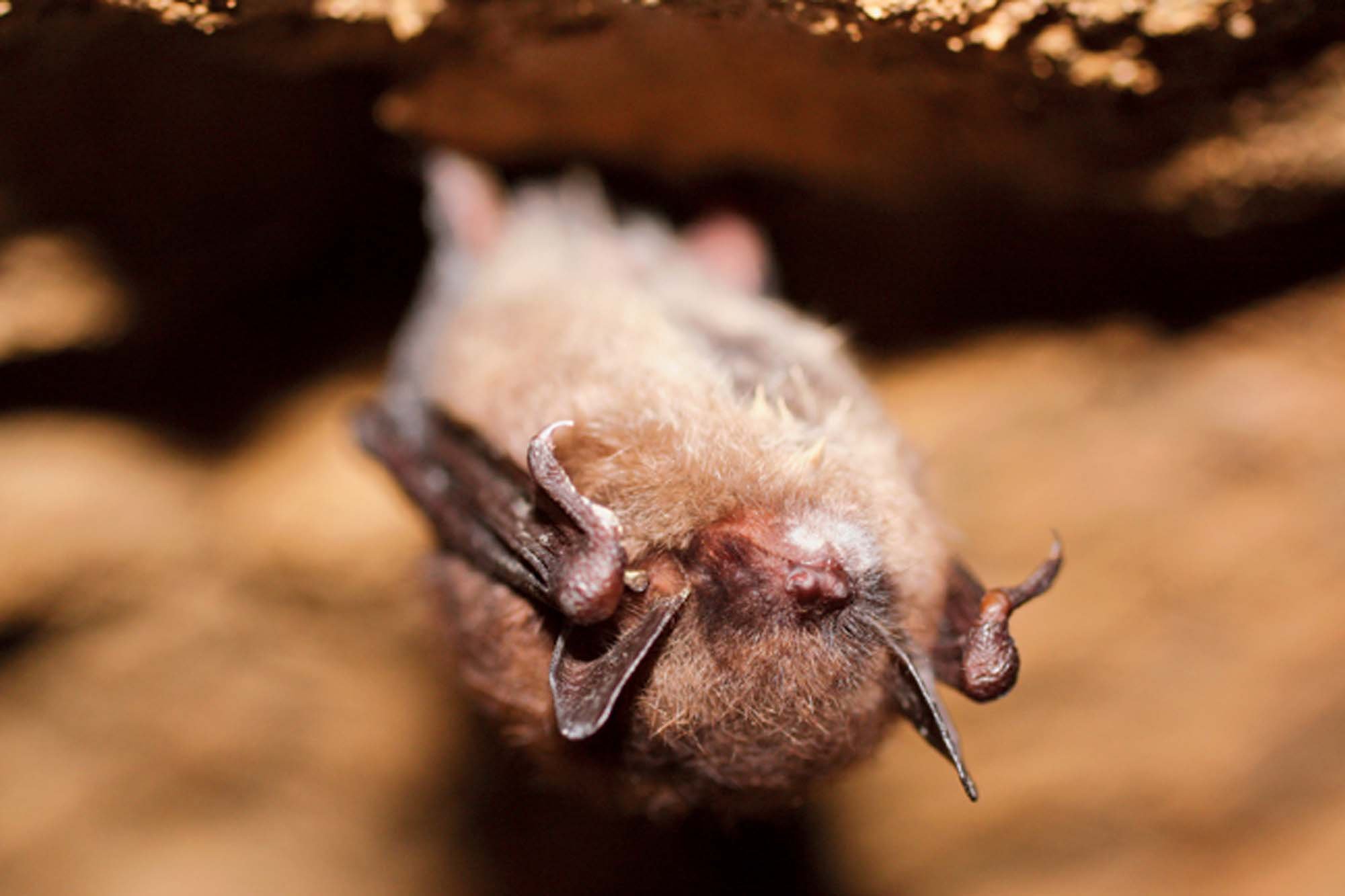
Can Bats Survive in Cold Weather: Surprising Facts Revealed
Imagine you’re wrapped in a cozy blanket on a chilly winter evening, sipping hot cocoa. Now, think about the tiny bats flying outside in the cold.
Have you ever wondered how they manage to survive when temperatures drop? You might be surprised by the clever strategies bats use to stay warm and make it through harsh winter months. Understanding these fascinating creatures can change the way you view them forever.
So, if you’re curious about how bats survive in cold weather, keep reading. You’ll discover the incredible resilience and adaptability of these mysterious night fliers, and it might just change how you feel about bats.

Credit: www.batcon.org
Bat Adaptations To Cold
Bats face tough challenges in cold weather. Their small bodies lose heat fast.
They use special traits and behaviors to survive winter’s cold temperatures.
Physical Traits For Cold Survival
Bats have physical features that help keep them warm during cold months.
- Thick fur covers their body to trap heat.
- Small ears reduce heat loss by limiting surface area.
- Fat stores build up before winter to provide energy and warmth.
- Flexible wings allow them to wrap themselves tightly when resting.
Behavioral Changes In Winter
During winter, bats change how they act to save energy and stay alive.
| Behavior | Description |
| Hibernation | Bats enter a deep sleep to lower body temperature and slow metabolism. |
| Roosting | They gather in caves or attics for shelter and warmth. |
| Reduced Movement | Bats stay still most of the time to save energy. |
| Periodic Waking | Occasionally wake to drink water or change positions. |

Credit: www.batcon.org
Hibernation And Torpor
Bats live in many places with cold winters. Cold weather makes it hard for them to find food. They use special ways to survive the cold months.
Two important ways bats survive are hibernation and torpor. These help bats save energy and stay alive when it is cold.
How Bats Hibernate
Hibernation is a long sleep that bats use during winter. Bats find quiet places like caves or old buildings. They stay there for weeks or months.
During hibernation, bats lower their body temperature and slow their heart rate. This helps them use very little energy. They live off fat stored in their bodies before winter.
- Bats pick cool, safe spots to hibernate
- Body temperature drops close to the air temperature
- Heart rate and breathing slow down
- Fat provides energy during sleep
- Bats wake up only if disturbed or when spring comes
Difference Between Hibernation And Torpor
Torpor is like a short rest compared to hibernation. Bats enter torpor for a few hours or days to save energy. It helps them in cold or when food is scarce.
Hibernation lasts much longer than torpor. Torpor allows bats to wake up quickly if needed. Hibernation is deeper and harder to wake from.
- Hibernation:lasts weeks to months, very deep sleep
- Torpor:lasts hours to days, light rest
- Hibernation:body temperature very low
- Torpor:body temperature drops but not as much
- Hibernation:slow heart rate and breathing for long time
- Torpor:heart rate slows but can return to normal quickly
Winter Roosting Spots
Bats survive cold weather by finding safe places to rest. These spots protect them from freezing temperatures. They stay quiet to save energy during winter months.
Choosing the right winter roost is important for bats. It helps them avoid harsh weather and predators. Different species pick different places to hibernate.
Common Hibernation Locations
Bats use many types of places to hibernate. They look for dark and quiet spots that keep them safe.
- Caves with stable temperatures
- Old buildings and attics
- Hollow trees and logs
- Mines and tunnels
- Under bark or rock crevices
Each location offers shelter from cold wind and wet weather. Bats often return to the same roost each winter.
Importance Of Microclimates
Microclimates are small areas with unique temperature and humidity. These spots help bats survive freezing weather.
| Microclimate Factor | Benefit for Bats |
| Stable Temperature | Prevents freezing |
| High Humidity | Keeps skin moist |
| Low Air Flow | Reduces heat loss |
| Darkness | Reduces disturbance |
Bats choose roosts with good microclimates to save energy. These conditions help them stay warm and healthy all winter.

Credit: www.batcon.org
Diet Shifts During Cold Months
Bats face many challenges finding food in cold weather. Their diet changes to survive the cold months.
As temperatures drop, insects become scarce. Bats must adapt to these changes to keep energy and stay alive.
Food Availability Challenges
Cold weather reduces insects, the main food for many bats. They may find fewer moths, beetles, and mosquitoes.
- Insect activity drops with lower temperatures
- Snow and ice cover reduce insect access
- Fruits and nectar are rare or unavailable
- Bats must find alternative food sources or eat less
Energy Conservation Strategies
Bats lower their energy use to survive when food is scarce. They use special body functions to save energy.
| Strategy | Description |
| Hibernation | Bats enter a deep sleep, lowering body temperature and heart rate. |
| Torpid States | Short rests with reduced metabolism during cold nights. |
| Fat Storage | Eating more before cold months to build fat reserves. |
Impact Of Climate Change
Climate change affects many animals, including bats. Cold weather changes can harm their survival. Understanding these impacts helps protect bats.
Bats rely on cold winters to hibernate safely. Changes in winter patterns can disrupt their natural cycles and food availability.
Changing Winter Patterns
Winters are becoming shorter and less cold in many areas. This shift changes how bats prepare for hibernation. Some bats may wake up too soon or not find enough food.
- Warmer winters reduce hibernation time
- Frequent temperature swings disturb bats’ rest
- Less snow cover means less insulation for hibernation sites
- Early spring can cause bats to emerge before insects are ready
Effects On Bat Survival
Climate change causes new challenges for bats. Their energy stores can run out if they wake early. Food scarcity adds stress. Diseases may spread more easily.
| Factor | Impact on Bats |
| Shorter Winters | Less hibernation, higher energy use |
| Temperature Fluctuations | Interrupted sleep, increased stress |
| Food Availability | Fewer insects, harder to find food |
| Disease Risk | Greater spread of illnesses like white-nose syndrome |
Conservation Efforts
Bats face many dangers in cold weather. Conservation helps them survive the winter months.
Protecting bats in winter means keeping their homes safe and supporting their needs.
Protecting Hibernation Sites
Bats use caves and old buildings to hibernate. These places must stay quiet and undisturbed.
- Limit human entry to caves during winter
- Prevent destruction of old buildings used by bats
- Monitor hibernation sites for safety
- Educate people about the importance of these sites
Supporting Bat Populations In Winter
Bat populations need extra help during cold months. Providing food and shelter saves lives.
| Support Method | Purpose |
| Building bat boxes | Give safe shelter during cold |
| Planting night-blooming flowers | Provide food sources in fall |
| Reducing pesticide use | Protect insects bats eat |
| Raising public awareness | Encourage community help |
Frequently Asked Questions
Can Bats Survive In Freezing Temperatures?
Yes, many bats survive freezing temperatures by hibernating. They lower their body temperature and metabolism to conserve energy during winter.
How Do Bats Stay Warm In Cold Weather?
Bats huddle together in caves or hollow trees, using group warmth. They also reduce their activity to preserve body heat and energy.
Do All Bats Hibernate During Winter?
No, not all bats hibernate. Some migrate to warmer areas, while others enter torpor, a short-term hibernation-like state during cold spells.
What Happens To Bats During Winter Hibernation?
During hibernation, bats slow their heart rate and breathing. This helps them conserve energy until food becomes available in spring.
Conclusion
Bats adapt well to survive cold weather. They lower their body temperature and slow down. This process, called hibernation, helps them save energy. Bats find safe places to stay warm and hidden. They wake up when the weather gets warmer.
These amazing creatures show great survival skills. Understanding how bats live helps protect them better. Cold weather is tough, but bats manage to live through it.