How Does Bermuda Survive Hurricanes: Secrets of Resilience Revealed
Have you ever wondered how the tiny island of Bermuda manages to withstand the powerful hurricanes that sweep through the Atlantic? Imagine facing fierce winds and torrential rains, yet emerging resilient and ready to thrive.
The secret to Bermuda’s survival lies not just in its geographic location, but also in the smart strategies and unwavering community spirit that define this island paradise. You’re about to discover the fascinating ways Bermuda prepares for and endures these natural forces, ensuring the safety and well-being of its people.
Stick with us as we unravel the mystery behind Bermuda’s hurricane resilience, and you might just find some inspiring lessons for facing life’s storms head-on.
Geography And Climate
Bermuda is a small group of islands in the North Atlantic Ocean. Its location and climate shape how it deals with hurricanes.
Understanding Bermuda’s geography and weather helps explain why it survives storms that hit the Atlantic region.
Location In The Atlantic
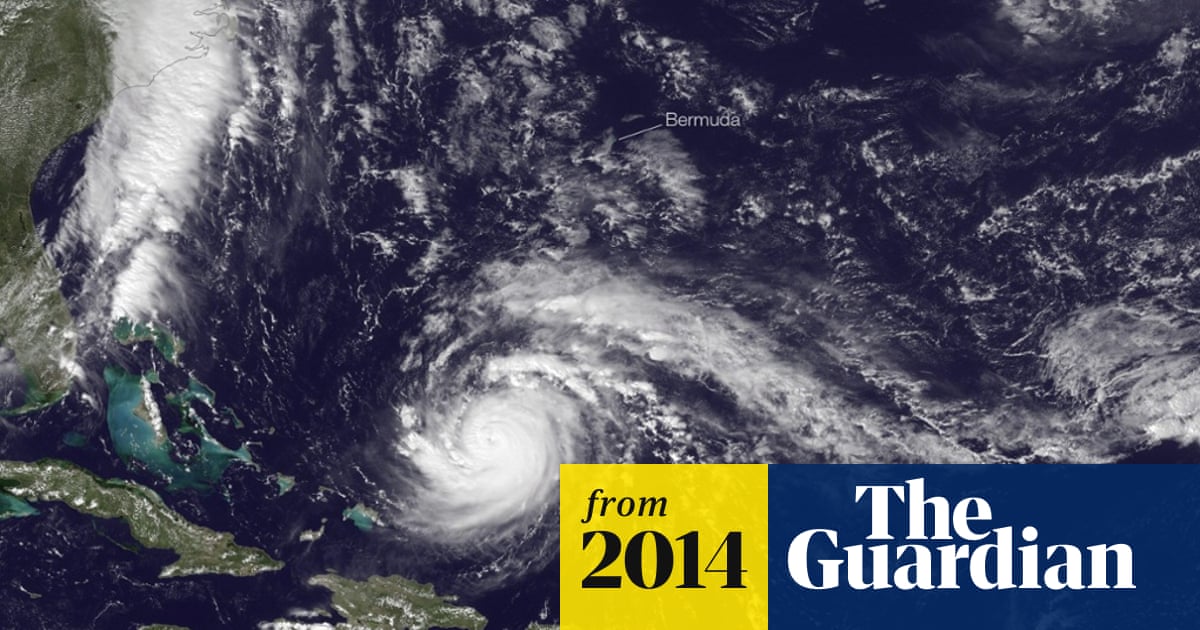
Bermuda lies about 650 miles east of the U.S. coast. It is a small cluster of islands on a coral reef.
- Located in the western Atlantic Ocean
- Between the east coast of the United States and the open Atlantic
- Sits on a submerged volcanic seamount
- Surrounded by coral reefs that protect the shoreline
This unique position means Bermuda is often in the path of Atlantic storms but not always in their strongest zones.
Hurricane Frequency And Patterns
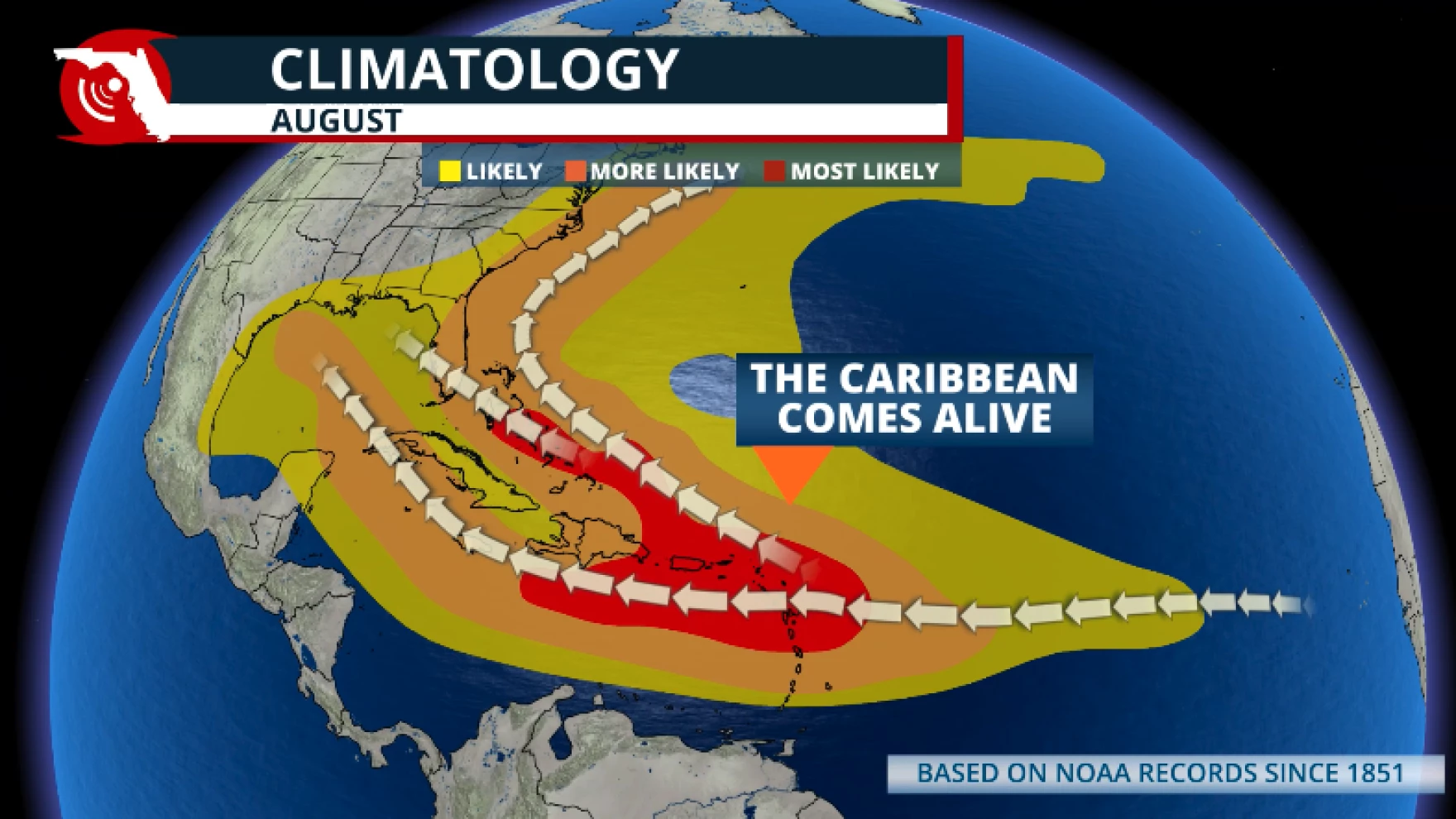
Bermuda faces hurricanes mostly from June to November. The storms vary in strength and frequency.
| Month | Average Hurricanes | Storm Strength |
|---|---|---|
| June | 0.2 | Usually mild |
| July | 0.4 | Mostly tropical storms |
| August | 1.0 | Moderate to strong |
| September | 1.5 | Strongest month |
| October | 0.7 | Moderate |
| November | 0.3 | Usually mild |
Bermuda’s building codes and natural features help it handle storms well. Coral reefs reduce wave damage, and hills break strong winds.

Credit: www.wikiwand.com
Natural Barriers
Bermuda faces hurricanes often. The island uses natural barriers to protect itself.
These barriers reduce hurricane damage by blocking wind and waves.
Coral Reefs As Shields
Coral reefs surround Bermuda. They act as natural shields against strong waves.
The reefs break the force of the ocean. This makes waves smaller before they reach land.
- Reefs absorb wave energy
- They reduce coastal erosion
- Reefs protect beaches and homes
Island Topography
Bermuda’s shape helps it survive storms. The island has hills and cliffs that block wind.
High land areas stop strong winds from reaching inland places. This lowers damage risks.
- Hills reduce wind speed
- Cliffs protect shorelines
- Natural slopes help water drainage
Building Practices
Bermuda faces hurricanes every year. The island uses smart building practices to survive strong storms.
These practices help homes and buildings stay safe during hurricanes. They reduce damage and keep people protected.
Hurricane-resistant Architecture
Buildings in Bermuda have thick walls and small windows. This design stops strong winds from breaking through.
Roofs are steep and made to hold down well. This shape lets wind flow over the house without lifting the roof.
- Thick limestone walls resist wind and water
- Small, shuttered windows protect against flying debris
- Steep roofs prevent wind damage
- Strong roof attachments keep structures secure
Use Of Local Materials
Bermuda uses local limestone in most buildings. This stone is strong and stands up well to hurricanes.
Local materials are easy to get and fit the climate. They also help buildings last longer during storms.
- Limestone blocks are strong and heavy
- Local stone helps keep homes cool
- Materials blend with the island’s environment
- Easy repairs with nearby resources
Community Preparedness
Bermuda faces hurricanes regularly, so its community stays ready. People work together to protect homes and lives.
Strong preparation helps reduce damage and speeds up recovery after storms.
Early Warning Systems
Bermuda uses advanced technology to watch for hurricane signs. Alerts come early to keep everyone informed.
- Weather stations track storms in real time
- Emergency alerts sent via radio and mobile phones
- Community sirens warn residents of approaching danger
- Local media broadcasts updates regularly
Emergency Response Plans
The island has clear plans for what to do before, during, and after a hurricane.
| Phase | Actions |
| Before | Secure homes, stock supplies, and check shelters |
| During | Follow official instructions and stay indoors |
| After | Help neighbors and report damages to authorities |
Government Strategies
Bermuda faces hurricanes every year. The government uses strong plans to keep people safe.
These plans focus on building strong structures and setting clear rules for safety.
Infrastructure Investments
The government spends money on strong buildings and roads. This helps reduce damage from storms.
They improve drainage systems to stop flooding during heavy rain from hurricanes.
- Reinforced public buildings to resist strong winds
- Upgraded seawalls to protect against storm surge
- Improved power lines to reduce outages
- Better road repairs for quick recovery
Policy And Regulations
Bermuda has strict rules for building homes and businesses. These rules make buildings safer in storms.
The government also enforces evacuation plans and emergency warnings to protect people.
- Building codes require hurricane-resistant designs
- Regular inspections ensure rules are followed
- Clear evacuation routes for quick safety
- Emergency alerts sent to all residents
Credit: www.theguardian.com
Environmental Conservation
Bermuda faces strong hurricanes often. The island uses nature to protect itself. Environmental conservation helps reduce damage from storms.
Protecting natural areas and using land wisely keeps Bermuda safe. These actions support wildlife and help the island recover fast.
Mangrove Protection
Mangroves grow along Bermuda’s coastlines. They act as natural barriers against hurricane waves and wind. Mangroves also stop soil erosion during storms.
- Trap sediments and reduce water speed
- Provide homes for fish and birds
- Absorb strong winds and waves
- Help rebuild shorelines after storms
Sustainable Land Use
Bermuda plans land use to protect nature and reduce flood risk. Careful building and farming keep the soil strong and water clear.
| Practice | Benefit |
|---|---|
| Limit construction in flood zones | Prevents property damage and water pollution |
| Use native plants for landscaping | Supports wildlife and reduces water runoff |
| Manage farmland with crop rotation | Protects soil and improves growth |
| Create green spaces in towns | Absorbs rainwater and lowers heat |
Lessons For Other Regions
Bermuda shows how to live safely with hurricanes. Its methods help protect people and homes.
Other regions can learn from Bermuda’s experience. These lessons help reduce damage and save lives.
Adapting Bermuda’s Methods
Bermuda builds strong homes with thick walls and roofs. This design stops wind and water damage.
- Use concrete and stone for walls
- Shape roofs to resist strong winds
- Install storm shutters on windows
- Keep power lines underground
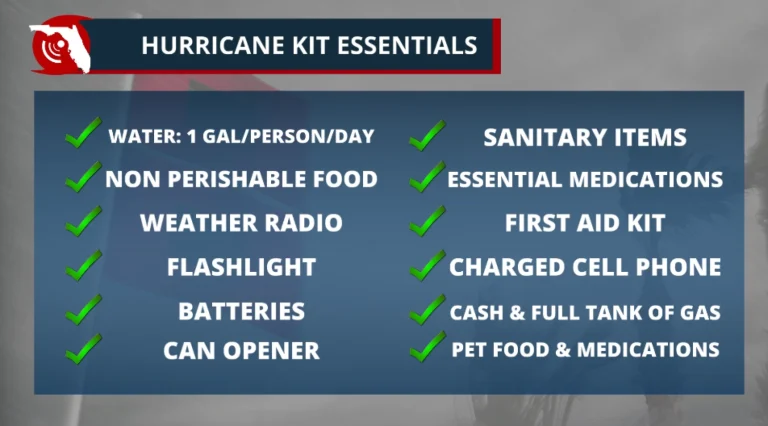
- Prepare emergency supplies and plans
These changes help homes survive storms. Other places can use similar ideas to protect their homes.
Global Implications
Regions at risk of hurricanes can improve safety by following Bermuda’s example. This lowers costs and saves lives.
| Region | Key Lesson from Bermuda |
| Caribbean | Use strong building codes |
| Florida | Prepare community shelters |
| Japan | Plan early warning systems |
| Philippines | Build underground power lines |
Sharing knowledge across the world helps all places become safer from hurricanes.
Credit: www.wmnf.org
Frequently Asked Questions
How Does Bermuda’s Location Affect Hurricane Survival?
Bermuda’s location in the Atlantic Ocean helps reduce direct hurricane hits. Its position often causes storms to weaken or change direction before arrival. This geographic advantage lessens the hurricane impact, aiding Bermuda’s resilience and survival during hurricane seasons.
What Building Techniques Help Bermuda Withstand Hurricanes?
Bermuda uses strong, limestone blocks and steep roofs in construction. These materials and designs resist high winds and heavy rain. Buildings are built to endure storm pressures, minimizing damage and enhancing safety during hurricanes.
How Does Bermuda Prepare For Hurricane Seasons?
Bermuda has strict building codes and emergency plans for hurricanes. The government issues timely warnings and organizes evacuations. Residents also stock supplies and secure properties, ensuring community readiness and quick recovery after storms.
Why Is Bermuda’s Coral Reef Important During Hurricanes?
Bermuda’s coral reefs act as natural barriers, reducing wave energy. These reefs help protect shorelines from erosion and flooding during storms. Healthy reefs are crucial for minimizing hurricane damage and supporting island survival.
Conclusion
Bermuda’s strength lies in its smart preparation and strong buildings. Locals know how to stay safe during storms. Nature’s power is tough, but Bermuda adapts well. The island’s location and design help reduce damage. People work together to protect their homes.
This small island shows how to face hurricanes bravely. Learning from Bermuda can inspire other places too. Safety and teamwork make all the difference.