Can a Hurricane Survive on Land? Shocking Truth Revealed!
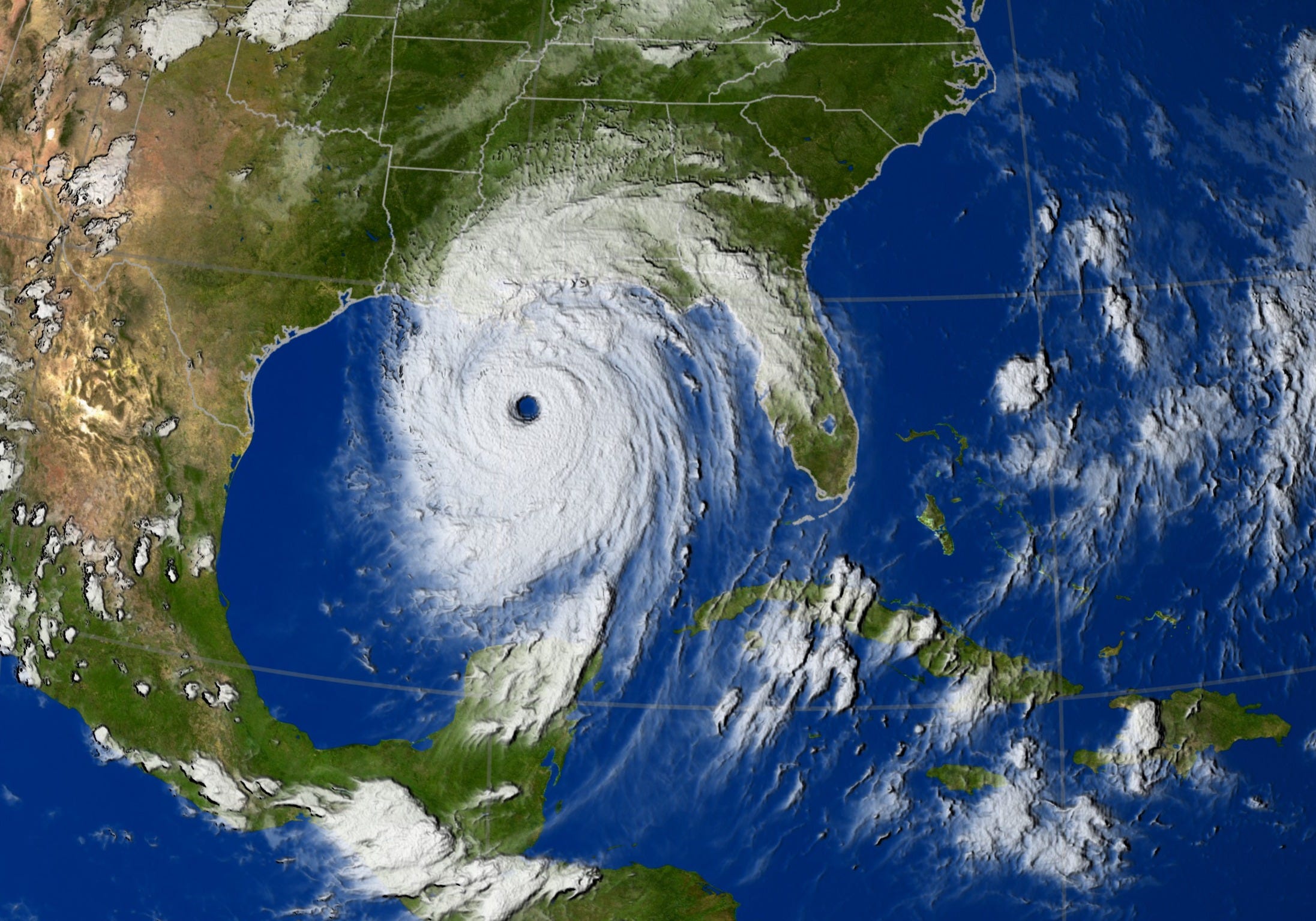
Imagine you’re watching a fierce hurricane swirling over the ocean, its powerful winds and heavy rains a force of nature. But what happens when this formidable storm makes landfall?
Can a hurricane survive on land, or does it lose its strength once it’s no longer over water? These are questions you might have pondered as you’ve seen these massive storms approach coastal areas on the news. Understanding how hurricanes behave when they hit land can be crucial for your safety and preparedness.
We’ll unravel the mystery behind what happens to hurricanes once they leave the ocean, and why you should pay attention even when they seem to be weakening. Keep reading to discover the surprising truths about hurricanes on land and how they could impact you and your community.
Hurricane Basics
Hurricanes are large storms with strong winds and heavy rain. They can cause damage to land and sea areas.
People often ask if hurricanes can survive once they reach land. Understanding how hurricanes work helps answer this.
How Hurricanes Form
Hurricanes start over warm ocean water near the equator. Warm air rises from the ocean surface, creating low pressure below.
As warm air rises, cooler air moves in to replace it. This movement causes strong winds and clouds to form a storm system.
- Warm ocean water heats the air above it
- Warm air rises and creates low pressure
- Cool air rushes in, creating wind
- Storm clouds grow bigger and stronger
Energy Sources For Hurricanes
Hurricanes get their energy from warm ocean water. The heat and moisture from the water fuel the storm’s power.
When a hurricane moves over land, it loses its energy source. The storm then starts to weaken and break down.
- Warm water provides heat and moisture
- Heat causes air to rise and form clouds
- Energy from ocean keeps hurricane strong
- Land cuts off energy, so the storm weakens

Credit: www.foodengineeringmag.com
Impact Of Land On Hurricanes
Hurricanes need warm ocean water to keep their strength. When they move over land, they lose this energy source. This makes hurricanes weaker and less dangerous.
Land also creates friction and changes how the wind flows. This can disrupt the hurricane’s structure and slow it down quickly.
Loss Of Warm Water Fuel
Hurricanes get energy from warm ocean water. They use heat and moisture to grow stronger. Without this fuel, they start to weaken fast.
Once a hurricane moves inland, it no longer has access to warm water. The storm begins to lose power and its winds slow down.
- Warm water fuels hurricane growth
- Land cuts off the energy source
- Storm strength drops after landfall
Friction And Terrain Effects
Land is rough compared to the smooth ocean surface. This causes friction that slows the hurricane’s winds. Mountains and hills also break up the storm’s flow.
Friction and rough terrain make the storm lose its organized shape. This weakens the hurricane and reduces the chance of heavy winds far inland.
- Land surface creates friction
- Friction slows down hurricane winds
- Mountains and hills disrupt storm flow
Can Hurricanes Sustain Over Land?
Hurricanes usually lose power after moving inland. They get energy from warm ocean water. Without this, they start to weaken.
Still, some hurricanes keep strong for a while over land. This depends on certain conditions and factors.
Cases Of Hurricanes Maintaining Strength
Some hurricanes have shown the ability to stay strong even after making landfall. These cases are rare but important to study.
- Hurricane Ivan in 2004 stayed strong over the southern United States for days.
- Hurricane Michael in 2018 maintained high winds after hitting Florida.
- Hurricane Dorian in 2019 kept its power moving slowly over land in the Bahamas.
Factors That Prolong Lifespan On Land
Several factors help hurricanes keep their strength over land. These can delay the usual weakening process.
| Factor | Description |
| Warm Soil | Heat from the ground can supply some energy. |
| Moist Air | High humidity near the surface keeps the storm fueled. |
| Slow Movement | Moving slowly over land keeps the storm intact longer. |
| Flat Terrain | Low hills or flat land cause less disruption to the storm’s structure. |

Credit: www.wmnf.org
Aftereffects Of Hurricanes On Land
Hurricanes lose strength once they move over land. They can no longer get energy from warm ocean water. Still, the damage they cause can be very serious.
The effects include heavy rain, flooding, strong winds, and sometimes tornadoes. These problems can last for days after the hurricane passes.
Rainfall And Flooding
Hurricanes bring a lot of rain to land areas. This rain can cause rivers and lakes to overflow. Flooding can damage homes, roads, and farms.
Floodwaters can make it hard for people to travel or get help. Standing water can also cause health problems by spreading germs.
- Heavy rain lasts for hours or days
- Floods can cover large areas
- Water can damage buildings and crops
- Flooding can block roads and bridges
- Standing water may cause diseases
Wind Damage And Tornadoes
Strong winds from hurricanes can break trees and power lines. They can also damage roofs and windows on buildings. These winds can cause power outages and injuries.
Sometimes hurricanes cause tornadoes on land. Tornadoes are smaller but very powerful storms. They can cause extra damage near the hurricane’s path.
- Winds can reach over 100 miles per hour
- Trees and power lines may fall
- Buildings can lose roofs or walls
- Tornadoes add more wind damage
- Power outages may last for days
Unusual Hurricane Behavior
Hurricanes usually lose power after moving on land. They lose their main energy source: warm ocean water. But some storms show strange behavior and get stronger while on land.
Scientists study these rare cases to learn how hurricanes can survive longer. Understanding this helps improve weather forecasts and safety plans.
Storms That Regained Strength On Land
Some hurricanes have surprised experts by gaining power after landfall. These storms can tap into other energy sources, like warm air or moisture from swamps and lakes. This can cause the storm to grow stronger again.
- Hurricane Ivan in 2004 grew stronger over Alabama.
- Hurricane Michael in 2018 intensified after moving inland in Florida.
- Hurricane Ida in 2021 gained strength crossing the U.S. Northeast.
Role Of Atmospheric Conditions
Atmospheric conditions play a key role in unusual hurricane behavior. Warm air, moist ground, and low wind shear can help a storm keep its energy over land. These factors create a better environment for the storm to survive.
| Atmospheric Factor | Effect on Hurricane |
| Warm Air | Feeds energy to the storm |
| Moist Ground | Supplies moisture for rain |
| Low Wind Shear | Keeps storm structure intact |

Credit: m.youtube.com
Preparing For Inland Hurricanes
Hurricanes can cause damage far from the coast. They may lose some power but still bring strong winds and rain inland.
Knowing how to prepare helps keep you safe during these inland storms.
Safety Measures
Stay informed about the storm’s path and warnings. Secure your home by closing windows and bringing loose items inside.
- Keep an emergency supply kit with water, food, and medicine
- Charge phones and have backup batteries ready
- Plan a safe room or area inside your home
- Know your evacuation routes if needed
- Check on neighbors who may need help
Emergency Response Tips
After the hurricane moves inland, avoid floodwaters and fallen power lines. Listen for official updates about safety and recovery.
| Action | Reason |
| Do not drive through flooded roads | Water can hide dangers and stall cars |
| Use flashlights, not candles | Prevents fire risks during outages |
| Report downed power lines to authorities | Helps prevent injuries and power hazards |
| Follow local evacuation orders | Keeps you safe from worsening conditions |
Frequently Asked Questions
Can A Hurricane Keep Its Strength On Land?
No, hurricanes lose strength quickly after landfall. Without warm ocean water, their energy source vanishes. They weaken into tropical storms or depressions.
How Long Can A Hurricane Survive After Landfall?
Typically, a hurricane weakens within a day or two after landfall. Its lifespan depends on moisture availability and terrain but generally diminishes fast.
Why Do Hurricanes Weaken When Moving Inland?
Hurricanes weaken inland due to lack of warm ocean water. Friction with land surfaces also disrupts their wind circulation, reducing intensity.
Can Hurricanes Cause Damage Even After Weakening On Land?
Yes, weakened hurricanes still bring heavy rain, flooding, and strong winds inland. These effects can cause significant property damage and hazards.
Conclusion
Hurricanes need warm ocean water to keep their strength. Once on land, they lose power quickly. The storm’s wind slows, and rain can still cause damage. Flooding and strong gusts remain a threat for days. Understanding this helps people prepare better for storms.
Safety plans and quick actions save lives. Nature’s force fades, but its impact lasts longer. Stay alert and respect the power of hurricanes on land.