Can Murder Hornets Survive in Cold Weather: Shocking Truth Revealed
Imagine stepping outside to enjoy a crisp winter morning and wondering if the infamous murder hornet could be lurking nearby. These giant hornets have captured public attention with their intimidating size and painful sting.
But, as temperatures drop, you might be asking: can murder hornets survive in cold weather? Understanding their survival tactics is not just fascinating—it’s essential. Especially if you want to keep your surroundings safe. In this blog post, we will uncover the secrets behind their survival and what it means for you.
Stay with us as we delve into the chilling truth about murder hornets and cold weather. You won’t want to miss this!
Credit: www.insidehalton.com
Murder Hornet Basics
Murder hornets are large, aggressive wasps. They are known for their painful sting and hunting abilities.
People worry about whether murder hornets can survive cold weather. This depends on their nature and habits.
Origin And Habitat
Murder hornets come from East Asia, mainly Japan and China. They live in forests and rural areas.
They build nests in tree holes or underground. Warm climates help them grow strong colonies.
Physical Features
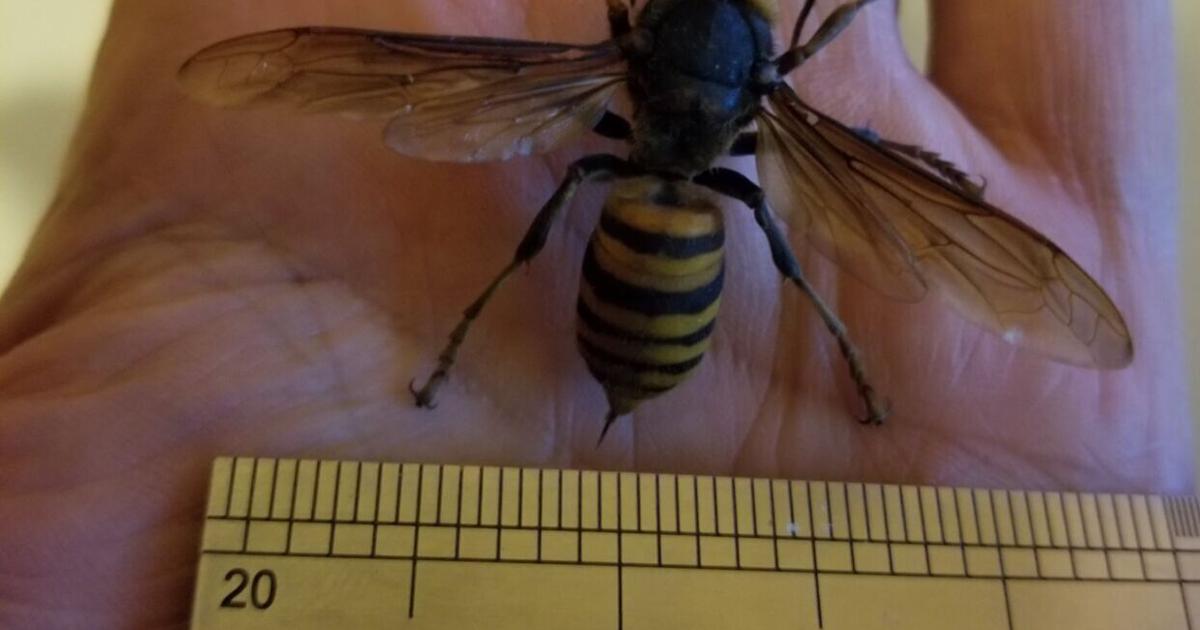
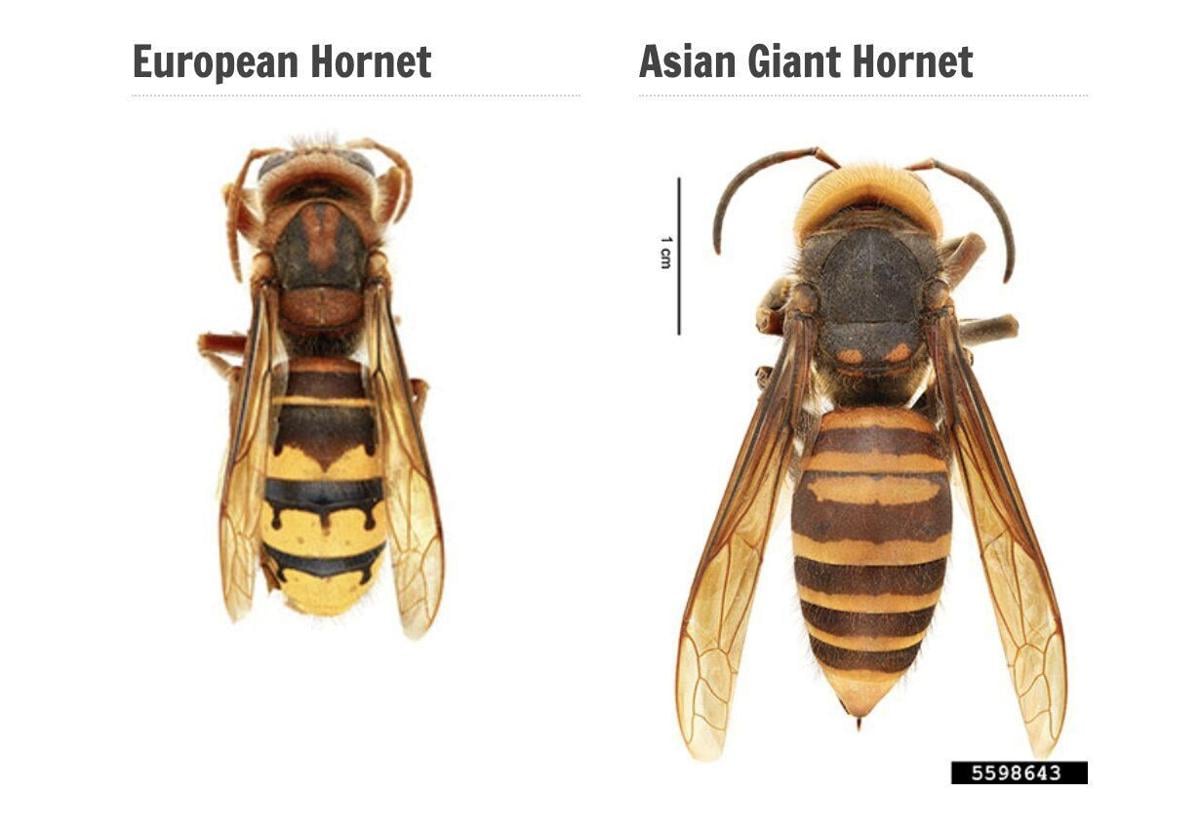
Murder hornets are the largest hornets in the world. They have strong jaws and a large stinger.
- Length: about 1.5 to 2 inches
- Color: yellow-orange and dark brown
- Large head with big eyes
- Wingspan: about 3 inches
Behavior Patterns
Murder hornets hunt other insects, especially honeybees. They attack in groups to kill quickly.
They are active in warm months and slow down as it gets colder. Only queen hornets survive winter.
- Queens hibernate during cold weather
- Workers die off before winter
- Queens start new nests in spring
Cold Weather Challenges
Murder hornets face many problems when temperatures drop. Cold weather affects their ability to survive and stay active.
This article looks at how these hornets handle cold weather through their tolerance, activity changes, and survival ways.
Temperature Tolerance
Murder hornets can survive only in certain cold limits. They do not live well below freezing temperatures. Their bodies start to fail if it gets too cold.
- They tolerate mild cold better than deep freezes.
- Temperature below -5°C can harm their cells.
- They rely on warmth from their nests during cold spells.
- Extreme cold often stops their spread to new areas.
Effects On Activity
Cold weather slows murder hornets down. They become less active and do not hunt or fly much. Their metabolism drops to save energy.
| Temperature Range | Activity Level |
| Above 10°C | High activity, hunting and flying |
| 5°C to 10°C | Reduced activity, limited movement |
| 0°C to 5°C | Minimal activity, mostly resting |
| Below 0°C | Inactive, survival mode |
Survival Mechanisms
Murder hornets use several ways to survive cold seasons. Queens usually hibernate alone in protected places. Worker hornets die off before winter.
The survival steps include:
- Finding warm shelters like tree holes or underground spots
- Reducing body activity to save energy
- Using fat stores built during warmer months
- Queens starting new colonies in spring
Winter Survival Strategies
Murder hornets face harsh cold weather in winter. They use special ways to survive low temperatures.
Understanding these strategies helps us learn how they protect their colony and queen.
Nest Protection
Murder hornets build nests in hidden places to avoid cold winds. They cover the nest with layers of wood fibers.
- The outer layer blocks cold air and moisture.
- Inside, the nest stays warmer than outside.
- The nest location is chosen to avoid frost and snow.
- Hornets repair and add to the nest as winter approaches.
Queen Hibernation
The queen hornet survives winter by hibernating inside the nest. She stays inactive to save energy.
| Hibernation Stage | Behavior | Purpose |
| Early Winter | Slows metabolism | Reduces energy use |
| Mid Winter | Remains inside nest | Protected from cold |
| Late Winter | Prepares to wake | Starts new colony |
Colony Dynamics In Cold
The hornet colony shrinks in winter. Most workers die off, but the queen lives on.
The colony changes in these ways during cold weather:
- Workers gather to keep the queen warm.
- Food stores inside the nest are used sparingly.
- New hornets are not produced until spring.

Credit: www.cbc.ca
Comparisons With Other Insects
Murder hornets are large wasps that worry many people. People ask if they can live in cold weather like other insects. Comparing them to other insects helps us understand their cold survival.
Insects use different ways to survive cold winters. Some insects can hibernate. Others die off but leave eggs that hatch in spring. We can learn about murder hornets by looking at these patterns.
Cold Adaptations In Wasps
Many wasps prepare for winter by slowing down. Some wasps find warm places to hide. They avoid freezing by reducing water in their bodies. This helps them survive cold times.
Murder hornets usually die when cold comes. Only their queen survives by hiding in protected spots. The queen wakes up in spring to start a new colony. This cycle helps them survive cold seasons.
- Wasps lower body water to avoid freezing
- Queens hide in warm places during winter
- Only queens survive cold; workers die off
Differences From Honeybees
Honeybees stay active in cold weather by clustering together. They keep the hive warm by vibrating their bodies. This behavior helps them survive colder places than many wasps.
Murder hornets do not cluster like honeybees. They rely on the queen alone to survive winter. Honeybees’ teamwork is a key difference that helps them live in colder areas.
- Honeybees form clusters to stay warm
- Murder hornets do not cluster in winter
- Only the queen hornet survives cold weather
Lessons From Native Species
Native wasp species in cold regions show good survival tricks. They find insulated places like tree bark or underground nests. These spots protect them from freezing temperatures.
Murder hornets may use similar places to survive winter. Studying native species helps us guess where hornets might hide. This knowledge is useful for tracking and managing them.
- Native wasps use insulated shelters in winter
- Underground and bark spaces offer protection
- Murder hornets likely use similar hiding spots
Impact Of Climate On Spread
Murder hornets are invasive insects that can threaten local species. Their ability to survive cold weather affects how far they can spread.
Climate plays a key role in their survival and growth. Understanding this helps predict their potential impact on new areas.
Potential Range Expansion
Murder hornets prefer warm climates but can survive mild cold. As winters get warmer, they may move into new regions.
- Warmer winters reduce hornet mortality.
- Longer summers increase breeding opportunities.
- Snow cover can protect nests from freezing.
- Cold snaps may limit spread in northern areas.
Seasonal Behavior Changes
Cold weather changes how murder hornets behave during the year. They may alter nesting and feeding habits to survive.
| Season | Behavior |
| Spring | Queens emerge and start new nests |
| Summer | Colony grows; workers hunt prey actively |
| Fall | New queens and males are produced |
| Winter | Only queens hibernate in protected places |
Risks To Local Ecosystems
Murder hornets threaten bees and other insects. Their spread depends on climate and affects ecosystem balance.
- Reduced native bee populations
- Disruption of pollination
- Loss of biodiversity
- Economic impact on agriculture
Controlling Cold-resilient Hornets
Murder hornets are tough insects that can survive cold weather. They find ways to stay warm during winter.
Controlling these hornets requires special care. You must watch for them and act early to stop their spread.
Monitoring And Detection
Watch for signs of hornet activity in late summer and fall. Look for large nests high in trees or buildings.
Use traps to catch hornets and check them often. Early detection helps stop these pests from growing their numbers.
- Set traps near flowering plants and fruit trees
- Check traps weekly for hornet presence
- Inspect trees and roof eaves for nests
- Report sightings to local pest control groups
Winter Control Methods
Murder hornets survive winter by hiding in protected places. Destroy nests before cold weather arrives.
Use cold temperatures to your advantage. Remove nests after freezing weather to kill hornets inside.
- Locate nests in late fall or early winter
- Wear protective clothing during nest removal
- Use freezing cold to kill hornet queens
- Apply safe insecticides if nests are large
Preventing Establishment
Stop hornets from making nests near homes. Seal cracks and holes where they can hide.
Keep yards clean and remove food sources. This reduces places hornets find shelter and food.
- Seal gaps in walls, windows, and doors
- Remove fallen fruit and open garbage cans
- Trim trees and bushes close to buildings
- Install screens on vents and chimneys
Credit: www.insidehalton.com
Frequently Asked Questions
Can Murder Hornets Survive Cold Winter Temperatures?
Murder hornets cannot survive extreme cold. They seek shelter in insulated nests during winter. Their survival depends on mild conditions.
How Do Murder Hornets Protect Themselves From Cold?
They protect themselves by hibernating in underground nests. The nests provide warmth and insulation against freezing temperatures.
Do Cold Climates Limit Murder Hornet Populations?
Yes, cold climates restrict their spread. Harsh winters reduce their survival rates, limiting population growth and geographical range.
What Happens To Murder Hornets During Winter?
Murder hornets enter a dormant state in winter. Queens hibernate underground while workers die off as temperatures drop.
Conclusion
Murder hornets face challenges surviving cold weather. Their nests do not last long in freezing temperatures. Winter usually kills most of the colony. Only queen hornets stay alive by hiding deep underground. They wait for warmer spring days to start new nests.
Cold weather slows their spread in many areas. Still, watch for signs in mild winters. Understanding their limits helps protect local bees. Stay informed to keep your environment safe.