Can Cow Survive Cold Weather: Essential Tips for Winter Care
Imagine standing outside on a chilly winter morning. You bundle up in your warmest coat, scarf, and gloves, but you still feel the biting cold.
Now, picture a cow in the same icy environment. You might wonder, can cows survive cold weather without the luxury of layers? The answer might surprise you. Understanding how these gentle giants cope with the cold can not only satisfy your curiosity but also equip you with knowledge to better care for livestock or simply marvel at nature’s adaptability.
Dive into this article to uncover the fascinating ways cows thrive in freezing temperatures, and discover some surprising facts that might just warm your heart.

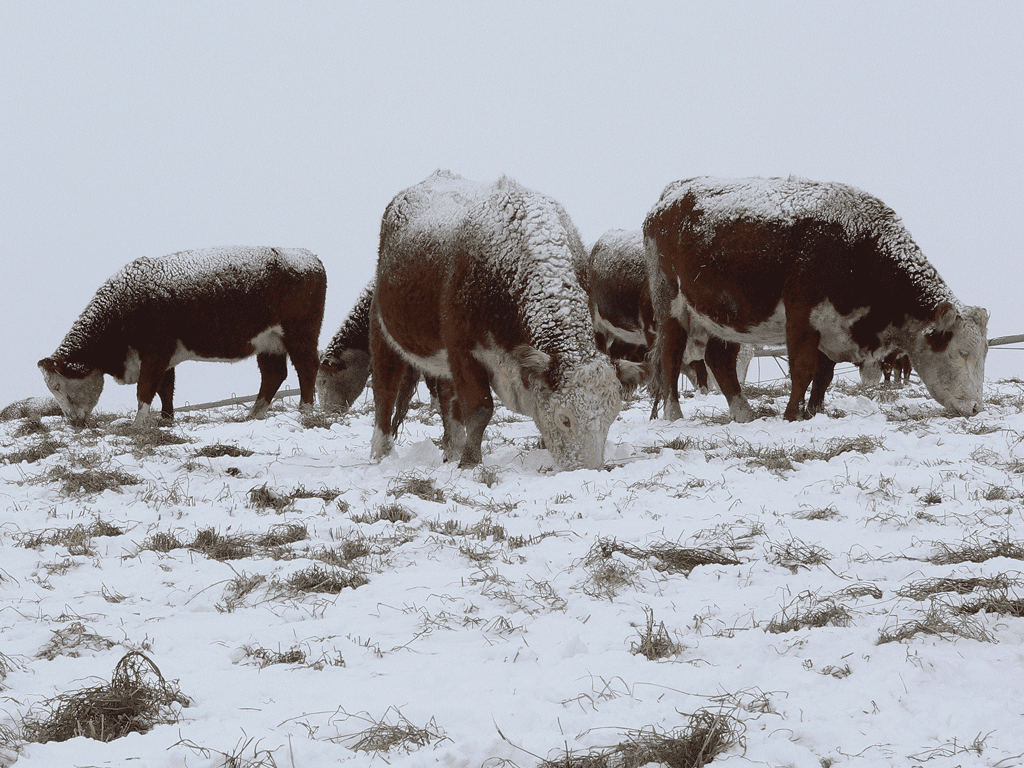
Credit: www.agproud.com
Cow Adaptations To Cold
Cows can live in cold weather because they have special ways to stay warm. These adaptations help them survive low temperatures.
Understanding how cows adapt can help farmers care for them better in winter.
Natural Insulation
Cows grow thick fur coats in cold weather. This fur traps heat close to their bodies. The hair stands up to keep air inside.
Their skin also helps block cold wind and rain. Fat under the skin adds extra warmth during winter months.
- Thick winter fur traps body heat
- Skin resists cold wind and moisture
- Fat layers provide insulation
Behavioral Changes
Cows change how they act to stay warm. They huddle together to share body heat. This helps reduce heat loss.
They also move less during very cold days. This saves energy and keeps their bodies warm.
- Huddling to share warmth
- Reducing movement to save energy
- Finding shelter from wind and snow
Physiological Responses
Cows have body processes that help them stay warm. Their metabolism speeds up to produce more heat. Blood flow changes to keep core organs warm.
They may eat more food to fuel this extra heat production. This helps maintain their body temperature during cold spells.
- Increased metabolism to generate heat
- Blood flow directed to vital organs
- Higher food intake for energy
Risks Of Cold Weather
Cows can survive cold weather but face several risks. Cold can harm their health and reduce productivity.
Farmers must watch for problems caused by cold temperatures. Knowing these risks helps keep cows safe.
Hypothermia And Frostbite
Hypothermia happens when cows lose too much body heat. It can make them weak and slow.
Frostbite occurs when skin freezes. It often affects ears, tails, and feet.
- Shivering and lethargy are signs of hypothermia
- Swelling or discoloration shows frostbite damage
- Both conditions need quick attention to prevent harm
Reduced Appetite
Cold weather can lower a cow’s appetite. They may eat less than usual.
Less food means less energy to stay warm. This can lead to weight loss.
- Offer extra feed during cold days
- Provide high-energy food to maintain body heat
- Keep water from freezing to encourage drinking
Respiratory Issues
Cold air can cause breathing problems in cows. It may lead to coughs and infections.
Damp and windy conditions make respiratory issues worse. Proper shelter helps protect cows.
- Watch for coughing and nasal discharge
- Keep barns dry and draft-free
- Isolate sick cows to stop disease spread
Shelter Needs
Cows need proper shelter to stay safe in cold weather. Shelter protects them from wind, rain, and snow. It also helps keep their body heat.
Good shelter improves cow health and comfort during winter months. Let’s look at key shelter needs for cows in cold weather.
Windbreaks And Barns
Windbreaks block cold winds and reduce chill for cows. Barns offer full protection from rain and snow. Both help cows stay warm.
- Windbreaks can be made of trees, fences, or walls
- Barns should be dry and free of drafts
- Provide enough space for all cows to rest comfortably
- Place shelters where they get sunlight during the day
Bedding Materials
Bedding keeps cows off cold, wet ground. It adds warmth and comfort. Good bedding helps keep cows dry and healthy.
| Bedding Type | Benefits |
| Straw | Insulates and absorbs moisture well |
| Wood shavings | Dries quickly and is soft |
| Sand | Drains water and stays cool |
Ventilation Importance
Good ventilation removes moisture and ammonia from barns. It keeps air fresh and reduces respiratory problems. But it should not cause drafts.
Ventilation tips:
- Use adjustable vents or windows
- Place openings high to let warm air escape
- Keep air moving without blowing directly on cows
- Check regularly for blocked vents or buildup
Feeding Strategies
Cows need special feeding plans to survive cold weather. Cold makes them use more energy to stay warm. Good feeding helps keep them healthy and strong.
Farmers must give cows the right food. This food helps cows get enough energy and nutrients. Different types of feed work well in cold times.
Increased Energy Requirements
Cows burn more calories in cold weather. They need extra energy to keep their body heat. Feeding more energy-rich food is important during winter.
Providing enough calories helps cows stay healthy and produce milk. Without enough energy, cows can lose weight and get sick.
Quality Forage Options
Good quality forage gives cows fiber and nutrients. This helps their digestion and energy. Choose hay or silage that is fresh and clean.
- Alfalfa hay is high in protein and energy
- Grass hay is easy to digest and supports gut health
- Silage provides moisture and balanced nutrition
- Avoid moldy or dusty feed to prevent illness
Supplemental Feeding
Extra feed helps cows get enough nutrients in cold weather. Supplements add energy, protein, and vitamins. This supports health and milk production.
| Supplement Type | Benefits | Feeding Tips |
|---|---|---|
| Grain | High energy source | Feed in small amounts to avoid digestive issues |
| Protein pellets | Supports muscle and milk growth | Mix with forage for better intake |
| Mineral blocks | Provides essential vitamins and minerals | Place where cows can access freely |
Water And Hydration
Cows need plenty of water to stay healthy in cold weather. Water helps keep their body temperature stable.
In winter, cows may drink less if water freezes. Farmers must watch their water supply closely.
Preventing Water Freezing
Frozen water stops cows from drinking enough. Use heaters or insulated tanks to keep water liquid.
Check water sources often. Replace frozen water quickly to avoid dehydration.
- Use heated water tanks or buckets
- Cover water containers to keep warmth
- Break ice on natural water sources daily
- Place water where sunlight can help warm it
Ensuring Clean Access
Cows need clean water to stay healthy. Dirty water can cause illness and reduce drinking.
Keep water troughs free of dirt, snow, and manure. Clean them regularly to provide fresh water.
- Remove debris from water containers daily
- Use fresh water instead of stagnant water
- Place water troughs in clean, dry areas
Monitoring Intake
Watch how much water cows drink. Low water intake can cause health problems in cold weather.
Record water use and check for changes. If cows drink less, find and fix the problem fast.
- Observe cows at water sources daily
- Note any drop in drinking habits
- Check water temperature and cleanliness
- Provide extra water if cows eat more dry feed
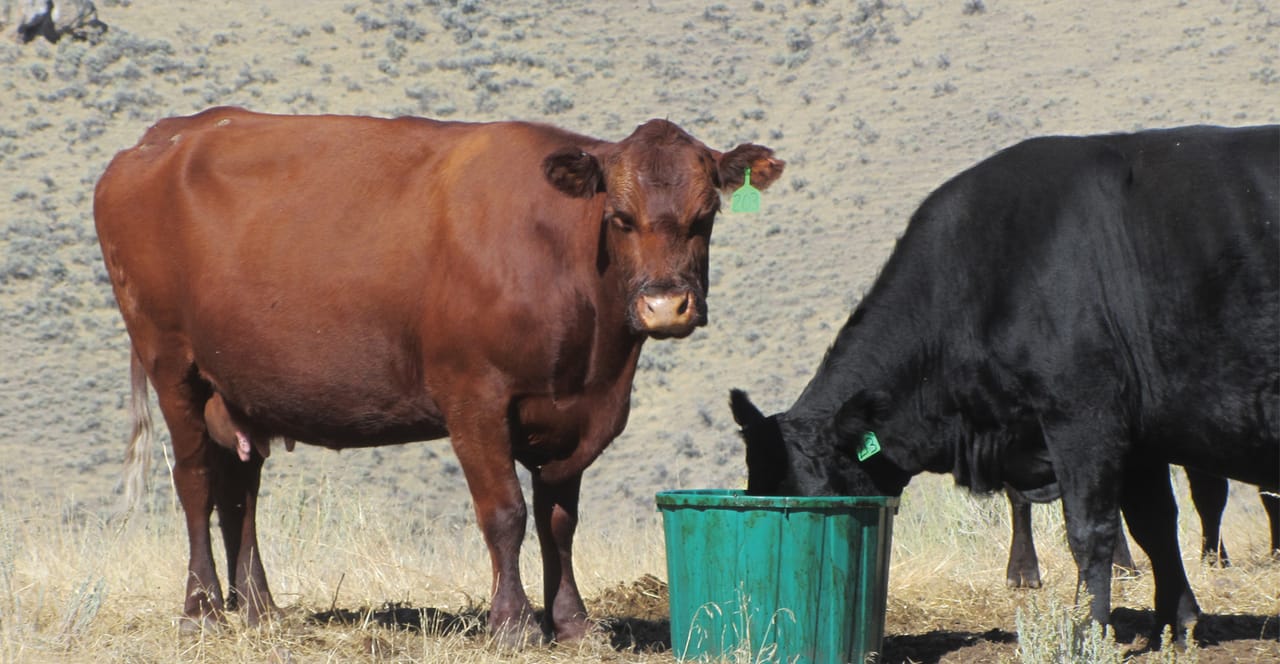
Credit: www.beefmagazine.com
Health Monitoring
Keeping cows healthy during cold weather is very important. Careful health monitoring helps prevent illness and stress.
Regular checks and proper care keep cows strong and able to handle cold temperatures better.
Regular Body Condition Checks
Check the cow’s body condition often to see if they are losing weight or looking weak. Thin cows may need extra food or shelter.
- Feel the ribs and spine to check fat cover
- Look for signs of poor coat or hair loss
- Watch for changes in eating or movement
- Keep records of body condition scores
Vaccinations And Parasite Control
Vaccines protect cows from diseases that are more common in winter. Parasites can make cows weak and cold.
| Type | Purpose | When to Apply |
| Vaccinations | Prevent flu and respiratory issues | Before cold season starts |
| Parasite Control | Reduce worms and lice | Regularly throughout the year |
Signs Of Cold Stress
Cold stress can make cows sick quickly. Watch for these signs to act fast and help them.
- Shivering or trembling
- Huddling together for warmth
- Slower movements or less activity
- Less eating and drinking
- Weakness or lethargy
Handling And Management
Cows can survive cold weather if they receive good care. Proper handling helps them stay healthy and strong during winter months. This guide covers key ways to manage cows in cold conditions.
Farmers must adjust their routines to lower risks. Stress, movement, and daily care all need attention. These steps help cows cope with cold weather better.
Minimizing Stress
Reducing stress is important for cow health in cold weather. Avoid loud noises and sudden changes. Keep the herd calm and comfortable.
- Handle cows gently and quietly
- Provide shelter from wind and wet conditions
- Keep feeding and milking times consistent
- Ensure clean and dry bedding
Safe Movement In Snow
Snow and ice can cause injuries if cows slip or fall. Help them move safely by clearing paths. Use sand or straw on slippery areas.
| Risk Factor | Prevention |
| Slippery ground | Spread sand or straw |
| Deep snow | Clear walking paths |
| Hidden obstacles | Inspect and remove debris |
| Cold wind exposure | Guide cows to sheltered areas |
Adjusting Routine Care
Cold weather means routine care needs changes. Cows use more energy to stay warm. Feed and water should meet these extra needs.
- Increase feed quality and quantity
- Check water sources to prevent freezing
- Keep barns dry and well-ventilated
- Monitor cow health daily for signs of cold stress

Credit: www.youtube.com
Frequently Asked Questions
Can Cows Survive In Extremely Cold Weather?
Yes, cows can survive extremely cold weather. They grow thick winter coats to insulate against cold. Proper shelter and nutrition also help them stay warm and healthy.
How Do Cows Stay Warm During Winter?
Cows stay warm through their dense winter fur and natural body fat. Farmers provide shelter, bedding, and extra feed to maintain their body heat.
What Shelter Is Best For Cows In Cold Weather?
A windproof, dry shelter with good ventilation is best. It protects cows from wind, rain, and snow, reducing stress and cold-related illnesses.
Do Cows Need Special Food In Winter?
Yes, cows require more energy-rich feed in winter. Extra calories help generate body heat and maintain their health during cold conditions.
Conclusion
Cows can survive cold weather with proper care and shelter. Their thick fur helps keep them warm. Providing dry bedding and enough food supports their health. Farmers must watch for signs of cold stress. Warm water and protection from wind improve comfort.
Cold weather is tough but manageable for cows. Taking simple steps ensures they stay safe and healthy. This knowledge helps farmers care for cows year-round.


