How Do Pelicans Survive a Hurricane: Incredible Survival Secrets Revealed
Ever wondered how pelicans manage to survive the fury of a hurricane? You’re not alone.
These majestic birds, with their graceful flight and impressive wingspan, face one of nature’s most powerful forces head-on. As the winds howl and the waves crash, pelicans employ fascinating survival strategies that have intrigued scientists and nature lovers alike. By understanding their instincts and behaviors, you can gain a deeper appreciation for the resilience of wildlife in the face of extreme weather.
Dive into this captivating mystery, and discover how these resilient creatures navigate the chaos of a hurricane. Your curiosity will lead you through a tale of survival against the odds, and you won’t want to miss a single detail.
Credit: www.smithsonianmag.com
Pelican Habitat And Hurricane Zones
Pelicans live near the coast where they find food and build nests. These areas often face hurricanes. Understanding pelican homes helps us see how they survive storms.
Hurricanes bring strong winds and heavy rain. Pelicans must adapt to these tough weather conditions to stay safe and keep their young alive.
Common Coastal Homes
Pelicans usually live near beaches, bays, and estuaries. They build nests in trees, bushes, or on the ground. Islands and coastal marshes are popular homes.
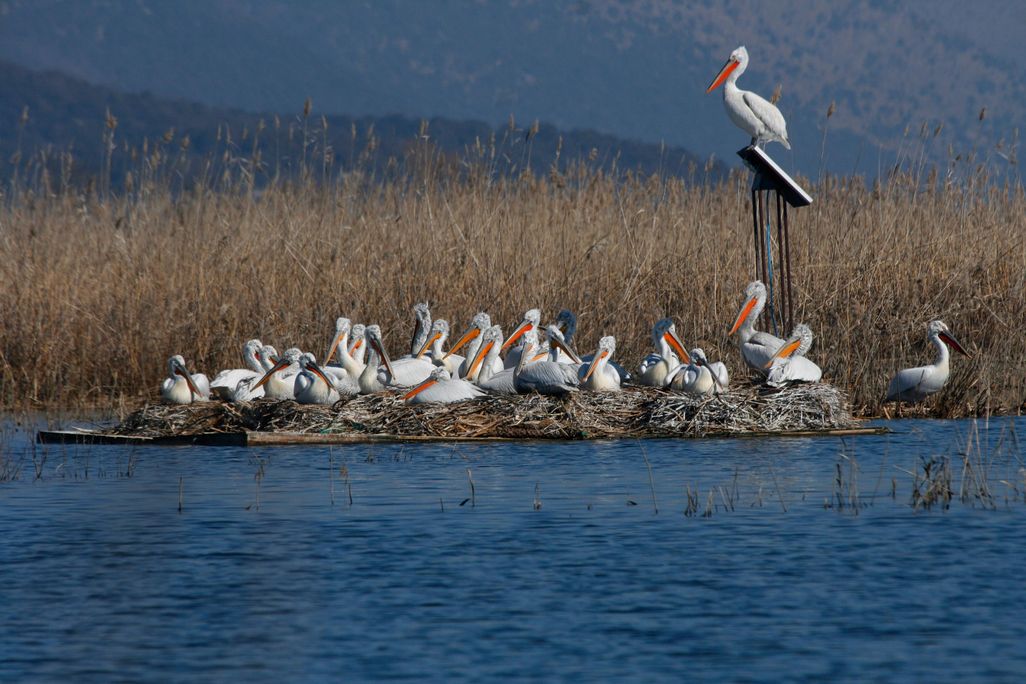
These places offer plenty of fish for food and safe spots for nesting. Pelicans often gather in groups called colonies to protect each other.
- Beaches with sand dunes
- Mangrove forests
- Salt marshes and wetlands
- Small islands near shore
Hurricane-prone Areas
Pelicans live in places where hurricanes happen often. These storms can flood nests and destroy food sources. Pelicans have special ways to survive.
Before a hurricane, pelicans fly to safer places. They rest on strong trees or rocky shores. After the storm, they return to rebuild their nests.
- Gulf of Mexico coasts
- Caribbean islands
- Atlantic coastlines of the US
- Central American shorelines
Credit: alamedapost.com
Physical Traits Aiding Survival
Pelicans face strong winds and heavy rain during hurricanes. Their bodies have special features to help them survive these tough conditions. Understanding these traits shows how pelicans stay safe.
Two key traits that help pelicans in storms are their wing design and waterproof feathers. These traits allow them to fly well and stay dry in bad weather.
Wing Design And Flight
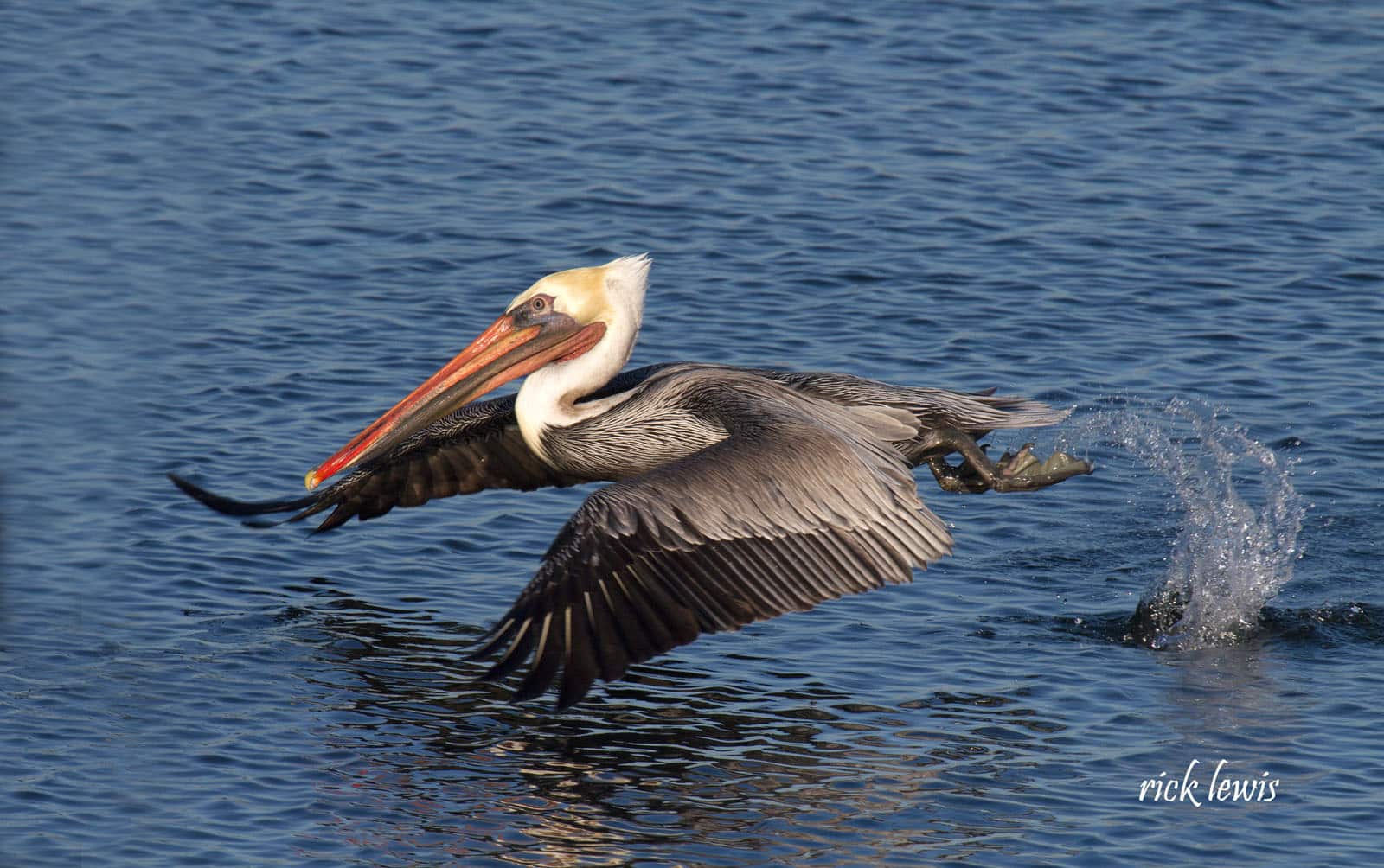
Pelicans have large wings with a wide surface area. This wing shape helps them glide smoothly through strong winds. Their flight muscles are strong, giving them power to fly against storm gusts.
- Long, broad wings provide lift and stability
- Strong flight muscles help control movement in wind
- Flexible wing joints allow quick adjustments
- Ability to soar reduces energy use during storms
Waterproof Feathers
Pelicans have feathers coated with oils from a gland near their tails. This oil makes feathers water-resistant, keeping the bird dry during heavy rain. Dry feathers also keep body heat inside, which is vital in cold storm weather.
| Feature | Benefit |
| Oil-coated feathers | Prevent water absorption |
| Feather layering | Traps warm air close to skin |
| Preening behavior | Maintains feather condition and waterproofing |
Behavior Before A Storm
Pelicans have special ways to survive hurricanes. They prepare before the storm arrives. Their behavior changes as they sense the weather.
Understanding their actions helps us learn how animals handle bad weather. Pelicans use their senses and instincts to stay safe.
Sensing Weather Changes
Pelicans can detect weather changes early. They notice shifts in wind, air pressure, and clouds. These signals tell them a storm is near.
- They watch for dark, heavy clouds in the sky.
- They feel changes in wind speed and direction.
- They sense drops in air pressure before storms.
- They listen for distant thunder sounds.
Seeking Shelter
Once pelicans sense a storm, they look for safe places. They stop flying far and gather in groups. Sheltering reduces their risk from strong winds and rain.
| Safe Shelter Options | Benefits |
| Dense Trees | Blocks wind and rain |
| Cliffs or Rocky Areas | Strong natural protection |
| Protected Bays | Calm water areas |
| Human-made Structures | Extra cover if near coast |
Flight Strategies During Hurricanes
Pelicans use special flight strategies to survive hurricanes. These big birds fly smart to handle strong winds and storms.
They adjust their flying style to save energy and stay safe in harsh weather. Let’s explore how pelicans do this.
Riding Storm Winds
Pelicans ride the strong winds during hurricanes to move with the storm. They use air currents to glide instead of flap hard.
This technique helps them travel long distances without using much energy. They stay high in the air where winds are smoother.
- Pelicans catch rising air currents called thermals
- They glide along the storm’s edge to avoid the strongest winds
- Using wind helps them keep control and stay safe
Energy Conservation Techniques
Flying in a hurricane uses a lot of energy. Pelicans use tricks to save energy and stay strong.
They fly in groups to reduce wind resistance and rest often by floating on water when it is safe.
- Pelicans soar with minimal wing flaps
- They follow each other to cut air resistance
- Resting on water helps them recover energy
- They slow their movements to avoid tiring out
Post-hurricane Recovery
Pelicans face many challenges after a hurricane. They must find food and water to survive. They also need to rebuild their nests to protect their young.
Recovering after a storm is hard, but pelicans have ways to cope. Their survival depends on quick action and strong instincts.
Finding Food And Water
After a hurricane, food and water sources can be scarce or polluted. Pelicans search for clean water and fish to eat. They often move to new areas where food is easier to find.
- Pelicans scan large water areas for fish.
- They may travel farther than usual to find food.
- They avoid drinking salty or dirty water.
- Pelicans hunt in groups to increase success.
Rebuilding Nests
Storms often destroy pelican nests. Pelicans rebuild their nests quickly using sticks and leaves. Both parents work together to repair the nest.
| Nest Rebuilding Actions | Description |
| Collect Materials | Pelicans gather sticks, leaves, and grass from nearby areas. |
| Rebuild Structure | They arrange materials to form a strong base and walls. |
| Secure Nest | Parents press materials firmly to keep the nest stable. |
| Protect Eggs | Once rebuilt, pelicans keep their eggs safe from wind and rain. |
Human Impact And Conservation
Pelicans face many dangers during hurricanes. Human actions affect their survival. Conservation helps protect their homes and supports their recovery after storms.
Understanding how humans impact pelican habitats is key. People can help by supporting efforts that keep pelicans safe before and after hurricanes.
Habitat Protection Efforts
Protecting pelican habitats reduces harm from hurricanes. Wetlands and coastal areas provide shelter and food for pelicans. Conservation groups work to keep these areas healthy.
- Restoring mangroves and marshes to act as natural barriers
- Limiting construction in coastal zones to reduce habitat loss
- Monitoring water quality to ensure safe feeding areas
- Creating protected wildlife reserves for nesting and roosting
Helping Pelicans Cope
After hurricanes, pelicans need help to recover. People assist by cleaning habitats and providing food. Rescue centers care for injured birds and release them back to the wild.
| Conservation Action | Benefit for Pelicans |
| Habitat Restoration | Provides safe areas for shelter and feeding |
| Wildlife Rescue | Helps injured pelicans heal and survive |
| Public Education | Increases awareness and support for pelican protection |

Credit: www.reddit.com
Frequently Asked Questions
How Do Pelicans Prepare For Hurricanes?
Pelicans sense changes in weather and seek sturdy shelter early. They flock to dense trees or high ground to avoid flooding. Their strong wings help them fly long distances to safer areas before storms hit.
Can Pelicans Fly During Hurricane Winds?
Pelicans can fly in strong winds but avoid the storm’s eye. They use wind currents to conserve energy and navigate safely. Flying high above rough seas helps them avoid dangerous waves and heavy rain during hurricanes.
Where Do Pelicans Hide During Hurricanes?
Pelicans hide in sheltered areas like mangroves, dense forests, or cliffs. These locations protect them from strong winds and flying debris. Staying in groups also increases their chances of survival during hurricanes.
How Do Hurricanes Affect Pelican Populations?
Hurricanes can destroy pelican habitats and reduce food availability temporarily. However, pelicans are resilient and often recover quickly after storms. Long-term impacts depend on storm severity and habitat restoration efforts.
Conclusion
Pelicans survive hurricanes by using strong flying skills and smart instincts. They seek shelter in safe places like trees or cliffs. Their wings help them glide through strong winds with ease. These birds can pause and rest when the storm is fierce.
Nature has built pelicans to handle tough weather. Watching them shows how animals adapt to survive. Next time you see a pelican, remember their strength and resilience during storms. They teach us about patience and endurance in hard times. Pelicans truly are survivors of the wild.