How to Survive in Cold Weather Outside: Essential Life-Saving Tips
Imagine stepping outside into a world where the air is crisp, the ground is frosty, and every breath feels like a whisper of winter. Cold weather can be invigorating, but it can also be challenging if you’re not prepared.
Whether you’re planning an outdoor adventure or simply need to get through your daily routine, knowing how to survive in cold weather is essential for your comfort and safety. In this guide, you’ll discover practical tips and tricks to keep you warm, protect your health, and enjoy the beauty of the frosty outdoors without worry.
Get ready to transform your cold weather experience from daunting to delightful. Read on to make sure you’re fully equipped for whatever winter throws your way.
Preparing For Cold Weather
Surviving outside in cold weather needs careful preparation. You must protect your body and have the right tools.
Getting ready helps you stay warm and safe during cold outdoor trips.
Choosing The Right Clothing
Wear layers of clothing to keep warm and dry. Start with a base layer that moves sweat away from your skin.
- Use wool or synthetic fabrics for base layers
- Add an insulating middle layer like fleece
- Wear a waterproof, windproof outer shell
- Choose hats, gloves, and scarves to protect extremities
- Wear insulated boots with warm socks
Packing Essential Gear
Bring tools and supplies that help you stay warm and safe in cold weather. Pack items that protect you from wind and moisture.
| Gear | Purpose |
| Insulated sleeping bag | Keep warm during rest |
| Fire starter kit | Light fire for heat and cooking |
| Extra clothing | Replace wet or cold clothes |
| Waterproof matches | Start fire in wet conditions |
| Emergency blanket | Reflect body heat |
Planning Your Route
Plan your path carefully to avoid dangers and reduce exposure. Know your stops and how to get help if needed.
- Check weather forecasts before leaving
- Choose routes with shelter options
- Tell someone your plan and expected return time
- Avoid risky areas like thin ice or steep slopes
- Carry a map and compass or GPS device
Building Shelter
Staying warm outside in cold weather is important. Building a shelter protects you from wind, snow, and cold air. A good shelter can save your life in harsh conditions.
You can use nature, snow, or simple tools to make a shelter. Learn how to find or build shelter to stay safe and warm.
Finding Natural Shelter
Look for natural places that block wind and keep you dry. Trees, rocks, and caves can offer good protection. Avoid places that may flood or have loose snow above.
Use fallen branches and leaves to add insulation. Stay away from open spaces where wind can reach you easily.
- Find thick tree cover or dense bushes
- Check for rock overhangs or shallow caves
- Clear snow or debris to create dry ground
- Use natural materials for extra warmth
Constructing A Snow Shelter
Snow shelters block wind and keep warmth inside. You can build a snow cave, trench, or igloo depending on snow type and tools.
Pack snow tightly to make strong walls. Leave a small entrance to keep cold air out. Use branches or clothing inside for insulation.
- Choose a safe snow area without risk of collapse
- Dig a space big enough to sit or lie down
- Build walls at least one foot thick
- Make a small entrance lower than the sleeping area
- Place insulating materials inside the shelter
Using Emergency Blankets
Emergency blankets reflect your body heat back to you. They are lightweight and easy to carry. Use them to add warmth inside your shelter.
Wrap the blanket around your body or lay it under you. You can also use it to cover a shelter frame to block wind and rain.
- Wrap blanket tightly around your body
- Use blanket under you to keep moisture away
- Cover shelter frame for extra wind protection
- Keep blanket dry for best heat reflection
Maintaining Body Heat
Cold weather outside can be dangerous if your body loses heat. Keeping warm helps you stay safe and healthy. Use good methods to keep your body heat in.
Wearing the right clothes and using your body heat can make a big difference. Staying dry also helps keep your warmth.
Layering Techniques
Wear clothes in layers to trap heat. Each layer has a job to keep you warm and dry. The base layer moves sweat away from your skin. The middle layer keeps heat in. The outer layer blocks wind and rain.
- Base layer: thin, tight, moisture-wicking fabric
- Middle layer: thick, warm, like fleece or wool
- Outer layer: waterproof and windproof shell
- Wear a hat and gloves to reduce heat loss
- Use insulated boots to keep feet warm
Staying Dry
Wet clothes cool your body fast and can cause frostbite. Avoid sweating too much by removing layers when active. Change out of wet clothes quickly. Use waterproof gear to stay dry from rain and snow.
| Condition | Tip to Stay Dry |
| Sweat | Wear moisture-wicking base layers |
| Rain or Snow | Use waterproof outer layers |
| Wet Ground | Wear waterproof boots and gaiters |
Using Body Heat Sources
Your body heat is a strong heat source. Keep close to others to share warmth. Use heat packs or warm water bottles inside your clothes. Avoid touching cold surfaces with bare skin.
Tips to use body heat sources:
- Huddle with friends or family for shared warmth
- Keep moving to maintain blood flow and heat
- Use insulated sleeping bags to trap heat at night
- Place warm packs in gloves or boots
- Cover your head and neck well to keep heat inside

Credit: expertvagabond.com
Finding And Purifying Water
Water is vital for survival in cold weather outdoors. You need to find safe water to stay hydrated and healthy.
This guide shows how to locate water sources, melt snow safely, and purify water before drinking.
Locating Water Sources
Look for streams, rivers, or lakes that are not frozen solid. Melt ice only if no liquid water is available.
- Check lower ground where water may collect
- Follow animal tracks to find water
- Look for green vegetation, which often grows near water
- Avoid stagnant water to reduce contamination risk
Melting Snow Safely
Do not eat snow directly. It lowers your body temperature and may cause illness.
Use these tips to melt snow safely:
- Collect clean, white snow only
- Use a container to melt snow over a fire or stove
- Do not use green or colored snow
- Boil the melted snow before drinking
Purification Methods
Purify water to kill germs and avoid sickness. Choose a method based on your resources.
| Method | Description | Pros | Cons |
| Boiling | Heat water until it bubbles for 1 minute | Kills most germs | Needs fire or stove |
| Water Tablets | Add tablets and wait 30 minutes | Light and portable | May leave taste |
| Filter | Pass water through a filter device | Removes dirt and some germs | Filters can clog |
| Solar Disinfection | Leave water in clear bottles in sunlight for 6 hours | No equipment needed | Less effective in cloudy weather |
Starting And Sustaining A Fire
Building and keeping a fire is important in cold weather. It helps you stay warm and cook food.
You need dry wood and good fire-starting skills. Safety is also very important to prevent accidents.
Gathering Firewood
Collect wood that is dry and easy to burn. Look for small twigs, sticks, and bigger logs.
Use wood that is off the ground or under trees. Wet wood will be hard to light and smoke a lot.
- Pick dry twigs for kindling
- Gather medium sticks to keep fire going
- Find larger logs for long-lasting heat
- Check wood for moisture before use
Fire Starting Techniques
Use materials that catch fire easily. Dry leaves, bark, and paper can help start the fire fast.
Try to build a small base with kindling. Then add bigger sticks as the fire grows.
- Use matches or a lighter to start fire
- Arrange wood in a teepee or log cabin style
- Blow gently at the base to feed oxygen
- Keep adding wood slowly to keep fire strong
Fire Safety Tips
Always clear the area around the fire from leaves and sticks. This stops the fire from spreading.
Never leave a fire unattended. Make sure the fire is completely out before you leave.
- Build fire away from tents and trees
- Keep water or dirt nearby to put out fire
- Watch wind direction to avoid sparks
- Extinguish fire by pouring water and stirring ashes
Navigating In Cold Conditions
Cold weather outside can make navigation hard. Snow and ice cover paths and signs. You must use safe ways to find your way.
Knowing how to use nature and signals helps you stay safe. Prepare to handle low visibility and call for help if needed.
Using Natural Landmarks
Look for trees, rocks, and hills to guide your path. These landmarks stay visible even in snow.
- Find tall trees that stand out against the snow.
- Use rivers or streams to track direction.
- Note mountain shapes or ridges in the distance.
- Remember landmarks’ positions as you move.
- Mark your path by leaving small signs on trees or rocks.
Handling Reduced Visibility
Fog, snow, or darkness can block your view. Use tools and methods to stay on course.
| Tip | Action |
| Use a compass | Check direction often to avoid getting lost. |
| Follow footprints | Track your steps or others’ paths in the snow. |
| Move slowly | Walk carefully to prevent falls or wrong turns. |
| Stay close to landmarks | Keep natural markers in sight to guide you. |
Emergency Signaling
Signal for help if you are lost or need rescue. Use clear and loud methods.
- Wave bright clothing or objects above your head.
- Shout loudly at regular intervals.
- Use a whistle to make noise that travels far.
- Build a fire to create smoke signals during the day.
- Arrange rocks or logs in an SOS pattern on open ground.
Preventing Cold-related Injuries
Cold weather can be dangerous if you are outside for a long time. Your body can get hurt by the cold if you do not protect yourself well.
It is important to know how to spot cold injuries early. You also need to know what to do to stay safe and help others.
Recognizing Hypothermia
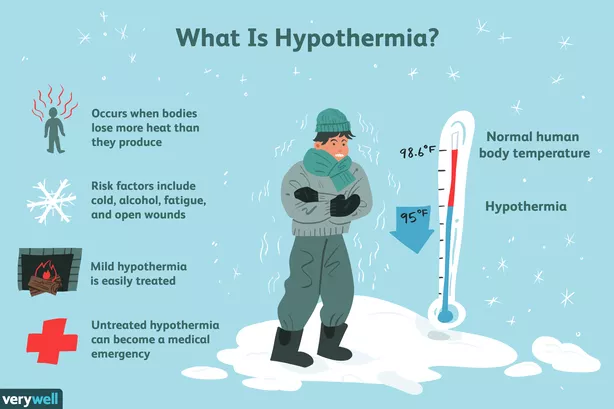
Hypothermia happens when your body loses heat faster than it can make it. Your body temperature drops below normal. This is very dangerous.
Signs of hypothermia include shivering, slow breathing, and confusion. People may also feel very tired or sleepy.
- Shivering that stops or slows down
- Slow, shallow breathing
- Weak pulse
- Confused or forgetful behavior
- Drowsiness or very low energy
Avoiding Frostbite
Frostbite is damage to the skin and tissues from freezing. Fingers, toes, ears, and nose are most at risk. Keep these parts covered and warm.
Do not stay outside too long in very cold weather. Wear layers of clothing and keep dry. Change wet clothes quickly to stay warm.
- Wear gloves, hats, and scarves
- Use warm, dry socks and boots
- Avoid tight clothes that reduce blood flow
- Stay dry to keep heat inside
- Keep moving to keep blood flowing
First Aid Essentials
If someone has hypothermia or frostbite, act fast. Move the person to a warm place. Remove wet clothes and cover them with blankets.
Do not rub frostbitten skin. Warm the skin slowly with warm water or body heat. Give warm drinks if the person is awake.
- Call for emergency help if needed
- Keep the person still and warm
- Use warm water (not hot) to warm frostbitten areas
- Avoid walking on frostbitten feet or toes
- Do not use direct heat like a fire or heater

Credit: expertvagabond.com
Managing Food And Energy
Staying warm outside in cold weather needs careful food and energy planning. Your body uses more energy to keep warm.
Choosing the right food and saving supplies can help you last longer. Safe food storage is also very important.
High-energy Food Choices
Pick foods that give you lots of energy fast. Fat and carbohydrates are best for cold weather.
Foods like nuts, chocolate, and cheese help keep your energy up. These items are easy to carry and eat.
- Nuts and seeds
- Energy bars
- Cheese and cured meats
- Chocolate and peanut butter
- Dried fruits
Rationing Supplies
Control how much food you eat to make supplies last longer. Eat small amounts regularly to keep energy steady.
Do not eat all your food at once. Plan meals and snacks each day to avoid running out.
- Divide food into daily portions
- Eat balanced meals with carbs and fats
- Save some food for emergencies
- Drink water often to stay hydrated
Storing Food Safely
Keep food in a dry, cold place to prevent spoilage. Protect food from animals and moisture.
Use airtight containers or bags to store your food. Check your supplies often to avoid waste.
- Use sealed containers or zip-lock bags
- Store food off the ground
- Keep food away from heat sources
- Check for signs of spoilage before eating

Credit: www.youtube.com
Frequently Asked Questions
How To Dress Properly For Cold Weather Outside?
Wear multiple layers including thermal underwear, fleece, and waterproof outerwear. Use hats, gloves, and insulated boots to retain heat. Avoid cotton as it traps moisture and cools the body.
What Foods Help Maintain Body Heat In Cold Weather?
Eat high-calorie, protein-rich foods like nuts, cheese, and meats. Warm drinks like herbal teas also help maintain body temperature. Avoid alcohol as it can lower your core temperature.
How Can I Prevent Hypothermia Outdoors?
Stay dry, wear layered clothing, and avoid prolonged exposure to cold. Keep moving to generate body heat and seek shelter if possible. Recognize early symptoms like shivering and confusion.
What Are Essential Items For Cold Weather Survival Kits?
Include a thermal blanket, waterproof matches, insulated gloves, a first-aid kit, and high-energy snacks. A portable stove and extra clothing layers are also important. Always carry a reliable communication device.
Conclusion
Surviving cold weather outside needs careful planning. Dress in layers to keep warm. Stay dry to avoid losing heat fast. Keep moving to boost your body heat. Drink water often to stay hydrated. Know the signs of frostbite and hypothermia.
Always carry emergency supplies for safety. Staying calm helps you think clearly. These simple steps increase your chances of staying safe. Cold weather can be tough, but you can handle it. Stay prepared and respect the power of nature.