Can Solar Panels Survive a Hurricane: Ultimate Durability Guide
Imagine this: a hurricane is on the horizon, and while you’re busy securing your home, a question pops into your mind—what about your solar panels? You’ve invested in them for energy efficiency and savings, but can they withstand the fierce winds and heavy rains of a hurricane?
This is a concern many homeowners like you have, especially those living in storm-prone areas. The thought of your solar investment being swept away can be worrying, but before you jump to conclusions, let’s explore the facts. Are solar panels as fragile as they seem, or do they have a hidden resilience against the forces of nature?
Understanding their true strength could not only ease your worries but also empower you to make informed decisions about your home’s energy solutions. Stay with us as we dive deeper into whether your solar panels can brave a hurricane and how you can enhance their durability.
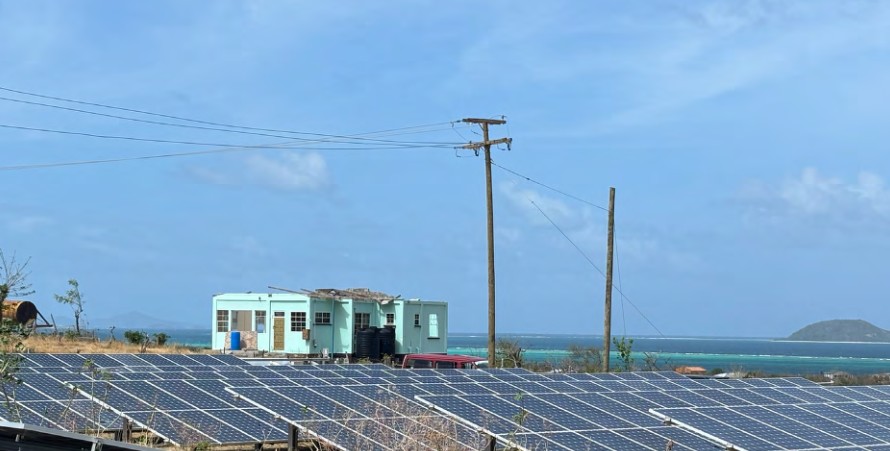
Credit: pv-magazine-usa.com
Solar Panel Construction
Solar panels are built to last through tough weather. Their design helps them resist damage. Understanding how they are made shows why they can survive storms.
Each part of a solar panel plays a role. Materials, frame, and glass all add strength. This makes them strong in harsh conditions.
Materials Used
Solar panels use special materials to stay safe in storms. The most common is silicon, which converts sunlight to power. The backsheet and encapsulant protect inner parts from water and dust.
- High purity silicon for solar cells
- Ethylene vinyl acetate (EVA) for encapsulation
- Tedlar or polyester backsheets for moisture protection
- Aluminum for the panel frame
Frame Strength
Frames hold solar panels in place during strong winds. Most frames are made from aluminum. Aluminum is light but very strong. It resists rust and keeps panels steady. Strong frames help panels avoid bending or breaking.
| Frame Material | Strength | Weather Resistance |
| Aluminum | High | Excellent |
| Steel | Very High | Good with coating |
| Plastic | Low | Poor |
Glass Durability
The glass on solar panels must resist impacts from debris in storms. Tempered glass is common. It is four to five times stronger than normal glass. This glass also resists cracks and breaks easily.
Key features of tempered glass:
- High impact resistance
- Shatterproof design
- Protects solar cells underneath
- Improves panel lifespan
Hurricane Impact On Solar Panels
Solar panels are a popular way to get clean energy. People wonder if they can survive strong storms like hurricanes. Hurricanes bring strong winds, flying debris, and heavy rain. These forces can damage solar panels in many ways.
Understanding how hurricanes affect solar panels helps in preparing for storms. It also shows what to expect after a hurricane passes.
Wind Force Effects
Hurricanes have very strong winds. These winds can push and pull on solar panels. Panels must be firmly attached to the roof or ground. If not, the wind can lift or break them.
Strong wind can also bend the frame or crack the glass. Proper installation with strong mounts helps panels stay in place during wind.
Debris Damage
Flying debris is a common problem in hurricanes. Pieces of wood, metal, or other objects can hit solar panels. This impact can crack or shatter the glass surface. It can also damage the frame and wiring.
Keeping the area around panels clear of loose items reduces debris damage. Using tempered glass also helps protect panels from breakage.
- Loose branches and leaves can scratch panels
- Larger debris can cause cracks or holes
- Broken panels may stop working completely
Water Resistance
Solar panels are designed to resist water. They have sealed backs and edges to keep water out. Heavy rain and flooding from hurricanes test this protection.
If water seeps inside, it can cause electrical problems or corrosion. Good quality panels and proper sealing lower the risk of water damage.
Testing And Certifications
Solar panels must be strong to survive hurricanes. Testing and certifications show how well they resist extreme weather. These tests check wind strength, impacts, and water resistance.
Certifications help buyers choose panels that work well in storms. They prove the panels meet safety and durability rules set by experts.
Wind Load Ratings
Wind load ratings show how much wind pressure solar panels can handle. This is important in hurricanes where wind speeds are very high. Panels with high wind load ratings stay fixed and do not break or fly away.
Ratings are measured in pounds per square foot (psf) or kilometers per hour (km/h). Panels tested for strong winds are safer for hurricane zones.
Impact Resistance Standards
Impact resistance tests check if panels can survive flying debris during storms. These tests use steel balls dropped on panels to mimic hail or other objects. Panels pass if they do not crack or break.
Higher impact resistance means panels last longer and keep producing energy after storms. This is a key test for homes in hurricane areas.
Weatherproof Certifications
Weatherproof certifications prove solar panels resist water, dust, and other weather elements. These include ratings like IP65 or IP67. They show panels work well in heavy rain and humidity.
Good weatherproof panels protect internal parts and prevent damage. This helps panels keep working through hurricanes and storms.
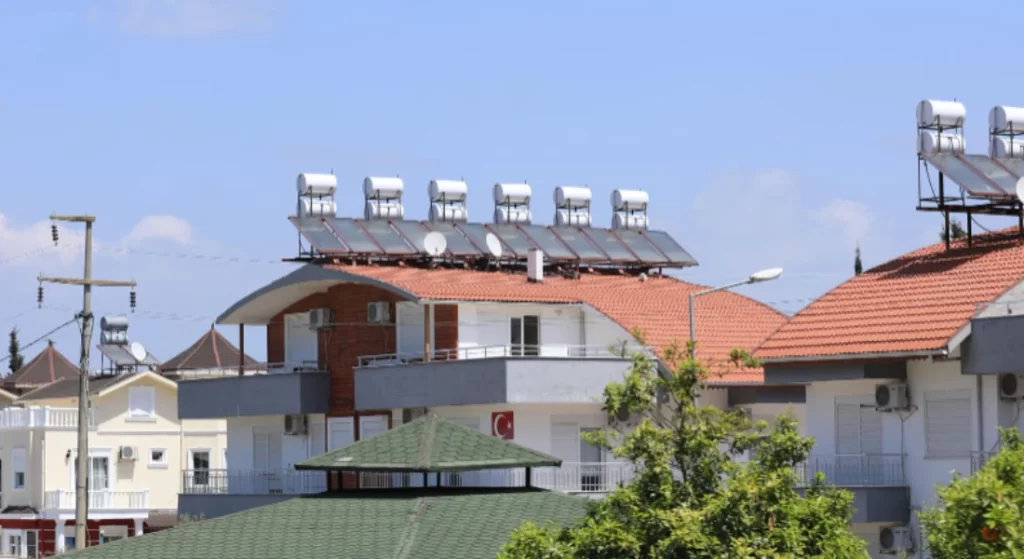
Credit: www.solarsmiths.com
Installation Techniques
Solar panels need strong installation to survive hurricanes. Proper methods keep them safe from high winds and rain.
This section covers mounting systems, anchoring methods, and roof compatibility to protect solar panels during storms.
Mounting Systems
Mounting systems hold solar panels in place on roofs or the ground. They must be sturdy and able to resist strong winds.
Common mounting types include fixed racks and adjustable mounts. Fixed racks are best for hurricane zones because they have fewer moving parts.
Anchoring Methods
Anchoring keeps solar panels attached to the building or ground firmly. Strong anchors reduce the risk of panels lifting off.
- Use stainless steel bolts and screws for corrosion resistance
- Install lag bolts deep into rafters or beams
- Apply hurricane straps to increase holding power
- Seal all anchor points to prevent water leaks
Roof Compatibility
Solar panels must fit the roof type to avoid damage during storms. Different roofs need different installation care.
| Roof Type | Installation Considerations |
| Asphalt Shingles | Use flashing and sealants to prevent leaks |
| Metal Roofs | Attach mounts to seams without drilling |
| Tile Roofs | Remove tiles carefully and replace after mounting |
| Flat Roofs | Use ballasted systems or secure mounts |
Real-life Hurricane Cases
Solar panels face harsh conditions during hurricanes. Strong winds and flying debris test their strength. Some panels stay intact while others get damaged.
Studying real cases helps us understand how well solar panels hold up. It shows what works and what needs improvement.
Survival Stories
Many solar panel systems survive hurricanes with little damage. Panels mounted on strong racks often stay secure. Homes with panels on sloped roofs see better results.
Some reports show panels still working after Category 4 storms. These cases prove solar panels can handle extreme weather if installed well.
- Panels on metal racks resist high winds well
- Tempered glass panels endure flying debris better
- Proper roof attachment reduces panel loss
- Systems with wind-rated mounts last longer
Common Failures
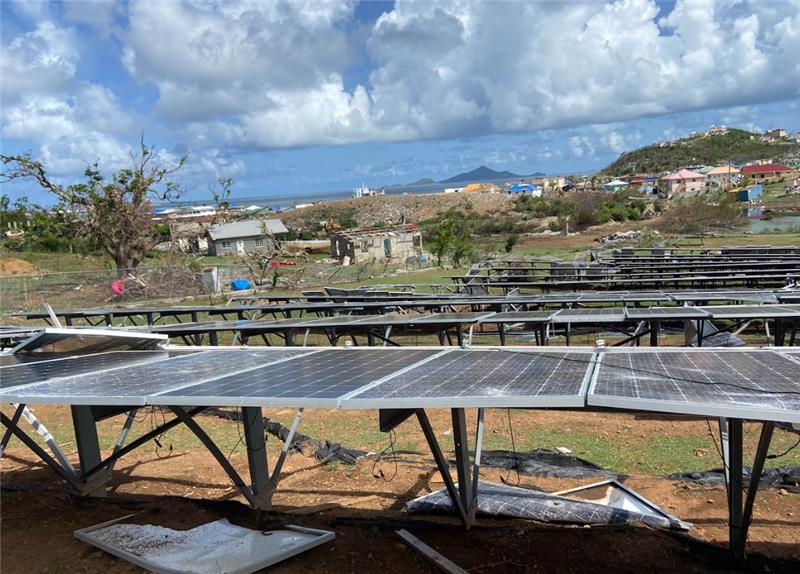
Solar panels can break or detach during hurricanes. Panels with poor mounting often get ripped off roofs. Strong winds also crack panel glass or damage frames.
In some cases, electrical components get wet or short circuit. Loose wiring and connectors cause failures after storms. Panels on flat roofs sometimes collect water and debris.
- Panels ripped off due to weak mounts
- Cracked glass from flying debris
- Damaged wiring and connectors
- Water damage to electrical parts
- Panels collecting debris on flat roofs
Lessons Learned
Strong mounting systems are key to panel survival. Using wind-rated racks helps keep panels secure. Proper roof installation reduces damage risk.
Regular maintenance before hurricane season is important. Checking mounts, wiring, and seals can prevent failures. Panels designed for harsh weather perform better.
- Use mounts rated for high wind speeds
- Inspect and tighten all connections
- Choose panels with strong, tempered glass
- Clear debris and water from panel surfaces
- Plan installations on angled roofs if possible
Maintenance For Durability
Solar panels can face tough weather like hurricanes. Proper care helps them last longer.
Regular upkeep keeps solar panels strong and working well after storms.
Regular Inspections
Check solar panels often for cracks, loose parts, or dirt. Early fixes stop bigger damage.
Inspect mounts and wiring too. Make sure everything stays tight and clean.
- Look for broken glass or scratches
- Check bolts and screws for tightness
- Remove leaves, dust, and bird droppings
- Examine wiring for wear or exposure
Damage Prevention Tips
Strong winds and flying debris can harm solar panels. Use barriers or shields to protect them.
Trim trees near panels to avoid falling branches. Secure loose items on the roof before storms.
- Install protective screens if possible
- Keep roof area clear of loose objects
- Trim nearby trees regularly
- Ensure mounts are strong and stable
Post-storm Repairs
After a hurricane, check panels for cracks or loosened parts. Fix damage quickly to avoid power loss.
Clean panels gently to remove dirt and debris. Call a professional for major repairs or electrical issues.
- Inspect glass for cracks or chips
- Tighten any loose mounts or bolts
- Clear dirt and debris carefully
- Contact experts for wiring or inverter problems
Advancements In Solar Panel Technology
Solar panels face tough weather, especially hurricanes. Advances in technology help them survive strong storms.
New materials and designs make solar panels more durable and flexible. Smart systems also improve their safety and performance.
Stronger Materials
Manufacturers now use stronger glass and frames for solar panels. This helps resist high winds and flying debris.
- Tempered glass reduces breakage risk.
- Aluminum frames provide extra strength.
- Advanced coatings protect against water and dust.
Flexible Designs
Flexible solar panels bend without breaking. They can be installed on curved roofs and survive harsh conditions better.
| Design Type | Feature | Benefit |
| Rigid Panels | Strong frame and glass | High resistance to impact |
| Flexible Panels | Bendable materials | Better on uneven surfaces |
| Hybrid Panels | Mix of rigid and flexible parts | Balance of strength and flexibility |
Smart Monitoring Systems
Smart monitors track panel health during storms. They send alerts and can shut down panels to avoid damage.
- Detect cracks or loose connections early.
- Control panel output remotely.
- Help technicians fix problems faster.
Credit: www.pv-tech.org
Frequently Asked Questions
Can Solar Panels Withstand Hurricane-force Winds?
Solar panels designed with strong frames and tempered glass can resist winds up to 140 mph. Proper installation is crucial for hurricane resilience. However, extreme hurricanes might still cause damage depending on intensity and debris impact.
How Do Hurricanes Damage Solar Panel Systems?
Hurricanes mainly damage solar panels through flying debris, heavy rain, and strong winds. Panels can crack, frames bend, or mounting systems fail. Flooding may also affect electrical components and reduce system functionality.
What Maintenance Helps Protect Solar Panels From Hurricanes?
Regular inspection ensures mounts and frames stay secure. Cleaning debris and checking for cracks improves durability. Upgrading to hurricane-rated panels and using professional installation also enhances storm resistance and reduces damage risks.
Are Solar Panels Covered By Insurance During Hurricanes?
Many homeowner insurance policies cover solar panel damage from hurricanes. Coverage varies, so review your policy details carefully. Adding specific solar panel insurance riders can provide extra financial protection against storm damage.
Conclusion
Solar panels can handle strong winds with proper installation. They are built to resist many weather challenges. Damage may still happen in very severe hurricanes. Choosing high-quality panels adds extra protection and peace of mind. Regular checks help spot and fix small issues early.
Solar energy remains a smart choice, even in hurricane zones. It offers clean power while standing tough against storms. Keep your system secure, and it will serve you well.