Can American Mustangs Survive Cold Weather? Essential Facts Revealed
Imagine standing on a vast, snow-covered plain, the chill biting at your cheeks. You spot a group of wild horses, their manes blowing in the icy wind.
These are American Mustangs, symbols of freedom and resilience. But have you ever wondered how these magnificent creatures endure such harsh winters? Are you curious about what it takes for them to survive the biting cold? Your interest is not just a passing thought; it’s a fascinating question that digs deep into the heart of nature’s adaptability.
Join us as we uncover the secrets of how these incredible animals brave the elements, and why understanding their survival tactics could be more relevant to you than you might think.
American Mustangs And Cold Climates
American Mustangs are wild horses that live in many parts of the United States. Some of their homes have cold winters with snow and ice. People often wonder if these horses can survive in cold weather.
This article looks at how Mustangs handle cold climates. We will explore their natural traits and survival skills in cold weather.
Thick Winter Coats
Mustangs grow thick coats in the winter. This fur keeps them warm by trapping heat close to their bodies. The coat also helps block cold wind and wet snow.
Their coats shed in the spring, preparing them for warmer weather. This natural cycle helps Mustangs stay comfortable all year.
Body Fat And Energy Storage
Mustangs build fat layers during the fall. This fat acts as insulation and energy storage. It helps them stay warm and survive when food is scarce.
Fat reserves give Mustangs energy to keep moving and finding food in cold months. They rely on this energy to stay strong.
Adapted Hooves For Snow
Mustang hooves are strong and tough. They help horses walk on ice and snow without slipping. The hooves also protect their feet from cold ground.
These hooves grow continuously, which helps Mustangs stay healthy in rough terrain during winter.
Behavioral Adaptations
Mustangs change their behavior to survive cold weather. They find sheltered spots to protect themselves from wind and snow. They also huddle together to share body heat.
They eat more in the fall to build fat and prepare for winter. Their movements help them stay warm and avoid dangers.
Cold winters can be tough for Mustangs. Deep snow makes it hard to find food. Very low temperatures can cause stress and illness.
Strong storms may force them to move to safer areas. Survival depends on their health and available resources.
- Snow covers grass and plants
- Cold can lower body temperature
- Food scarcity increases in winter
- Storms cause shelter-seeking behavior
Natural Adaptations For Cold
American Mustangs face cold weather with special natural traits. These help them stay warm and survive harsh winters. Their bodies and behaviors change to handle the cold better.
These adaptations are important for Mustangs roaming in cold regions. They include changes in their coats, metabolism, and habits. Each helps them live through freezing temperatures.
Thick Winter Coats
Mustangs grow thick winter coats when the temperature drops. This coat has two layers: a soft undercoat and a longer outer hair. The undercoat traps warm air close to the body.
- Soft undercoat keeps warmth near skin
- Long outer hair blocks wind and snow
- Coat color may change to blend with winter landscape
- Shedding occurs when spring returns
Metabolic Adjustments
Mustangs change their metabolism in cold weather to make more body heat. Their bodies use energy differently to keep warm without wasting fuel.
| Metabolic Change | Effect |
| Increased fat breakdown | More energy and heat |
| Lower heart rate | Conserve energy |
| Higher oxygen use | Better heat production |
Behavioral Changes
Mustangs change how they act to handle cold weather. Their behaviors help them stay warm and save energy.
- Seeking shelter behind hills or trees
- Huddling together to share body heat
- Reducing movement to save energy
- Feeding more during daylight to build fat
Challenges In Harsh Winters
American Mustangs face many challenges during cold winters. The harsh weather affects their survival in several ways.
Cold temperatures, snow, and ice make it hard for Mustangs to find food and water. They also need to save energy to stay warm.
Limited Food Sources
Snow covers most plants that Mustangs eat. This makes finding food very difficult in winter.
They must dig through snow to reach grass and shrubs. Sometimes, the food is scarce and low in nutrients.
- Deep snow blocks access to grasses
- Frozen plants lose their nutrition
- Mustangs spend more time searching for food
Frozen Water Access
Water sources can freeze during cold weather. Mustangs need water to stay healthy but find it hard to drink.
They look for spots where ice is thin or melted. Drinking snow is possible but uses more energy to melt it inside their bodies.
- Ponds and streams freeze over
- Mustangs break ice to drink
- Snow eating helps but is less efficient
Energy Conservation
Cold weather makes Mustangs use more energy to keep warm. They slow down to save energy during winter.
They grow thick winter coats for insulation. Staying in sheltered areas also helps reduce heat loss.
- Thick fur traps body heat
- Less movement saves energy
- Finding windbreaks reduces cold exposure
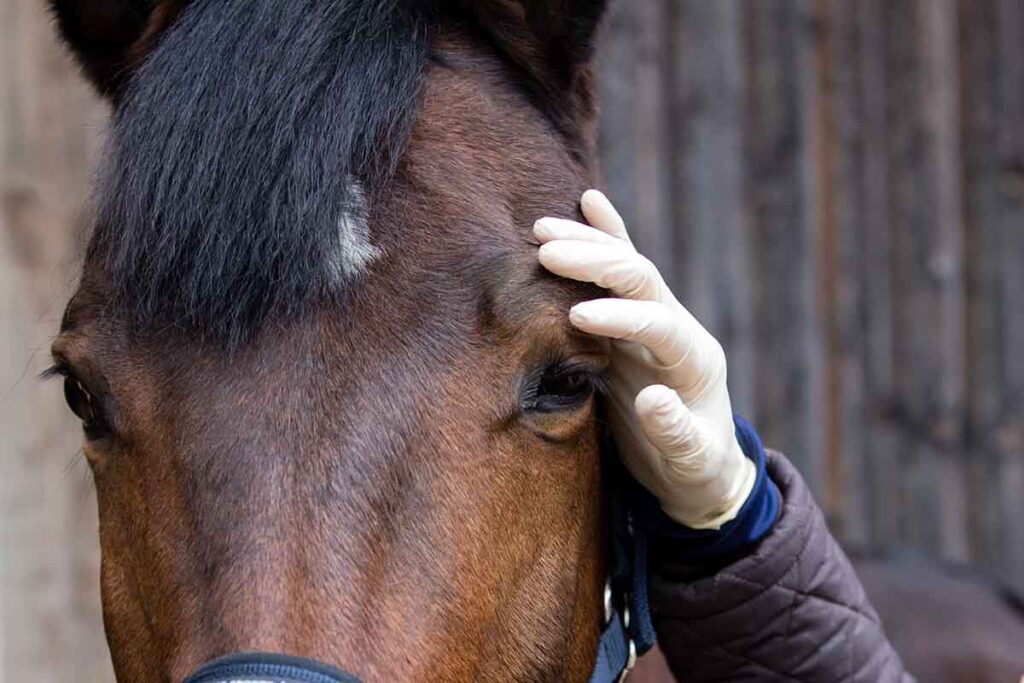
Credit: mynewhorse.equusmagazine.com
Survival Strategies In The Wild
American Mustangs face cold weather with smart survival skills. Their ability to live in harsh climates helps them stay strong.
These wild horses use natural strategies to protect themselves from cold and snow. They adapt to their environment every winter.
Seeking Shelter
Mustangs look for places that block the cold wind and snow. Trees, hills, and rocky areas give them good shelter.
They often stand close to these natural barriers to keep warm. Shelter helps reduce the energy they lose in cold weather.
Herd Dynamics
Mustangs stay in groups called herds. The herd helps protect each other from cold and predators.
They huddle together to share body heat. Older horses watch for danger while others rest or eat.
- Huddling saves heat
- Leaders guide safe shelter spots
- Herds share alert duties
Movement Patterns
Mustangs move to find food and better weather. They travel short distances to avoid deep snow.
They follow trails made by other animals or their own tracks. Moving helps them stay active and warm.
- Travel to find fresh grass
- Use animal trails to save energy
- Move to sunny spots during cold days
Human Impact On Mustang Survival
American mustangs face many challenges during cold weather. Human actions affect their ability to survive harsh winters. Understanding these impacts helps protect these wild horses.
This article covers how land use changes, supplemental feeding, and conservation efforts influence mustang survival in cold conditions.
Land Use Changes
Humans often change land to build farms, roads, and towns. These changes reduce the natural habitats of mustangs. Less land means less food and shelter during winter.
Fencing and private property block mustangs from moving to better areas. This makes it harder for them to find safe places in cold weather.
Supplemental Feeding
People sometimes provide extra food to help mustangs survive winter. This feeding can save horses when natural food is scarce.
- Supplemental feeding supports weak or young mustangs.
- It reduces starvation during long cold spells.
- Feeding can change natural behaviors and cause dependency.
- It may increase conflicts between mustangs and livestock.
Conservation Efforts
Many groups work to protect mustangs and their habitats. These efforts help horses survive cold weather by improving land and managing herds.
| Conservation Action | Effect on Mustang Survival |
| Habitat restoration | Increases food and shelter availability |
| Population control | Prevents overgrazing and resource depletion |
| Legal protections | Reduces land loss and human threats |
| Public education | Raises awareness about mustang needs |
Comparing Mustangs With Other Breeds
American Mustangs are wild horses known for their toughness. They live in many climates across the U.S.
This section compares Mustangs with other horse breeds on cold weather survival.
Cold Tolerance Levels
Mustangs have good cold tolerance due to their wild nature and natural habitat. They grow thick winter coats.
- Mustangs can handle cold better than many domestic breeds.
- Draft horses tolerate cold well but need shelter and food.
- Thoroughbreds have less cold tolerance and need extra care.
- Arabians handle cold moderately but prefer warmer climates.
Physical Differences
Mustangs differ physically from other breeds in ways that affect cold survival.
| Breed | Coat Thickness | Body Fat | Size |
| Mustang | Thick and dense | Moderate | Medium |
| Draft | Thick but less dense | High | Large |
| Thoroughbred | Thin | Low | Large |
| Arabian | Moderate | Low | Medium |
Behavioral Traits
Behavior helps Mustangs survive cold weather. They find shelter and huddle for warmth.
- Seeking natural windbreaks like trees or rocks
- Huddling in groups to share body heat
- Reducing activity to conserve energy
- Eating more to maintain body heat
Tips For Caring Mustangs In Cold Weather
American mustangs are strong horses that can live in cold places. But they need special care to stay healthy. Cold weather can bring challenges for these wild horses.
This guide gives tips on how to care for mustangs during cold weather. Focus on shelter, food, and health checks to help them stay safe and warm.
Proper Shelter Design
Mustangs need shelter to protect them from wind, snow, and rain. A good shelter blocks cold winds and keeps the horse dry. Open three-sided shelters work well in many cases.
- Build shelters facing away from prevailing winds.
- Use natural barriers like trees or hills for extra wind protection.
- Ensure the shelter has dry bedding like straw or wood shavings.
- Provide enough space for each horse to lie down comfortably.
Nutrition Adjustments
Cold weather makes mustangs use more energy to stay warm. They need more food to keep their body heat. Adjusting their diet helps them survive harsh winters.
| Type of Food | Reason | Amount |
| High-quality hay | Provides energy and fiber | Increase by 20% |
| Grain feed | Extra calories for warmth | Feed small amounts carefully |
| Fresh water | Prevents dehydration | Keep water unfrozen and clean |
Monitoring Health
Watching mustangs closely in cold weather is very important. Look for signs of illness or frostbite. Regular checks help catch problems early.
- Check for shivering or lethargy.
- Look at hooves for cracks or ice buildup.
- Notice changes in appetite or behavior.
- Keep a record of each horse’s condition.

Credit: www.pbs.org

Credit: mynewhorse.equusmagazine.com
Frequently Asked Questions
Can American Mustangs Endure Harsh Winter Conditions?
Yes, American Mustangs can endure harsh winter conditions. Their thick winter coats and natural fat reserves help them stay warm in cold weather. They adapt by growing denser fur and finding shelter in natural environments, making them resilient to freezing temperatures.
How Do Mustangs Survive Freezing Temperatures Naturally?
Mustangs survive freezing temperatures by growing a dense winter coat. They reduce activity to conserve energy and seek shelter behind trees or rocks. Their strong immune system and natural behaviors help them withstand cold weather without human intervention.
Do Mustangs Need Extra Care In Cold Climates?
Generally, Mustangs don’t need extra care in cold climates. They are wild horses adapted to survive extreme weather. However, if domesticated, they may require additional shelter, food, and water to maintain health during prolonged cold spells.
What Adaptations Help Mustangs Thrive In Cold Weather?
Mustangs thrive in cold weather due to their thick winter fur and fat layers. Their hooves are strong for navigating snowy terrain. Behavioral adaptations, like seeking shelter and reducing activity, help them conserve heat and energy during winter.
Conclusion
American Mustangs show strong survival skills in cold weather. Their thick coats keep them warm during winter months. They find shelter naturally and eat enough to stay healthy. These horses adapt well to harsh environments. Still, humans must watch their health in extreme cold.
Proper care helps Mustangs stay safe and strong. They prove nature’s power to endure tough times. Cold weather is a challenge they can meet. A true symbol of wild strength and endurance.