Can Cactus Survive in Cold Weather: Essential Tips for Frost Protection
Have you ever wondered if your beloved cactus can brave the chill of cold weather? Cacti are known for thriving in hot, arid climates, but when winter rolls around, their survival can seem uncertain.
You might be surprised to learn that some cacti can indeed withstand lower temperatures. But how do you know if your cactus is one of them? And what steps can you take to protect it from the frost? This article will unravel the mystery and offer practical tips to ensure your cactus stays healthy and resilient, even when the mercury drops.
Keep reading to discover how you can create a thriving environment for your prickly friend, no matter the season.

Credit: succulentsbox.com
Cactus And Cold Weather
Cacti are plants often seen in hot deserts. Many people wonder if cacti can live in cold places. Cold weather can be hard for these plants.
This article explains how cold affects cacti. It looks at which types handle cold best. It also describes what frost does to them.
Cold Tolerance Of Different Species
Not all cacti react the same to cold. Some survive freezing temperatures. Others die if it gets too cold. It depends on the species and where it grows.
- Saguaro cactus can handle light frost but not deep freezes.
- Prickly pear cactus survives below freezing for short times.
- Barrel cactus tolerates cold better than many desert cacti.
- Christmas cactus grows in cooler places and resists frost well.
Effects Of Frost On Cacti
Frost can harm cacti in many ways. It can freeze the water inside the plant. This causes damage to cells and tissues. Some cacti recover, but others may die.
| Effect | Description | Possible Result |
| Surface Freezing | Ice forms on skin of cactus | Skin damage, scars |
| Internal Freezing | Water inside cells freezes | Cell death, rot |
| Frost Cracks | Rapid temperature change causes cracks | Open wounds, infection risk |
| Delayed Growth | Cold slows metabolism | Slow recovery and growth |
Signs Of Cold Damage
Cacti are tough plants but cold weather can harm them. Knowing the signs of cold damage helps you protect your cactus early.
Look for changes in color and texture. These signs show the plant is stressed or injured by cold temperatures.
Discoloration And Soft Spots
Cold can cause cacti to change color. The green skin may turn brown, black, or yellow. These spots often feel soft or mushy.
- Brown or black patches on the cactus surface
- Yellowing areas that look faded
- Soft spots that may leak liquid
- Wrinkled or shriveled skin
Soft spots mean the cells inside are damaged. These areas can rot if the cactus stays cold too long.
Frostbite Symptoms
Frostbite happens when ice forms inside cactus tissues. It causes serious damage and can kill parts of the plant.
| Symptom | Description |
| Blackened Tissue | Frostbitten areas turn black and dry |
| Cracked Skin | Ice causes splits or cracks on the cactus surface |
| Loss of Firmness | The cactus feels soft and fragile in cold spots |
| Dead Sections | Parts of the cactus may fall off or die back |
Preparing Cacti For Winter
Cacti need special care to survive cold weather. Preparing them properly helps avoid damage from frost and freezing temperatures.
Winter preparation involves choosing the right spot and ensuring proper soil and drainage. These steps keep your cactus healthy during cold months.
Choosing The Right Location
Pick a spot that protects cacti from harsh winds and frost. A south-facing wall or sheltered area works best. Avoid low spots where cold air settles.
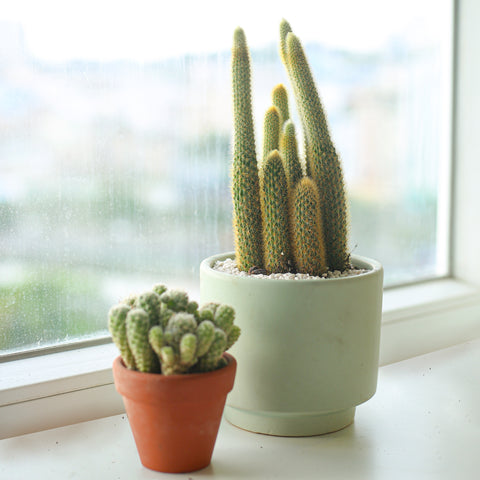
- Place cacti near a sunny window indoors
- Use windbreaks like fences or shrubs outside
- Keep plants away from drafty doors or windows
- Bring potted cacti indoors before temperatures drop
Soil And Drainage Considerations
Good soil and drainage prevent root rot in cold weather. Use a mix that drains quickly and does not hold water.
| Soil Component | Purpose | Example |
| Sand | Improves drainage | Coarse builder’s sand |
| Perlite | Increases air flow | White volcanic glass |
| Potting soil | Provides nutrients | General cactus mix |

Credit: www.cactocereus.co.uk
Frost Protection Methods
Cacti can survive cold weather if you protect them from frost. Frost can damage cactus cells and cause rot.
Using simple frost protection methods helps keep cacti healthy during cold nights. These methods keep the temperature around the cactus higher.
Using Covers And Blankets
Covers and blankets shield cacti from frost by trapping heat. You can use cloth, burlap, or frost cloth to cover plants.
Make sure covers do not touch the cactus directly. Use stakes or frames to hold the cover above the plant.
- Use light-colored cloth to reflect some heat
- Remove covers during the day to avoid overheating
- Secure covers to prevent wind from blowing them off
Heat Sources And Insulation
Adding heat helps protect cacti during very cold nights. Small heaters or heat lamps can raise the temperature slightly.
Insulating the base of the cactus with mulch or straw keeps the roots warm. This stops the soil from freezing.
- Use safe, low-wattage heat lamps
- Place heaters away from the plant to avoid burns
- Apply mulch around the cactus base for insulation
Greenhouses And Cold Frames
Greenhouses and cold frames create warm environments for cacti. They trap sunlight and protect plants from cold wind.
Cold frames are small, enclosed boxes with transparent tops. They are easy to build and move. Greenhouses offer larger, controlled spaces.
- Place cacti inside greenhouses during frost season
- Open vents on warm days to prevent overheating
- Use cold frames for small cactus collections
Indoor Care During Cold Months
Cacti can survive cold months indoors with proper care. They need special attention to lighting, temperature, and watering.
Understanding how to adjust their environment helps keep cacti healthy through winter.
Lighting And Temperature Control
Cacti need bright light even in winter. Place them near south or west windows for the best sun. Avoid cold drafts near windows or doors.
- Keep room temperature between 50°F and 70°F (10°C – 21°C).
- Use grow lights if natural light is weak or short.
- Do not place cacti near heaters or vents.
- Maintain good air circulation but avoid cold winds.
Watering Adjustments
Cacti need less water during cold months because they grow slowly. Overwatering can cause root rot.
| Watering Frequency | Notes |
|---|---|
| Once every 3 to 4 weeks | Check soil dryness before watering |
| Use room temperature water | Prevent shocking roots |
| Avoid water pooling in the pot | Ensure good drainage |

Credit: www.youtube.com
Recovering From Frost Damage
Cacti can suffer when cold weather causes frost damage. Their skin may turn brown or black. It is important to act quickly to help the cactus recover.
Proper care after frost damage can save the cactus and help it grow strong again. This guide shows how to prune and treat the cactus and promote healthy growth.
Pruning And Treatment
Remove all damaged parts of the cactus with clean, sharp tools. Cut away black or soft areas to stop rot. Use gloves to protect your hands from spines.
After pruning, let the cactus dry in a warm, dry place. Do not water it right away. This helps the cuts heal and prevents infections.
- Use sterilized scissors or knives
- Cut only damaged tissue
- Keep the cactus in a dry place for several days
- Avoid watering until wounds heal
Promoting Healthy Growth
Once the cactus shows new growth, start watering carefully. Use well-draining soil and place it where it gets sunlight but no frost. Avoid overwatering to prevent root rot.
Fertilize the cactus lightly during the growing season. Keep the temperature stable and protect it from strong winds. Healthy care helps the cactus recover faster.
- Water only when soil is dry
- Use cactus-friendly fertilizer
- Provide indirect sunlight
- Keep away from cold drafts
Frequently Asked Questions
Can Cacti Survive Freezing Temperatures?
Most cacti cannot survive prolonged freezing. Some cold-hardy species tolerate brief frosts. Proper care and shelter improve survival chances.
How To Protect Cacti In Cold Weather?
Use frost cloths or blankets at night. Move potted cacti indoors or to sheltered spots. Avoid watering before cold spells.
Which Cactus Species Tolerate Cold Climates?
Opuntia and Echinocereus species survive cold better. They can endure temperatures down to 10°F (-12°C). Research species before planting outdoors.
Does Cold Weather Affect Cactus Growth?
Yes, cold slows cactus growth significantly. Prolonged cold can cause tissue damage or rot. Warm, sunny conditions promote healthy growth.
Conclusion
Cacti can survive cold weather with the right care. Some types handle frost better than others. Protecting them from freezing helps keep them healthy. Use covers or move potted cacti indoors during cold spells. Water less in winter to avoid root damage.
Cold-hardy cacti add beauty to cool climates. Understanding your cactus type matters most. Small steps make a big difference in cold survival. Growing cacti in cold places is possible and rewarding. Keep these tips in mind for strong, healthy plants.