Can Elephants Survive in Cold Weather: Surprising Facts Revealed
Have you ever wondered how elephants, the giants of the animal kingdom, cope with cold weather? You might picture them under the blazing sun of Africa, but what happens when temperatures drop?
This question is more intriguing than it first appears. Understanding how these magnificent creatures adapt to different climates can reveal surprising insights about their survival skills and resilience. As you read on, you’ll discover the fascinating strategies elephants use to stay warm and how these adaptations could impact their future in a changing world.
Curious to learn more? Let’s dive into the world of elephants and explore how they handle the chill.
Elephants And Their Natural Habitats
Elephants are large mammals found in many parts of the world. They mainly live in warm climates. Their natural homes are usually tropical or subtropical areas.
This article explores where elephants come from and how they adapt to different climates. It focuses on their origins and how they handle cold weather.
Tropical And Subtropical Origins
Elephants have lived in tropical and subtropical regions for thousands of years. These areas have warm temperatures and plenty of rain. Elephants thrive in forests, grasslands, and savannas. Their skin and body help them stay cool in hot weather.
- African elephants live mostly in savannas and forests in Africa.
- Asian elephants are found in forests across South and Southeast Asia.
- Both types need water sources for drinking and bathing.
- They prefer warm climates and do not naturally live in cold places.
Climate Adaptations
Elephants have some features to help with heat, but they are not well suited for cold weather. Their large ears help cool their bodies by releasing heat. Their skin is thick but can dry out and crack in cold climates.
| Feature | Adaptation | Effect in Cold Weather |
| Large Ears | Release heat | Less useful, can lose body heat |
| Thick Skin | Protects from sun | May crack and dry out |
| Body Fat | Limited insulation | Not enough to keep warm |
| Behavior | Seek shade and water | May struggle to find warmth |

Credit: www.reddit.com
Challenges Of Cold Weather For Elephants
Elephants are large animals that live mostly in warm places. Cold weather can be hard for them. It affects their body and daily needs.
Understanding these challenges helps us learn if elephants can live in cold areas or not.
Body Temperature Regulation
Elephants keep their body warm with thick skin and fat. Cold weather makes it hard to stay warm. They do not have fur like other animals.
- Elephants lose heat quickly because of their large ears.
- They need to find ways to keep warm in cold weather.
- Cold can slow down their movement and energy use.
Impact On Skin And Ears
Cold weather can dry out elephant skin. Their ears can get very cold and hurt. Elephants use their ears to cool off, but in cold, this is a problem.
| Skin and Ear Issues | Effects |
|---|---|
| Dry Skin | Cracks and discomfort |
| Cold Ears | Reduced blood flow and pain |
| Less Ear Movement | Harder to regulate temperature |
Food And Water Scarcity
Cold weather can freeze water sources. Plants may not grow well or be covered in snow. Elephants need a lot of food and water every day.
- Less available food means less energy for warmth.
- Frozen water makes drinking hard.
- Elephants may have to travel far to find food and water.
Elephant Physiology And Cold Tolerance
Elephants live mostly in warm climates. Their bodies are built to handle heat, not cold. Understanding their physiology helps us see if they can survive cold weather.
This article looks at two key areas: fat layers and insulation, and circulatory adjustments. These affect how well elephants manage cold temperatures.
Fat Layers And Insulation
Elephants have a thin layer of fat under their skin. This fat is not thick enough to keep them warm in cold weather. Their skin is also tough but does not trap heat well.
- Elephants’ fat layers are thinner compared to cold-weather animals.
- They lack dense fur that can hold body heat.
- Their large ears help release heat, which can cause heat loss in cold places.
- Their skin has wrinkles that do not provide much insulation against cold.
Circulatory Adjustments
Elephants have special blood flow systems that help regulate their body temperature. These systems work well in hot climates but are less effective in cold.
| Circulatory Feature | Function |
| Blood vessels in ears | Release heat to cool the body |
| Vasodilation | Widening of blood vessels to cool down |
| Vasoconstriction | Narrowing of blood vessels to reduce heat loss |
| Limited fat insulation | Reduces ability to keep blood warm |

Credit: www.reddit.com
Elephants In Cold Climates: Case Studies
Elephants usually live in warm places like Africa and Asia. Their bodies are made for hot weather. Cold climates can be hard for them to survive.
This article looks at elephants living in cold places. We study stories from zoos and wild elephants in cooler regions.
Captive Elephants In Temperate Zoos
Many zoos in temperate zones keep elephants. These elephants face colder winters than their natural homes. Zoos use special care to help them stay warm.
Elephants get heated indoor spaces, warm water pools, and extra food. Keepers watch their health closely during cold months. These steps help elephants live comfortably.
- Indoor heated shelters
- Warm water baths
- Additional food for energy
- Regular health checks
Historical Accounts Of Wild Elephants In Cooler Regions
In history, wild elephants lived in some cooler regions. These areas had mild winters but were colder than tropical zones. Elephants adapted by growing thicker skin and changing their habits.
Some reports show elephants moving to warmer places in winter. They also stayed near forests and hot springs to keep warm. These behaviors helped them survive cold weather.
- Found in mild cold climates historically
- Thicker skin for protection
- Seasonal migration to warmer spots
- Use of natural heat sources
Behavioral Adaptations To Cold
Elephants face challenges in cold weather. Their large bodies lose heat slowly. Still, they use smart behaviors to stay warm.
These behaviors help elephants survive in colder climates. They change how they move and gather to keep safe and warm.
Seeking Shelter
Elephants look for places to block cold winds. Trees and hillsides give them good shelter. They avoid open spaces during cold days.
- Find dense forest areas for wind protection
- Use natural land shapes like valleys
- Rest near warm ground or sunny spots
- Reduce movement to save energy
Huddling And Social Warmth
Elephants stay close to each other to share body heat. They touch and lean on one another to keep warm. This social behavior is strong in cold weather.
| Behavior | Purpose |
| Huddling in groups | Reduce heat loss |
| Touching trunks and bodies | Share warmth |
| Sleeping close together | Maintain body temperature |
| Moving as a herd | Protect from cold winds |
Human Intervention And Protection
Elephants live mostly in warm climates. Cold weather can be hard for them. People help elephants stay safe in cold places.
Humans use different ways to protect elephants from cold. This helps elephants stay healthy and strong.
Providing Warmth In Captivity
In zoos or sanctuaries, elephants need extra care in cold weather. Keep them warm to avoid sickness.
- Heated shelters to block cold wind
- Warm bedding made from straw or hay
- Hot water bottles or heated pads
- Extra food for energy and warmth
- Regular health checks to spot cold stress
Conservation Efforts In Varied Climates
Elephant habitats vary from hot to cooler areas. Conservation groups work to protect elephants in all climates.
| Climate Zone | Protection Methods |
| Tropical | Water sources and shade |
| Temperate | Winter shelters and food supply |
| Mountainous | Safe migration paths and rescue teams |
Future Outlook: Elephants And Climate Change
Elephants face many challenges as the climate changes. Their survival may depend on how they adapt to new environments.
Scientists study how elephants might move to new areas and what traits help them survive colder weather.
Possible Range Shifts
As temperatures change, elephants may move to cooler places. This shift can help them avoid heat stress but may bring new challenges.
- Elephants might move to higher altitudes or more northern regions.
- New areas may lack enough food or water for elephants.
- Human settlements could block their paths and cause conflicts.
- Changing habitats may affect the plants elephants eat.
Adaptive Potential
Elephants have some ability to adapt to colder weather. Their thick skin and fat help keep them warm.
| Adaptation | Benefit in Cold Weather |
| Thick skin | Protects against cold winds |
| Fat layer | Insulates body heat |
| Large ears | May reduce blood flow to keep warm |
| Behavioral changes | Seeking shelter or huddling together |
Scientists watch elephant groups to see if they change habits. This helps predict their future survival.

Credit: senecaparkzoo.org
Frequently Asked Questions
Can Elephants Adapt To Cold Weather Conditions?
Elephants have thick skin but lack insulating fur. They struggle to retain body heat in cold climates. Thus, they are not naturally adapted to survive harsh cold weather.
Why Do Elephants Prefer Warm Climates?
Elephants originate from tropical regions where temperatures are warm. Their bodies are designed to dissipate heat, not conserve it. Warm climates support their metabolism and skin health.
How Do Elephants Stay Warm In Cooler Temperatures?
In cooler weather, elephants huddle together for warmth. They use their large ears to regulate body temperature but have limited cold protection. They rely on behavioral adaptations more than physical ones.
Can Elephants Live In Snowy Environments?
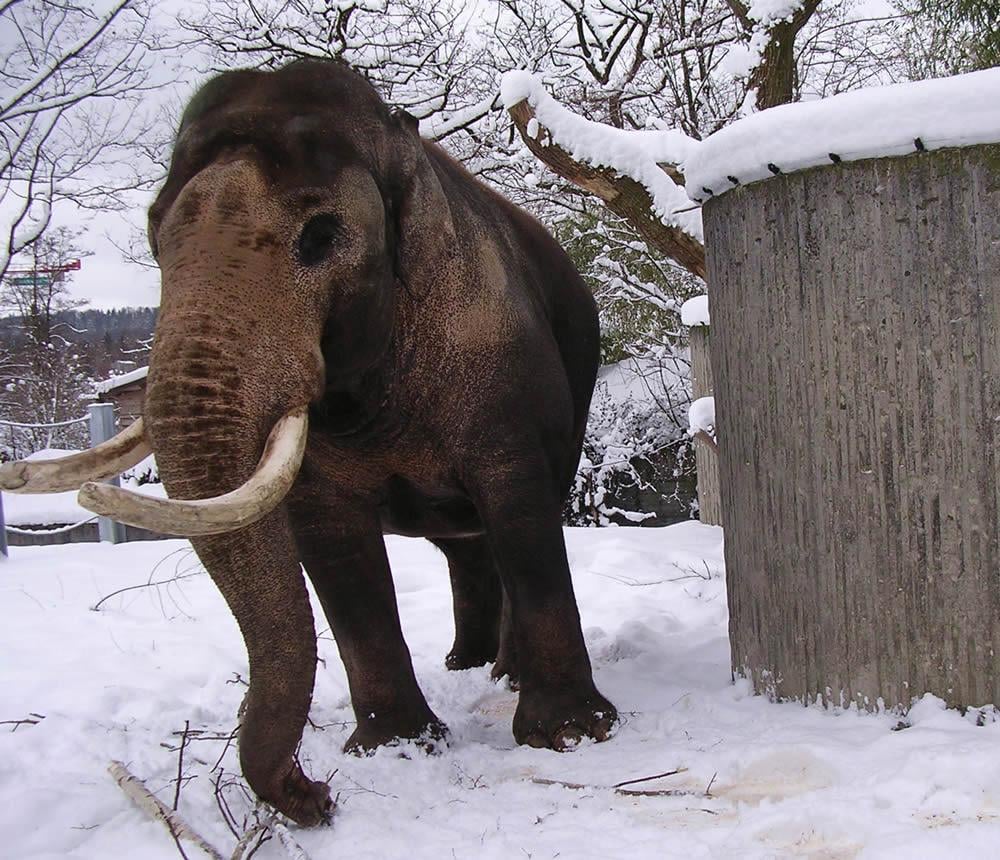
Elephants cannot live in snowy or icy habitats long-term. Snow and ice cause hypothermia risk due to their lack of fur and fat insulation. They thrive best in warm, dry areas.
Conclusion
Elephants live best in warm climates. Cold weather can harm their health. Their bodies are not built for freezing temperatures. They need thick skin and fat to stay warm. Without these, they risk getting sick. Elephants also rely on water and food, which may be scarce in cold areas.
They struggle to find shelter from harsh weather. So, elephants cannot easily survive cold places. Protecting their natural habitat is very important. This helps keep elephants safe and healthy. Understanding their needs helps us respect these gentle giants more.