Can Tarantulas Survive in Cold Weather: Shocking Truth Revealed
Can tarantulas survive in cold weather? This question might have crossed your mind if you’re a curious nature enthusiast or a tarantula owner.
When the temperatures drop, you might wonder how these fascinating creatures cope with the chill. After all, tarantulas are often associated with warm, desert climates. But what happens when the mercury dips? Imagine being armed with the knowledge to ensure your tarantula stays safe and healthy no matter how cold it gets outside.
You’ll feel empowered knowing you’re providing the best care possible. This article will uncover the surprising truths about tarantulas and cold weather, so you won’t have to worry about leaving your eight-legged friend out in the cold. Stick around, and discover how to turn your home into a haven for your tarantula during the winter months.

Credit: www.pei-untamed.com
Tarantula Habitat Basics
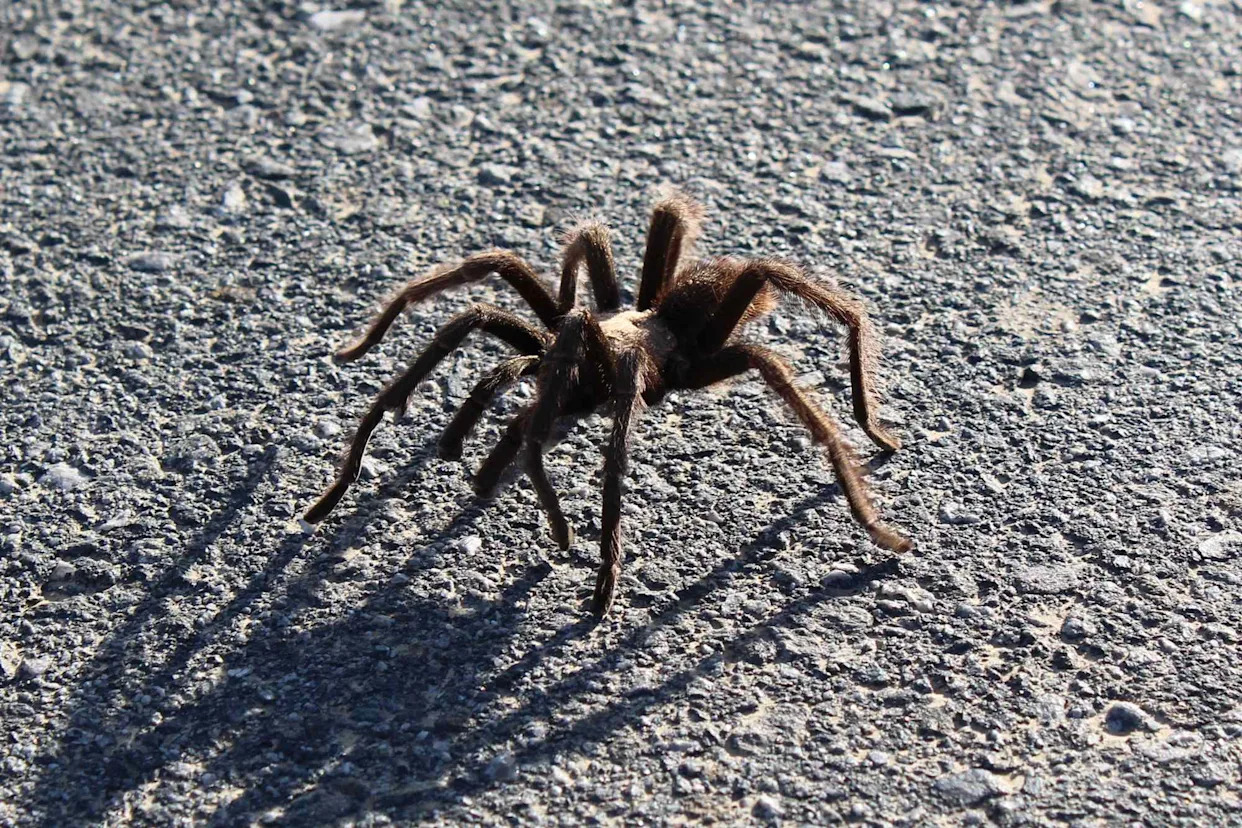
Tarantulas live in many parts of the world. They prefer warm and dry places. Understanding their habitat helps know if they survive cold weather.
These spiders dig burrows or live under rocks and logs. Their homes keep them safe from harsh weather and predators.
Native Climate Zones
Tarantulas mostly come from warm regions. They live in deserts, grasslands, and tropical forests. These areas have mild winters and hot summers.
Some species live in places with cooler weather, but they avoid freezing temperatures. They survive by staying underground during cold times.
- Deserts with hot days and cool nights
- Grasslands with moderate rain and warm seasons
- Tropical forests with high humidity and stable temperatures
- Mountain areas with mild winters and no hard freezes
Preferred Environmental Conditions
Tarantulas like warm temperatures between 70°F and 85°F. They need dry places with some humidity. Too much cold or wet can harm them.
They dig burrows to keep warm and stay safe. These burrows help tarantulas stay active during cold or hot weather.
- Temperature range: 70°F to 85°F (21°C to 29°C)
- Humidity: 50% to 70%, depending on species
- Dry soil for easy burrowing
- Cover like leaves or rocks for protection
Cold Weather Effects
Tarantulas are tropical creatures that prefer warm climates. Cold weather can be very hard for them to survive. Their bodies and activities change when temperatures drop.
Understanding how cold weather affects tarantulas helps keep them safe. Knowing their limits lets owners create the right environment.
Physiological Impact
Cold weather slows down a tarantula’s body functions. Their metabolism drops, making it harder to digest food. This can cause weakness and health problems.
Low temperatures can also affect their muscles and joints. Tarantulas may become stiff and less able to move. Prolonged cold can even lead to death.
- Metabolism slows down
- Digestion becomes difficult
- Muscles and joints stiffen
- Risk of illness and death rises
Behavioral Changes
Tarantulas act differently in cold weather to protect themselves. They move less to save energy. This keeps their body temperature from dropping too fast.
They may also hide in burrows or other warm places. This behavior helps them avoid cold air and stay safe. Some tarantulas stop eating until it gets warmer.
- Reduce movement to save energy
- Seek warm hiding spots
- Stop eating during cold spells
- Stay hidden to avoid cold stress
Survival Mechanisms
Tarantulas are mostly found in warm places. Cold weather can be hard for them. They use special ways to survive low temperatures.
These survival mechanisms help tarantulas stay alive until the weather warms up again.
Hibernation And Dormancy
Tarantulas do not truly hibernate like some animals. Instead, they enter a state called dormancy. This slows their body functions.
During dormancy, tarantulas eat less and move less. This helps save energy in cold times.
- Lower metabolism reduces food needs
- Less movement means less energy use
- They wait for warmer temperatures to become active
Shelter And Burrowing
Tarantulas build shelters or burrow underground to protect themselves from cold. These places keep them warmer than the outside air.
Burrows can be deep and lined with silk. This helps keep moisture and heat inside, creating a safe space for the tarantula.
- Burrows shield from wind and cold
- Silk lining keeps burrow stable and warm
- Shelters hide tarantulas from predators during cold times

Credit: www.yahoo.com
Species Adaptations
Tarantulas live in many places, including cold areas. Some species have special ways to survive cold weather. These adaptations help them stay alive when temperatures drop.
Understanding these changes can show how tarantulas manage cold climates. This helps us learn more about their survival skills and limits.
Cold-tolerant Tarantulas
Some tarantulas can survive cold by slowing their body functions. They hide in burrows to stay warm. Their bodies produce chemicals that stop ice from forming inside.
- Lower body temperature to save energy
- Use burrows to avoid freezing winds
- Produce antifreeze-like chemicals in their blood
- Reduce activity during cold months
Limitations Of Adaptation
Even with these tricks, tarantulas face limits. They cannot survive extreme cold for long. Their antifreeze chemicals only work to a point. If the cold is too strong, they may die.
| Adaptation | Benefit | Limit |
| Burrowing | Protects from cold winds | Only works if soil is not frozen |
| Antifreeze chemicals | Stops ice forming in body | Effective to certain low temperatures |
| Lowered activity | Saves energy | Cannot last through very long winters |
Keeping Tarantulas In Cold Climates
Tarantulas are tropical creatures that prefer warm temperatures. Cold weather can stress them and affect their health. If you live in a cold climate, you need to take special care of your tarantula.
Keeping tarantulas warm and comfortable in cold places needs attention to their habitat. You must create a stable environment to keep them safe through the winter.
Temperature Control Tips
Keep the tarantula’s enclosure warm by using a heating pad or lamp. Place it under or beside the tank, not inside. Always monitor the temperature closely to avoid overheating.
Keep the room where the tarantula lives at a steady temperature. Avoid cold drafts and sudden temperature changes. Use a thermostat or thermometer to check regularly.
- Use low-watt heat pads under the tank
- Place tank away from windows and doors
- Keep room temperature between 70-80°F (21-27°C)
- Check temperature daily with a reliable thermometer
Common Mistakes To Avoid
Do not use high-watt heat sources that can burn your tarantula. Avoid placing heat pads inside the tank as this can cause burns. Do not let the temperature drop below 60°F (15°C).
Never expose tarantulas to cold drafts or sudden cold air from open windows. Avoid overfeeding when temperatures drop, as tarantulas eat less in cold weather. Do not place the enclosure near heating vents that cause temperature swings.
- Avoid heat sources that get too hot
- Do not place heat pads inside the enclosure
- Keep enclosure away from cold drafts
- Do not let temperature drop under 60°F (15°C)
- Do not overfeed during cold months

Credit: www.rgj.com
Myths Vs Reality
Tarantulas are often misunderstood, especially about cold weather survival.
Many myths confuse people about how these spiders handle low temperatures.
Common Misconceptions
Some believe tarantulas can live comfortably in freezing weather. Others think they die instantly in cold.
- Tarantulas can survive outdoors in winter without harm.
- Cold weather kills tarantulas quickly.
- They hibernate like bears during cold months.
- All tarantulas come from warm climates only.
Scientific Findings
Research shows tarantulas have limits in cold but use some strategies to cope.
| Fact | Explanation |
| Cold tolerance | Most tarantulas cannot survive below 40°F (4°C) for long. |
| Behavior | They burrow to avoid cold air and retain warmth. |
| Hibernation | Tarantulas enter a slow state, not true hibernation. |
| Habitat | Some species live in cooler areas but avoid freezing conditions. |
Frequently Asked Questions
Can Tarantulas Survive Freezing Temperatures?
Tarantulas struggle to survive freezing temperatures as they are cold-blooded. Prolonged exposure can cause lethargy, injury, or death. They thrive better in warm, humid environments.
How Do Tarantulas Adapt To Cold Weather?
Tarantulas reduce activity and seek shelter during cold weather. They may burrow or hide to retain warmth. However, they cannot tolerate extreme cold for long periods.
What Is The Ideal Temperature For Tarantulas?
The ideal temperature for tarantulas ranges between 70°F to 85°F (21°C to 29°C). Maintaining this range supports their metabolism, growth, and overall health.
Can Tarantulas Survive Indoors During Winter?
Yes, tarantulas can survive indoors during winter if kept in a warm, controlled environment. Proper heating and humidity are essential to mimic their natural habitat.
Conclusion
Tarantulas struggle to survive in cold weather. They need warmth to stay active and healthy. Cold slows their metabolism and can cause harm. Some species adapt by hiding or slowing down. But most tarantulas do best in warm places. If you keep one, provide a warm, safe home.
This helps them live longer and stay strong. Understanding their needs protects these unique creatures. Cold weather is a big challenge for tarantulas. Keep warmth in mind to care for them well.