Can Stray Cats Survive a Hurricane: Shocking Truth Revealed
When a hurricane is on the horizon, your thoughts might naturally turn to safety and preparation. But have you ever paused to wonder about the stray cats roaming your neighborhood?
These independent creatures often face the wrath of nature alone. You might feel a twinge of concern for their survival. Can these resilient animals weather such ferocious storms? You’ll uncover the reality of stray cats during hurricanes, and discover how you can make a difference.
As you read on, you’ll gain insights that might just change how you see these overlooked survivors. Stay with us to learn how your small actions can have a profound impact on the lives of these cats in the eye of the storm.
Stray Cats And Hurricanes
Stray cats face many dangers during hurricanes. These storms bring strong winds, heavy rain, and flooding. Stray cats do not have homes to protect them. Their survival depends on how they respond to the storm.
Understanding the behavior and instincts of stray cats helps us know if they can survive a hurricane. These animals rely on their senses and habits to stay safe during bad weather.
Behavior Before A Storm
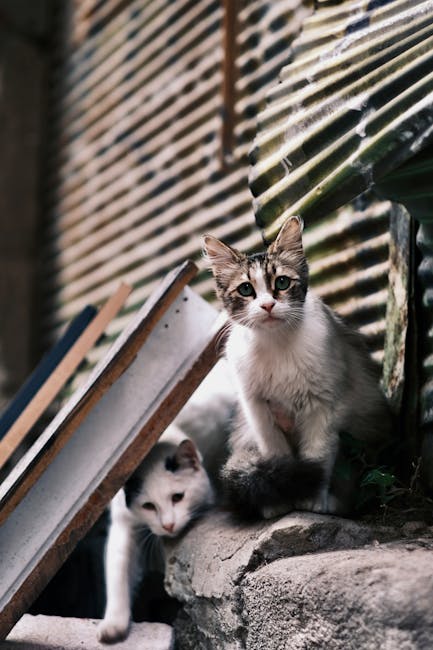
Before a storm, stray cats often change their behavior. They may hide in safe places like bushes, under cars, or in abandoned buildings. Cats look for shelter to avoid the harsh weather.
Some stray cats become restless and move around a lot. They might search for food or water before the storm hits. This behavior helps them prepare for the time when food is harder to find.
- Seek shelter in quiet, hidden spots
- Increase activity to find food and water
- Avoid open areas to stay safe from wind and rain
Natural Instincts For Survival
Stray cats have strong instincts that help them survive storms. They can sense changes in the weather. These instincts guide them to find shelter and stay hidden during hurricanes.
After the storm, cats use their sharp senses to find food and water. They are good at avoiding dangers like flooded areas or falling debris. Their natural skills give them a better chance of survival.
- Sense weather changes early
- Find safe hiding spots quickly
- Use keen hearing and smell after storms
- Avoid flooded or dangerous areas
Challenges Faced During Hurricanes
Stray cats face many dangers during hurricanes. These storms bring strong winds and heavy rain. Finding safety becomes very hard for them.
They struggle to find food, water, and shelter. Their lives are at risk because of the harsh weather and other threats.
Finding Shelter
Stray cats must find safe places to hide during storms. They look for spots that block wind and rain. Trees, bushes, and abandoned buildings are common shelters.
- Underneath cars or porches
- Inside hollow trees or thick shrubs
- In empty warehouses or sheds
- Near human homes for warmth
Access To Food And Water
Hurricanes often destroy food sources for stray cats. Flooding can wash away their usual water spots. Finding fresh food and clean water is very tough.
| Challenge | Effect on Cats |
| Flooded areas | Water sources become unsafe |
| Destroyed plants | Less food from insects and small animals |
| Human food scarcity | Fewer scraps or handouts available |
Physical Dangers
Hurricanes bring many physical threats to stray cats. They risk injury from flying debris and floods. Cold and wet conditions can cause illness.
- Strong winds can blow cats away or hurt them
- Floodwaters can trap or drown cats
- Debris like broken glass can cause cuts
- Exposure to cold rain can lead to hypothermia
Survival Rates And Statistics
Stray cats face many dangers during hurricanes. Their chances of survival vary widely. Understanding survival rates helps communities plan better support.
This section looks at studies on stray animal survival and the factors that influence their ability to live through storms.
Studies On Stray Animal Survival
Research shows stray cats’ survival depends on shelter access and food. Studies report survival rates between 30% and 60% after hurricanes. Many cats hide in debris or abandoned buildings. Rescues after storms find injured and lost animals, but some survive on their own.
- Some cats find shelter in dense vegetation or under vehicles
- Others seek refuge in human homes or animal shelters
- Many face threats from flooding, falling debris, and starvation
- Rescue efforts improve survival for injured or trapped cats
Factors Influencing Survival
Several factors affect how well stray cats survive hurricanes. Age, health, and access to shelter are important. Weather conditions and storm strength also play roles. Communities with animal rescue plans see better outcomes.
| Factor | Effect on Survival |
| Access to Shelter | Increases chances by protecting from wind and rain |
| Health Condition | Healthy cats recover faster and avoid infections |
| Storm Severity | Stronger storms cause more injuries and displacements |
| Food Availability | Improves strength and energy for survival |
| Human Intervention | Rescue and care boost survival rates significantly |

Credit: www.reddit.com
Human Impact On Stray Cats During Storms
Stray cats face many dangers during hurricanes. People’s actions can help or hurt them. It is important to understand how humans affect these animals in storms.
Human efforts can save cats from harm. At the same time, some actions can cause stress or danger. Let’s look at rescue efforts and community support for stray cats.
Rescue Efforts
Many groups and individuals work to rescue stray cats during hurricanes. They provide food, shelter, and medical care. Rescue teams often risk their safety to save animals.
- Locate and trap stray cats safely
- Transport cats to shelters or foster homes
- Provide food and clean water
- Offer medical treatment for injuries or illness
- Keep cats calm and safe during the storm
Community Support And Awareness
Communities play a big role in protecting stray cats. Awareness helps people prepare and act kindly. Many groups share information about how to help cats before and after storms.
| Community Action | Description |
|---|---|
| Education | Teach people how to care for strays during storms |
| Donation Drives | Collect food, blankets, and supplies for cats |
| Volunteer Programs | Organize local volunteers for rescue and care |
| Social Media Alerts | Share warnings and tips to protect stray cats |
Preparing Stray Cats For Future Storms
Stray cats face many dangers during hurricanes. Their chances of survival improve with proper preparation. Creating safe spaces and providing emergency resources help protect them.
Taking small steps before a storm can save stray cats’ lives. People in the community can make a big difference with simple actions.
Creating Safe Spaces
Safe spaces shield stray cats from strong winds and heavy rain. These shelters should be dry, warm, and easy to enter. They give cats a place to hide and feel secure.
- Use sturdy boxes or crates lined with straw or blankets
- Place shelters in quiet, hidden areas protected from flooding
- Check shelters regularly to keep them clean and dry
- Avoid using materials that get cold or wet, like newspapers
- Mark shelter locations so helpers can find cats after the storm
Providing Emergency Resources
Stray cats need food, water, and medical help during storms. Emergency resources must be easy to access and replace. Keep supplies ready before a hurricane arrives.
| Resource | Purpose | Tips |
| Dry Cat Food | Nutrition during power outages | Store in waterproof containers |
| Clean Water | Hydration | Change daily to prevent contamination |
| First Aid Kit | Treat minor injuries | Include antiseptic and bandages |
| Blankets/Straw | Warmth and comfort | Keep extra for wet or cold weather |
| Carrier/Crate | Safe transport | Use for injured or trapped cats |

Credit: www.youtube.com

Credit: www.reddit.com
Frequently Asked Questions
Can Stray Cats Survive Hurricanes Without Shelter?
Stray cats face severe risks during hurricanes due to harsh weather and lack of shelter. Some survive by finding hidden places, but many suffer injuries or worse. Their survival depends on access to safe, dry spots and food during the storm.
How Do Hurricanes Affect Stray Cats’ Health?
Hurricanes cause injuries, hypothermia, dehydration, and stress in stray cats. Flooding can spread diseases and reduce food availability. These factors severely threaten their health and chances of survival during and after the storm.
What Can I Do To Help Stray Cats Before A Hurricane?
Provide safe shelter, food, and fresh water if possible. Notify local animal rescue groups to assist stray cats. Your help increases their survival chances during dangerous weather events like hurricanes.
Do Stray Cats Return To Their Territory After Hurricanes?
Many stray cats try to return to familiar territories post-hurricane. However, habitat destruction and displacement can cause confusion and stress. Some cats may relocate temporarily or permanently due to changed environments.
Conclusion
Stray cats face many dangers during a hurricane. They seek shelter and food to survive. Strong winds and flooding make survival hard. People can help by providing safe spaces. Care and kindness increase their chances of living. Nature is tough, but stray cats are strong too.
Watching out for them shows we care. Helping stray cats after storms makes a big difference. Life continues, and so does their fight. Every small effort counts in saving these animals.