What Do U Need to Survive a Hurricane: Essential Survival Gear
Imagine this: the sky turns a daunting shade of gray, the wind howls like a wild beast, and the news warns of a hurricane headed your way. It’s a scenario that can send shivers down anyone’s spine.
But what if you could face it with confidence, knowing exactly what you need to survive? Understanding how to prepare for a hurricane isn’t just wise; it could be life-saving. You’ll discover the essential items and strategies to keep you and your loved ones safe when a hurricane hits.
From the must-have supplies to crucial safety tips, we’ll guide you through everything you need to know. You’ll feel empowered, ready to protect what matters most. So, are you ready to take control and ensure your safety? Keep reading to find out how.
Basic Survival Gear
Surviving a hurricane needs the right gear. Basic items can keep you safe and healthy.
Focus on essentials like water, food, and first aid supplies. These help you through tough times.
Water And Hydration Supplies
Water is the most important item during a hurricane. You need enough to stay hydrated.
- Store at least one gallon per person per day
- Use clean, sealed containers for storage
- Keep water purification tablets or filters
- Have extra bottles ready for emergencies
Non-perishable Food Items
Choose foods that last long without refrigeration. These foods give energy and nutrition.
| Food Type | Examples | Storage Tips |
| Canned Goods | Beans, vegetables, meat | Check expiration dates |
| Dry Foods | Rice, pasta, cereal | Keep in airtight containers |
| Snack Bars | Granola, protein bars | Store in cool, dry places |
| Powdered Milk | Milk substitutes | Use before expiration |
First Aid Kit Essentials
A first aid kit helps treat minor injuries. It prevents infections and supports health.
- Bandages in various sizes
- Antiseptic wipes and creams
- Pain relievers like ibuprofen
- Scissors and tweezers
- Medical tape and gloves
- Any personal medication needed

Credit: www.atlasarmor.com
Tools And Equipment
Having the right tools and equipment is key to surviving a hurricane. These items help you stay safe and manage emergencies.
Prepare your kit with essential tools that work even when power and services stop. Focus on items that last and are easy to use.
Flashlights And Batteries
Flashlights provide light when power goes out during a hurricane. Choose bright, durable ones that fit your needs.
Always carry extra batteries. Use the right size to keep your flashlight working for days.
- LED flashlights use less power and last longer
- Keep at least two flashlights in different locations
- Store batteries in a dry, cool place
- Test flashlights and batteries regularly
Multi-tools And Knives
Multi-tools and knives help with many tasks after a hurricane. You can open cans, cut rope, or fix gear.
Pick tools that are strong and have several useful functions. Compact size is good for easy carrying.
- Look for pliers, screwdrivers, and blades in one tool
- Keep your knives sharp for safe use
- Use tools carefully to avoid injury
- Store tools in a secure pouch or case
Portable Chargers And Power Banks
Portable chargers keep your phones and devices powered when the grid fails. They help you stay connected.
Choose power banks with enough capacity to charge your devices multiple times. Charge them before the storm.
- Check the milliamp-hour (mAh) rating for battery size
- Carry cables that fit your devices
- Keep chargers in a waterproof bag
- Use power banks for emergency radio or flashlight recharge
Shelter And Protection
Surviving a hurricane means staying safe and dry. Shelter and protection keep you out of harm’s way. Choosing the right gear is important for your safety.
This section covers emergency blankets, sleeping bags, waterproof clothing, rain gear, tents, and tarps. Each item helps protect you from harsh weather and cold.
Emergency Blankets And Sleeping Bags
Emergency blankets reflect body heat to keep you warm. Sleeping bags provide insulation and comfort for long nights. Both are light and easy to carry.
- Emergency blankets are compact and waterproof.
- Sleeping bags come in different temperature ratings.
- Use a sleeping bag liner for extra warmth.
- Store these items in a dry, easy-to-reach place.
Waterproof Clothing And Rain Gear
Waterproof clothing keeps rain and wind out. Rain gear like ponchos and boots protect your body and feet. Staying dry helps prevent illness and discomfort.
| Item | Purpose | Material |
| Rain Jacket | Keeps upper body dry | Waterproof nylon or polyester |
| Rain Pants | Protect legs from water | Water-resistant fabric |
| Rubber Boots | Keep feet dry and safe | Waterproof rubber |
| Poncho | Full body rain cover | Lightweight plastic or vinyl |
Sturdy Tents And Tarps
Tents and tarps create safe spaces from rain and wind. Choose strong materials and easy setups. They protect you from flying debris and flooding.
- Use tents with strong poles and secure stakes.
- Tarps can cover damaged roofs or create shelters.
- Choose waterproof and tear-resistant fabrics.
- Practice setting up your tent and tarp before a storm.
Communication Devices
Communication devices help you stay informed during a hurricane. They allow you to get weather updates and call for help if needed.
Having the right tools can save lives and keep you safe when the power is out or cell service is weak.
Battery-powered Radios
Battery-powered radios let you hear news and weather reports without electricity. Keep extra batteries ready to use.
- Choose a radio with NOAA weather channels
- Check batteries regularly
- Keep the radio in an easy-to-reach place
- Test the radio before hurricane season
Whistles And Signal Mirrors
Whistles and signal mirrors help rescuers find you if you are trapped. They do not need batteries and are easy to use.
| Device | Use |
| Whistle | Make loud noise to attract attention |
| Signal Mirror | Reflect sunlight to signal for help |
Emergency Contact Lists
Write down important phone numbers on paper. Keep this list in a safe place you can access without your phone.
- Family members’ phone numbers
- Local emergency services
- Nearby shelters
- Friends outside the hurricane area
Personal Safety Items
Personal safety items are very important during a hurricane. They help protect you from injuries and sickness.
Having the right supplies ready can keep you safe and healthy when the storm hits.
Face Masks And Gloves
Face masks help protect your nose and mouth from dust and germs. Gloves protect your hands from dirt and cuts.
Use masks and gloves if you clean debris or help others after a hurricane.
- Disposable face masks
- Reusable cloth masks
- Latex or nitrile gloves
- Heavy-duty work gloves
Sanitation Supplies
Sanitation supplies help keep germs away and prevent illness. They are very important when water and power are out.
Clean hands and surfaces reduce the risk of infection after a hurricane.
- Hand sanitizer with at least 60% alcohol
- Disinfectant wipes or sprays
- Soap and water
- Paper towels
- Trash bags
Important Documents And Cash
Keep important documents safe and dry. These include IDs, insurance papers, and medical records.
Cash is useful if ATMs or banks are closed during or after the storm.
- Photocopies of ID cards and passports
- Insurance policies and medical documents
- Emergency contact information
- Cash in small bills
- Waterproof container or bag
Credit: grist.org
Preparation Tips
Preparing for a hurricane can save lives and reduce damage. You need to plan carefully before the storm arrives.
This guide covers how to create a survival kit, store supplies safely, and plan evacuation routes.
Creating A Survival Kit
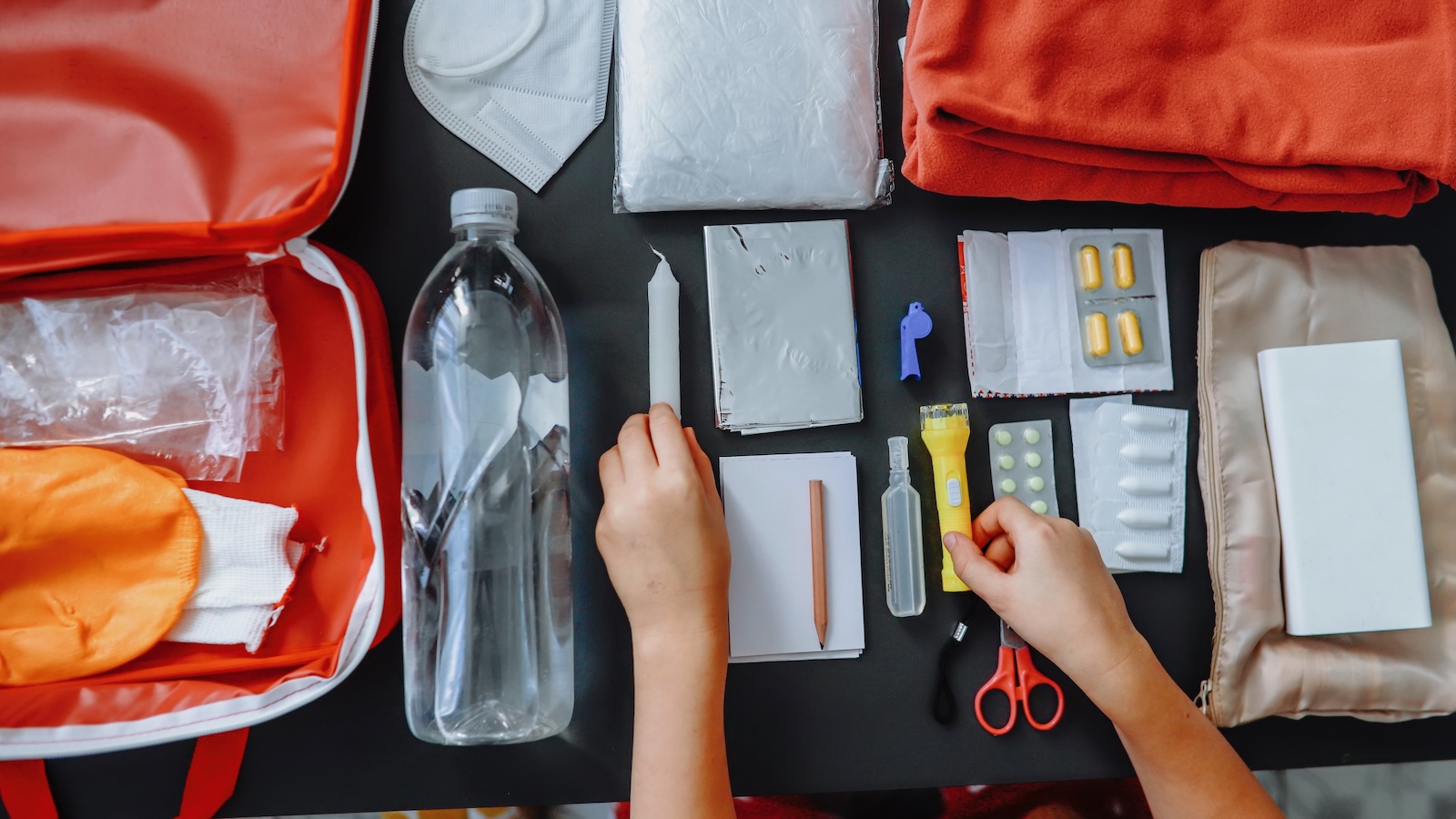
A survival kit holds essential items to keep you safe during a hurricane. It should be easy to carry and ready to use.
- Water: At least one gallon per person per day for three days
- Non-perishable food: Enough for three days
- Battery-powered or hand-crank radio
- Flashlight with extra batteries
- First aid kit
- Medications and important documents
- Whistle to signal for help
- Multi-tool or knife
- Personal hygiene items
- Blankets or sleeping bags
Storing Supplies Safely
Keep your supplies in a safe, dry place. Protect items from water damage and easy access is important.
| Item | Storage Tip |
| Water | Store in sealed containers away from heat |
| Food | Use airtight containers to prevent spoilage |
| Medications | Keep in a cool, dry place inside waterproof bags |
| Documents | Store in a waterproof folder or box |
| Electronics | Place in waterproof bags or cases |
Planning Evacuation Routes
Know where to go if you must leave your home. Plan routes and share them with family members.
- Identify nearby shelters and safe locations
- Check multiple routes to avoid traffic jams
- Plan transportation options for all family members
- Prepare a communication plan to stay in touch
- Practice evacuation drills to be ready

Credit: weather.thefuntimesguide.com
Frequently Asked Questions
What Essential Supplies Do You Need To Survive A Hurricane?
Essential supplies include water, non-perishable food, first aid kit, flashlight, batteries, and a portable phone charger. Also, have important documents and cash ready. These items ensure safety and basic needs during power outages and emergencies.
How Much Water Should You Store For A Hurricane?
Store at least one gallon of water per person per day. Plan for a minimum of three days. Water is crucial for drinking, cooking, and hygiene during a hurricane emergency.
What Type Of Food Is Best For Hurricane Preparedness?
Choose non-perishable, easy-to-prepare foods like canned goods, dried fruits, nuts, and energy bars. These foods do not require refrigeration or cooking, making them ideal during power outages.
Why Is A First Aid Kit Important During A Hurricane?
A first aid kit helps treat minor injuries when medical help is delayed. It should include bandages, antiseptics, pain relievers, and any prescription medications.
Conclusion
Surviving a hurricane needs good planning and smart choices. Gather water, food, and important supplies early. Keep a flashlight and batteries close by. Stay informed with weather updates and local alerts. Have a safe place to shelter from strong winds.
Remember, staying calm helps you think clearly. Being ready can protect you and your loved ones. Small steps now can make a big difference later. Stay safe and take care during the storm.