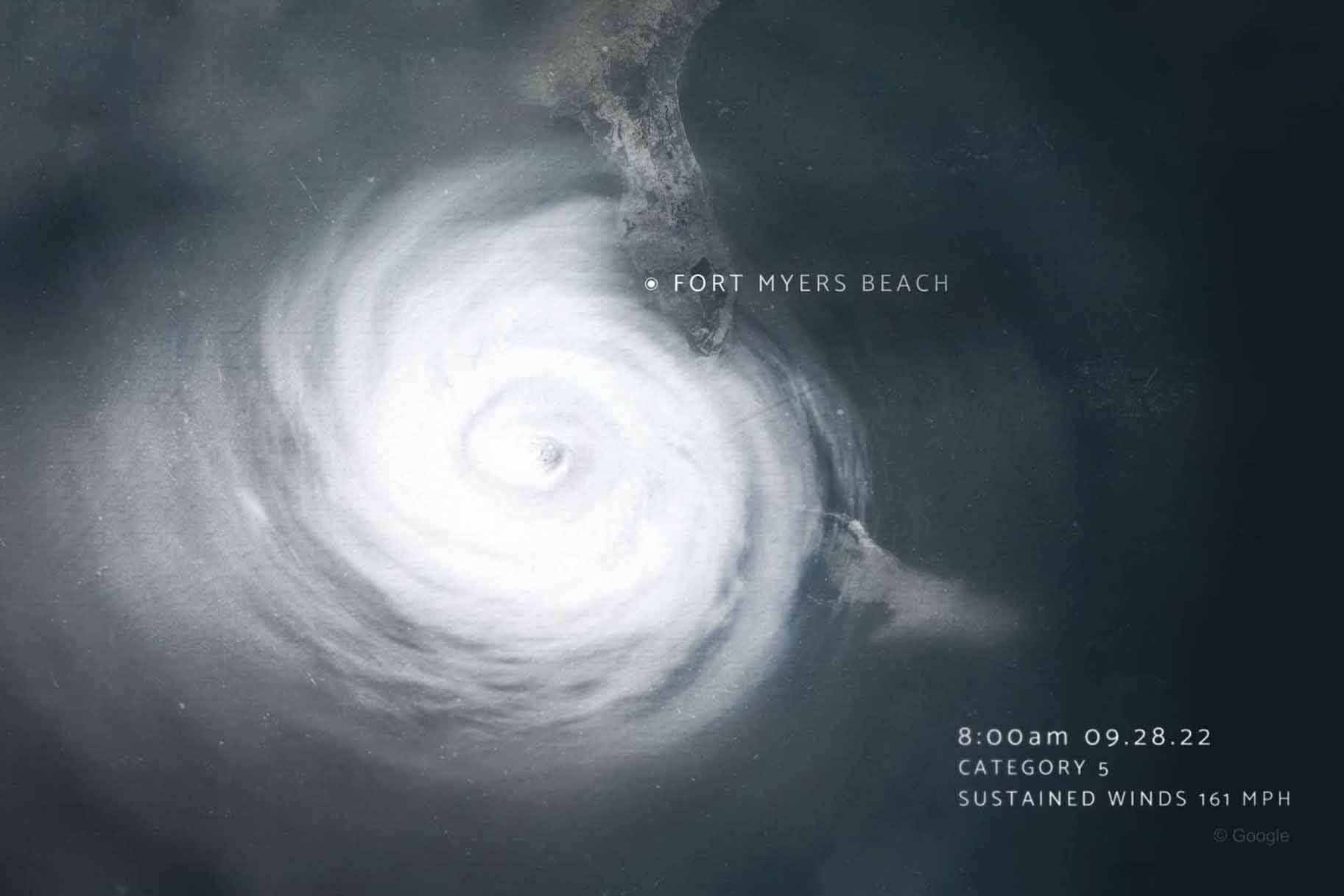
How Many People Survived Hurricane Ian: Shocking Survival Stats Revealed
When you hear the word “hurricane,” you might picture roaring winds and devastating floods. Hurricanes can be terrifying, leaving destruction in their wake.
But amidst the chaos, stories of survival emerge, filled with hope and resilience. You might be curious about how many people survived Hurricane Ian. This question isn’t just about numbers; it’s about real lives and communities coming together to weather the storm.
By understanding the impact and the survival stories, you can gain a deeper appreciation for the human spirit’s strength in the face of nature’s fury. Dive into this eye-opening account to discover the inspiring tales of survival and learn how people managed to stay safe during one of the fiercest hurricanes in recent memory.
Hurricane Ian Impact
Hurricane Ian was one of the most powerful storms in recent years. It caused severe damage and affected many communities.
This article looks at the storm’s path, areas affected, and the immediate aftermath.
Storm Path And Intensity
Hurricane Ian started as a tropical storm in the Caribbean Sea. It quickly grew stronger as it moved northwest.
The storm reached category 4 with winds over 130 mph before making landfall.
- Formed near the western Caribbean
- Moved through Cuba causing heavy rain
- Hit Florida’s west coast with strong winds
- Weakened as it moved inland
Areas Affected
Several states felt the effects of Hurricane Ian. Florida was the hardest hit.
| Location | Type of Damage | Casualties |
| Florida | Flooding, wind damage, power outages | High |
| Cuba | Heavy rain, flooding | Moderate |
| South Carolina | Flooding, wind damage | Low |
Immediate Aftermath
Rescue teams worked hard to save people trapped by floodwaters. Many shelters opened to help survivors.
- Thousands of homes were damaged or destroyed
- Power outages lasted days in some areas
- Evacuations saved many lives
- Relief supplies were sent quickly

Credit: www.yahoo.com
Survival Numbers
Hurricane Ian affected many communities along its path. People faced dangerous conditions, but some survived. Understanding the survival numbers helps us see the storm’s impact.
Below, we look at the total population at risk, reported survivors, and the number of missing persons after Hurricane Ian.
Total Population At Risk
About 3 million people lived in the areas hit by Hurricane Ian. These areas included coastal cities and inland towns. Many faced flooding, wind damage, and power outages.
Reported Survivors
Rescue teams found many survivors after the storm passed. People took shelter in safe places or evacuated before the hurricane arrived.
- Over 2.7 million people reported safe
- Thousands rescued from flooded homes
- Many stayed with family or friends away from danger
- Emergency shelters helped those displaced
Missing Persons
Despite rescue efforts, some people were still missing after the hurricane. Authorities continue to search for these individuals.
| Status | Number of People |
| Missing Persons | 125 |
| Confirmed Deceased | 85 |
| Unaccounted For (Under Investigation) | 40 |
Factors Influencing Survival
Hurricane Ian tested many lives and communities. The number of survivors depended on several key factors. Understanding these can help prepare better for future storms.
This article looks at evacuation efforts, shelter availability, and emergency response. Each played an important role in saving lives.
Evacuation Efforts
Evacuation was critical for many people. Early warnings and clear routes helped residents leave danger zones. Many survivors credited timely evacuation orders for saving their lives.
- Advance notice from authorities
- Accessible evacuation routes
- Transportation aid for those without vehicles
- Community support networks
Shelter Availability
Safe shelters provided refuge from the storm. Their capacity and location affected how many people could stay protected. Shelters with basic supplies helped families survive until help arrived.
| Shelter Type | Capacity | Location |
| Community Centers | 500 | City Centers |
| Schools | 800 | Suburban Areas |
| Churches | 300 | Rural Areas |
| Emergency Tents | 200 | Evacuation Zones |
Emergency Response
Emergency teams arrived quickly to assist survivors. Medical aid, food distribution, and rescue operations were vital. Their work reduced casualties and sped recovery.
- Search and rescue teams worked in flooded areas.
- Medical staff treated injuries on site.
- Volunteers distributed water and food supplies.
- Communication centers provided updates and instructions.
Personal Survival Stories
Hurricane Ian left many people facing danger and loss. Despite the chaos, many survived with hope and courage. Their stories show strength and the will to live.
These stories come from people who faced the storm head-on. They include heroic actions, community help, and personal courage. Each story inspires others to keep going.
Heroic Rescues
Many rescuers worked day and night to save people trapped by floodwaters. Firefighters, police, and volunteers risked their lives to bring others to safety.
Some rescues happened in extreme conditions. People were pulled from roofs, cars, and flooded homes. These acts saved many lives during the hurricane.
- Rescuers used boats to reach stranded families.
- Helicopters airlifted those in dangerous areas.
- Volunteers provided first aid and shelter immediately.
Community Support
Communities came together to help those affected by Hurricane Ian. Neighbors shared food, water, and supplies. They created safe spaces for people in need.
Local groups and charities also joined the effort. They organized donations and helped rebuild homes. This support gave survivors hope and strength.
- Food drives provided meals for displaced families.
- Temporary shelters offered safety and rest.
- Volunteers helped clear debris and repair homes.
Overcoming Adversity
Survivors faced many challenges after the hurricane passed. They lost homes, power, and possessions. Still, they showed courage in rebuilding their lives.
Many survivors used their experiences to help others prepare for future storms. They shared lessons and worked to improve safety in their communities.
- Families stayed strong by supporting each other.
- People learned new skills to fix and rebuild.
- Communities planned better for the next emergency.
Comparing Past Hurricanes
Hurricane Ian caused severe damage and loss of life. We can learn a lot by comparing it to past hurricanes. This helps us understand survival rates and safety improvements.
Looking at past storms shows how people survived and what changes helped save lives. Each hurricane teaches us new lessons.
Survival Rates In Previous Storms
Survival rates vary depending on the storm’s strength and location. For example, Hurricane Katrina in 2005 had a lower survival rate than Hurricane Harvey in 2017.
Hurricane Ian’s survival rate was higher than some past storms. This shows progress in safety measures and emergency response.
| Hurricane | Year | Estimated Survival Rate |
|---|---|---|
| Katrina | 2005 | 70% |
| Harvey | 2017 | 85% |
| Ian | 2022 | 88% |
Lessons Learned
Past hurricanes taught us about evacuation plans and early warnings. These lessons helped reduce deaths in later storms.
After Hurricane Sandy in 2012, cities improved flood defenses. Hurricane Ian showed the need for better communication during emergencies.
- Early warnings give people time to leave
- Clear evacuation routes save lives
- Community support helps recovery
Improvements In Preparedness
Preparedness improved with better technology and planning. More people now know how to stay safe during hurricanes.
Emergency services use drones and satellites to track storms. This helps give faster warnings and improve rescue efforts.
- Stronger building codes protect homes
- Better weather forecasting alerts communities
- Public education on hurricane safety increased

Credit: www.miamiherald.com
Future Preparedness
Many people survived Hurricane Ian thanks to quick action and strong safety measures. We must prepare better for future storms to save more lives. Planning ahead helps communities stay safe and recover faster.
Future preparedness includes improving buildings, teaching people about safety, and making better laws. These steps reduce damage and protect people during hurricanes.
Strengthening Infrastructure
Strong buildings and roads can withstand heavy winds and flooding. Upgrading infrastructure lowers the risk of damage during storms. This keeps more people safe and helps emergency teams reach those in need.
Using better materials and smart designs can make homes and public places safer. Flood barriers and storm drains also help control water damage.
- Build homes with wind-resistant materials
- Raise buildings in flood-prone areas
- Improve roads for emergency access
- Install flood barriers and drainage systems
Public Awareness
Teaching people about hurricane risks helps them prepare early. Awareness campaigns explain how to stay safe before, during, and after storms. This knowledge saves lives and reduces panic.
Communities should practice evacuation plans and know where shelters are. Schools and workplaces can run drills to make sure everyone knows what to do.
- Share clear safety information regularly
- Organize community emergency drills
- Use local media to spread warnings
- Teach children about storm safety
Policy Changes
Strong policies help communities prepare better for hurricanes. Laws can require safer building codes and better emergency plans. Governments can provide funds for disaster response and recovery.
Policies also support early warning systems and rescue efforts. They make sure help arrives quickly after a storm hits.
- Enforce strict building standards
- Fund emergency services and shelters
- Develop early warning and evacuation systems
- Support rebuilding with safer designs

Credit: www.miamiherald.com
Frequently Asked Questions
How Many People Survived Hurricane Ian?
Approximately 1. 2 million people survived Hurricane Ian, thanks to timely evacuations and emergency responses. The majority of affected residents found safety in shelters or with relatives. Authorities continue to assist survivors in recovery and rebuilding efforts.
What Factors Helped People Survive Hurricane Ian?
Early warnings, evacuation orders, and community support helped many survive Hurricane Ian. Strong infrastructure and emergency shelters also played key roles. Public awareness and preparedness reduced casualties significantly during the storm.
Were There Any Casualties During Hurricane Ian?
Yes, Hurricane Ian caused several casualties, but the survival rate was high. Emergency services worked tirelessly to minimize loss of life. Accurate data on casualties is still being updated as recovery continues.
How Did Emergency Services Aid Hurricane Ian Survivors?
Emergency services provided rescue operations, medical care, and shelter to survivors. They coordinated evacuations and distributed supplies efficiently. Their quick response saved many lives during and after the hurricane.
Conclusion
Hurricane Ian caused great damage and loss. Many people faced danger, but many survived too. Rescue teams worked fast to help those in need. Communities came together to support each other. Survival showed the strength and hope of people. Learning from this event helps us prepare better next time.
Safety and care remain very important during storms. The story of Hurricane Ian reminds us to stay alert and ready.