Can Newborn Kittens Survive Cold Weather: Essential Survival Tips
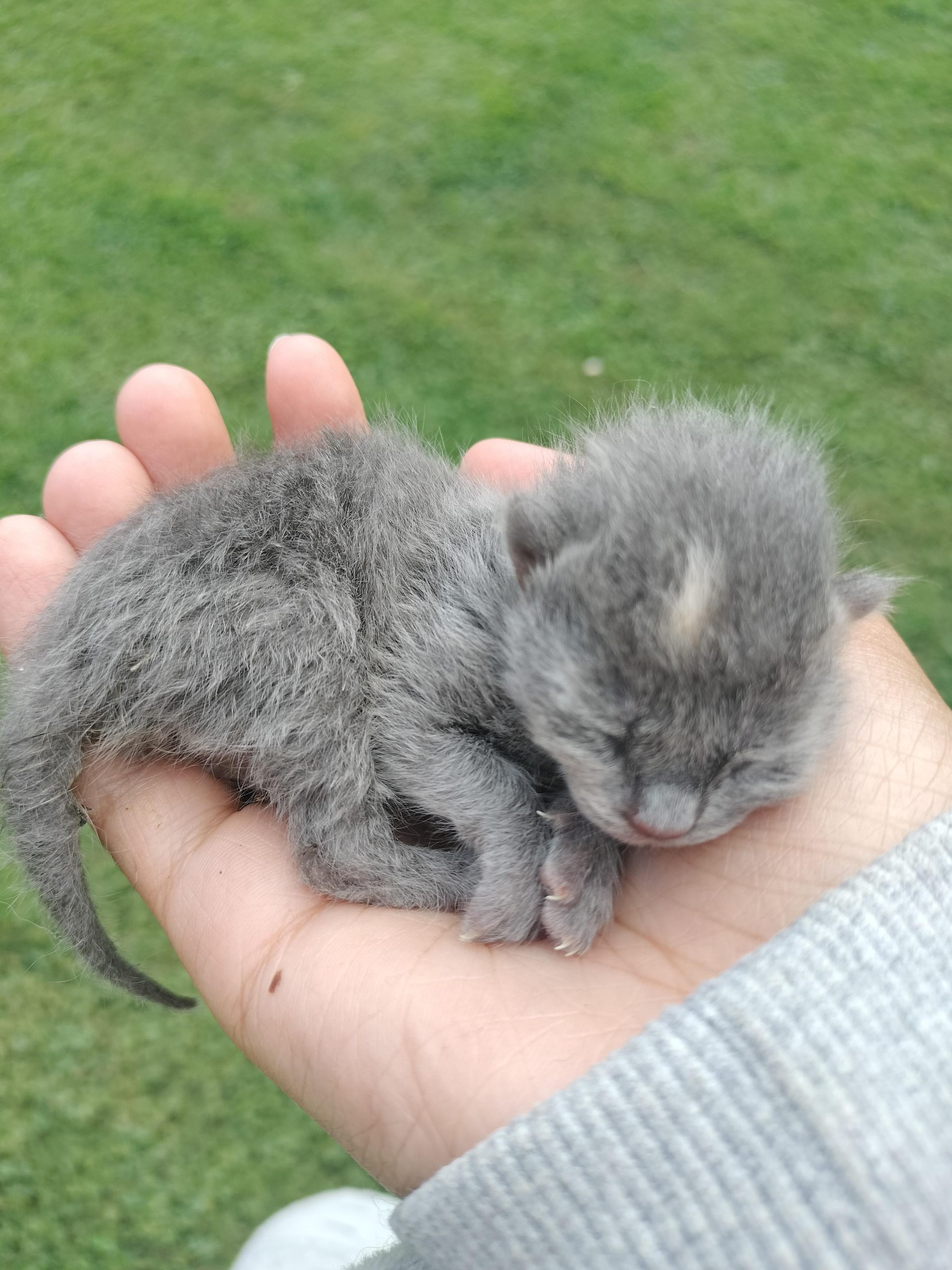
Imagine a litter of tiny, helpless kittens born in the chill of winter. You might wonder, can these newborn kittens survive cold weather?
If you’re a pet lover or simply curious about the wonders of nature, this question might tug at your heartstrings. As the temperature drops, the stakes rise for these fragile creatures. The instinct to protect and nurture them kicks in, but do you know what it truly takes to keep them safe and warm?
You’ll uncover the essentials of ensuring the survival of newborn kittens in cold weather. Stay with us to discover how you can make a difference in their tiny lives.
Credit: pethelpful.com
Risks Of Cold Weather For Newborn Kittens
Newborn kittens are very sensitive to cold. Their bodies cannot keep warm like adult cats. Cold weather can cause serious health problems for them.
Understanding the risks helps you protect kittens. This guide covers how kittens manage heat, health issues from cold, and signs of danger.
Body Temperature Regulation
Newborn kittens cannot control their body temperature well. They rely on their mother and environment to stay warm. If the temperature drops, kittens can get cold fast.
- Kittens have little fur to keep heat.
- They cannot shiver strongly to warm up.
- Their small size makes it easy to lose heat.
- They need a warm place to stay safe.
Common Health Issues
Cold can cause many health problems in newborn kittens. These issues can become life-threatening quickly if not treated.
| Health Issue | Description |
| Hypothermia | Dangerously low body temperature causing weakness and slow heart rate. |
| Respiratory Infections | Cold stress lowers immunity leading to coughs and breathing problems. |
| Digestive Problems | Cold slows digestion, causing poor nutrient absorption and diarrhea. |
| Failure to Thrive | Kittens stop growing and may die if cold stress continues. |
Signs Of Hypothermia
Recognizing hypothermia early can save a kitten’s life. Watch for these warning signs:
- Cold, pale skin and ears
- Weak or slow movements
- Slow breathing and heartbeat
- Unusual sleepiness or limpness
- Refusal to feed or cry
Creating A Warm Environment
Newborn kittens cannot control their body temperature well. They need a warm place to stay safe and healthy. Creating a warm environment helps them survive cold weather.
We will look at how to make a cozy space using good nesting spots, heating pads, and insulating materials.
Ideal Nesting Spots
Choose a quiet and draft-free area for the kittens. It should be away from windows and doors. A small box or basket works well.
- Line the spot with soft blankets or towels.
- Keep the area clean and dry.
- Place the nest on a raised surface to avoid cold floors.
- Make sure the mother cat can easily reach the nest.
Using Heating Pads Safely
Heating pads provide extra warmth but need careful use. Always cover the pad with a thick cloth to avoid burns. Use a low setting and check the temperature often.
- Place the heating pad under part of the bedding, not the entire nest.
- Do not let kittens sleep directly on the pad.
- Turn off the pad when you are not nearby.
- Check the pad regularly for damage or overheating.
Insulating Materials
| Material | Benefits |
|---|---|
| Fleece blankets | Soft and retains heat well |
| Straw or hay | Good insulation and moisture resistant |
| Bubble wrap (under bedding) | Blocks cold from the floor |
| Old towels | Absorbent and easy to clean |
Use these materials to make the nesting spot warm and cozy. Layering them helps keep cold air out and warmth in.
Feeding And Hydration Needs
Newborn kittens are very fragile, especially in cold weather. They need special care to stay warm and healthy.
Feeding and hydration are very important to help them survive cold days and nights.
Frequency Of Feeding
Newborn kittens need to eat often to keep their energy up. Feed them every 2 to 3 hours.
In cold weather, they use more energy to stay warm. They may need extra feedings.
- Feed every 2-3 hours during the day and night
- Watch for signs of hunger like crying or restlessness
- Keep feeding times consistent for their health
Choosing The Right Formula
Kitten formula replaces their mother’s milk. Use a formula made just for kittens.
Do not give cow’s milk. It can upset their stomach and cause diarrhea.
- Use commercial kitten milk replacer
- Follow package instructions for mixing
- Warm the formula to body temperature before feeding
Ensuring Proper Hydration
Hydration is key for newborn kittens, especially in cold weather. They lose water quickly.
Formula provides most of their water needs. Check that kittens are staying hydrated.
- Offer fresh formula regularly
- Watch for dry mouth or lethargy as dehydration signs
- Keep kittens warm to reduce water loss

Credit: www.reddit.com
Monitoring And Care Routine
Newborn kittens need special care to survive cold weather. Keeping them warm and safe is very important.
Watch them closely and follow a regular care routine to help them stay healthy.
Regular Temperature Checks
Check the kittens’ temperature often to make sure they are warm enough. Their body temperature should stay around 95-99°F (35-37°C).
Use a small, gentle thermometer to measure their temperature under the arm or in the rectum. Warm them quickly if their temperature drops.
- Check temperature every 2-3 hours during the first week
- Keep the room warm and free from drafts
- Use heating pads or warm water bottles safely
Handling And Stimulation
Handle newborn kittens gently to avoid stress. They need help to urinate and poop in the first weeks.
Use a warm, damp cloth to gently rub their belly and genital area after feeding. This helps their body work properly.
- Hold kittens carefully and support their bodies
- Stimulate them after each feeding session
- Keep handling time short to prevent chilling
Recognizing Emergency Situations
Know the signs that a kitten needs urgent care. Cold kittens may become weak, stop moving, or stop breathing well.
Look for pale or blue gums, weak crying, or very low body temperature. Get help quickly if you see these signs.
- Check for shivering or cold skin
- Watch for slow or no breathing
- Note if kittens do not feed or move
- Seek veterinary help immediately if needed
When To Seek Veterinary Help
Newborn kittens are very sensitive to cold weather. They cannot keep themselves warm well. This can cause serious health problems quickly.
You should watch your kittens closely. Knowing when to get help from a vet can save their lives.
Critical Symptoms
Some signs show that a kitten is too cold or sick. Look for these symptoms to act fast.
- Shivering or trembling
- Weakness or limp body
- Slow or shallow breathing
- Cold ears, paws, or body
- Blue or pale gums
- Refusing to eat or nurse
- Unusual crying or restlessness
If you see any of these signs, take the kitten to a vet immediately. Early treatment is very important.
Preventative Health Measures
Keeping newborn kittens warm helps prevent illness. Use safe ways to keep their environment cozy.
- Provide a warm box or bed with soft blankets
- Use a heating pad designed for pets under supervision
- Keep the room temperature between 85-90°F (29-32°C) for the first week
- Check kittens often for signs of cold
- Keep the area dry and clean
Good nutrition is also important. Make sure the mother cat is healthy and feeding the kittens well.
Follow-up Care
After a cold episode or vet visit, watch kittens carefully. Follow the vet’s advice for care at home.
- Keep the kittens warm and comfortable
- Feed them regularly and monitor their weight
- Watch for any new or returning symptoms
- Return to the vet if they do not improve
- Schedule regular health checks as recommended
Prompt follow-up care helps kittens recover fully and stay healthy in cold weather.

Credit: www.reddit.com
Frequently Asked Questions
Can Newborn Kittens Survive In Cold Weather?
Newborn kittens are vulnerable to cold and cannot regulate their body temperature well. They need warmth to survive. Providing a heated, insulated environment is essential for their health and growth during cold weather.
How To Keep Newborn Kittens Warm In Winter?
Use heating pads or warm blankets to maintain a cozy spot. Ensure the heat source is safe and avoid overheating. Keep kittens in a draft-free area with soft bedding for extra insulation.
What Are Signs Of Cold Stress In Newborn Kittens?
Cold-stressed kittens may shiver, become lethargic, or stop nursing. Their body temperature drops, causing weakness. Immediate warming and veterinary care are crucial to prevent hypothermia and ensure survival.
Why Is Warmth Crucial For Newborn Kittens’ Survival?
Warmth helps maintain their body temperature and supports vital functions. Without adequate heat, kittens risk hypothermia, which can be fatal. Warmth also promotes healthy digestion and immune function in newborns.
Conclusion
Newborn kittens face many risks in cold weather. They cannot keep warm on their own. Warmth and shelter save their lives. Keep them dry and cozy at all times. Check on them often to ensure safety. Small steps protect these fragile lives.
Cold can harm or even kill them quickly. Providing warmth helps kittens grow strong and healthy. Every kitten deserves a warm, safe place to thrive. Care and attention make all the difference.