Can New Orleans Survive Another Hurricane? Shocking Truths Revealed
Imagine standing on the historic streets of New Orleans, a city rich with culture, music, and a spirit that’s hard to shake. Yet, as you feel the vibrant energy of the city, a question lingers: Can New Orleans survive another hurricane?
You may find yourself wondering what lies ahead for this beloved city, especially with the memories of past storms still echoing in the minds of its residents. We’ll explore the city’s ongoing battle with nature, the resilience of its people, and the steps being taken to safeguard its future.
Stay with us as we uncover the complexities and hopes surrounding New Orleans’ ability to weather the storm.
New Orleans’ Hurricane History
New Orleans has faced many hurricanes over the years. These storms have shaped the city and its people. Understanding this history helps us see if the city can handle future hurricanes.
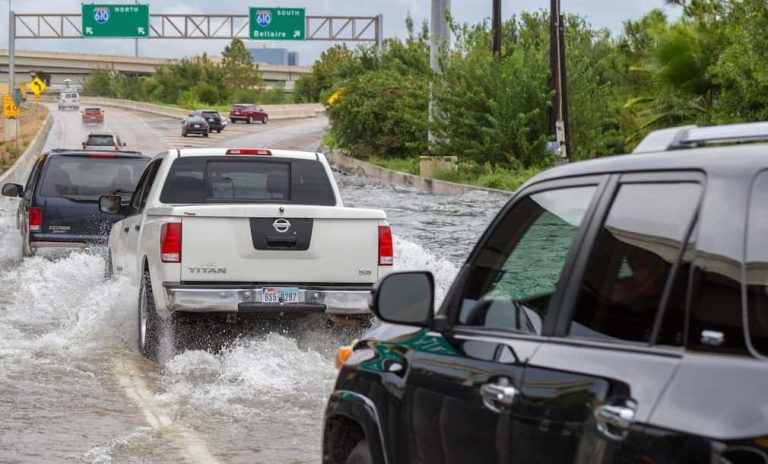
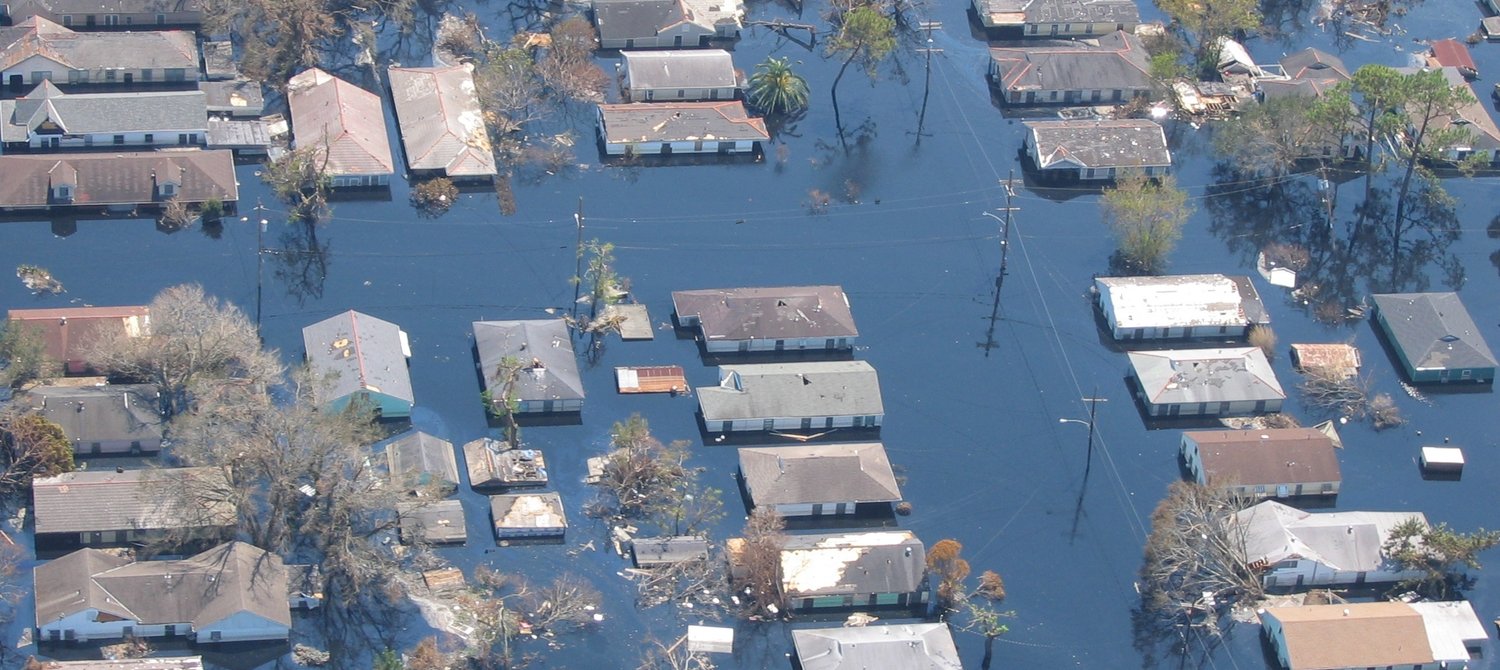
The city’s location near the Gulf of Mexico makes it vulnerable. Flooding and wind damage have caused major problems in the past. Learning from these events is important for the city’s safety.
Major Storms That Shaped The City
Several hurricanes changed New Orleans over time. Some storms caused great damage, while others led to new safety rules and building codes. Here are some of the major storms:
- Hurricane Betsy (1965) – First hurricane to cause over $1 billion in damage in the U.S.
- Hurricane Camille (1969) – Brought heavy rain and flooding to the city.
- Hurricane Andrew (1992) – Strong winds caused power outages and structural damage.
- Hurricane Katrina (2005) – One of the deadliest storms in U.S. history.
- Hurricane Rita (2005) – Followed Katrina and added more strain to recovery efforts.
Lessons From Katrina And Rita
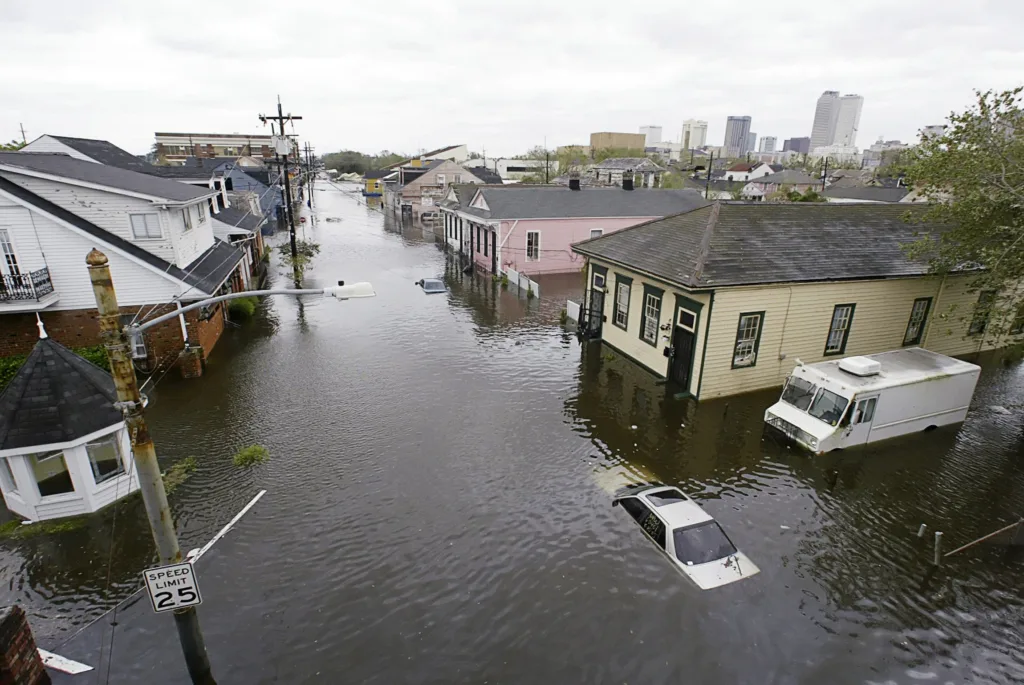
Hurricane Katrina and Rita in 2005 taught New Orleans many lessons. The city faced flooding, power loss, and slow recovery. These storms showed the need for better planning and stronger protection.
| Lesson | What Happened | New Actions Taken |
| Levee Failures | Levees broke in many places | Levees rebuilt and strengthened |
| Evacuation Issues | Many people could not leave safely | Improved evacuation plans and transport |
| Emergency Response | Help arrived too late in some areas | Better coordination among agencies |
| Flood Protection | Floodwaters stayed too long | New pumps and drainage systems |

Credit: www.audubon.org
Current Flood Defenses
New Orleans faces many risks from hurricanes and floods. The city has built strong defenses to protect people and homes. These defenses aim to reduce flood damage and keep water out.
The main parts of the flood defense system are levees, floodwalls, pumping systems, and drainage. Each plays a key role in keeping the city safe during storms.
Levees And Floodwalls
Levees are large, raised barriers made of earth and concrete. They block water from rivers and lakes. Floodwalls are tall, strong walls built where space is limited. Both stop water from flooding the city.
After Hurricane Katrina, many levees and floodwalls were strengthened and rebuilt. These structures now meet higher safety standards. They are checked often to fix any damage or weak spots.
- Levees run along the Mississippi River and Lake Pontchartrain.
- Floodwalls protect neighborhoods near canals and low areas.
- Height and thickness vary based on flood risk.
- Regular inspections keep them in good condition.
Pumping Systems And Drainage
New Orleans is below sea level, so water must be pumped out during storms. Large pumps move rainwater and floodwater out of the city. This prevents water from pooling in streets and homes.
The city has many drainage canals and pumping stations. These work together to remove water quickly. The pumps run on backup power to stay active during outages.
- Pumping stations are placed in flood-prone areas.
- Canals direct water to pumps and out to lakes.
- Backup generators keep pumps running during blackouts.
- Maintenance ensures pumps work when needed most.
Climate Change Impact
New Orleans faces growing risks from climate change. The city is vulnerable to hurricanes and flooding.
Climate change makes storms stronger and sea levels higher. These changes threaten the city’s future.
Rising Sea Levels
Sea levels around New Orleans are rising due to melting ice and warmer oceans. This causes more flooding during storms.
Higher water levels make it harder to protect the city with levees and pumps. Flood damage can increase quickly.
- More land loss from flooding
- Increased saltwater intrusion into freshwater
- Greater risk to homes and infrastructure
Increasing Storm Intensity
Storms near New Orleans are growing stronger due to warmer ocean temperatures. This leads to more rain and wind damage.
Stronger hurricanes can overwhelm defenses and cause more destruction. Recovery can take years and cost billions.
- Higher wind speeds damage buildings
- Heavy rain causes severe flooding
- More frequent storm surges

Credit: www.foodengineeringmag.com
City Preparedness Measures
New Orleans faces hurricanes every year. The city works hard to protect its people. Being ready is very important.
City officials plan ahead to reduce damage and keep everyone safe. Two key areas are evacuation plans and emergency services upgrades.
Evacuation Plans
Evacuation plans help move people out of danger fast. The city updates these plans regularly. They focus on clear routes and safe shelters.
- Designated evacuation routes marked with clear signs
- Special transport for people without cars
- Multiple shelter locations with supplies
- Information centers with up-to-date alerts
- Coordination with neighboring areas for support
Emergency Services Upgrades
The city improves emergency services to respond faster. Upgrades include new equipment and better training for teams. Communication systems are also enhanced.
| Service | Upgrade | Benefit |
| Fire Department | Modern trucks and gear | Faster rescue and firefighting |
| Police | Advanced radios and vehicles | Improved coordination and patrols |
| Medical Teams | More ambulances and supplies | Better emergency care |
| Communication | Citywide alert systems | Quick updates to residents |
Community Resilience
New Orleans faces many challenges from hurricanes. The city must build strong community resilience to survive future storms.
Resilience means people work together to prepare, respond, and recover. This helps reduce damage and keep lives safe.
Local Initiatives
Many local groups in New Orleans work to improve hurricane safety. These initiatives help neighborhoods prepare for disasters.
Community centers and volunteers organize drills and build shelters. They also repair levees and clear drainage systems.
- Neighborhood watch programs during storms
- Volunteer teams for emergency response
- Local workshops on hurricane preparedness
- Repair and maintain flood protection systems
Public Awareness Campaigns
Raising public awareness is key to survival. The city runs campaigns to teach people about hurricane risks and safety steps.
These campaigns use simple messages to explain evacuation routes, emergency kits, and how to stay informed.
- Posters and flyers in public spaces
- Radio and TV announcements before storms
- Social media updates with safety tips
- School programs to teach children emergency plans
Economic And Social Challenges
New Orleans faces many economic and social challenges after hurricanes. These challenges affect how the city recovers and grows.
The city’s economy and social fabric are tested by disasters. It is important to understand who is most at risk and what rebuilding costs involve.
Vulnerable Populations
Many people in New Orleans are vulnerable to hurricanes. Low-income families, elderly residents, and people with disabilities face big risks.
- Low-income households often lack resources to prepare or recover.
- Elderly people may have health issues and limited mobility.
- Disabled residents need special support during evacuations.
- Communities of color often experience greater impacts from disasters.
These groups need extra help to stay safe and rebuild after storms. Social services and emergency plans must focus on them.
Rebuilding Costs
Rebuilding New Orleans after a hurricane costs a lot. The expenses cover homes, businesses, and public infrastructure.
| Type | Estimated Cost (in billions) |
| Residential Repairs | $5.2 |
| Business Recovery | $3.4 |
| Public Infrastructure | $7.1 |
| Emergency Services | $1.8 |
Costs can delay recovery and strain city budgets. Planning for these expenses helps New Orleans prepare better for future hurricanes.
Future Outlook
New Orleans faces many risks from hurricanes in the future. The city must prepare to protect its people and homes.
Planning for storms includes building strong defenses and securing enough money to support these efforts.
Innovative Protection Strategies
New Orleans uses new ideas to keep the city safe from flooding and storm damage. These strategies help reduce risks.
Examples include stronger levees, flood gates, and wetlands restoration to absorb storm water.
- Building higher and stronger levees
- Installing flood gates at key water points
- Restoring wetlands to slow floodwaters
- Using pumps to remove water quickly
- Creating green spaces to absorb rain
Policy And Funding Needs
Strong policies and steady funding are needed to keep protection efforts working well. Laws must support safety plans.
Money from local, state, and federal sources helps build and maintain defenses against hurricanes.
- Create laws that support flood control projects
- Secure long-term funding for maintenance
- Encourage community involvement in planning
- Plan for emergency response and recovery
- Promote education about hurricane risks
Credit: theleaven.org
Frequently Asked Questions
Can New Orleans Withstand Another Major Hurricane?
New Orleans has improved its levees and flood defenses since Hurricane Katrina. However, the city remains vulnerable due to climate change and rising sea levels. Continuous investment in infrastructure and emergency planning is crucial for better resilience against future storms.
What Measures Protect New Orleans From Hurricane Flooding?
The city uses levees, floodwalls, and pumping stations to manage water. The Hurricane and Storm Damage Risk Reduction System (HSDRRS) is a key project. These measures reduce flooding but require ongoing maintenance and upgrades to remain effective.
How Does Climate Change Affect New Orleans’ Hurricane Risk?
Climate change increases hurricane intensity and rainfall. Rising sea levels worsen storm surge impacts in New Orleans. These factors heighten flood risks, making it essential for the city to adapt through stronger infrastructure and environmental strategies.
Is New Orleans Prepared For Emergency Hurricane Evacuations?
New Orleans has detailed evacuation plans and public alert systems. The city conducts regular drills and improves transportation routes. Despite this, challenges remain, especially for vulnerable populations needing assistance during evacuations.
Conclusion
New Orleans faces many challenges from future hurricanes. The city has learned hard lessons from past storms. Stronger levees and better plans help protect its people. Still, nature’s power remains a serious threat. Community strength and smart choices will make a difference.
Staying prepared saves lives and reduces damage. The city’s spirit keeps hope alive through tough times. Surviving another hurricane is possible with effort and care. The future depends on actions taken today.