Can Sheep Survive Cold Weather: Essential Facts You Need to Know
When winter’s chill sets in, you might wonder how animals like sheep cope with the cold. Are these fluffy creatures built to withstand freezing temperatures, or do they need extra care to survive?
Understanding how sheep manage in cold weather can be crucial, whether you’re a farmer, a hobbyist, or simply curious. This article will uncover the secrets of their natural resilience and reveal what you can do to ensure your sheep thrive during the frosty months.
Get ready to discover how you can keep your flock safe and healthy when the mercury drops. Keep reading, and let’s unravel the mysteries of sheep and winter!
Sheep Adaptations To Cold
Sheep live in many cold places. They have special traits that help them stay warm. These adaptations protect them from harsh weather.
This article explains three main ways sheep survive cold: wool insulation, body fat and metabolism, and behavior changes.
Wool Insulation
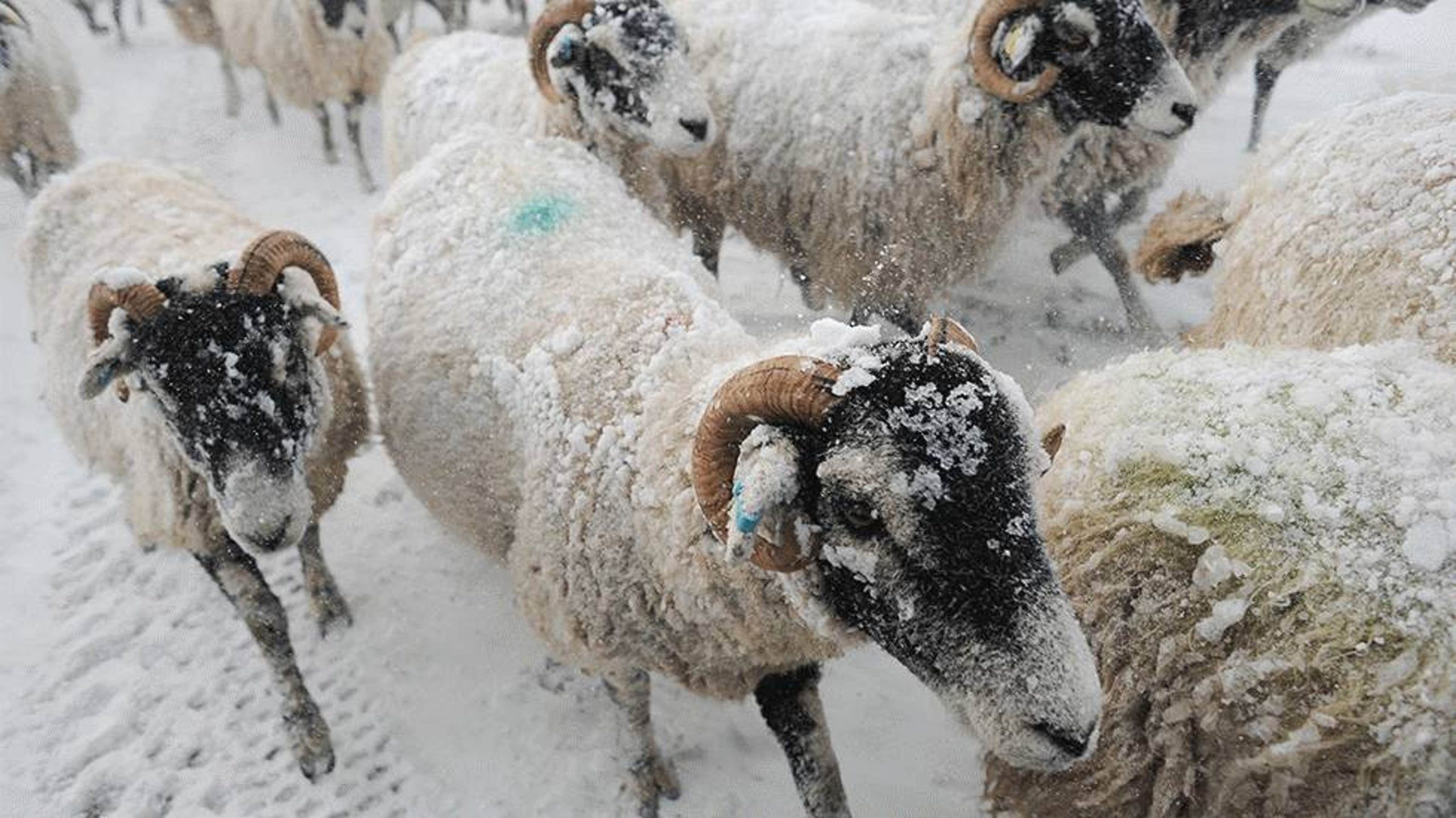
Sheep have thick wool that traps air. This air keeps their body heat close. Wool is water-resistant, so it keeps sheep dry too.
- Wool fibers are dense and curly.
- The wool layer blocks cold wind.
- It prevents heat loss from the skin.
- Wool can absorb moisture without feeling wet.
Body Fat And Metabolism
Sheep build up fat under their skin to stay warm. This fat acts like insulation and energy storage. Their metabolism changes to produce more heat in cold.
| Adaptation | Function |
| Subcutaneous Fat | Keeps body heat inside |
| Higher Metabolic Rate | Generates extra body heat |
| Fat Storage | Provides energy in winter |
Behavioral Changes
Sheep change how they act to survive cold. They group together to share warmth. They also reduce movement to save energy.
- Huddle in groups during cold weather
- Seek shelter from wind and snow
- Eat more to fuel their body heat
- Limit activity to conserve energy
Ideal Shelter For Sheep
Sheep need proper shelter to stay safe and warm in cold weather. A good shelter helps protect them from harsh winds and wet conditions. It also keeps them dry and comfortable.
Providing the right space and bedding is important. This helps sheep rest well and avoid health problems during cold days and nights.
Windbreaks And Protection
Windbreaks shield sheep from cold, biting winds. They reduce heat loss and stop chill stress. A strong windbreak can be made from trees, fences, or solid walls.
- Use dense shrubs or trees as natural windbreaks.
- Build solid fences or walls facing prevailing winds.
- Place shelters near windbreaks for extra protection.
- Avoid open areas that expose sheep to cold gusts.
Bedding And Dryness
Dry bedding keeps sheep warm and healthy. Wet or dirty bedding can cause sickness and discomfort. Straw or wood shavings work well as bedding materials.
| Material | Benefits |
| Straw | Good insulation, easy to replace |
| Wood shavings | Absorbs moisture, stays dry longer |
| Sawdust | Absorbs moisture but can be dusty |
Space Requirements
Sheep need enough space to lie down and move comfortably inside their shelter. Crowding can cause stress and increase illness risks. Each sheep should have a clean and dry area.
Recommended shelter space per sheep:
- Adult ewe: at least 15 square feet
- Adult ram: at least 20 square feet
- Lambs: at least 10 square feet
Nutrition Needs In Cold Weather
Sheep face tougher conditions in cold weather. Their nutrition needs change to keep them warm and healthy.
Proper feeding and water care help sheep survive and stay strong during winter months.
Increased Energy Requirements
Sheep use more energy to keep their body heat in cold weather. They need extra calories to stay warm.
- Provide more high-energy feed like grains or hay
- Increase daily feed amounts to meet energy demands
- Feed during warmer parts of the day to encourage intake
Feeding Strategies
Feeding sheep in cold weather requires planning. You must offer food that is easy to digest and energy rich.
| Feed Type | Benefit |
| Good Quality Hay | Provides fiber and energy |
| Grain Mix | Boosts calorie intake quickly |
| Mineral Supplements | Supports overall health |
Water Access And Quality
Sheep need clean water all the time. Cold weather can freeze water, so check it often.
- Break ice on water troughs daily
- Use heated water tanks if possible
- Keep water fresh and free from debris

Credit: www.duckworthco.com
Health Risks During Winter
Sheep face many health challenges in cold weather. Their bodies must stay warm to survive. Winter brings special risks to their health.
Farmers need to watch for signs of illness. Early care helps sheep stay strong through winter months.
Hypothermia And Frostbite
Hypothermia happens when sheep lose too much body heat. Frostbite affects their ears, tails, and feet. Both can cause serious harm.
- Keep sheep dry and sheltered from wind
- Provide extra bedding to keep warmth
- Check for cold, pale, or hard skin
- Move affected sheep to warm areas quickly
Respiratory Issues
Cold, damp weather can cause lung problems. Sheep may catch pneumonia or other infections. These illnesses make breathing hard and lower their energy.
| Symptom | Action |
| Coughing | Isolate sick sheep |
| Labored breathing | Call a vet |
| Runny nose | Keep sheep dry |
| Loss of appetite | Offer warm feed |
Parasite Control
Parasites stay active in cold months and harm sheep health. Worms and lice can weaken their immune systems. Control is key to avoid illness.
- Check sheep regularly for parasites
- Use approved dewormers as needed
- Keep pastures clean and rotate grazing
- Remove manure often to reduce parasite eggs
Signs Of Cold Stress In Sheep
Sheep are tough animals but cold weather can still affect them. It is important to watch for signs of cold stress. Early detection helps keep sheep healthy.
Cold stress happens when sheep lose more body heat than they can produce. This can cause sickness or even death if not addressed.
Behavioral Indicators
Sheep show changes in behavior when they are cold. They try to keep warm by acting differently than usual.
Look for signs like huddling together or standing still for long times. These are ways sheep try to save heat.
- Huddling close to other sheep
- Seeking shelter or windy spots
- Reduced movement or shivering
- Lower feeding activity
Physical Symptoms
Cold stress also shows in sheep’s bodies. Watch for signs that their health is weakening.
These symptoms include shivering and pale or cold ears. Their wool might look wet or dirty if they stay outside too long.
- Shivering or trembling
- Cold or pale ears and legs
- Wet, matted wool
- Weakness or lethargy
- Rapid breathing
When To Intervene
Intervene quickly if sheep show strong cold stress signs. Early help prevents serious harm.
Move sheep to warm shelter and provide dry bedding. Offer extra food and fresh water to help them regain strength.
- If sheep shiver constantly
- If they stop eating or moving
- If their ears or legs become very cold
- If they look weak or confused

Credit: outpostbuildings.co.nz
Winter Management Tips
Sheep need extra care in cold weather to stay healthy. Proper winter management helps them survive harsh conditions. Use simple steps to protect your flock.
Good planning and regular checks keep sheep safe and strong during winter months.
Regular Health Checks
Check your sheep often to spot cold stress signs early. Look for shivering, weight loss, and slow movements. Treat sick sheep quickly to prevent illness spread.
- Inspect wool for wetness or dirt
- Check eyes, nose, and mouth for infections
- Monitor body condition regularly
- Keep vaccination and deworming up to date
Adjusting Flock Size
Smaller flocks are easier to manage in cold weather. Overcrowding can cause stress and health problems. Reduce flock size if needed to improve care.
| Flock Size | Recommended Space per Sheep |
| Small (Under 20) | 15-20 sq ft |
| Medium (20-50) | 12-15 sq ft |
| Large (Over 50) | 10-12 sq ft |
Emergency Preparedness
Prepare for winter storms and power outages. Have supplies ready to protect sheep from cold and hunger during emergencies.
- Extra feed and water
- Blankets or shelters
- First aid kit
- Heat lamps or safe heaters
- Communication device for help

Credit: www.peta.org.au
Frequently Asked Questions
Can Sheep Naturally Survive In Cold Weather?
Yes, sheep have thick wool that insulates them against cold. Their wool traps heat, keeping their bodies warm in low temperatures.
How Do Farmers Protect Sheep In Winter?
Farmers provide shelter, extra feed, and water to sheep in winter. This helps maintain their health and energy during cold spells.
Does Wool Help Sheep Stay Warm?
Absolutely, wool is a natural insulator. It repels moisture and retains body heat, making sheep well-adapted to cold climates.
What Signs Show Sheep Are Cold Or Stressed?
Shivering, huddling, and reduced appetite indicate cold stress. Farmers monitor these signs to ensure sheep receive proper care.
Conclusion
Sheep have natural ways to handle cold weather well. Their thick wool keeps them warm and dry. They huddle together to share body heat. Farmers also help by giving extra food and shelter. Cold weather can be tough, but sheep often manage to stay safe.
Watching them adapt shows how strong and resilient they are. Understanding these facts helps us care for sheep better during winter. Survival in cold is possible with nature and a little human help.