Can Alligators Survive Cold Weather? Shocking Facts Revealed
Ever wondered how alligators manage when the temperature drops? As you bundle up in your cozy layers, you might be curious about how these cold-blooded creatures cope with cold weather.
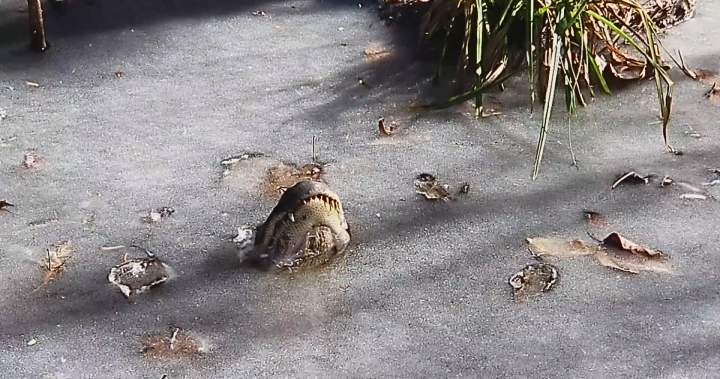
The image of an alligator in a snowy landscape seems odd, right? You might think they should be basking in the sun instead. This intriguing topic not only challenges what you think you know about these reptiles but also keeps you on the edge of your seat, eager to discover more.
Stick around as we dive into the fascinating world of alligators and uncover their surprising survival secrets in the cold.

Credit: www.timesnownews.com
Alligator Habitat And Climate
Alligators live in warm places with lots of water. They need a good habitat to survive.
The climate affects where alligators can live. Cold weather can be hard for them.
Native Regions
Alligators mostly live in the southeastern United States. They like swamps, rivers, and lakes.
They are found in states like Florida, Louisiana, Georgia, and Alabama. These places have warm weather most of the year.
- Florida
- Louisiana
- Georgia
- Alabama
- Mississippi
Typical Temperature Range
Alligators prefer temperatures between 75°F and 95°F. They are cold-blooded and need warmth.
When temperatures drop below 50°F, alligators become less active. They slow down and may stop eating.
- Ideal range: 75°F to 95°F
- Less active below 70°F
- Very slow below 50°F
- Can survive short cold spells by slowing metabolism

Credit: www.newsbreak.com
Cold Weather Impact On Alligators
Alligators live mostly in warm climates. Cold weather can be hard for them. Their survival depends on how they handle low temperatures.
This article looks at how cold weather affects alligators. It focuses on their behavior and body changes during cold spells.
Behavioral Changes
Alligators change their behavior to survive cold weather. They move less and find warm places to stay.
- They stay in water that is warmer than the air.
- Alligators dig burrows or use dens to avoid cold winds.
- They slow down their movements to save energy.
- Alligators sometimes bask in the sun to raise body heat.
- They reduce feeding because their digestion slows down.
Physiological Responses
Cold weather causes changes inside alligator bodies. These changes help them survive but slow down their functions.
| Response | Effect |
| Lowered Metabolism | Less energy used, slower body processes |
| Reduced Heart Rate | Conserves oxygen and energy |
| Decreased Movement | Limits energy use and injury risk |
| Temporary Immobility | Can enter a state like hibernation called brumation |
Brumation: Alligator Hibernation
Alligators are cold-blooded animals. They cannot keep their body warm like mammals. When the weather gets cold, they slow down a lot. This process is called brumation, which is like hibernation for reptiles.
During brumation, alligators rest and use less energy. This helps them survive cold weather when food is hard to find. Let’s learn more about brumation and how alligators manage it.
What Is Brumation?
Brumation is a state where reptiles become very inactive in cold months. It is not exactly like sleep but close. Their body functions slow down to save energy. They eat little or no food during this time.
How Alligators Enter Brumation
Alligators sense the drop in temperature and prepare for brumation. They look for safe places like burrows or underwater dens. These spots keep them safe from freezing air and predators.
- Alligators reduce activity as the air gets cooler.
- They stop eating and drinking as much.
- Alligators find shelter in mud or caves.
- They stay mostly underwater to keep warm.
Duration And Survival Mechanisms
Brumation can last for weeks or months depending on the cold. Alligators survive by slowing their heart rate and breathing. Their body uses stored fat for energy. They wake up if the temperature rises.
| Survival Mechanism | Description |
| Slow Heart Rate | Reduces energy use during cold months |
| Low Breathing Rate | Keeps oxygen use minimal |
| Fat Stores | Provides energy when food is scarce |
| Safe Shelter | Protects from freezing and predators |
Adaptations For Cold Survival
Alligators live in warm places but can face cold weather sometimes. They have special ways to survive the cold. These adaptations help them stay alive even when temperatures drop.
This article explains how alligators slow down their body, use mud and water, and control their breathing to survive cold times.
Metabolic Slowdown
Alligators lower their metabolism in cold weather. This means their body uses less energy. Their heart rate and breathing slow down. This helps them save energy when food is hard to find.
By slowing down, alligators can stay still for a long time. They do not need to eat much. This helps them survive in cold months.
Use Of Mud And Water
Alligators hide in mud or water to stay warm. Mud acts like a blanket and keeps the cold air away. Water helps keep their body temperature steady.
In winter, they often dig into mud at the bottom of ponds or lakes. This protects them from freezing air and cold winds.
Breathing Techniques
Alligators control their breathing to save energy in cold weather. They breathe very slowly and can hold their breath for a long time. This reduces heat loss from their body.
They also come up for air quietly and slowly. This helps them avoid predators and stay safe during cold seasons.
Limits Of Cold Tolerance
Alligators live mostly in warm climates, but cold weather can affect them. Their bodies are not built to handle freezing temperatures for long. Understanding their cold limits helps us learn how they survive in colder places.
This section explores the temperature levels alligators can tolerate and the dangers they face from cold weather. It shows why cold conditions can be risky for these reptiles.
Temperature Thresholds
Alligators start to feel cold when temperatures drop below 70°F (21°C). They become sluggish and slow down their movements. At around 50°F (10°C), they enter a state called brumation, similar to hibernation.
- Above 70°F (21°C): Active and alert
- 50°F to 70°F (10°C to 21°C): Slowed activity
- Below 50°F (10°C): Brumation state
- Below 32°F (0°C): Risk of freezing and death
Risks Of Prolonged Exposure
Long exposure to cold temperatures harms alligators. Their body functions slow down, and they cannot hunt or digest food well. Cold can also cause tissue damage and increase the chance of disease.
| Risk | Effect | Temperature Range |
| Reduced movement | Slower response to threats | 50°F to 70°F (10°C to 21°C) |
| Brumation stress | Lower metabolism and energy | Below 50°F (10°C) |
| Tissue freezing | Cell damage and possible death | Below 32°F (0°C) |
| Increased illness | Weakened immune system | Prolonged cold periods |
Credit: www.charlotteobserver.com
Impact Of Climate Change
Alligators usually live in warm places. Climate change affects their home areas. It also changes the weather they face.
This shift in climate makes survival hard for alligators in cold weather. We will look at how their habitat changes and the problems they face in cold regions.
Shifts In Habitat Range
Alligators move to new places as temperatures rise. They head to cooler zones that suit them better.
- Alligators extend their range northward.
- Some wetlands become too warm or dry.
- New areas may lack food or shelter.
- Competition with other animals increases.
Challenges In Cold Regions
In cold places, alligators face many problems. Their body slows down in low temperatures.
| Challenge | Effect on Alligators |
| Freezing temperatures | Can cause illness or death |
| Limited food | Less energy for survival |
| Long winters | Longer hibernation periods |
| Habitat loss | Fewer safe places to live |
Human Interaction And Conservation
Alligators live mostly in warm places. Cold weather can hurt them. People play a big role in helping alligators survive cold times.
Conservation efforts focus on keeping alligator homes safe. These efforts help alligators live through cold winters and keep their numbers strong.
Protecting Cold-affected Populations
Cold weather can slow down alligators. They move less and eat less. This makes them weak and easy to hurt.
People help by keeping their habitats clean and safe. Removing trash and stopping pollution keeps water healthy for alligators.
- Keep wetland areas free from pollution
- Avoid disturbing alligators during cold months
- Report sick or frozen alligators to wildlife experts
Role Of Wildlife Management
Wildlife managers watch alligator numbers and health. They study how cold affects alligator populations. This helps plan better protection.
They also create safe zones. These zones give alligators places to stay warm and safe during cold spells.
- Monitor alligator health in cold seasons
- Protect important wetland habitats
- Educate the public about alligator safety
Frequently Asked Questions
Can Alligators Survive Freezing Temperatures?
Alligators cannot survive prolonged freezing temperatures. They enter brumation, slowing metabolism and hiding in mud or water. This helps them endure cold spells but not extreme freezes.
How Do Alligators Adapt To Cold Weather?
Alligators adapt by reducing activity and slowing metabolism during cold. They seek warm water or burrow in mud to stay insulated and conserve energy.
What Happens To Alligators In Winter?
In winter, alligators enter brumation, a hibernation-like state. They remain mostly inactive and rely on stored energy until temperatures rise.
Do Alligators Migrate To Warmer Areas?
Alligators do not migrate long distances. They usually stay in their habitat, using brumation to survive cold periods instead of relocating.
Conclusion
Alligators can survive cold weather by slowing down their bodies. They enter a state called brumation, like hibernation but not as deep. They stay underwater or in mud to keep warm. Their metabolism drops, so they need less energy. Cold weather still challenges them, but they adapt well.
These reptiles live mostly in warm places but handle cold times carefully. Understanding their survival helps us respect their nature more. Alligators show how animals can adjust to changing environments. Nature’s way of coping with cold is truly amazing.