How Did the Cavemen Survive Cold Weather: Secrets Revealed
Imagine stepping outside into a world where the cold bites into your skin, where there are no heated homes or warm clothing to shield you. This was the reality for our ancient ancestors, the cavemen.
They faced freezing temperatures without the modern comforts we take for granted. You might wonder, how did they manage to survive such harsh conditions? What secrets did they hold to endure the cold? By understanding their survival tactics, you can gain insights into human resilience and adaptability.
Dive into their world and discover the ingenious ways they tackled the chilling challenges of their time. Keep reading, and you’ll unlock the fascinating strategies that helped them thrive in an unforgiving environment.

Credit: m.youtube.com
Cavemen’s Cold Climate Challenges
Cavemen faced many problems during cold weather. They lived in a time called the Ice Age. The cold was fierce and lasted for many years.
Surviving meant dealing with freezing temperatures, finding shelter, and searching for food. They had to be very strong and smart to live through such hard times.
Harsh Ice Age Conditions
The Ice Age was very cold and snowy. Huge glaciers covered much of the land. Temperatures dropped far below freezing. The weather was often windy and harsh.
Limited Shelter Options
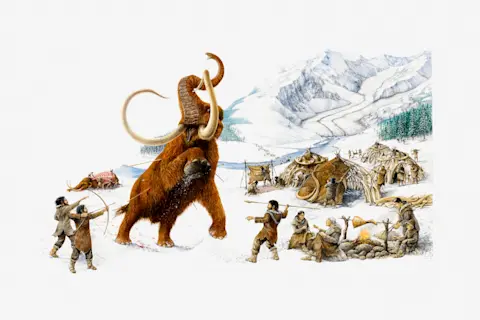
Cavemen had few places to stay warm. They used caves when they could find them. Sometimes they made simple huts from animal skins and wood.
- Caves offered protection from wind and snow.
- Animal skins helped block cold air.
- Wood and bones were used to build simple shelters.
- Fire was very important for warmth inside shelters.
Scarce Food Resources
Finding food during the Ice Age was tough. Many plants did not grow in cold weather. Animals were fewer and harder to catch.
| Food Source | Availability |
| Large animals (mammoths, bison) | Seasonal and rare |
| Small animals (rabbits, birds) | More common but hard to catch |
| Roots and berries | Limited to short warm periods |
| Fish | Available near unfrozen water |
Credit: www.discovermagazine.com
Clothing And Body Adaptations
Early humans faced harsh cold climates with little shelter. They had to find ways to stay warm. Clothing and body changes helped them survive.
Using what nature gave them, cavemen created clothes and adapted physically. These changes kept their bodies warm in freezing weather.
Animal Skins And Fur Usage
Cavemen used animal skins and fur to make warm clothing. These materials blocked cold wind and kept body heat inside.
They hunted animals with thick fur. They removed the skin carefully to use it as coats, hats, and blankets.
- Animal skins were soft and insulating
- Fur helped trap warm air close to the body
- Different skins were used for different seasons
- Skins were sewn together using bones or thorns
Layering Techniques
Cavemen layered their clothes to stay warmer. Layering helped keep heat trapped between clothes.
They wore several skins on top of each other. This stopped cold air from reaching their skin.
- Inner layers absorbed sweat and kept skin dry
- Middle layers trapped heat to warm the body
- Outer layers protected against wind and rain
- Layering made clothing more flexible and warm
Physical Adaptations To Cold
Early humans also changed physically to survive cold. Their bodies adapted over time to handle low temperatures.
They developed features that helped keep heat inside and cold outside.
- Shorter limbs reduced heat loss
- More body fat acted as natural insulation
- Thicker skin helped protect from cold air
- Increased metabolism produced more body heat
Fire’s Vital Role
Fire helped cavemen survive cold weather long ago. It gave them warmth and light.
Fire also helped them cook food and stay safe from wild animals.
Discovery And Control Of Fire
Cavemen first found fire from lightning or burning trees. They learned how to keep it alive.
Controlling fire was a big step. It gave them power over cold nights and darkness.
Fire For Warmth And Cooking
Fire kept cavemen warm during cold weather. It stopped their bodies from getting too cold.
Cooking food on fire made it easier to eat and safer. It also helped their bodies get more energy.
- Warmth stopped frostbite and illness
- Cooked food was softer and tastier
- Fire helped dry clothes and tools
Social Gatherings Around Fire
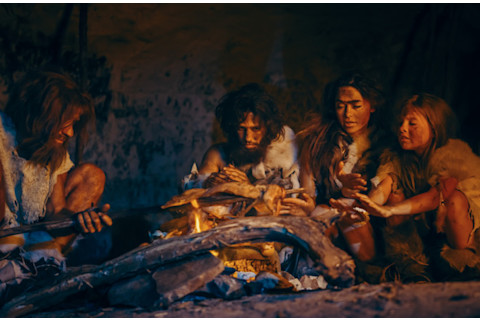
Cavemen sat around fire to stay warm and safe. Fire was a place for talking and sharing stories.
Gathering around fire helped build trust and teamwork among people. It made their group stronger.

Credit: www.discovermagazine.com
Shelter Construction
Cavemen needed strong shelters to stay warm in cold weather. They used natural places or built simple homes. These shelters helped keep out cold wind and rain.
Good shelters were important for survival. They gave protection and a safe place to rest during harsh winters.
Natural Caves And Rock Shelters
Caves and rock shelters were ready-made homes for cavemen. These places blocked cold winds and rain. They were dry and safe from animals.
Using natural shelters saved time and effort. Cavemen chose caves with small entrances to keep warmth inside.
Building Huts And Windbreaks
Cavemen built huts using wood, bones, and animal skins. These huts were small and close to the ground to keep heat.
They also made windbreaks from branches or stones. Windbreaks stopped cold air from hitting their shelters directly.
- Huts made with wood and skins
- Windbreaks built with branches or stones
- Small entrances to keep heat inside
Insulation Methods
Cavemen used natural materials to keep warm inside shelters. They added leaves, grass, or animal fur for insulation.
These materials stopped cold air and kept warmth near their bodies during sleep or rest.
- Leaves and grass to cover floors and walls
- Animal fur or skins as blankets or wall covers
- Layering materials to trap warm air inside
Diet And Nutrition Strategies
Cavemen faced cold weather that made food hard to find. They used smart diet and nutrition habits to stay strong.
They focused on foods that gave them energy and helped them survive harsh winters.
Hunting Large Mammals
Cavemen hunted big animals like mammoths and bison. These animals gave lots of meat and fat.
Fat was important because it kept them warm and gave energy for long hunts.
- Used tools like spears and traps
- Hunted in groups for safety
- Ate meat and fat to stay warm
Foraging For High-energy Foods
Cavemen gathered nuts, seeds, and berries with lots of calories. These foods helped fill their energy needs.
They also ate roots and tubers that grew underground and stayed fresh in cold weather.
- Nuts and seeds for healthy fats
- Berries for vitamins and sugars
- Roots for fiber and energy
Food Preservation Techniques
Cavemen stored food to last through winter. They used cold air and drying to keep food safe.
They hung meat to dry or buried it in snow. This slowed spoilage and kept food edible longer.
- Drying meat and fish in cold air
- Freezing food in snow or ice
- Burying food underground to keep cool
Community And Cooperation
Cavemen faced cold weather that was hard to survive alone. They lived in groups to help each other stay safe and warm.
Working together made it easier to find food, share warmth, and protect against dangers. Their strong community bonds were key to survival.
Sharing Resources
Cavemen shared food, firewood, and shelter to help everyone survive the cold. Sharing made sure no one went hungry or cold alone.
They gave the extra food from hunts to the group. This sharing helped weaker members like children and elders stay alive.
- Food was divided among the group
- Firewood was collected and shared
- Warm shelter was used by everyone
Group Hunting Tactics
Cavemen hunted in groups to catch large animals. Teamwork made hunting safer and more effective in cold weather.
They planned their hunts and used simple tools together. Group hunting helped provide enough food for the whole community.
- Hunting in groups increased success rates
- They used coordinated attacks on animals
- Shared the catch among all members
Passing Down Survival Skills
Older cavemen taught younger ones how to survive cold weather. Sharing knowledge helped the whole group live through hard times.
Skills like making fire, building shelters, and finding food were passed down. Learning these skills was important for community survival.
- Fire-making techniques were taught to youth
- Shelter building skills were shared
- Hunting and gathering methods were passed down
Frequently Asked Questions
How Did Cavemen Keep Warm During Ice Ages?
Cavemen used animal skins and furs to stay warm. They built shelters to block wind and retain heat. Fire was essential for warmth and cooking, helping them survive harsh cold climates effectively.
What Materials Did Cavemen Use For Cold Weather Clothing?
Cavemen primarily wore animal hides and fur. These materials provided excellent insulation against cold temperatures. They crafted clothing by tanning hides and sewing fur to protect themselves from freezing conditions.
How Did Cavemen Build Shelters For Cold Weather?
Cavemen used natural materials like wood, bones, and animal skins. They built huts or used caves to shield from wind and snow. These shelters trapped heat and kept them safe during cold weather.
Did Cavemen Use Fire To Survive Cold Weather?
Yes, fire was crucial for cavemen’s survival. It provided warmth, light, and a way to cook food. Fire also helped keep predators away and made cold environments more habitable.
Conclusion
Cavemen survived cold weather by using simple, smart methods. They wore animal skins to keep warm. They built shelters to protect themselves from wind and snow. Fire was their best friend for heat and cooking. They hunted and gathered food to stay strong.
Their survival showed how humans can adapt to nature. Learning from their ways helps us appreciate human strength. Survival depends on using what’s around you. Cavemen prove that with courage and care, people can live through tough times.