How Does Florida Survive Hurricanes: Proven Strategies Unveiled
When you think of Florida, you might picture sunny beaches and vibrant nightlife. But there’s another side to the Sunshine State—its resilience against hurricanes.
Year after year, Florida faces the wrath of these powerful storms, yet it stands strong. How does it manage? If you’re curious about the strategies, technologies, and community efforts that keep Florida safe and thriving, you’re in the right place.
Understanding these methods might change how you view natural disasters and could even inspire you to apply some of these tactics in your own life. Ready to uncover Florida’s secrets to surviving hurricanes? Keep reading, and prepare to be amazed by the ingenuity and spirit of this remarkable state.
Florida’s Hurricane Threat
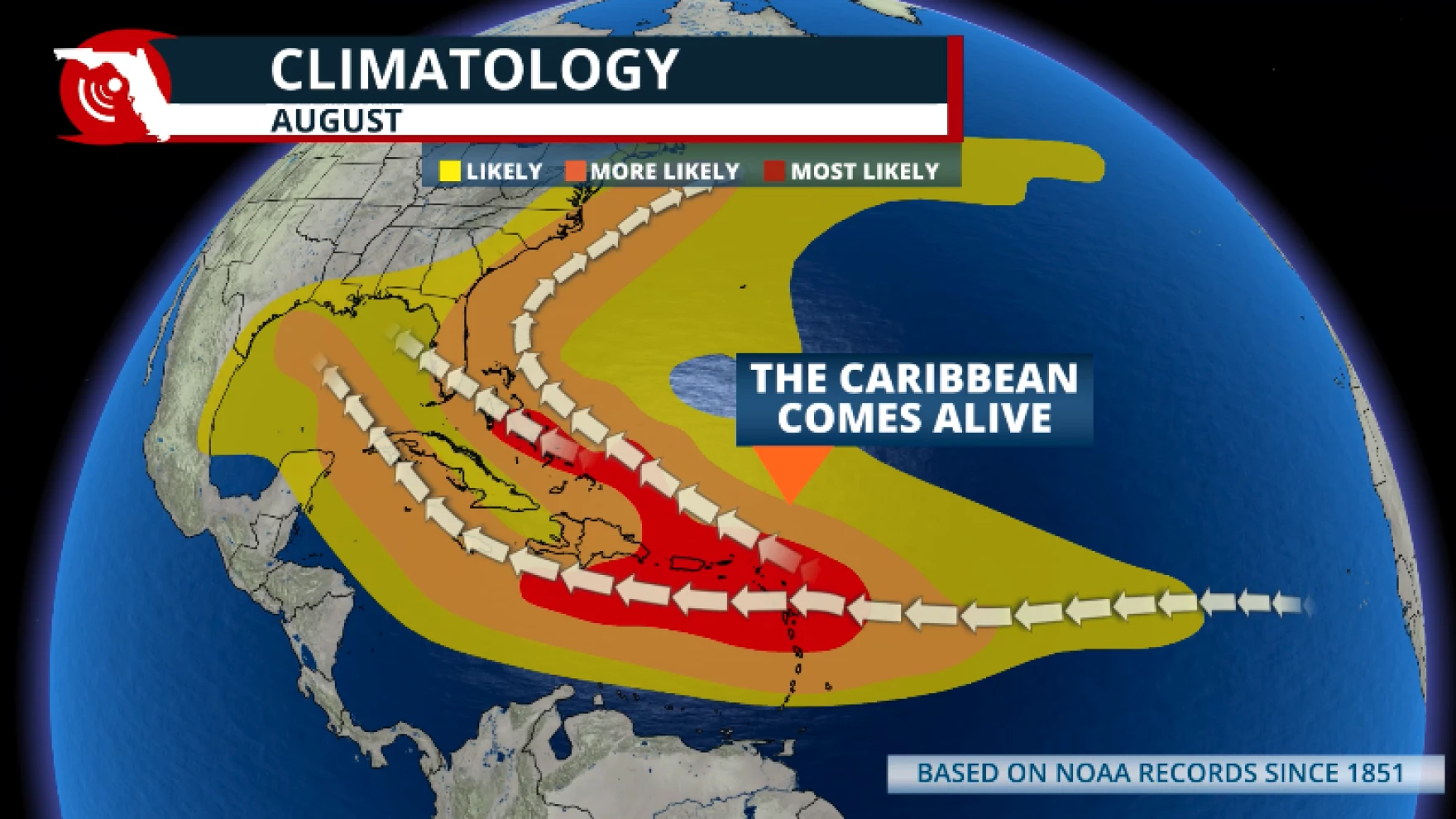
Florida faces a high risk of hurricanes each year. These storms bring strong winds and heavy rain.
People and communities work hard to prepare and survive these powerful storms.
Frequency And Impact
Florida gets hit by hurricanes more than most states. On average, storms come every few years.
Hurricanes cause damage to homes, roads, and power lines. Flooding is a common problem after storms.
- Strong winds can tear roofs off buildings
- Heavy rain leads to flooding in many areas
- Power outages often last days or weeks
Vulnerable Regions
Coastal areas are the most at risk from hurricanes. Storm surge can flood beaches and nearby towns.
South Florida and the Keys often face the strongest storms. Inland areas can also have heavy rain and wind.
- Miami and Fort Lauderdale on the southeast coast
- Tampa Bay area on the west coast
- The Florida Keys and southern tip of the state
Building Resilient Infrastructure
Florida faces hurricanes every year. Building strong infrastructure helps protect homes and cities. The state uses smart designs to withstand strong winds and flooding.
Good planning and sturdy construction lower damage. Flood control systems keep water from rising too high. These methods save lives and reduce repair costs.
Storm-resistant Construction
Buildings in Florida use materials that resist high winds and flying debris. Roofs are tied tightly to walls. Windows have shutters or impact glass to prevent breakage.
- Use reinforced concrete or steel frames
- Install hurricane straps on roofs
- Seal openings to avoid water leaks
- Build elevated foundations to reduce flood risk
Flood Control Systems
Florida has many systems to manage flood waters during hurricanes. Levees, pumps, and canals help move water away from homes and streets. These systems work together to reduce flooding damage.
| Flood Control Method | Purpose | Example Location |
| Levees | Block rising water | Miami-Dade County |
| Pump Stations | Remove excess water | Orlando Area |
| Canals | Drain water to rivers | Everglades Region |
Early Warning Systems
Florida faces hurricanes every year. Early warning systems help keep people safe.
These systems give time to prepare and evacuate before storms arrive.
Advanced Weather Monitoring
Florida uses high-tech tools to watch hurricanes closely. Satellites track storms from space.
Radar systems scan the sky to spot rain and wind changes. Weather stations measure pressure and temperature.
- Satellites provide real-time images of storms
- Radar detects storm size and path
- Weather stations gather local data
- Computer models predict hurricane movements
Public Alert Mechanisms
Florida sends alerts to warn people about hurricanes. These alerts help residents act quickly.
Multiple channels share warnings to reach many people fast. Alerts include TV, radio, and phone messages.
- Emergency broadcasts on TV and radio
- Text messages and phone calls
- Social media updates from officials
- Outdoor sirens in some areas
Credit: www.wmnf.org
Community Preparedness
Florida faces hurricanes every year. The state relies on strong community plans to stay safe. People work together to prepare before storms hit.
Being ready helps reduce damage and saves lives. Community preparedness includes clear plans, supplies, and training for all residents.
Evacuation Plans
Evacuation plans guide people to leave danger zones safely. Florida has maps and routes for quick exit during hurricanes. Local officials share these plans with residents.
- Know your evacuation zone
- Plan your route ahead of time
- Arrange transportation if needed
- Identify shelters nearby
- Keep important documents ready
Emergency Supplies
Every household should have emergency supplies. These items support families during power outages and storms. Supplies include food, water, and first aid.
| Item | Recommended Amount |
| Water | One gallon per person per day for 3 days |
| Non-perishable food | At least 3 days supply |
| Flashlight and batteries | Multiple sets |
| First aid kit | Complete with medicines |
| Battery-powered radio | One unit |
| Cash | Small bills and coins |
Education And Drills
Education helps people understand hurricane risks. Schools and communities hold drills to practice safety steps. These activities make sure everyone knows what to do.
Common drill activities include:
- Evacuation walkthroughs
- Emergency communication tests
- First aid training sessions
- Storm shelter location tours
Government Response And Coordination
Florida faces hurricanes with careful planning and quick action. The government plays a big role in keeping people safe. They work before, during, and after storms to manage risks and help communities recover.
Coordination between agencies is key. It helps make sure resources reach the right places at the right time. This teamwork saves lives and speeds up recovery.
Disaster Management Agencies
Many agencies in Florida prepare for hurricanes. They have clear roles to protect citizens and property. Some agencies focus on emergency response while others plan long-term recovery.
- Florida Division of Emergency Management (FDEM)
- Federal Emergency Management Agency (FEMA)
- Local county emergency offices
- National Weather Service (NWS)
- American Red Cross and other nonprofits
Interagency Collaboration
Agencies share information constantly. They use communication tools to stay connected during storms. This helps avoid confusion and duplication of efforts.
| Agency | Role | Coordination Method |
| FDEM | Statewide planning and response | Emergency Operations Center |
| FEMA | Federal support and funding | Joint Field Office |
| Local Offices | Community alerts and shelters | Local Emergency Operations Center |
| NWS | Storm tracking and forecasts | Real-time weather updates |
Post-storm Recovery
After a hurricane, recovery begins quickly. The government helps repair homes, roads, and power lines. They also provide aid to people who lost their belongings.
- Assess damage and needs
- Distribute emergency aid
- Restore critical services
- Support long-term rebuilding
- Provide mental health resources

Credit: www.miamiherald.com
Environmental Strategies
Florida faces many hurricanes every year. The state uses nature to help protect people and homes.
Environmental strategies reduce damage by using natural land and water features.
Wetlands And Natural Barriers
Wetlands act like sponges during storms. They absorb floodwater and slow down wind.
Natural barriers like dunes and mangroves block storm surges from reaching inland areas.
- Wetlands reduce flood damage by holding excess water
- Mangroves protect shorelines from waves and wind
- Dunes serve as walls against rising waters
Coastal Restoration Projects
Florida restores beaches and wetlands to keep its natural defenses strong. These projects rebuild damaged areas.
Planting native vegetation and adding sand help rebuild dunes and wetlands for better protection.
- Replacing lost sand on beaches
- Planting trees and grasses to stabilize soil
- Cleaning and restoring wetlands to improve water flow
Technological Innovations
Florida uses new technology to prepare for hurricanes. These tools help save lives and reduce damage.
Technology improves how the state predicts storms and talks to people during emergencies.
Data Analytics In Prediction
Data analytics helps experts study weather patterns and predict hurricanes early. This gives more time to get ready.
Computers analyze large amounts of data from satellites and sensors. This improves forecast accuracy.
- Track storm paths and speed
- Estimate storm strength
- Predict rainfall and flooding
- Help emergency teams plan evacuations
Communication Technologies
Communication tools help Florida share warnings fast. These tools reach many people through phones, radios, and TVs.
Social media and apps also send alerts and safety tips. This keeps residents informed before and after storms.
- Emergency alert systems
- Mobile phone notifications
- Radio and TV broadcasts
- Social media updates

Credit: www.npr.org
Lessons From Past Hurricanes
Florida faces hurricanes almost every year. Each storm teaches important lessons.
These lessons help improve safety and reduce damage in the future.
Case Studies
Past hurricanes like Andrew and Irma showed where Florida was weak. These storms caused major damage and loss.
- Hurricane Andrew in 1992 hit hard and exposed poor building codes.
- Hurricane Charley in 2004 tested emergency response times.
- Hurricane Irma in 2017 showed the need for better evacuation plans.
Improvements Over Time
Florida used lessons from past storms to improve safety and response.
| Year | Improvement | Impact |
| 1994 | Stronger building codes | Buildings better withstand wind |
| 2006 | Enhanced evacuation plans | Faster and safer evacuations |
| 2018 | Upgraded emergency alerts | More accurate and timely warnings |
Frequently Asked Questions
How Does Florida Prepare For Hurricanes Annually?
Florida invests heavily in hurricane preparedness through early warning systems, evacuation plans, and community education. Building codes are strictly enforced to withstand strong winds, and emergency supplies are stockpiled to protect residents and infrastructure.
What Role Do Florida’s Building Codes Play In Hurricane Survival?
Florida’s building codes require structures to be wind-resistant and flood-proof. These regulations minimize damage during hurricanes, protecting homes and businesses. Regular updates ensure the codes adapt to evolving storm risks, enhancing overall resilience.
How Does Florida’s Emergency Management Respond To Hurricanes?
Florida’s emergency management coordinates evacuation orders, shelters, and relief efforts. They use advanced forecasting to inform decisions, ensuring timely responses. Collaboration with federal and local agencies speeds recovery and protects public safety.
Why Is Community Awareness Crucial In Florida’s Hurricane Strategy?
Community awareness educates residents on risks, safety measures, and evacuation routes. Informed citizens respond quickly, reducing casualties and property damage. Public drills and communication campaigns boost preparedness and resilience.
Conclusion
Florida stays strong through hurricanes by preparing well ahead. People build homes with tough materials and follow strict rules. Emergency teams act fast to protect lives and property. Communities share information and help each other recover quickly. Nature’s power is big, but careful planning makes a difference.
Each storm teaches lessons that improve safety for next time. Staying alert and ready helps Florida survive these storms every year. Safety and teamwork keep hope alive during hurricane season.