Can Snails Survive Cold Weather: Surprising Facts Revealed
Have you ever wondered what happens to snails when the temperature drops? These little creatures, often seen leaving trails of slime on garden paths, face a tough challenge when cold weather arrives.
You might be surprised to learn how they cope with chilly conditions. Whether you are a gardener worried about your plants or simply curious about nature, understanding how snails survive in the cold can be both fascinating and useful. Get ready to uncover the surprising strategies snails use to brave the winter months and discover why their survival tactics might just change the way you think about these humble gastropods.
Keep reading to unravel the mysteries of snail life in cold weather and find out what you can do to help them thrive.

Credit: www.sydney.edu.au
Snail Biology And Cold Sensitivity
Snails are soft-bodied animals with shells. They need moist places to live.
Cold weather affects snails differently than warm weather. Their biology makes them sensitive to cold.
Snail Physiology Basics
Snails have soft bodies covered by a hard shell. Their body fluids can freeze in cold.
They breathe through gills or a lung-like part. Their movement slows down in cold temperatures.
- Soft body needs moisture to avoid drying out
- Shell protects but does not stop cold
- Low body temperature slows all body functions
Temperature Impact On Snail Activity
Snails become less active as temperatures drop. They may stop moving to save energy.
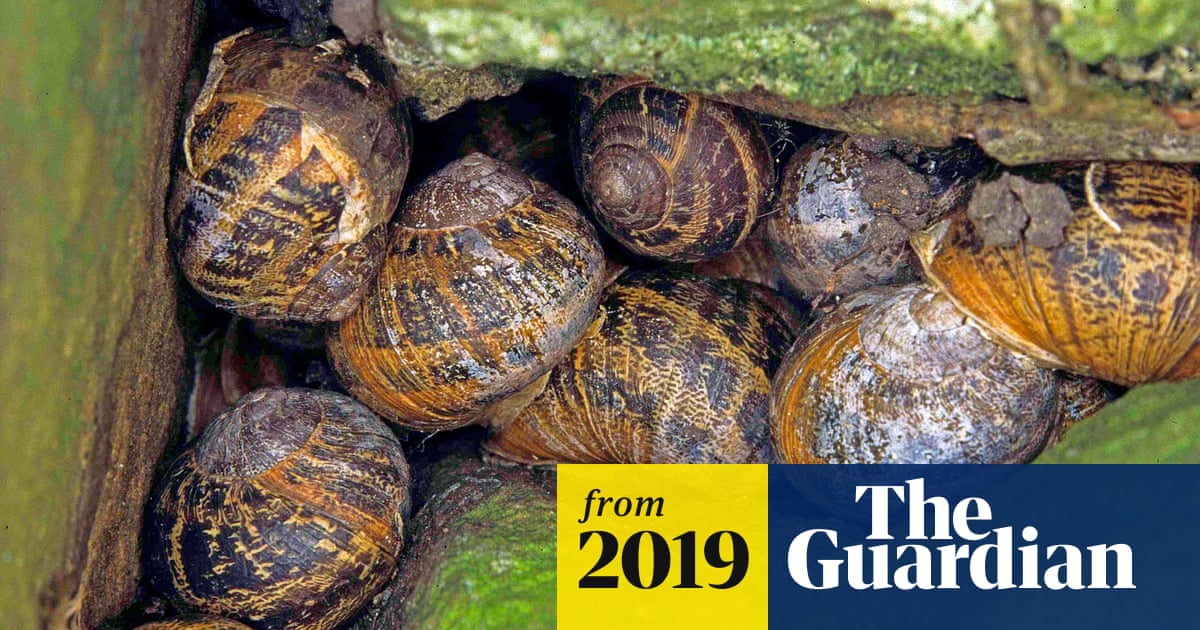
In freezing weather, many snails hide underground or in leaf litter. This helps them avoid ice damage.
- Above 50°F (10°C): Snails are active and feed
- Between 32°F and 50°F (0°C to 10°C): Snails slow down
- Below 32°F (0°C): Snails enter a dormant state

Credit: aquaticmotiv.com
Cold Weather Challenges For Snails
Snails face many problems when cold weather arrives. Their bodies are sensitive to freezing temperatures and dry conditions.
Understanding these challenges helps us learn how snails survive and adapt during cold seasons.
Effects Of Freezing Temperatures
Freezing temperatures can harm snails by causing ice to form inside their bodies. This ice can damage their cells and organs.
- Ice crystals puncture cell walls.
- Body fluids freeze and become toxic.
- Movement and feeding stop.
- Snails enter a state of dormancy to protect themselves.
- Some species produce antifreeze-like substances.
Moisture And Snail Survival
Snails need moisture to survive cold weather. Dry air and frozen ground can make it hard for them to find water.
| Moisture Condition | Effect on Snails |
| High moisture | Snails stay active and healthy |
| Low moisture | Snails become inactive and risk drying out |
| Frozen moisture | Water is unavailable, causing stress |
Snail Adaptations To Cold
Snails are soft animals that live in many places. Cold weather can be hard for them.
They have ways to survive when the temperature drops. These adaptations help them stay alive.
Hibernation And Estivation
Hibernation is when snails sleep through the cold months. They slow down their body to save energy.
Estivation is similar but happens in hot or dry times. Snails stay inside their shells to keep safe.
- Snails close their shells with a layer called epiphragm
- This layer keeps moisture inside and stops freezing
- They stay hidden under leaves or soil during hibernation
- Both hibernation and estivation help avoid harsh weather
Protective Behaviors
Snails use their shells as shields from cold and predators. The shell acts like a warm home.
They often hide in safe spots like under rocks or inside soil. This keeps them warm and hidden.
- Snails choose damp places to avoid freezing
- They reduce movement to save energy
- Some snails produce antifreeze-like chemicals in their bodies
- These chemicals stop ice from forming inside them
Species That Thrive In Cold Climates
Some snail species can survive cold weather. They have special ways to handle freezing temperatures. These snails live in places with cold winters.
They slow down their body functions to save energy. Their shells help protect them from ice and snow. Learning about these snails shows how animals adapt to cold.
Examples Of Cold-resistant Snails
One example is the Arctic snail. It lives in very cold areas near the North Pole. This snail can survive under snow and ice for months.
The white-lipped snail is another cold-resistant species. It lives in northern Europe and can handle temperatures below freezing. It uses its shell to keep warm.
- Arctic snail: survives freezing and snow
- White-lipped snail: lives in cold northern Europe
- Tree snail: burrows in cold soil to avoid frost
Habitat Preferences In Winter
Cold-weather snails choose safe places to spend winter. They hide under leaves, rocks, or soil. These spots protect them from cold winds and ice.
Some snails burrow deep into the ground. Others stay inside hollow logs or under tree bark. These habitats keep snails moist and warm enough to survive.
- Under leaf litter to stay hidden
- Buried in soil to avoid freezing
- Inside logs or bark for warmth
- Under rocks to block cold wind
Human Impact On Snail Winter Survival
Snails face many challenges during cold weather. Human activities change their chances of survival. We affect where they live and how safe they are in winter.
Understanding our impact helps protect snails. It also helps keep nature balanced in cold seasons.
Urban Vs. Wild Environments
Urban areas change snail habitats a lot. Buildings, roads, and pollution can make winter harsher for snails. Wild environments offer natural shelters and food that help snails survive cold weather better.
- Urban heat can sometimes help snails avoid freezing.
- Pollution in cities may weaken snails’ health.
- Wild areas have leaf litter and logs for shelter.
- Urban cleaning removes natural hiding spots.
- Wild habitats have fewer chemicals harmful to snails.
Conservation And Protection Efforts
People work to protect snails during winter. Conservation efforts focus on keeping habitats safe and clean. Some groups create safe zones where snails can hide and eat.
| Effort | Description | Benefit to Snails |
| Habitat Preservation | Protecting forests and wetlands | More shelters and food |
| Pollution Control | Reducing chemicals and waste | Healthier living conditions |
| Urban Green Spaces | Planting gardens and parks | Safe areas in cities |
| Public Education | Teaching about snail care | Less harm from humans |
Tips For Helping Garden Snails In Winter
Garden snails face cold weather challenges. They need help to survive winter. You can create safe spots and keep their environment moist.
This guide shows easy ways to protect your garden snails during cold months. Follow simple steps to support their health.
Creating Shelters
Snails need shelter to stay warm and safe from frost. Providing places to hide helps them survive the cold.
- Place leaves or straw in quiet garden corners
- Use small pots or flowerpots turned upside down
- Create piles of wood or stones for natural cover
- Avoid disturbing these shelters during winter
Maintaining Moisture Levels
Snails need moisture to stay healthy. Dry air and soil can harm them in winter. Keep their habitat damp but not wet.
| Method | How to Do It |
| Watering | Lightly spray the garden in the morning |
| Mulching | Use organic mulch to keep soil moist |
| Shade | Provide shaded areas to reduce evaporation |
Credit: owlcation.com
Frequently Asked Questions
Can Snails Survive Freezing Temperatures Outdoors?
Most snails cannot survive freezing temperatures directly. They enter a state called hibernation or aestivation to protect themselves. Snails produce a protective mucus seal to retain moisture during cold spells. This helps them survive until warmer conditions return.
How Do Snails Protect Themselves In Cold Weather?
Snails protect themselves by retreating into their shells and sealing the opening. This mucus barrier reduces water loss and insulates against cold. Some species burrow into soil or leaf litter for extra warmth. These behaviors increase their chances of surviving cold weather.
Do All Snail Species Tolerate Cold Climates?
Not all snail species tolerate cold climates well. Some tropical snails are highly sensitive to cold and die quickly. Temperate species have developed adaptations like hibernation to survive. The ability to withstand cold varies widely among snail species.
What Happens To Snails During Winter Hibernation?
During winter hibernation, snails drastically reduce their metabolism. They remain inactive, conserving energy and moisture inside their shells. This dormant state helps them survive until temperatures rise. Hibernation is crucial for snail survival in cold regions.
Conclusion
Snails can survive cold weather by slowing down their body functions. They hide in safe places like under leaves or soil. This helps them stay warm and avoid frost damage. Not all snails survive very harsh winters, but many adapt well to cold.
Understanding their survival helps gardeners protect snails in winter. Nature’s ways are simple but effective. Snails show us how life finds a way to endure tough times.