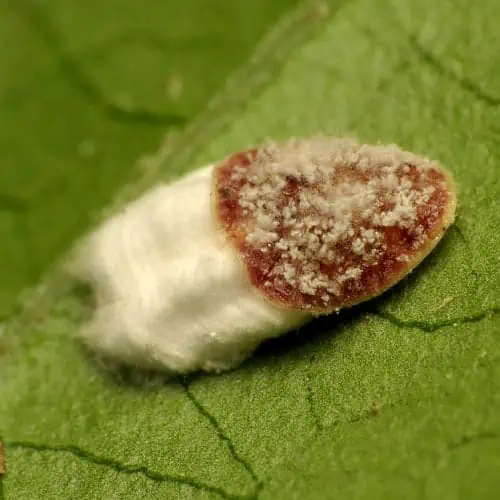
Can Scale Insects Survive Cold Weather? Shocking Truth Revealed!
Are your plants suffering from a mysterious invader? You might be dealing with scale insects.
These tiny pests can wreak havoc on your greenery, sucking the life out of your beloved plants. As the temperature drops, you might wonder if the cold will finally rid you of these pesky creatures. Can scale insects survive cold weather, or will winter be your plants’ saving grace?
This question is crucial for any plant lover or gardener. Understanding how these insects behave in the cold could be the key to protecting your garden. Dive into this article to uncover the truth about scale insects and winter’s role in their life cycle. You’ll discover whether you can rely on the chill to defend your plants or if you need to take action yourself.

Credit: extension.colostate.edu
Scale Insects Basics
Scale insects are small pests that live on plants. They attach to leaves and stems and suck sap. Their presence can weaken or even kill plants.
These insects often look like tiny bumps or scales on plants. They can be hard to spot because of their size and color. Understanding them helps in managing their effects.
Types Of Scale Insects
There are many kinds of scale insects. They differ in shape, size, and color. Some are soft and can move a little. Others have hard shells and stay still.
- Soft scales: These have a waxy covering and can produce honeydew.
- Armored scales: They have a hard outer shell and do not produce honeydew.
- Mealybugs: Covered with a white, powdery wax and often found in clusters.
- San Jose scale: Small, round, and usually gray or black in color.
Life Cycle And Habits
| Stage | Description | Duration |
| Egg | Laid under the female’s scale cover | 1-2 weeks |
| Crawler | Mobile young that search for feeding spots | Few days to 1 week |
| Adult | Settles, feeds, and reproduces | Several weeks to months |
Scale insects mostly stay in one place after the crawler stage. They feed on plant sap and can produce sticky honeydew. This attracts ants and mold.
Cold Weather Effects
Scale insects are tiny pests found on many plants. Cold weather can affect their survival and behavior.
Understanding how cold weather impacts scale insects helps gardeners protect their plants.
Temperature Tolerance
Scale insects survive best in warm conditions. Most cannot live if temperatures drop too low.
Some species can tolerate short cold spells, but long freezes often kill them.
- Most scale insects die below 20°F (-6°C)
- Some can survive brief exposure to 15°F (-9°C)
- Cold tolerance varies by species and stage of life
Impact On Growth And Reproduction
Cold weather slows scale insect growth. They eat less and develop slower in low temperatures.
Reproduction also decreases during cold months. Eggs may not hatch, reducing population size.
- Cold reduces feeding activity on plants
- Growth stages take longer to complete
- Fewer eggs hatch in cold weather
- Populations decline if cold lasts long
Survival Mechanisms
Scale insects face cold weather by using special survival methods. These help them live through low temperatures and harsh winters.
Their ability to survive depends on physical and behavioral changes. These changes protect them from freezing and drying out.
Protective Coatings
Many scale insects have waxy coatings on their bodies. These coatings act as a shield against cold and moisture loss.
- Waxy layers reduce water loss during cold, dry air.
- The coating helps keep body fluids from freezing.
- It also protects against harmful ice crystals forming on their skin.
- Some species thicken the wax in winter for better insulation.
Behavioral Adaptations
Scale insects change their habits to survive cold weather. They choose safe places and slow down their activity.
| Behavior | Purpose |
| Hiding under bark | Blocks wind and cold |
| Clustering together | Keeps warmth in group |
| Entering dormancy | Slows metabolism to save energy |
| Choosing south-facing spots | Maximizes sun warmth |

Credit: extension.colostate.edu
Cold Climate Adaptations
Scale insects face tough challenges in cold weather. They must adapt to survive freezing temperatures and limited food.
These tiny creatures use special strategies to protect themselves. Their survival depends on how well they handle the cold.
Species That Thrive In Cold
Some scale insect species live well in cold climates. They have evolved traits to resist freezing and low humidity.
- They produce antifreeze proteins to stop ice forming inside their bodies.
- Some enter a dormant state during winter to conserve energy.
- Others grow thick wax coverings that trap heat.
- They often reduce activity and feeding in the cold months.
Microhabitats For Shelter
Scale insects find small safe places to hide from cold. These microhabitats help them survive harsh weather.
| Microhabitat | Protection Type | Benefit |
| Bark crevices | Physical barrier | Blocks cold wind and frost |
| Under leaves | Insulation | Keeps warmth and moisture |
| Soil near roots | Temperature buffer | Stable temperatures prevent freezing |
| Plant stems | Wax coating | Reduces heat loss |
Control Strategies In Winter
Scale insects can survive cold weather by hiding on plants. Winter is a good time to control them. You can use different methods to reduce their numbers.
Planning your control strategies early can protect your plants. Using the right steps helps keep scale insects away during winter months.
Preventive Measures
Preventing scale insects in winter starts with good garden care. Remove dead leaves and prune plants to reduce hiding spots. Clean your tools to avoid spreading pests.
- Inspect plants regularly for scale insects.
- Prune branches that have heavy infestations.
- Clean fallen leaves and debris around plants.
- Keep plants healthy with proper watering and fertilizing.
- Avoid over-fertilizing, which can attract pests.
Winter Treatment Options
Winter treatments target scale insects when they are less active. Use dormant oils to smother the pests on trees and shrubs. Apply treatments on dry days with no wind.
| Treatment | Method | Best Time |
| Dormant Oil | Spray on branches and trunks | Late winter before buds open |
| Manual Removal | Scrape scales off plants | Any time in winter |
| Beneficial Insects | Release ladybugs or parasitic wasps | Early spring after winter |

Credit: pondinformer.com
Future Research Directions
Understanding how scale insects survive cold weather is important for protecting crops. Research can help predict their spread as climates change. Scientists must explore new ways to manage these pests effectively.
Future studies should focus on how scale insects adapt to colder climates and how pest control methods can improve. This knowledge will help farmers and gardeners reduce damage.
Climate Change Impact
Climate change affects insect survival and distribution. Warmer winters might help scale insects live longer. Research should track how temperature shifts change their life cycles and numbers.
- Study how rising temperatures affect scale insect survival in cold zones
- Monitor changes in insect population sizes and spread
- Examine the effects of shorter winters on reproduction rates
- Assess risks for new regions becoming suitable habitats
Improved Pest Management
Better pest control requires understanding scale insect behavior and weaknesses. Research should focus on natural predators and eco-friendly treatments. Developing targeted strategies can reduce pesticide use.
| Research Area | Focus | Goal |
| Biological Control | Natural enemies of scale insects | Reduce pest numbers naturally |
| Cold Hardiness | Insect survival mechanisms | Develop timing for treatments |
| Eco-friendly Pesticides | Safe chemical alternatives | Lower environmental impact |
| Monitoring Tools | Detection and tracking methods | Early pest detection and control |
Frequently Asked Questions
Can Scale Insects Survive Freezing Temperatures?
Scale insects can survive mild cold but struggle in freezing temperatures. Extreme cold often kills them or halts their development. They seek shelter on plants or under bark to avoid frost damage.
How Do Scale Insects Adapt To Cold Weather?
Scale insects produce protective coverings and enter dormancy during cold periods. This slows their metabolism and helps them survive until warmer weather returns. Adaptations vary by species and climate conditions.
Do Cold Winters Reduce Scale Insect Populations?
Yes, harsh winters can reduce scale insect numbers significantly. Cold kills eggs and adults, limiting population growth. However, some may survive in protected microhabitats, allowing populations to rebound in spring.
What Plants Are Most Vulnerable To Scale Insects In Winter?
Evergreens and woody plants are often more vulnerable during winter. Scale insects hide in bark crevices and under leaves, causing damage when temperatures rise. Proper winter care helps protect plants from infestations.
Conclusion
Scale insects can survive cold weather, but not all types. Some hide under bark or leaves to stay warm. Others slow down their activity in winter. Harsh cold can still kill many of them. Gardeners should watch plants closely during cold months.
Early action helps keep scale insects under control. Understanding their behavior leads to better garden care. Cold weather is a challenge, but not a guarantee of safety. Stay alert, and protect your plants year-round.