Can My House in Volusia County Fl Survive Hurricane: Expert Tips
Can your house in Volusia County, FL withstand the fierce winds and torrential rains of a hurricane? This question might keep you up at night, especially as hurricane season approaches.
The thought of your home being vulnerable can be overwhelming. You want to ensure your family’s safety and protect your valuable investment. We will explore the essential factors that determine whether your house is hurricane-ready and provide practical tips to fortify it against nature’s wrath.
Imagine the peace of mind you’ll feel knowing your home is prepared for whatever storm might come its way. Keep reading to discover how you can transform concern into confidence.
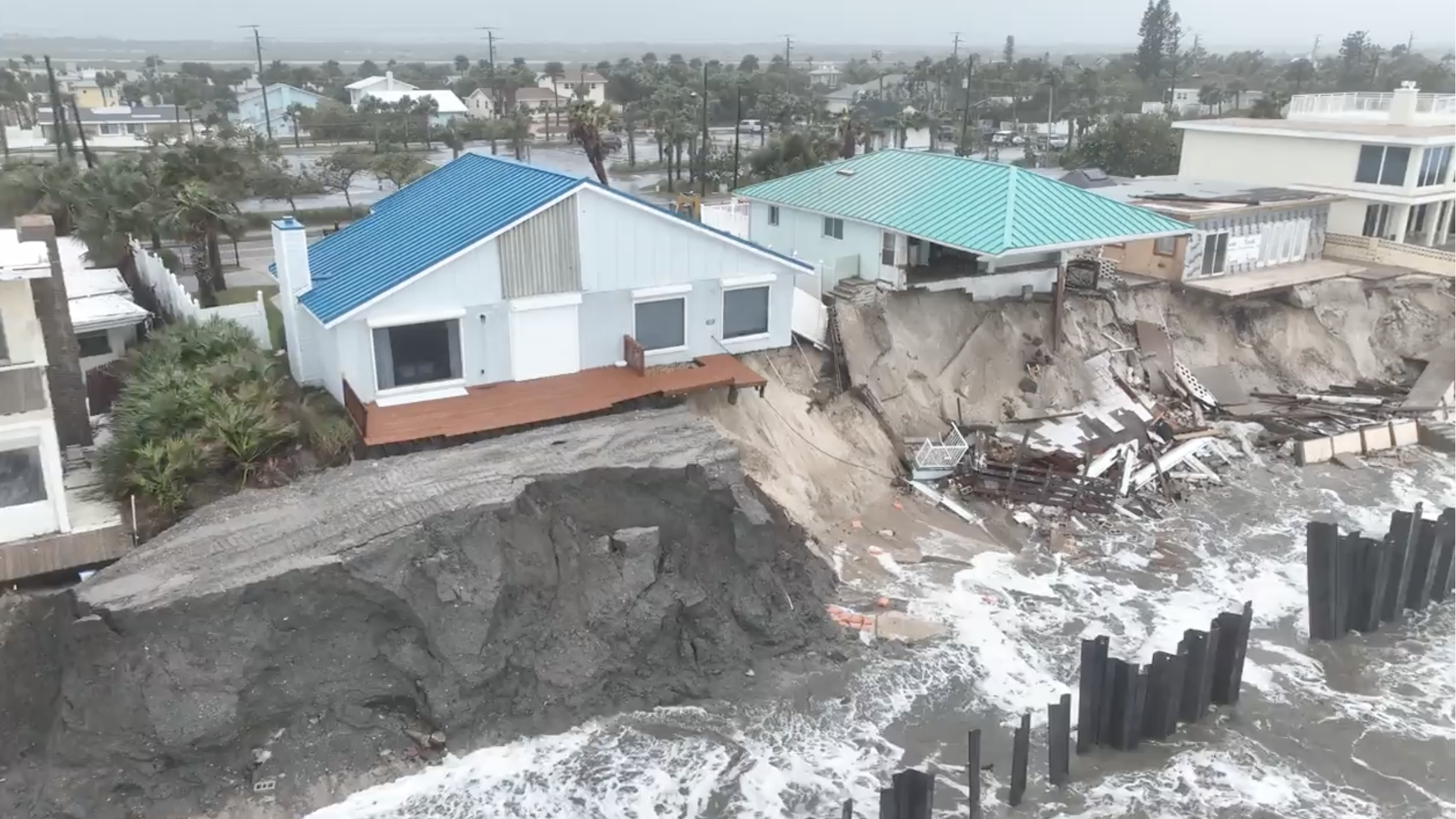
Credit: weather.com
Assessing Hurricane Risks In Volusia County
Volusia County in Florida is near the Atlantic Ocean. This makes it prone to hurricanes and tropical storms.
Knowing how hurricanes have affected the area helps you prepare your home better.
Local Hurricane History
Volusia County has faced many hurricanes over the years. Some storms caused heavy damage and flooding.
Strong hurricanes like Charley in 2004 showed how vulnerable homes can be to wind and rain.
- Hurricane Donna (1960) hit the area hard.
- Hurricane Floyd (1999) brought heavy rain and flooding.
- Hurricane Charley (2004) caused strong winds and damage.
Common Storm Patterns
Storms usually come from the Atlantic Ocean in summer and fall. They often move northwest along the coast.
Wind speeds can increase quickly as hurricanes approach the county. Storm surge and heavy rain are common.
- Storms form from June to November, peaking in August and September.
- Hurricanes often slow down near the coast, increasing rain damage.
- Storm surge can flood low-lying areas near the ocean.
Flood Zones And Impact Areas
Volusia County has flood zones that are more likely to flood during hurricanes.
Homes in low areas or near rivers have higher flood risk. Knowing flood zones helps protect your home.
| Flood Zone | Description | Risk Level |
|---|---|---|
| Zone A | High flood risk, no base flood elevation set | High |
| Zone AE | High flood risk, base flood elevation known | High |
| Zone X | Minimal flood risk | Low |
Structural Strength Of Your Home
Volusia County faces hurricanes regularly. Your home’s strength can protect your family and belongings. Understanding key parts helps you prepare better.
This guide covers materials, roof, windows, and doors. Each part plays a role in resisting strong winds and rain.
Building Materials That Withstand Storms
Choosing the right materials improves your home’s chance to survive a hurricane. Strong materials resist wind and water damage.
- Concrete blocks offer strong resistance and durability.
- Pressure-treated wood resists moisture and decay.
- Steel framing provides flexibility and strength.
- Fiber cement siding resists impacts and moisture.
Roof Integrity And Reinforcement
The roof is your home’s first shield against storms. A strong roof keeps water out and prevents structural collapse.
| Roof Feature | Purpose | Benefit |
| Hurricane straps | Connect roof to walls | Prevents roof uplift |
| Impact-resistant shingles | Resist flying debris | Reduces roof damage |
| Proper flashing | Seal roof edges | Stops water leaks |
| Regular inspections | Check for damage | Fixes prevent failures |
Windows And Doors Protection
Windows and doors are vulnerable during hurricanes. Protecting them reduces wind and water entry.
- Install impact-resistant glass or shutters.
- Use heavy-duty door frames and locks.
- Seal gaps around windows and doors.
- Consider garage door reinforcements.
Preparing Your Home For A Hurricane
Living in Volusia County, Florida means being ready for hurricanes. Preparing your house can reduce damage and keep your family safe.
Start by protecting your home’s outside areas. Small steps now can help your house survive strong winds and heavy rain.
Securing Outdoor Items
Loose items outside can become dangerous during a hurricane. They can fly around and cause damage to your house or neighbors.
Bring in items like patio furniture, grills, and trash cans. If you cannot bring them inside, tie them down with strong ropes.
- Store small items inside
- Tie down large outdoor furniture
- Remove garden tools and decorations
- Secure trash bins with lids
Installing Storm Shutters
Storm shutters protect your windows from flying debris. They reduce the chance of broken glass during high winds.
Choose shutters made of metal or strong plastic. Install them before the storm hits. Practice installing them to save time.
- Check shutter materials for strength
- Measure windows to fit shutters well
- Install shutters securely with screws
- Keep tools ready for quick installation
Reinforcing Garage Doors
Garage doors are weak points in a house during a hurricane. High winds can break them, causing damage inside your home.
Use reinforcement kits or braces to strengthen garage doors. Make sure the door is well-locked and sealed to block wind and water.
- Install horizontal or vertical bracing kits
- Check door tracks and rollers for damage
- Use strong locks or deadbolts
- Seal gaps around the door to stop water
Landscaping Tips For Hurricane Safety
Preparing your yard can help protect your house during a hurricane. Strong winds and heavy rain can cause damage. Smart landscaping reduces risks and keeps your home safer.
Focus on tree care, drainage, and plant choices. These steps lower the chance of damage from storms. Use these tips to make your yard stronger against hurricanes.
Tree Maintenance And Removal
Keep trees trimmed to stop branches from breaking off. Remove dead or weak trees near your house. Strong winds can easily snap old or unhealthy trees.
Check for signs of disease or root damage. Hire a professional if you are unsure. Clearing trees can prevent roof and window damage during storms.
- Trim branches at least 10 feet from your house
- Remove trees that lean toward your home
- Cut back dead or weak limbs regularly
- Inspect trees after storms for new damage
Drainage Solutions
Good drainage stops water from pooling near your house. Water buildup can weaken your foundation. Use landscaping to guide water away safely.
Install gutters and downspouts that lead water far from your home. Consider rain gardens or dry wells to collect excess water. Keep drains clear of leaves and debris.
- Create slopes that direct water away from your foundation
- Use mulch or gravel to improve soil drainage
- Keep gutters clean to avoid blockages
- Add rain barrels to collect roof water
Wind-resistant Plants
Choose plants that can survive strong winds. Short, sturdy plants are less likely to break or uproot. Avoid tall, thin trees near your house.
Use native plants that are used to local weather. These plants need less care and stand up better in storms. Group plants tightly to reduce wind speed near your home.
- Pick low-growing shrubs and ground covers
- Select flexible plants that bend with the wind
- Avoid large leaf plants that catch strong winds
- Plant densely to form wind barriers
Emergency Systems And Backup Plans
Living in Volusia County, Florida, means preparing for hurricanes. Your house needs systems to stay safe during storms. Backup plans help protect your family and home.
Emergency systems include power backups, water and food storage, and safe places to shelter. Each system plays a key role in hurricane survival.
Power Backup Options
Power outages often happen during hurricanes. Backup power keeps your home running when the grid fails. Consider these options:
- Portable generators for short-term power
- Whole-house generators for continuous backup
- Solar panels with battery storage for clean energy
- Uninterruptible power supplies (UPS) for essential electronics
Water And Food Storage
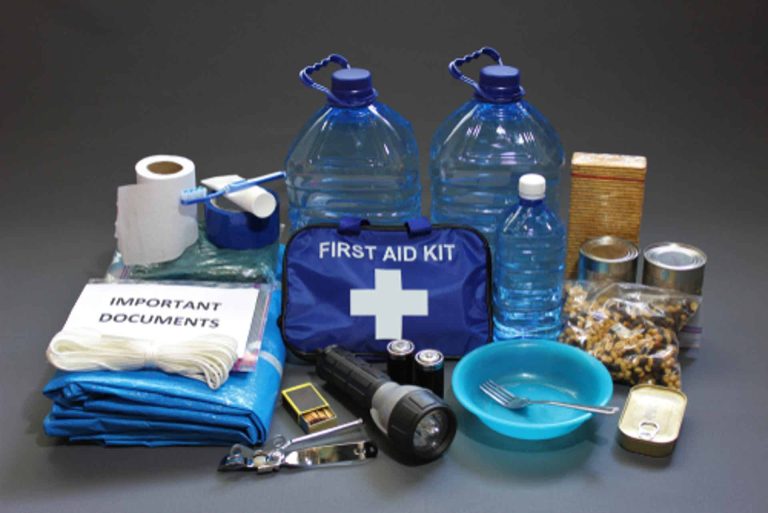
Storms can cut off water and food supplies. Store enough for your family’s needs. Keep water and non-perishable food in a safe, dry place.
| Item | Recommended Amount | Storage Tips |
|---|---|---|
| Drinking Water | 1 gallon per person per day for 3 days | Use clean, sealed containers |
| Non-Perishable Food | 3-day supply per person | Choose canned and dry foods with long shelf life |
| Manual Can Opener | 1 per household | Keep accessible in emergency kit |
| Baby and Pet Supplies | According to needs | Include formula, food, and water |
Safe Rooms And Shelters
Safe rooms protect you from strong winds and flying debris. Use a room built with reinforced walls and a solid door.
- Concrete or steel walls
- No windows or protected windows
- Ventilation system
- Emergency supplies inside
- Easy access for all family members
Insurance And Legal Preparedness
Living in Volusia County means being ready for hurricanes. Knowing your insurance and legal options helps protect your home.
This guide covers key points on insurance coverage, claim filing, and building codes to prepare you for hurricane season.
Homeowners Insurance Coverage
Homeowners insurance can cover damage from hurricanes but policies vary. Check your coverage carefully.
- Verify if wind damage is included.
- Check flood insurance requirements.
- Know your deductible amounts.
- Review coverage limits for repairs and replacements.
- Understand exclusions related to hurricanes.
Filing Claims Post-hurricane
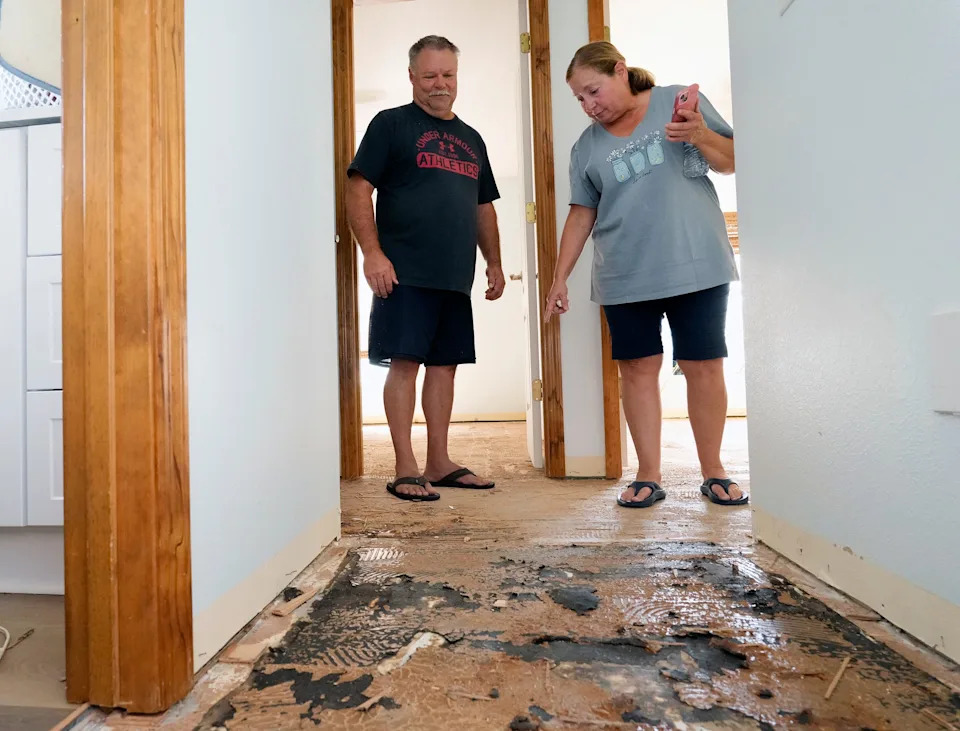
After a hurricane, filing claims quickly helps speed up repairs and payouts. Keep records and photos of damage.
| Claim Step | What to Do |
| Document Damage | Take photos and videos of all damage. |
| Contact Insurer | Call your insurance company immediately. |
| File Claim | Submit claim forms as instructed. |
| Meet Adjuster | Show damage and provide documentation. |
| Track Claim | Follow up regularly for updates. |
Local Building Codes And Compliance
Volusia County has strict building codes to reduce hurricane damage. Make sure your home meets them.
Key code points include:
- Use of hurricane-resistant windows and doors.
- Strong roof attachments and materials.
- Proper foundation anchoring.
- Regular inspections after repairs or upgrades.
Professional Help And Resources
Living in Volusia County means facing hurricane threats. Preparing your home is important. You can get help from experts and local resources.
Professionals can check your house and offer advice. Local services and community groups also support residents during storms.
Hiring Structural Engineers
Structural engineers study your home’s strength. They find weak spots and suggest fixes. Hiring one helps protect your house from hurricane damage.
- Check for licensed engineers in Florida
- Ask for references and past work
- Request a detailed inspection report
- Follow their recommendations for repairs
Volusia County Emergency Services
Volusia County offers emergency help during hurricanes. They provide alerts, shelters, and recovery aid. Knowing their services can keep you safe.
| Service | Contact Info | Details |
| Emergency Alerts | www.volusia.org/alerts | Storm warnings and updates |
| Evacuation Shelters | 386-248-1777 | Safe places during storms |
| Disaster Recovery | 386-736-5927 | Assistance after hurricanes |
Community Support Networks
Neighbors and local groups share resources and help each other. Joining these networks can provide support before and after a hurricane.
- Share storm preparedness tips
- Organize cleanup and repairs
- Provide transportation to shelters
- Offer emotional support during crises

Credit: www.cfpublic.org

Credit: weather.com
Frequently Asked Questions
Can Volusia County Homes Withstand Major Hurricanes?
Volusia County homes built to modern codes are designed to resist hurricane damage. Upgrades like impact windows and reinforced roofs improve survival chances during storms.
What Are Key Hurricane-proof Features For Volusia Houses?
Impact-resistant windows, strong roof attachments, and elevated foundations are crucial. These features reduce wind and flood damage, enhancing your home’s ability to survive hurricanes.
How Can I Prepare My Volusia Home For A Hurricane?
Secure loose items, install storm shutters, and trim trees near your home. Regular maintenance and reinforcing entry points help protect your property during hurricanes.
Is Flood Insurance Necessary For Homes In Volusia County?
Yes, flood insurance is vital due to Volusia’s flood risk. Standard policies don’t cover flood damage, so separate flood insurance offers essential financial protection.
Conclusion
Preparing your house for a hurricane in Volusia County is crucial. Strong winds and heavy rain can cause serious damage. Simple steps can help protect your home and family. Reinforce windows, secure doors, and clear debris around your property. Regular maintenance reduces risks and keeps your house safer.
Stay informed about weather updates and evacuation plans. Safety starts with good preparation and smart choices. Your home’s survival depends on how ready you are. Don’t wait until the storm arrives to act. Small efforts now can make a big difference later.