How to Build a Hurricane Survival Kit: Essential Steps for Safety
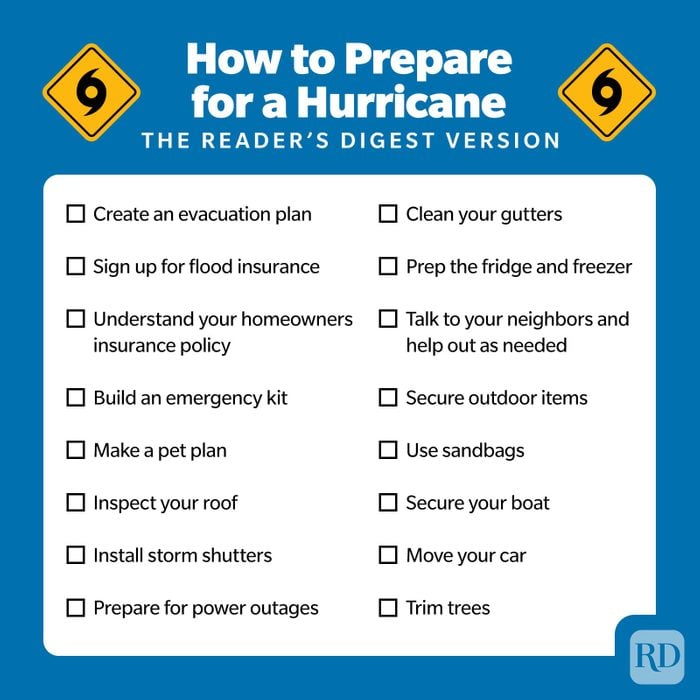
When a hurricane is on the horizon, the last thing you want is to be caught unprepared. You’ve seen the news stories and watched the footage of devastating storms, and you know the importance of being ready.
But have you taken the steps to ensure your safety and peace of mind? Building a hurricane survival kit is one of the most crucial steps you can take to protect yourself and your loved ones when nature shows its fiercest side.
Imagine the confidence you’ll feel knowing you have everything you need to weather the storm. In this guide, we’ll walk you through the essentials of creating your own hurricane survival kit, so you can face any storm with assurance and calm. Let’s get started on making sure you’re fully equipped for whatever comes your way.
Credit: www.nbcnews.com
Choosing The Right Container
Picking the right container is key for a hurricane survival kit. It keeps your supplies safe and ready to use.
The container must protect your items from water and damage. It also should be easy to carry during emergencies.
Durable And Waterproof Options
Your container needs to handle rough weather and water exposure. Look for strong, waterproof materials.
Plastic bins with tight lids work well. They keep water out and resist cracking. Metal containers also offer good protection but can rust.
- Heavy-duty plastic storage bins
- Waterproof dry bags
- Metal toolboxes with seals
- Sealable plastic totes
Portability Considerations
Your container should be easy to move. You may need to carry it quickly during an evacuation.
Choose containers with handles or wheels. Avoid containers that are too heavy or bulky when full.
- Containers with strong, comfortable handles
- Wheeled storage bins for easier transport
- Compact size to fit in your car or safe spot
- Lightweight materials to reduce carry weight
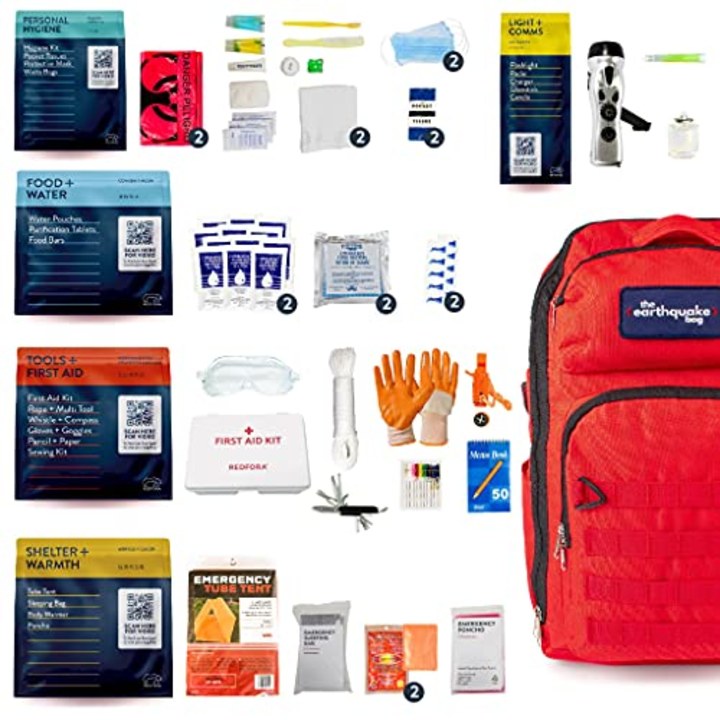
Gathering Essential Supplies
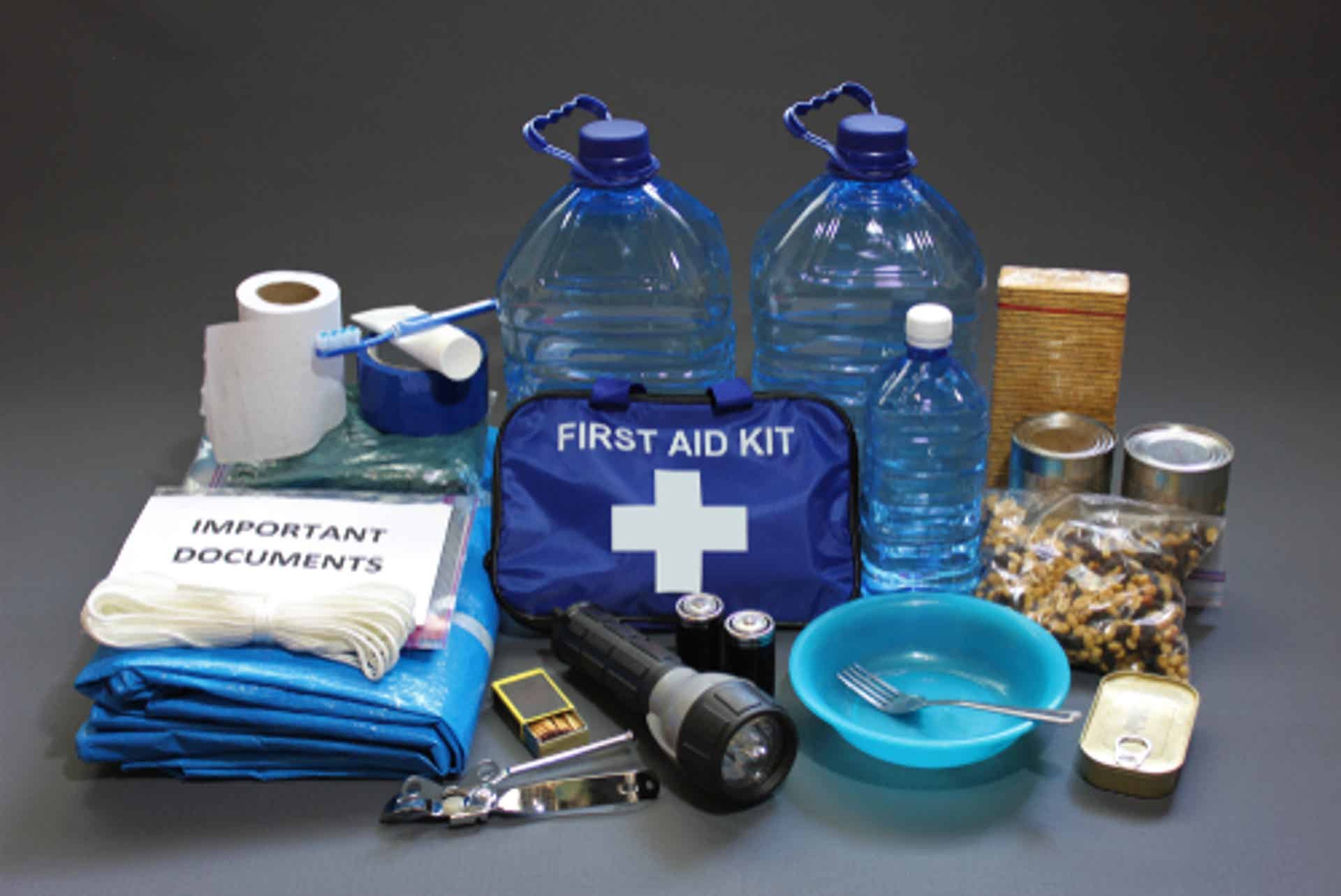
Building a hurricane survival kit is important to stay safe during a storm. You need to gather supplies that help you survive without outside help.
This kit should have food, water, first aid, tools, and hygiene items. These supplies keep you healthy and comfortable.
Food And Water
You need enough food and water to last at least three days. Choose foods that do not spoil and water that is clean.
- Pack canned goods like beans, vegetables, and meat
- Include high-energy snacks such as nuts and granola bars
- Use bottled water or water in sealed containers
- Store at least one gallon of water per person per day
- Have a manual can opener to open canned food
First Aid Items
First aid items help treat injuries and prevent infections. Keep a well-stocked first aid kit in your survival supplies.
- Bandages in various sizes
- Antiseptic wipes and ointments
- Pain relievers like ibuprofen or acetaminophen
- Medical tape and scissors
- Allergy medications if needed
- Tweezers and disposable gloves
Tools And Equipment
Tools help you fix problems and stay safe during a hurricane. Choose items that work without electricity.
- Flashlight with extra batteries
- Battery-powered or hand-crank radio
- Multi-tool or Swiss Army knife
- Matches or a lighter in waterproof container
- Rope and duct tape for repairs
- Whistle to signal for help
Personal Hygiene Products
Hygiene products keep you clean and reduce illness risk. Include items that help you stay fresh without water.
- Moist towelettes and hand sanitizer
- Toothbrush and toothpaste
- Soap and small towels
- Feminine hygiene products
- Trash bags for waste disposal
- Disposable diapers if needed
Preparing Communication Devices
Communication is very important during a hurricane. You need devices that work without power.
Prepare tools that help you stay informed and contact others safely.
Battery-powered Radios
Battery-powered radios keep you updated on weather alerts. They work when the power is out.
Choose a radio that can pick up local emergency broadcasts. Test it before the storm hits.
- Use fresh batteries or rechargeable ones
- Check the radio’s reception range
- Keep extra batteries in your kit
- Some radios have hand cranks for power
Chargers And Power Banks
Chargers and power banks keep your phones and devices charged. They are vital for communication.
Pick power banks with enough capacity to recharge devices multiple times. Charge them fully before the storm.
- Use chargers that work with your devices
- Keep cables organized and ready
- Solar chargers are good backups
- Store power banks in a dry place
Credit: www.rd.com
Including Important Documents
Preparing a hurricane survival kit means having key documents ready. These papers help prove your identity and protect your property.
Keep these documents safe and easy to reach during an emergency. Use waterproof folders or sealed bags.
Identification And Insurance Papers
Gather your ID cards, passports, and insurance papers. These documents can help you get aid or prove ownership after a storm.
- Driver’s license or state ID
- Passport or birth certificate
- Homeowner’s or renter’s insurance policy
- Vehicle registration and insurance
- Medical insurance cards
Emergency Contacts
Have a list of people to call during an emergency. Include family, neighbors, and local officials.
| Name | Relationship | Phone Number |
| John Smith | Brother | (555) 123-4567 |
| Mary Johnson | Neighbor | (555) 987-6543 |
| Local Shelter | Emergency Center | (555) 555-1212 |
Tailoring The Kit For Family Needs
Building a hurricane survival kit needs careful thought about your family. Each family has different needs. You should prepare your kit to fit those needs.
Think about ages, health, and pets. These details help you pack the right items. This makes your kit more useful during an emergency.
Medications And Medical Supplies
Include all important medicines your family uses. Pack enough for several days. Keep a list of medicines and doses.
Also add basic medical supplies. These help with small injuries or illnesses during a hurricane.
- Prescription medicines with labels
- Pain relievers like ibuprofen or acetaminophen
- Bandages and adhesive tape
- Antiseptic wipes and ointments
- Thermometer
- Allergy medicines and inhalers
- Extra glasses or contact lenses
Items For Children And Pets
Children and pets need special items in the kit. Pack things that keep them safe and calm.
For children, include food, diapers, and comfort items. For pets, add food, water, and supplies.
- Baby formula and bottles
- Diapers and wipes
- Favorite toys or blankets
- Pet food and water bowls
- Leashes and carriers
- Pet medications and vaccination records
- Clean-up bags for pets

Credit: www.aol.com
Storing And Maintaining The Kit
Keeping your hurricane survival kit ready is very important. Proper storage and regular checks help ensure it works when needed. You must protect the kit from damage and keep its contents fresh.
This guide covers the best places to store your kit and how often to update it. These steps keep you safe during a storm emergency.
Proper Storage Locations
Store your kit in a dry, cool place away from direct sunlight. Avoid places with high humidity or extreme temperatures. Choose a location easy to reach during a hurricane.
- Use waterproof containers to protect items from water damage.
- Keep the kit off the floor to avoid flooding risks.
- Label the kit clearly and place it near an exit.
- Consider a location that all family members know about.
- Store food and water separately from tools and medicines.
Regular Updates And Checks
Check your kit every six months. Replace expired food, medicine, and batteries. Make sure all items are in good condition and working properly.
| Item | Check Frequency | Action |
| Food and Water | Every 6 months | Replace expired or damaged items |
| Medications | Every 6 months | Update prescriptions and check expiration dates |
| Batteries | Every 6 months | Test and replace if weak or dead |
| Tools and Equipment | Every 6 months | Check for rust or damage, replace if needed |
| Emergency Contacts List | Every 6 months | Update phone numbers and addresses |
Planning For Evacuation
Planning for evacuation is a key part of building a hurricane survival kit. It helps you leave safely and quickly. Knowing your routes and transport options can save time and reduce stress.
Preparing ahead ensures you have clear directions and a way to travel. This preparation protects you and your family during a hurricane emergency.
Route Mapping
Map out several evacuation routes from your home. Know the safest roads to use and where shelters are located. Check for possible road closures or hazards before leaving.
Keep printed maps and digital copies on your phone. This helps if GPS stops working. Plan for traffic delays and pick alternative roads to avoid congestion.
- Identify at least two routes out of your area
- Locate nearby emergency shelters
- Check road conditions before evacuating
- Keep maps in your survival kit
Transportation Arrangements
Decide how you will get to your evacuation location. Arrange transport for all family members, including pets. Make sure your vehicle is fueled and ready to go.
If you do not have a car, plan to use public transport or ask friends for help. Keep emergency cash for gas or tickets. Pack essential items to take with you in your vehicle.
- Check your car’s fuel and maintenance
- Arrange rides for those without vehicles
- Include pet carriers and supplies
- Have cash ready for emergencies
Frequently Asked Questions
What Essential Items Belong In A Hurricane Survival Kit?
A hurricane survival kit should include water, non-perishable food, flashlight, batteries, first-aid supplies, medications, and important documents. Also, add a portable phone charger, multi-tool, and hygiene products. These essentials help ensure safety and comfort during and after a hurricane.
How Much Water Should I Store For Hurricane Emergencies?
Store at least one gallon of water per person per day. Plan for at least three days to cover potential shortages. Water is vital for drinking, cooking, and sanitation during a hurricane emergency.
Should I Include A Battery-powered Radio In My Survival Kit?
Yes, a battery-powered or hand-crank radio is crucial. It helps you receive weather updates and emergency alerts when power is out. This keeps you informed and safe during a hurricane.
How Often Should I Update My Hurricane Survival Kit?
Update your kit every six months to replace expired food, water, and batteries. Regular updates ensure all items remain usable and effective during an emergency.
Conclusion
Building a hurricane survival kit takes time and care. Start with basic supplies: water, food, and first aid items. Add tools like a flashlight and batteries. Don’t forget important documents and medications. Check your kit often to keep it ready.
Staying prepared helps protect you and your family. Stay safe, stay calm, and be ready for the storm. A well-packed kit can make a big difference. Small steps today bring peace tomorrow.