Can Prefab Homes Survive Hurricanes: Durable, Safe & Tested
Are you considering a prefab home but worried about its ability to withstand hurricanes? You’re not alone.
The thought of a powerful storm can be daunting, especially when it comes to protecting your home and loved ones. But what if the solution lies in a modern, innovative approach to housing? Prefab homes are gaining popularity for their affordability and speedy construction, but can they hold up against the fury of nature’s most formidable storms?
We’ll uncover the truth behind prefab homes and their resilience in the face of hurricanes. Get ready to challenge your assumptions and discover whether a prefab home could be the safe haven you’ve been searching for.
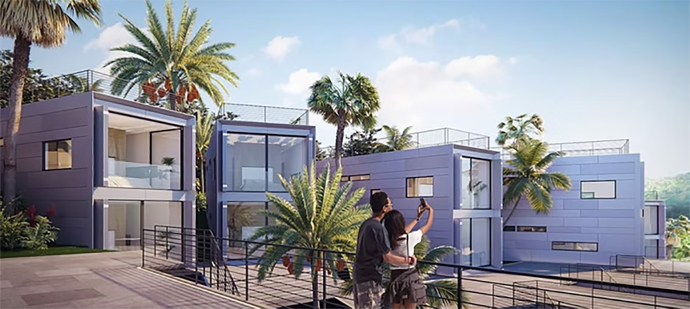
Credit: www.deepbluehome.com
Prefab Home Basics
Prefab homes are built in sections at a factory. These sections are then moved to the home site and assembled. This method can save time and reduce waste.
Many people wonder if prefab homes can stand up to strong storms like hurricanes. It helps to understand what prefab homes are and the materials used to build them.
What Are Prefab Homes
Prefab homes are houses made from parts built off-site. These parts include walls, floors, and roofs. Once finished, the parts are transported and joined together.
There are a few types of prefab homes. Some are modular, where sections are stacked and connected. Others are panelized, using flat panels assembled on-site. Another type is manufactured homes, fully built in a factory.
Common Materials Used
Prefab homes use many materials similar to traditional homes. The choice of materials affects the home’s strength and durability.
- Wood: Used for framing and walls in many prefab homes.
- Steel: Strong and resistant to warping or insects.
- Concrete: Used for foundations and sometimes walls.
- Insulation: Helps keep the home warm or cool.
- Drywall: Covers the interior walls for a finished look.
| Material | Use | Benefits |
| Wood | Framing, walls | Lightweight, easy to work with |
| Steel | Frames, reinforcements | Strong, durable, fire-resistant |
| Concrete | Foundations, walls | Heavy, strong, weather-resistant |
| Insulation | Thermal barriers | Energy efficient, soundproof |
| Drywall | Interior walls | Smooth finish, easy to paint |
Hurricane Forces On Homes
Hurricanes bring strong winds and heavy rain that can damage homes. Understanding these forces helps us see if prefab homes can survive.
Prefab homes are built in factories and moved to sites. They must handle wind pressure, impact, flooding, and water damage during hurricanes.
Wind Pressure And Impact
Hurricane winds push hard on walls and roofs. This pressure can bend or break parts of a home.
Flying debris hits homes like missiles. This impact can break windows and damage siding.
- Strong wind pressure tests the home’s structure.
- Impact from debris can cause holes and cracks.
- Prefab homes use strong materials to resist these forces.
Flooding And Water Damage
Hurricanes bring heavy rain and storm surges that cause flooding. Water can enter homes and damage floors and walls.
Water damage can cause mold and weaken building parts. Prefab homes must have good water barriers and drainage.
- Flooding can soak building materials inside and out.
- Water damage leads to mold and rot.
- Prefab homes use water-resistant materials and designs.
Design Features For Durability
Prefab homes can survive hurricanes if they have strong design features. Builders focus on ways to make these homes last through strong winds and heavy rains.
Durability starts with how the home is built. This includes the structure, waterproofing, and how the home is anchored to the ground.
Wind-resistant Structures
Wind resistance is important to keep the home standing during a hurricane. Prefab homes use special materials and shapes to reduce wind damage.
- Use reinforced steel frames inside walls
- Install impact-resistant windows and doors
- Shape roofs with steep slopes to reduce wind pressure
- Secure roof panels with extra fasteners
- Use continuous load paths to transfer wind forces safely
Waterproofing Techniques
Water can cause big damage during hurricanes. Waterproofing helps keep water out of the home’s structure and interior.
| Technique | Description |
| Sealed Windows and Doors | Use weatherstripping and sealants to block water |
| Waterproof Membranes | Apply membranes on roofs and walls for extra protection |
| Elevated Floors | Raise floors above ground level to avoid flooding |
| Proper Drainage | Design gutters and slopes to move water away |
Anchoring And Foundations
Strong anchors and foundations keep prefab homes stable during storms. They stop the home from shifting or lifting off the ground.
- Use deep concrete footings for strong support
- Install hurricane straps to tie roof and walls together
- Anchor homes to the foundation with bolts
- Choose foundation types based on soil and flood risk
Testing And Certifications
Prefab homes face many challenges during hurricanes. Testing and certifications ensure they stand strong. These tests check for safety and durability.
Builders use strict rules and tests to meet codes. Insurance companies also rely on these certifications to rate homes.
Building Code Compliance
Prefab homes must follow local building codes. These codes set rules for wind resistance and structure strength. Compliance means the home meets legal safety standards.
- Use approved materials
- Follow design standards for wind loads
- Meet foundation and anchoring requirements
- Pass inspections during and after construction
Wind Tunnel And Impact Tests
Wind tunnel tests simulate hurricane winds on prefab homes. Impact tests check how walls and windows resist flying debris. These tests help improve home designs.
| Test Type | Purpose | Result |
| Wind Tunnel | Measure wind pressure on structure | Shows if home can resist strong winds |
| Impact Test | Check resistance to flying objects | Ensures windows and walls do not break |
Insurance Ratings
Insurance companies use ratings to decide coverage and cost. Prefab homes with high ratings pay less for insurance. These ratings come from tests and code compliance.
- Building material quality
- Test results from wind and impact assessments
- Compliance with local hurricane codes
- Home elevation and location
Real-life Performance
Prefab homes are built in factories and moved to sites. People wonder if these homes can survive hurricanes.
Many prefab homes have faced strong storms. Their real-life performance shows how well they hold up.
Case Studies Of Surviving Hurricanes
In Florida, a prefab home withstood Hurricane Irma’s 130 mph winds. The home’s strong frame stayed intact.
After Hurricane Harvey, several prefab houses in Texas showed minor damage. Most repairs were quick and low cost.
- Prefab homes with steel frames resist strong winds well
- Proper anchoring to the foundation is key
- Windows with impact-resistant glass reduce breakage
Common Failures And Fixes
Some prefab homes fail at joints between panels. Wind and water can enter through these weak spots.
Roof damage is another common issue. Poor fastening lets wind lift roofing materials off.
- Use stronger sealing materials at panel joints
- Install hurricane straps to secure roofs better
- Choose impact-resistant windows and doors
- Anchor homes deeply to resist uplift forces

Credit: www.youtube.com
Comparing Prefab And Traditional Homes
Prefab homes are built in factories and then moved to the site. Traditional homes are built entirely on site.
Both types of homes face challenges during hurricanes. Let’s look at how they compare in strength, cost, and building time.
Strength And Resilience
Prefab homes use strong materials and factory-built walls. This can make them very sturdy against strong winds.
Traditional homes often use heavy wood frames. These can also resist hurricanes if built to code.
- Prefab homes have tight connections between panels.
- Traditional homes depend on skilled workers for strength.
- Both can include hurricane straps and impact-resistant windows.
Cost And Construction Time
Prefab homes usually cost less because parts are made in a factory. This saves money on labor.
Prefab homes also build faster. They avoid weather delays by working indoors.
- Prefab homes can be finished in weeks.
- Traditional homes often take months to build.
- Faster build means lower overall costs for prefab homes.
Future Innovations
Prefab homes are changing with new ideas to face strong hurricanes. Builders use new materials and designs to keep homes safe.
These future innovations help prefab homes stand firm and protect families during storms.
Smart Materials
Smart materials can change their shape or strength during a hurricane. They help absorb wind and water pressure better.
- Self-healing concrete fixes small cracks automatically.
- Flexible panels bend instead of breaking under strong winds.
- Water-resistant coatings stop leaks and water damage.
- Energy-absorbing frames reduce damage from flying debris.
Modular Reinforcements
Modular reinforcements add strong parts to prefab homes. These parts connect easily and increase the building’s strength.
| Reinforcement Type | Function | Benefits |
| Steel Braces | Support walls and roof | High strength and durability |
| Interlocking Panels | Connect sections tightly | Prevents separation during storms |
| Shock Absorbers | Reduce impact from debris | Protects structure integrity |
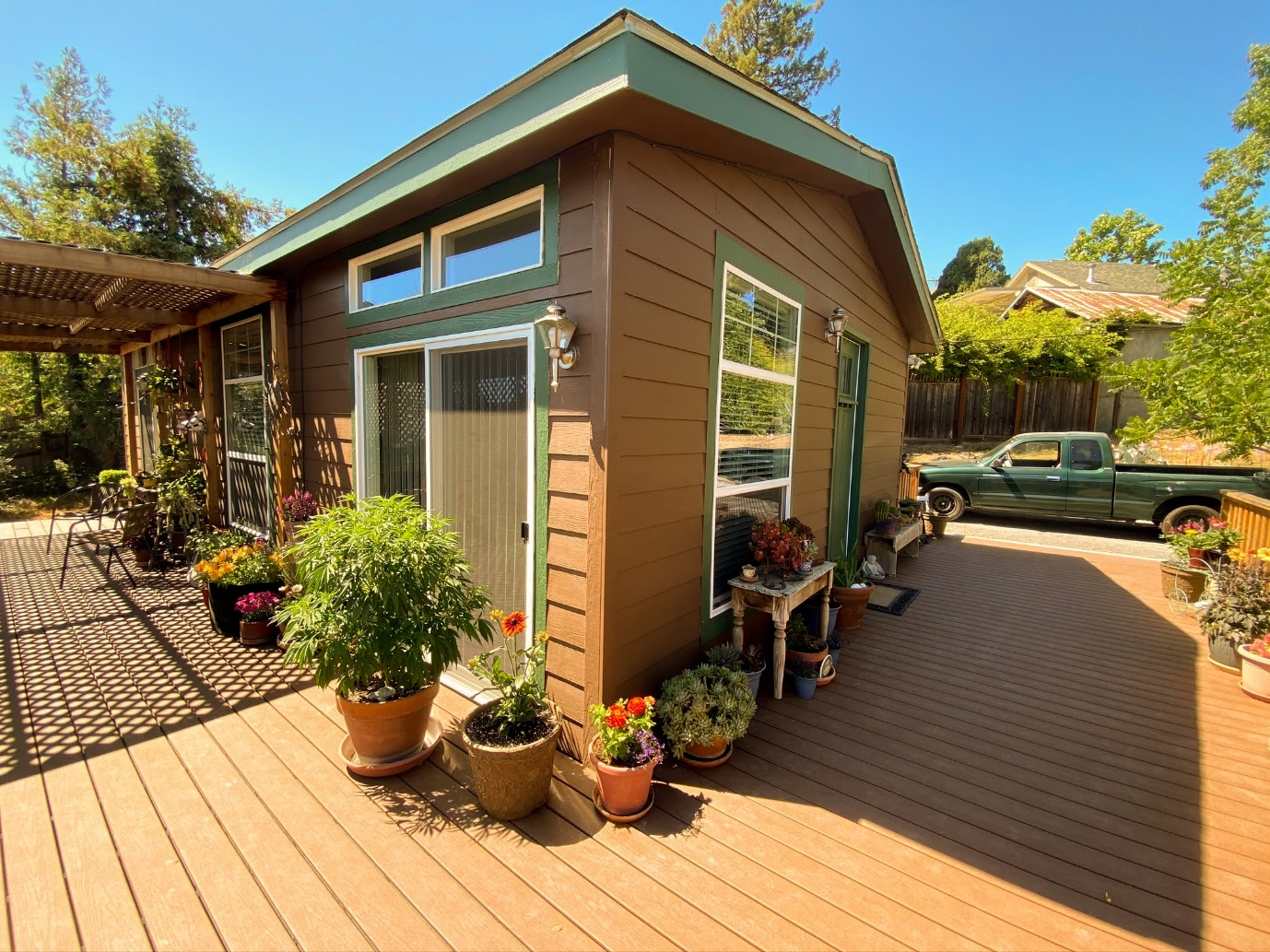
Credit: sonomamanufacturedhomes.com
Frequently Asked Questions
Can Prefab Homes Withstand Hurricane-force Winds?
Prefab homes built with strong materials and proper engineering can resist hurricane-force winds. Modern designs often include reinforced frames and secure anchoring, enhancing durability during storms.
Are Prefab Homes Safer Than Traditional Homes In Hurricanes?
Prefab homes can be as safe as traditional homes if constructed to hurricane codes. Their factory precision and quality control often improve structural integrity against severe weather.
What Materials Make Prefab Homes Hurricane-resistant?
Materials like steel frames, reinforced concrete, and impact-resistant windows boost prefab homes’ hurricane resistance. These components help the structure endure high winds and flying debris.
How Do Prefab Homes Handle Flooding During Hurricanes?
Prefab homes elevated on stilts or raised foundations better resist floodwaters. Proper site planning and water-resistant materials also minimize flood damage during hurricanes.
Conclusion
Prefab homes can be built strong to face hurricane winds. Builders use tough materials and smart designs. These homes often resist damage better than expected. Proper installation also plays a big role in safety. Choosing a prefab home means thinking about location and support.
With care, these homes can protect families during storms. Safety depends on quality and preparation, not just the type of home. Prefab homes offer a good option for hurricane-prone areas. They combine speed, strength, and cost-effectiveness well. The key is to choose wisely and build right.