Can a Brick House Survive a Hurricane? Ultimate Durability Guide
When the storm clouds gather and the winds begin to howl, you might find yourself pondering a crucial question: Can a brick house survive a hurricane? It’s a thought that might keep you up at night, especially if you live in a hurricane-prone area.
You want to feel secure, knowing that your home is your fortress against nature’s fury. Imagine the peace of mind you could have, knowing exactly how your brick house is likely to fare when those tempestuous winds come knocking. You’ll discover the surprising truths and lesser-known facts that could change the way you think about your home’s safety.
Stay with us, because what you learn could be the key to protecting everything you hold dear.

Credit: www.reddit.com
Brick Houses And Hurricane Resistance
Brick houses are common in many regions. People want to know if they can survive hurricanes. Strong winds and heavy rain test house strength.
This article looks at how brick holds up during hurricanes. It also explains some weak points in brick homes.
Material Strength Of Brick
Brick is a hard and heavy material. It can resist strong wind and rain better than wood. Bricks do not catch fire easily.
Brick walls help keep the house stable. They block flying debris and reduce damage inside the home.
- Bricks are dense and strong
- They resist water and fire
- They add weight to resist wind
- Brick walls reduce damage from debris
Common Brick House Vulnerabilities
Brick houses can still have weak spots. The mortar between bricks can crack or wash away. This weakens the wall’s strength.
Windows and doors in brick homes are also weak points. Strong winds can break glass or damage frames. Roofs attached to brick walls may fail if not well-built.
- Mortar cracks reduce wall strength
- Windows and doors are vulnerable
- Roof connections may fail
- Poor construction lowers resistance
Hurricane Forces On Structures
Hurricanes bring strong winds, flying debris, and heavy rain. These forces can damage or destroy buildings. Understanding how these forces act helps us see if a brick house can survive.
Brick houses are common in many areas. Their strength depends on how well they handle wind pressure, debris, and water damage during a hurricane.
Wind Pressure And Impact
Hurricane winds push hard against walls and roofs. Wind pressure can cause walls to crack or roofs to lift off. Brick walls resist wind well if built properly.
Strong connections between bricks, mortar, and framing improve strength. Poor construction makes brick walls weaker against wind forces.
Flying Debris Hazards
Hurricanes carry debris like tree branches and signs. Flying debris can break windows and damage walls. Brick walls resist some impacts but glass windows are vulnerable.
Protecting windows with shutters or impact glass helps reduce damage. Loose debris can cause serious injuries and weaken the house structure.
- Flying debris can crack or chip bricks
- Windows often break first
- Protective barriers improve safety
Water Damage And Flooding
Heavy rain and flooding often accompany hurricanes. Water can seep into bricks and mortar, causing damage over time. Floodwaters can weaken foundations and walls.
Good drainage and waterproof coatings help protect brick houses. Flood-resistant design reduces damage to the structure and interior.
Construction Techniques For Durability
Building a brick house that can survive a hurricane needs careful planning. Strong construction methods make a big difference.
This article looks at key techniques that help brick homes stand up to strong winds and heavy rain.
Reinforced Brick Walls
Reinforcing brick walls adds strength against hurricane forces. Steel bars or mesh are placed inside the walls during construction. This helps the walls resist bending and breaking.
- Use vertical and horizontal steel reinforcements
- Fill cavities with grout to bind reinforcements and bricks
- Follow building codes for reinforcement spacing
- Inspect reinforcements before covering with bricks
Mortar Quality And Application
Good mortar holds bricks firmly and keeps water out. Using the right mix and applying it carefully improves wall durability.
| Mortar Component | Purpose | Notes |
| Cement | Strength | Use Portland cement for best results |
| Lime | Flexibility | Improves workability and bonding |
| Sand | Bulk and texture | Clean, well-graded sand is ideal |
| Water | Mixing agent | Add enough to create a workable paste |
Foundation And Roof Integration
A strong foundation and secure roof help a brick house resist hurricane damage. They must connect well with the walls to act as one unit.
- Build a deep, reinforced concrete foundation
- Anchor brick walls firmly to the foundation
- Use hurricane straps to tie the roof to walls
- Choose roof materials that resist uplift forces
- Seal joints between roof and walls to prevent leaks
Comparing Brick To Other Materials
Brick houses are known for their strong build. They can handle tough weather like hurricanes. It is useful to see how brick compares to other building materials.
This comparison looks at brick, wood frames, and concrete blocks. It also covers how these materials affect energy use and insulation.
Brick Vs. Wood Frames
Wood frames are common in many homes. They are lighter than brick and easier to build with. But wood can catch fire and rot over time.
Brick walls are heavier and stronger. They resist wind and flying debris better than wood. Brick does not burn or decay like wood does.
- Wood is lighter but less durable in storms
- Brick is heavy and resists wind damage
- Wood can rot and burn; brick does not
- Brick needs less maintenance over time
Brick Vs. Concrete Blocks
Concrete blocks are also strong and fire-resistant. They are often used for hurricane-proof homes. Concrete blocks can be faster to install than bricks.
Brick looks nicer and has a classic style. Brick walls may be thicker and offer better protection. Concrete blocks can be filled with steel and concrete for extra strength.
- Concrete blocks are strong and quick to build
- Brick offers a classic look and thick walls
- Concrete blocks can be reinforced for more strength
- Brick has natural durability and style
Energy Efficiency And Insulation
Brick has good thermal mass. It absorbs heat during the day and releases it at night. This helps keep homes cooler in summer and warmer in winter.
Wood frames need extra insulation to keep heat in or out. Concrete blocks also need insulation but can be less efficient than brick. Proper insulation is important for all materials.
- Brick stores heat and helps regulate temperature
- Wood frames require added insulation
- Concrete blocks need insulation to improve efficiency
- Good insulation lowers energy bills
Storm Preparation Tips For Brick Homes
Brick houses can be strong during hurricanes. Preparing your home helps protect it from damage. Use simple steps to keep your brick home safe.
Check your home for weak spots before a storm. Fixing small issues now can stop big problems later.
Sealing Cracks And Gaps
Cracks and gaps let wind and water enter your home. Seal them to keep your house dry and strong. Use weather-resistant caulk or mortar to fill holes.
- Check around windows and doors for gaps
- Seal cracks in the brick walls
- Inspect where the wall meets the roof
- Use durable sealants made for brick
Installing Storm Shutters
Storm shutters protect windows from flying debris. They reduce the chance of broken glass during high winds. Choose shutters that fit tightly and are easy to install.
- Measure your windows before buying shutters
- Use metal or heavy-duty plastic shutters
- Install shutters securely to the brick walls
- Practice installing them before the storm
Roof Inspection And Maintenance
The roof protects your home from rain and wind. Check it for loose or missing shingles. Fix or replace damaged parts to prevent leaks and damage.
- Look for cracked or missing shingles
- Clear gutters and downspouts
- Check flashing around chimneys and vents
- Hire a professional if you see serious damage

Credit: www.reddit.com
Post-hurricane Brick House Assessment
After a hurricane, checking your brick house is very important. Strong winds and rain can cause hidden damage.
Knowing how to spot problems early helps keep your home safe and strong.
Identifying Structural Damage
Look closely at your brick walls for cracks or gaps. Check if bricks are loose or falling off.
Also, check the foundation for any shifts or breaks. Uneven floors or doors that don’t close can show problems.
- Cracks wider than 1/4 inch
- Bricks that move when pushed
- Bulging or leaning walls
- Damaged or cracked foundation
- Doors and windows that stick or won’t close
Repairing Brick And Mortar
Small cracks in bricks or mortar can be fixed with patching. Use the right mortar mix to match your house.
Replace any bricks that are broken or missing. Keep mortar joints tight to stop water damage.
- Clean the damaged area before repair
- Use mortar that matches original color and strength
- Fill cracks fully and smooth the surface
- Replace bricks carefully without disturbing others
- Let repairs dry completely before painting or sealing
When To Consult Professionals
Call a structural engineer if cracks are large or walls lean. They can check if your house is safe.
Hire a mason for major brick or mortar repairs. Professionals have tools and skills for strong fixes.
- Large cracks over 1/4 inch wide
- Walls that lean or bulge outward
- Foundation damage or sinking
- Water damage inside walls
- Repeated cracks after repairs
Case Studies Of Brick Homes In Hurricanes
Brick houses are often seen as strong and durable. Many people wonder if they can stand up to hurricanes. This section looks at real examples of brick homes during big storms.
We will explore homes that survived hurricanes and what made them strong. We also look at homes that failed and the lessons learned from them.
Survivor Homes And What Worked
Some brick homes survived hurricanes with little damage. These homes shared common features that helped them stay strong during the storms.
- Reinforced concrete foundations that kept the base stable
- Strong mortar and brick bonding to resist wind pressure
- Windows and doors with impact-resistant glass or shutters
- Roof designs that reduced wind uplift
- Proper drainage systems around the house
These features helped the brick walls hold firm and reduced the chance of water damage inside.
Failures And Lessons Learned
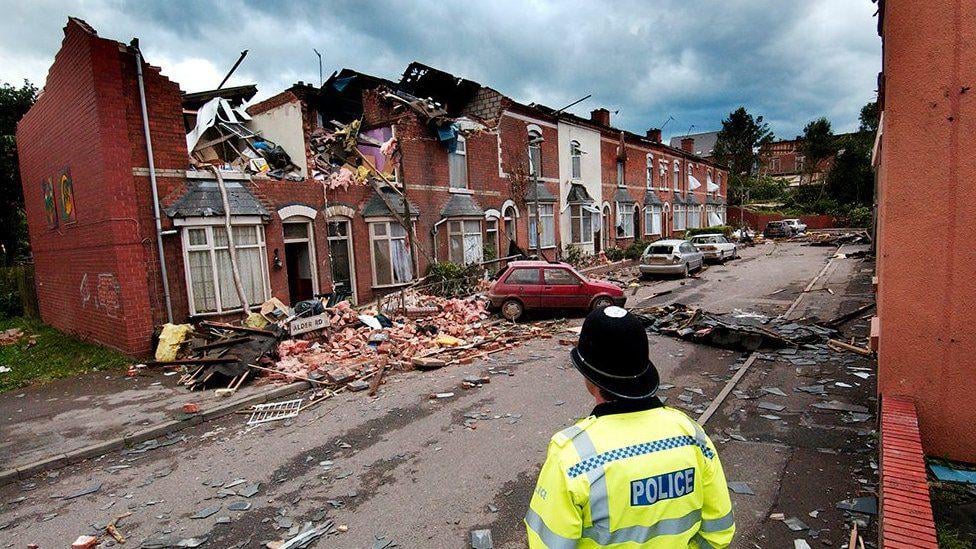
Not all brick homes survived. Some had serious damage or total failure. Studying these cases shows what to avoid in future builds.
| Cause of Failure | Description | Lesson Learned |
|---|---|---|
| Poor mortar quality | Mortar crumbled under strong winds | Use high-quality mortar with proper mix |
| Weak roof connections | Roofs lifted off, causing wall collapse | Secure roofs with hurricane straps and anchors |
| Large unprotected openings | Windows broke, letting wind inside | Install impact windows or hurricane shutters |
| Poor foundation anchoring | Walls shifted or cracked due to ground movement | Anchor foundation firmly to soil or bedrock |

Credit: www.reddit.com
Frequently Asked Questions
Can A Brick House Withstand Hurricane-force Winds?
Yes, brick houses can resist hurricane winds if properly constructed. Quality mortar, reinforced walls, and impact-resistant windows improve durability significantly.
How Does Brick Compare To Other Materials In Hurricanes?
Brick is heavier and more durable than wood or vinyl siding. It offers better protection against flying debris and strong winds during hurricanes.
What Maintenance Helps Brick Homes Survive Hurricanes?
Regular inspections and repairs of cracks, mortar joints, and roof seals help maintain brick homes’ hurricane resistance. Proper drainage also prevents water damage.
Are Brick Homes Safer During Hurricane Flooding?
Brick walls are sturdy but not waterproof. Flood-resistant designs and proper foundation elevation are essential to protect brick homes from hurricane flooding damage.
Conclusion
Brick houses can stand strong during hurricanes with the right design. They resist wind and flying debris better than many materials. Proper construction and maintenance boost their durability. Still, no home is completely safe from extreme storms. Taking safety measures and preparing is always wise.
A brick house offers good protection but stay ready for emergencies. Safety first, no matter the building type.