How to Survive a Hurricane in Your House: Essential Safety Tips
When a hurricane is on the horizon, your home becomes your fortress. But are you truly prepared to withstand nature’s fury?
Every year, countless families face the daunting challenge of surviving a hurricane, and knowing how to safeguard your home can make all the difference. Imagine the peace of mind you’ll feel knowing you and your loved ones are protected, no matter what the storm brings.
You’ll discover practical tips and strategies to ensure your safety and keep your home secure during a hurricane. Don’t leave it to chance; equip yourself with the knowledge to face the storm with confidence. Your safety starts here.

Credit: www.youtube.com
Preparing Your Home
Getting your house ready before a hurricane hits can save your home from damage. It also keeps your family safer during the storm.
Focus on strengthening weak points and removing hazards around your house. This guide covers key steps to prepare your home well.
Securing Doors And Windows
Doors and windows are the easiest entry points for strong winds and debris. Make sure they are tightly locked and protected.
- Install storm shutters or plywood over windows.
- Reinforce doors with heavy-duty bolts and braces.
- Seal gaps around doors and windows with weather stripping.
- Use impact-resistant glass if possible for extra protection.
Reinforcing Roof And Walls
The roof and walls must withstand strong hurricane winds. Check for weak spots and add extra support where needed.
| Area | Action |
| Roof | Secure loose shingles and use hurricane straps. |
| Walls | Repair cracks and add plywood or braces if needed. |
| Gutters | Clear debris to prevent water buildup. |
Clearing Outdoor Debris
Loose objects outside can become dangerous projectiles in high winds. Clear your yard and secure items to keep them safe.
- Remove dead branches and trim trees near the house.
- Store outdoor furniture and grills indoors or tie them down.
- Secure trash bins and garden tools.
- Check fences and repair weak spots.
Credit: restoration1.com
Creating An Emergency Kit
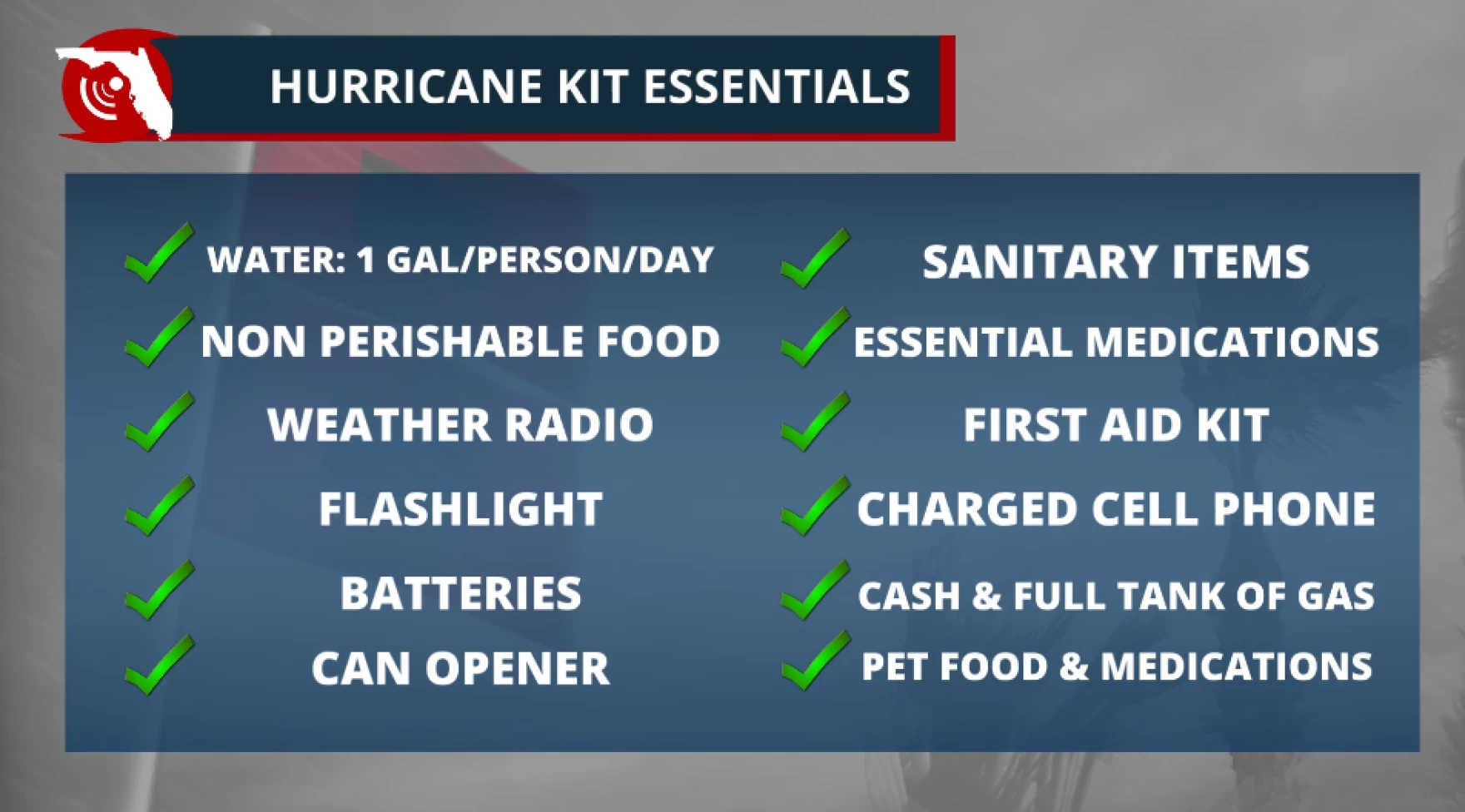
Preparing an emergency kit is important to stay safe during a hurricane. Your kit should have items you need to survive for several days.
Gather supplies that help with food, water, first aid, and basic needs. Keep everything in one easy-to-carry container.
Must-have Supplies
Your emergency kit needs key supplies for safety and comfort. These include tools, lights, and important documents.
- Flashlight with extra batteries
- Battery-powered or hand-crank radio
- Multi-tool or Swiss army knife
- Copies of personal documents
- Cash in small bills
- Whistle to signal for help
- Local maps
Water And Food Storage
Store enough water and food to last at least three days. Choose items that do not need cooking or refrigeration.
- Bottled water (one gallon per person per day)
- Non-perishable foods like canned goods
- Energy bars and dried fruits
- Manual can opener
- Baby formula or special diet foods if needed
First Aid Essentials
A first aid kit helps treat minor injuries. Include items to clean wounds and reduce pain.
- Adhesive bandages in different sizes
- Antiseptic wipes and ointment
- Sterile gauze pads and tape
- Pain relievers like acetaminophen or ibuprofen
- Scissors and tweezers
- Disposable gloves
- Any prescription medications
Developing A Family Plan
Preparing for a hurricane helps keep your family safe. A clear plan guides everyone during the storm. It reduces fear and confusion in hard times.
This guide explains key parts of a family plan. Focus on communication, evacuation routes, and safe room choices.
Communication Strategies
Good communication keeps your family connected before and during a hurricane. Decide how to share information and check on each other.
- Choose a family member outside the area as a contact.
- Use text messages to avoid phone overload.
- Agree on emergency code words for safety checks.
- Keep a list of important phone numbers in a safe place.
Evacuation Routes
Know your evacuation routes well. Plan more than one way out of your neighborhood. Practice these routes with your family.
| Route | Direction | Estimated Time |
| Main Highway | North | 20 minutes |
| Side Road | East | 30 minutes |
| Back Alley | West | 25 minutes |
Safe Room Selection
Pick the safest room in your home for shelter. This room should be away from windows and strong winds.
- Choose a small, windowless room like a bathroom or closet.
- Make sure the room can hold your emergency supplies.
- Check that the room has sturdy walls and a solid roof.
During The Hurricane
Hurricanes can be very dangerous. Staying calm and prepared helps you stay safe during the storm.
Focus on protecting yourself inside your home and keeping updated on the weather. Use safe methods to handle power outages.
Staying Indoors Safely
Stay inside and away from windows and glass doors. Use a small, windowless room for shelter.
- Close all interior doors to prevent wind damage.
- Cover windows with storm shutters or plywood.
- Keep flashlights and batteries nearby.
- Avoid using candles to prevent fire risk.
- Wear sturdy shoes in case you need to move around debris.
Handling Power Outages
Power may go out during the hurricane. Use safe ways to manage without electricity.
| Item | Tip |
| Flashlights | Use instead of candles for light |
| Generators | Run outside to avoid carbon monoxide |
| Refrigerator | Keep closed to keep food cold longer |
| Electronics | Unplug to avoid damage from power surges |
Monitoring Weather Updates
Stay informed by checking weather updates often. Use a battery-powered radio or phone to get news.
- Keep your phone charged when possible
- Listen to local news or weather stations
- Follow official emergency alerts
- Do not rely on social media for critical updates
After The Storm
The hurricane has passed, but the danger is not over yet. You must stay alert and act carefully to stay safe.
Checking your home and finding help are the next important steps. Read on to learn what to do after a hurricane.
Assessing Damage
Look around your house for damage before going inside. Check the roof, windows, and walls for cracks or holes.
If you see fallen power lines or flooding, stay away and wait for help. Take photos of the damage for insurance claims.
- Do not enter if the house smells gas or you hear a hissing sound.
- Wear sturdy shoes and gloves to protect your feet and hands.
- Check for pets or family members who need help inside.
- Use a flashlight, not candles, to avoid fire risks.
Avoiding Hazards
Stay clear of downed power lines and avoid flooded areas. Water may hide sharp objects or dangerous animals.
Turn off the main power and gas if you suspect leaks. Use your phone only for emergencies to keep lines open.
| Hazard | Action to Take |
| Downed Power Lines | Keep at least 30 feet away and call authorities |
| Flooded Rooms | Do not walk or drive through water |
| Gas Smell | Turn off gas and leave the house immediately |
| Sharp Debris | Wear gloves and boots when cleaning |
Seeking Help And Resources
Contact local emergency services if you or others need medical help. Use a battery-powered radio to listen for updates.
- Find nearby shelters if your home is unsafe.
- Check if your community offers food or water distribution.
- Ask neighbors or friends for support.
- Keep important documents in a safe, dry place.
For emergency contacts:
| Service | Phone Number |
|---|---|
| Fire Department | 911 |
| Police | 911 |
| Local Shelter | Check local listings |
| Disaster Hotline | 1-800-555-HELP |

Credit: mountainhouse.com
Frequently Asked Questions
How Do I Prepare My House Before A Hurricane?
Secure windows with storm shutters or plywood. Remove outdoor items that can become projectiles. Stock up on food, water, and emergency supplies. Check your roof and gutters for damage or debris.
What Is The Safest Place Inside During A Hurricane?
Choose an interior room without windows, like a bathroom or closet. Stay on the lowest floor, away from exterior walls. Use a mattress or heavy blankets for added protection.
How Long Should I Stay Indoors During A Hurricane?
Remain indoors until authorities declare it safe. Usually, this means waiting until the storm completely passes and winds are calm. Avoid going outside during the eye of the hurricane.
What Emergency Supplies Should I Keep At Home?
Keep water, non-perishable food, flashlight, batteries, first aid kit, and medications. Include important documents in a waterproof container. Have a battery-powered radio for weather updates.
Conclusion
Staying safe during a hurricane starts with good preparation. Keep essential supplies close and know your emergency plan well. Secure windows and doors to protect your home from strong winds. Stay informed through weather updates and follow official advice. Staying calm and focused helps you act quickly and wisely.
Remember, your safety depends on how ready you are. Take steps now to protect yourself and your family. Stay alert, stay safe, and be ready for any storm.